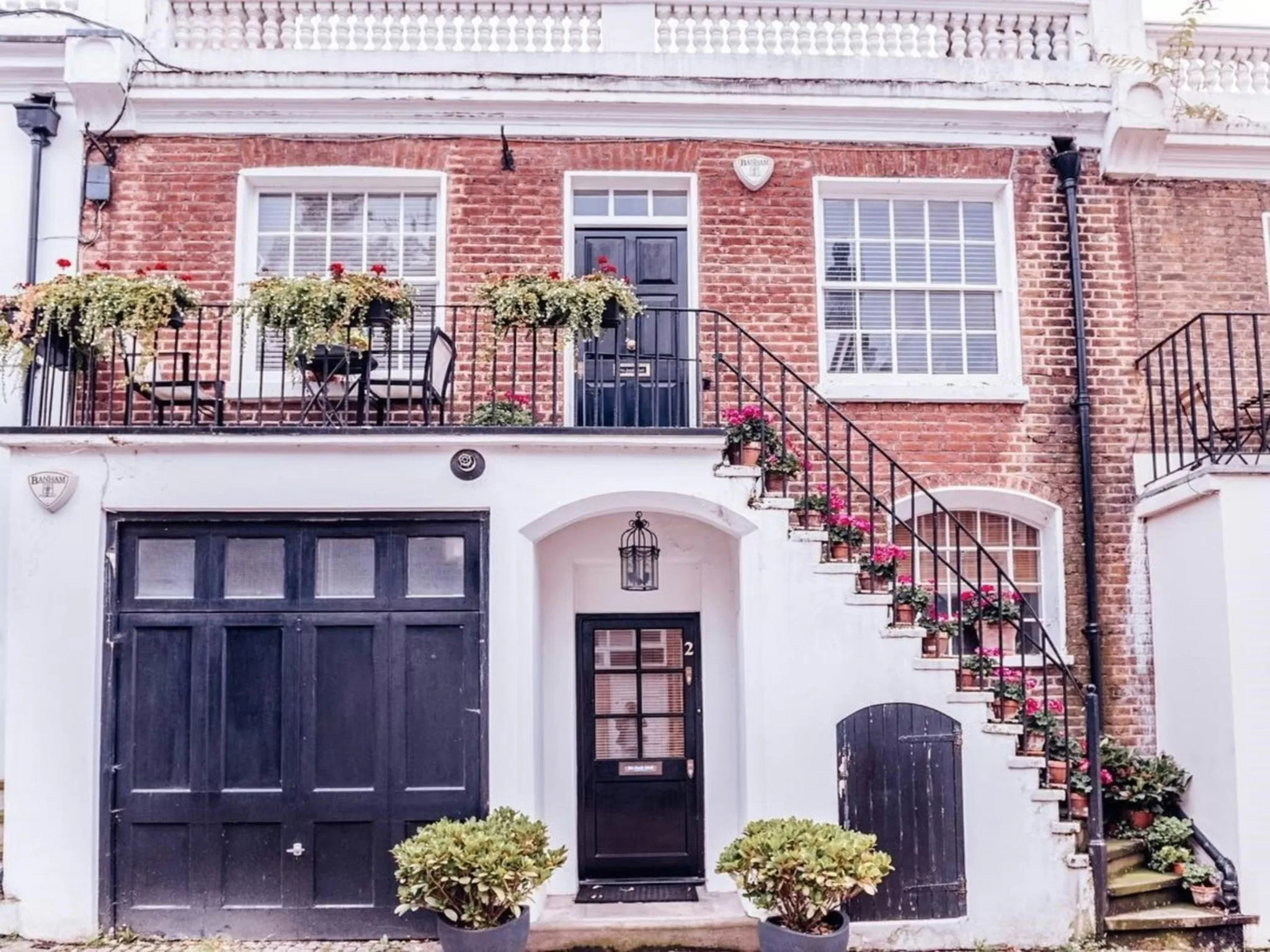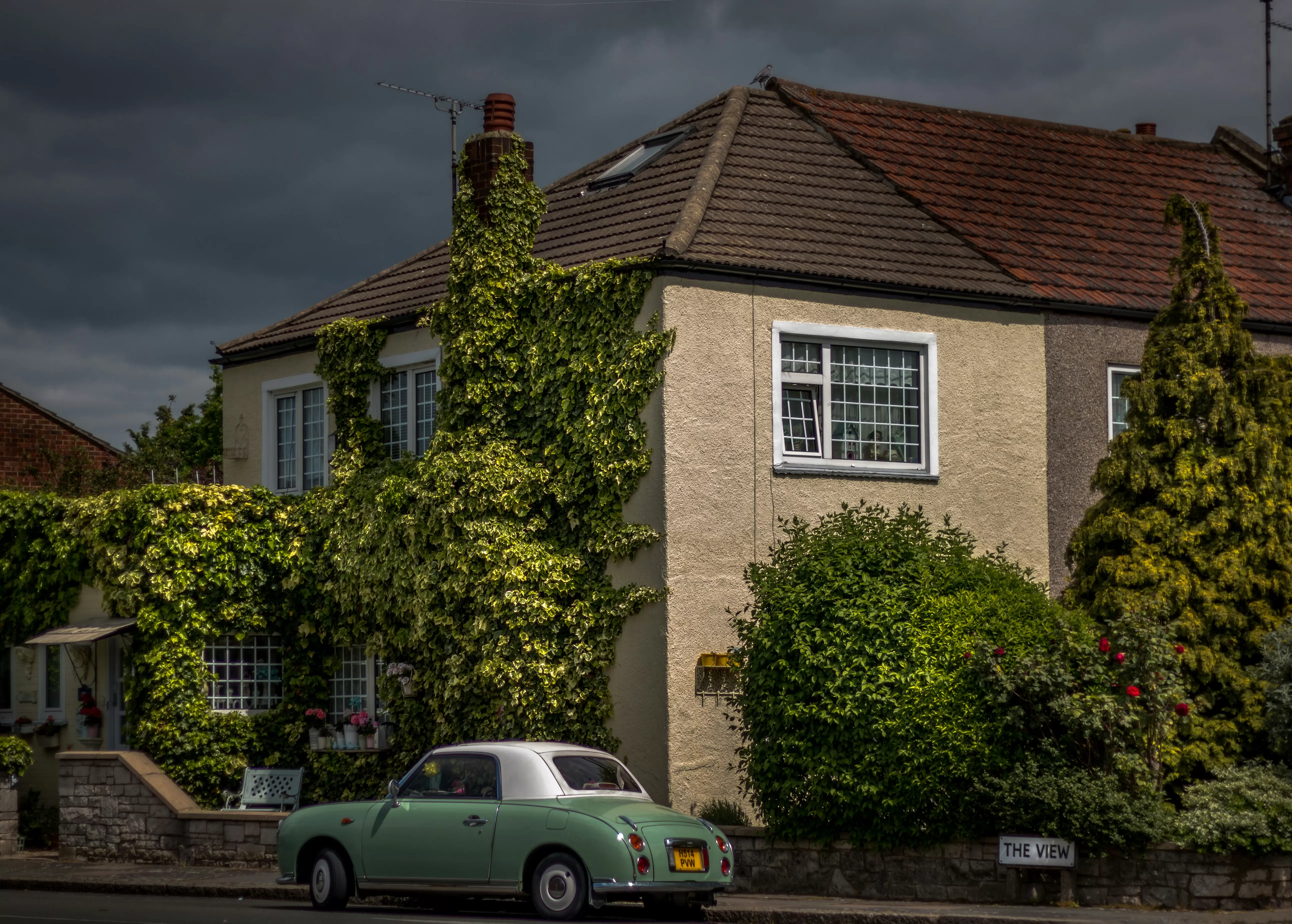
Nottingham offers a diverse property market, from vibrant urban centres to tranquil suburban neighbourhoods. For new home buyers, the choice of location can significantly impact affordability, lifestyle, and long-term value. Key areas combine strong transport links, local amenities, schools, and emerging property developments that suit first-time buyers and investors alike.
Introduction: Nottingham’s Appeal for New Home Buyers
For first-time buyers, Nottingham presents a balanced mix of affordability, lifestyle, and future growth potential. Its property market is influenced by several factors: proximity to universities, employment hubs, transport networks, and ongoing regeneration projects. Areas offering a blend of modern developments, community facilities, and accessibility tend to attract higher interest from buyers entering the market.
Understanding the local landscape is essential. New home buyers must evaluate factors like average property prices, rental yields for potential investment, school ratings, and leisure infrastructure. This guide breaks down the city into major zones that consistently appeal to new buyers, providing a fact-driven perspective suitable for both personal purchase and investment planning.
City Centre
Nottingham’s City Centre is ideal for buyers seeking a vibrant urban lifestyle. It features a mix of contemporary apartments, period conversions, and high-rise developments. New buyers are drawn to its proximity to shopping districts, entertainment venues, universities, and business centres.
Key advantages:
- Transport: Excellent connectivity with Nottingham Station providing East Midlands links and local tram routes enhancing commuting ease.
- Modern Developments: High-spec apartments with integrated amenities such as gyms, concierge services, and communal spaces.
- Investment Potential: Consistent demand from young professionals and students ensures liquidity and rental opportunities.
Price guidance (2026 estimates): City centre apartments typically range from £180,000 for one-bedroom units to £400,000+ for luxury penthouses, reflecting strong demand and limited space availability.
West Nottingham
The western suburbs, including areas like Wollaton and Lenton, offer a mix of detached and semi-detached homes ideal for families or buyers seeking more space than the city centre provides. These areas combine green spaces with convenient access to schools and local shops.
Key advantages:
- Community Facilities: Highly-rated schools, parks, and recreational centres support family-oriented lifestyles.
- Transport Links: Close proximity to A52 and A610 roads enables quick access to Nottingham city centre and broader regional travel.
- Property Value: Steady growth with houses ranging from £220,000 for smaller semi-detached units to over £500,000 for large family homes.
This area is particularly attractive for first-time buyers who want a suburban environment without sacrificing connectivity to urban amenities.
Beeston
Beeston is west of the city centre and popular among first-time buyers and students. The area has a mix of Victorian houses and modern apartments. Its proximity to the University of Nottingham and robust public transport makes it attractive for rentals.
Key advantages:
- Rental Demand: Strong student and young professional rental market offers potential for investment returns.
- Local Amenities: Shopping streets, cafes, and sports facilities enhance everyday living.
- Connectivity: Direct tram and bus links to the city centre, plus Nottingham station within a 10-minute drive, make commuting easy.
Average property prices in Beeston vary from £180,000 for one-bedroom flats to £350,000 for mid-sized family homes. This combination of affordability and strong community infrastructure appeals to first-time buyers seeking long-term stability.
Sneinton & Colwick
Sneinton and Colwick, east of Nottingham city centre, offer affordable options for first-time buyers. Historically overlooked, these areas have seen investment in housing regeneration and infrastructure, making them attractive for entry-level buyers.
Key advantages:
- Affordability: Average house prices range between £150,000–£250,000, significantly lower than central and western areas.
- Transport & Access: Good bus links and proximity to Nottingham Station make commuting straightforward.
- Community & Amenities: Local parks, primary schools, and retail developments support family living and community cohesion.
Risks to consider include ongoing regeneration projects that may temporarily affect local amenities and the need to verify the condition of older housing stock before purchase.
West Bridgford
West Bridgford, just south of the River Trent, consistently ranks among Nottingham’s most desirable suburbs. It attracts buyers seeking premium housing, top-rated schools, and a high-quality lifestyle close to the city centre.
Key advantages:
- Education: Exceptional primary and secondary schools attract families and drive long-term property demand.
- Leisure & Retail: Abundant cafes, boutique shops, restaurants, and the riverside provide an appealing lifestyle.
- Property Quality: Mix of Edwardian homes, modern townhouses, and new-build developments offer diverse options for buyers.
Price guidance: Expect £300,000–£600,000+ depending on property size and proximity to key amenities, reflecting the area’s sustained desirability.
Arnold
Arnold, located north of Nottingham city centre, is popular with families and first-time buyers due to its relative affordability, green spaces, and community services. It provides a suburban environment while maintaining convenient access to the city.
Key advantages:
- Affordability: Semi-detached homes typically range between £200,000–£300,000, making it accessible for new buyers.
- Transport: Good bus routes to Nottingham city centre and local road networks provide easy commuting.
- Community Facilities: Schools, leisure centres, and shopping areas support family life.
Area Comparisons & Pricing
Comparing Nottingham’s key areas helps first-time buyers balance affordability, lifestyle, and investment potential. The table below summarises essential data points for quick reference:
| Area | Typical Price Range (£) | Primary Buyer Type | Key Advantages |
|---|---|---|---|
| City Centre | 180,000–400,000+ | Young professionals, investors | Urban lifestyle, transport links, high rental demand |
| West Nottingham | 220,000–500,000+ | Families, first-time buyers | Suburban living, schools, parks |
| Beeston | 180,000–350,000 | Students, professionals | Proximity to university, rental demand, transport |
| Sneinton & Colwick | 150,000–250,000 | First-time buyers, investors | Affordable housing, regeneration potential |
| West Bridgford | 300,000–600,000+ | Families, professionals | High-quality lifestyle, schools, premium homes |
| Arnold | 200,000–300,000 | Families, first-time buyers | Suburban community, green spaces, amenities |
Common Buyer Mistakes
New home buyers in Nottingham often encounter similar pitfalls. Awareness of these can prevent costly errors and improve decision-making:
- Overlooking Hidden Costs: Stamp duty, conveyancing fees, and maintenance can add 5–10% to the purchase price.
- Ignoring Transport Links: Areas may appear affordable but lack sufficient connectivity, affecting commute and resale value.
- Underestimating Regeneration Impact: Areas undergoing development may experience noise, construction disruption, and fluctuating property values in the short term.
- Neglecting Long-Term Growth Potential: Choosing the cheapest property without considering future infrastructure projects or community development can limit value appreciation.
- Skipping Professional Advice: Solicitors, surveyors, and financial advisors ensure legal compliance, accurate valuations, and sound mortgage choices.
Transport & Infrastructure
Transport connectivity is a critical factor for new home buyers in Nottingham. Areas well-served by roads, trams, buses, and cycling paths attract long-term demand and support higher property values. Key infrastructure highlights include:
- Tram Network: Nottingham Express Transit (NET) links Beeston, Bulwell, Hucknall, and other suburbs directly to the city centre, reducing commute times.
- Road Access: Major routes such as A52, A610, and M1 motorway connections facilitate regional travel for professionals and families.
- Rail Links: Nottingham Station provides East Midlands and national connections, appealing to buyers who travel frequently for work.
- Future Improvements: Planned cycling infrastructure and road upgrades are expected to enhance accessibility and support property growth in targeted areas.
Future Developments & Regeneration
Investors and new buyers should monitor Nottingham’s ongoing regeneration schemes. Key projects influence property demand and long-term value:
- Southside Regeneration: Mixed-use developments including residential, retail, and leisure spaces near the city centre.
- Beeston Town Centre Improvements: Enhancements to public spaces, transport links, and housing stock.
- Creative Quarter Expansion: Encourages cultural hubs, start-ups, and residential conversions, attracting young professionals.
Awareness of regeneration timelines allows buyers to assess short-term disruption versus long-term appreciation potential.
Legal & Financial Considerations
New home buyers in Nottingham must navigate several legal and financial processes. Key considerations include:
- Mortgage Pre-Approval: Establishing a budget with lender pre-approval improves negotiating power and clarifies affordability.
- Conveyancing Process: Solicitors handle legal checks, contracts, and land registration to protect buyer interests.
- Surveys & Inspections: Structural surveys and valuations identify hidden defects and prevent costly post-purchase issues.
- Stamp Duty & Taxes: Buyers should calculate applicable Stamp Duty Land Tax (SDLT) and other fees to avoid budget overruns.
- Financial Incentives: First-time buyer schemes such as Help to Buy or shared ownership may reduce upfront costs in eligible areas.
Frequently Asked Questions
- Which Nottingham areas are most affordable for first-time buyers?
- Sneinton, Colwick, and parts of Beeston offer entry-level pricing, typically ranging from £150,000–£250,000.
- What areas have the best schools?
- West Bridgford, West Nottingham (Wollaton), and Arnold are known for high-rated primary and secondary schools.
- Is Nottingham city centre suitable for families?
- While convenient for professionals, city centre living offers limited space and fewer family-oriented amenities compared to suburban areas.
- How do regeneration projects affect property values?
- Regeneration can increase long-term property values, but may cause short-term disruption and affect immediate livability.
- Are there transport links for commuters?
- Yes. Nottingham offers trams, buses, and rail connections that link suburbs to the city centre and wider East Midlands region.
Key Takeaways
- Location Matters: Suburban areas balance affordability, amenities, and long-term growth better than city centre for families.
- Transport is Crucial: Accessibility impacts daily commuting, rental appeal, and resale value.
- Regeneration & Development: Emerging projects offer investment potential but may involve short-term disruptions.
- Financial Planning: Pre-approval, surveys, and tax awareness prevent unexpected costs and legal complications.
- Area Diversity: Nottingham offers options for professionals, families, and investors, each with unique advantages.
References
- Nottingham City Council. "Housing Market & Regeneration Reports." 2026.
- Zoopla. "Average Property Prices in Nottingham Areas." Accessed 2026.
- Rightmove. "Suburban Property Trends Nottingham." 2026.
- UK Government. "Stamp Duty Land Tax Rates." 2026.
- Nottingham Express Transit. "Tram Network & Expansion Plans." 2026.