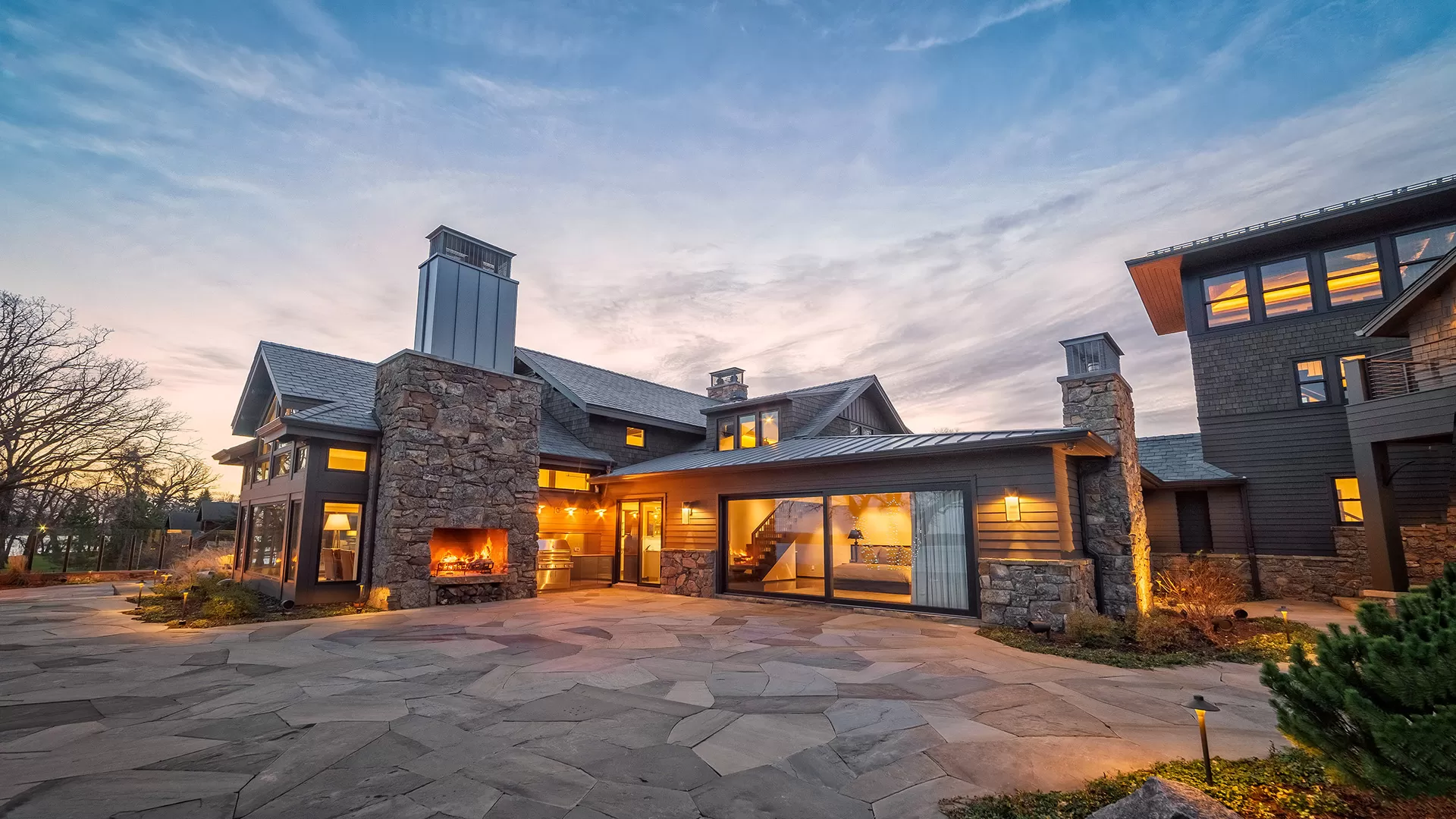
Properties with basements in the UK offer versatile living and investment potential. They are most common in London, the South East, and select heritage towns, providing additional space for entertainment, home offices, or storage.
Buying a house with a basement in the UK provides extra living space, potential rental opportunities, and increased property value. Basements can range from simple storage areas to fully finished apartments, often adding 20–50% usable floor space. Locations with older Victorian and Edwardian housing stock, or areas undergoing luxury redevelopment, are the primary markets for basement properties.
Why Invest in Basement Properties?
Basements add tangible value to residential properties in the UK. They expand usable space without altering the building footprint, ideal for home offices, gyms, media rooms, or self-contained apartments. For investors, finished basements can generate additional rental income, especially in high-demand urban areas.
Key Benefits
- Increased square footage without land extension
- Potential for high-end home entertainment or gym space
- Opportunity to create separate rental units
- Enhanced property marketability and resale value
Risks include higher maintenance costs, potential damp or flooding, and compliance with UK building regulations. Due diligence, including surveys and planning approvals, is essential before purchase.
London Prime Districts
London is the UK’s hotspot for basement properties, particularly in prime central boroughs. Kensington, Chelsea, Notting Hill, and Mayfair offer Victorian and Georgian townhouses often extended underground. These basements range from simple storage to luxury “iceberg homes” with multiple floors of living space below street level.
Market Characteristics
- High property values and low supply increase competition
- Basements often fully renovated to luxury standards
- Strong international investor interest
- Planning regulations are strict, requiring structural approval
| District | Average Property Price | Basement Type |
|---|---|---|
| Kensington & Chelsea | £3.5–£15M | Multi-level luxury basements |
| Notting Hill | £2–£8M | Converted storage & entertainment spaces |
| Mayfair | £5–£20M | Iceberg basements with multiple amenities |
South East Heritage Towns
Outside London, heritage towns in the South East of England—such as Guildford, Bath, and Oxford—offer basement properties in Georgian and Victorian houses. These basements are typically smaller than London’s multi-floor developments but still add significant living or rental space.
Why These Locations Are Popular
- Preserved historic architecture provides character and charm
- Proximity to London ensures strong commuter demand
- Basements can often be converted into home offices or self-contained flats
- High demand for family homes with extra space
Investors in these towns benefit from moderate purchase prices compared to London, combined with long-term capital growth potential and attractive rental yields for basement extensions.
Northern England Cities
Basement properties are less common in Northern England, but cities like Manchester, Liverpool, and Leeds offer Victorian terraced homes with basements suitable for living space or rental conversion. Urban regeneration projects often include modernised basement spaces in historic properties.
Characteristics of Northern Basements
- Typically smaller than London or South East basements
- Suitable for rental conversion or storage
- Lower property prices make them attractive for first-time buyers or investors
- Require careful inspection for damp and structural integrity
These basements provide opportunities for affordable expansion, particularly in areas where demand for city-centre living is increasing.
Scotland and Edinburgh
Edinburgh and other Scottish cities have a significant number of basement properties within Georgian and Victorian buildings. Basements are often used as supplementary apartments, offices, or entertainment spaces, particularly in New Town and West End districts.
Investment Considerations in Edinburgh
- High demand for student or professional rentals
- Planning permissions are required for structural changes
- Basements can offer long-term capital growth in historic districts
- Damp-proofing and ventilation improvements may be necessary
Buyers should focus on the potential for self-contained basement flats or enhanced living space, which can significantly increase overall property value.
Key Points When Buying a Basement Property
Purchasing a house with a basement requires careful consideration of both the property’s potential and the risks involved. Understanding structural requirements, legal obligations, and market demand is essential for a sound investment.
Essential Considerations
- Check for planning permissions and building regulations compliance
- Assess flood risk and damp-proofing measures
- Consider ventilation and natural light solutions
- Evaluate potential for rental income if creating a separate unit
- Factor in renovation and maintenance costs
Proper due diligence, professional surveys, and consultation with planning authorities are crucial to avoid costly mistakes and ensure the basement adds long-term value.
Frequently Asked Questions
What is Considered a Basement P+roperty in the UK?
A basement property in the UK is any dwelling with a floor level below ground, ranging from storage areas to fully finished apartments or additional living space.
Are Basement Properties a Good Investment?
Yes, when properly renovated and maintained, basements add significant living space and can offer rental opportunities, particularly in high-demand urban areas.
Which Areas in the UK have the Most Basement Properties?
London’s prime central boroughs, South East heritage towns, and historic cities like Edinburgh and Manchester have the highest concentration of basement properties.
What are the Main Risks of Buying a Basement Property?
Key risks include damp, flooding, poor ventilation, structural issues, and compliance with building regulations. Professional surveys are essential.
Key Takeaways
- Additional Living Space: Basements can increase property size by 20–50%, adding functional areas like gyms, offices, or rental units.
- Prime Locations Matter: London, South East towns, and historic cities offer the highest-quality basement properties.
- Investment Potential: Properly finished basements can enhance capital growth and rental income, especially in high-demand urban areas.
- Due Diligence Required: Surveys, planning approvals, and damp/flood assessments are critical before purchasing.
References
- HM Land Registry – UK House Price Data
- Royal Institution of Chartered Surveyors – Basement Property Guidance
- Historic England – Georgian & Victorian Housing Data
- Zoopla Property Listings – Basement Property Insights