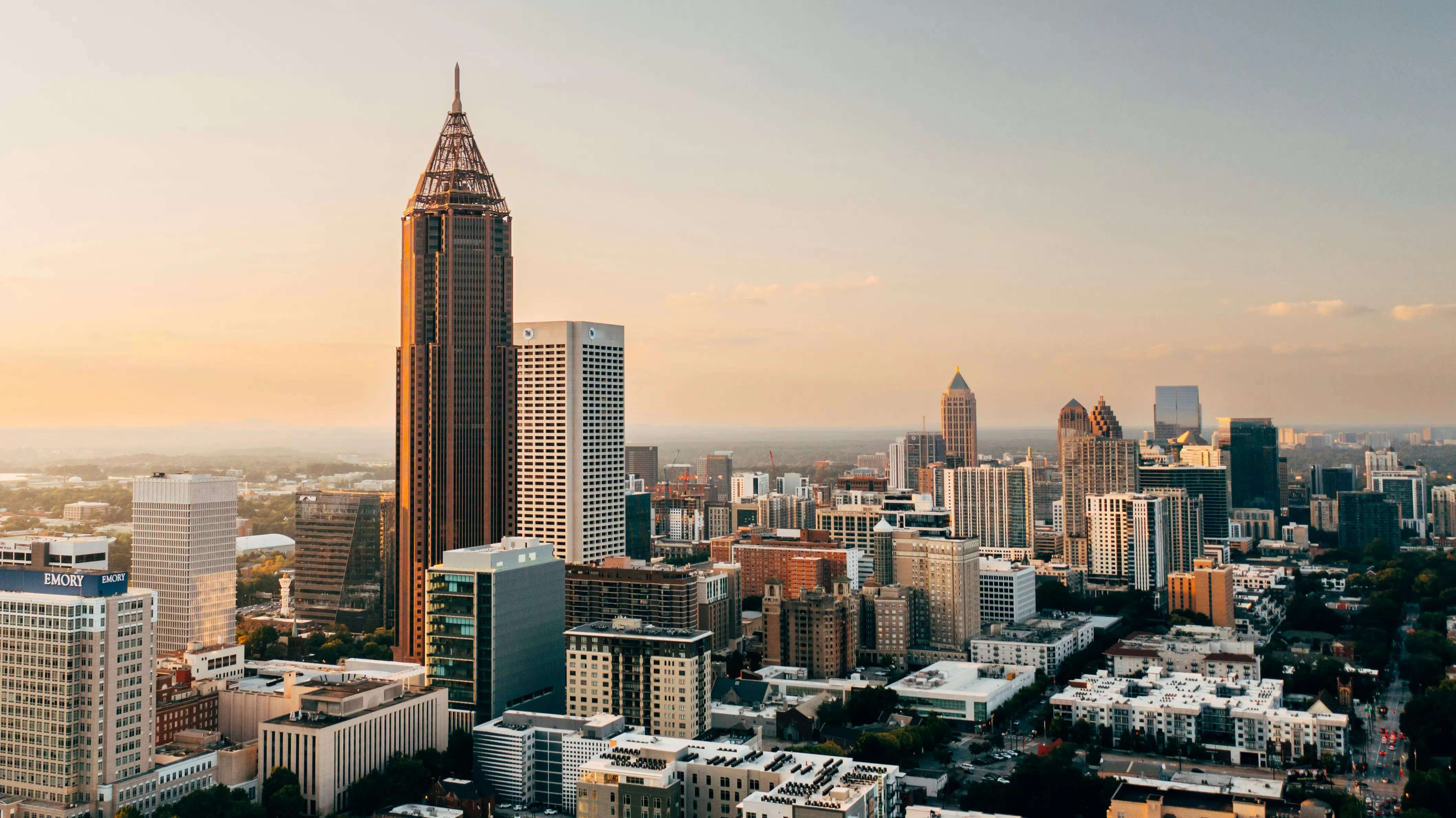
Several neighbourhoods in Atlanta demonstrate strong home price appreciation due to population growth, job expansion, infrastructure investment, and housing demand. Areas such as West Midtown, East Atlanta Village, and Summerhill are frequently identified by analysts and real estate professionals as locations where property values may continue rising because of redevelopment activity, proximity to employment centres, and increasing buyer demand. For buyers and investors seeking long-term value rather than short-term speculation, understanding which neighbourhoods combine economic growth, livability, and limited housing supply is critical before purchasing property in Atlanta.
Why Atlanta Real Estate Shows Strong Appreciation Potential
Atlanta consistently attracts homebuyers and investors because it combines population growth, employment opportunities, infrastructure expansion, and relatively affordable housing compared with many major U.S. cities. These structural factors create conditions where certain neighbourhoods experience sustained property value increases over time.
The metropolitan area serves as a major economic hub in the southeastern United States. Large corporations, logistics networks, film production studios, technology companies, and healthcare institutions continue expanding in the region. Job growth increases housing demand, which in turn supports home price appreciation.
Migration patterns also play a role. Atlanta has seen strong in-migration from higher-cost states where buyers sell property and relocate for affordability and lifestyle advantages. This inflow often increases competition for homes in desirable neighbourhoods.
Infrastructure investments also influence appreciation. Transit expansions, highway improvements, and large mixed-use developments frequently reshape entire districts. When public and private capital converge in the same area, property values typically follow.
However, appreciation does not occur uniformly across the city. Some neighbourhoods experience stagnation while others undergo rapid transformation. Buyers who want to capture long-term growth must evaluate multiple indicators rather than relying solely on current home prices.
Common drivers behind neighbourhood appreciation in Atlanta include:
- Proximity to employment centers and universities
- Transit accessibility and walkability improvements
- Large mixed-use redevelopment projects
- Population inflow and housing supply constraints
- Growth in local retail, restaurants, and cultural amenities
- Historic housing stock that attracts renovation investment
Neighbourhoods that combine several of these factors tend to demonstrate stronger long-term property value performance.
How to Identify Neighborhoods with Rising Property Values
Identifying neighbourhoods with high appreciation potential requires more than reviewing recent price trends. Experienced investors and real estate analysts examine economic signals, development pipelines, and demographic changes to determine where long-term growth is most likely.
One of the most reliable indicators is redevelopment activity. When former industrial areas or underused land begin attracting mixed-use developments, housing demand often follows. Retail, restaurants, offices, and residential projects create a self-reinforcing cycle of neighbourhood improvement.
Transportation infrastructure also influences appreciation. Properties located near major highways, rail stations, or urban trail systems typically see stronger demand because buyers prioritise commute efficiency and mobility.
Another factor is supply constraints. Historic districts or established neighbourhoods with limited available land often experience price increases when demand rises because new housing construction remains limited.
Local amenities also matter. Walkable streets, parks, nightlife districts, and cultural attractions attract younger professionals and long-term residents alike. As these amenities expand, housing demand tends to increase.
When researching appreciation potential in Atlanta, buyers often evaluate the following criteria:
- New commercial or residential development permits
- Transit-oriented development around rail stations
- Population growth within surrounding census tracts
- Expansion of retail, restaurants, and entertainment venues
- Public investment in parks, trails, or civic infrastructure
- Renovation activity among older housing stock
Neighbourhoods showing multiple indicators simultaneously often represent stronger long-term investment opportunities.
West Midtown: Industrial Transformation Driving Property Growth
West Midtown has transformed from an industrial warehouse district into one of Atlanta’s most rapidly evolving residential and commercial neighbourhoods. Its proximity to downtown, Midtown, and Georgia Tech makes it particularly attractive to professionals working in technology, education, and creative industries.
The area’s revitalisation began when older industrial buildings were repurposed into lofts, offices, and restaurants. Over time, developers expanded this transformation with large mixed-use projects that combine housing, retail, entertainment, and office space.
Adaptive reuse projects helped preserve the neighbourhood’s architectural character while creating a distinctive urban environment that attracts buyers seeking walkability and lifestyle amenities.
Several factors contribute to West Midtown’s appreciation potential:
- proximity to Georgia Tech and major employment centres
- High concentration of restaurants, design showrooms, and creative businesses
- Adaptive reuse of historic warehouses into residential lofts
- Mixed-use developments introducing new residential supply
- Improving walkability and bike connectivity
Large redevelopment projects continue to reshape the area. As new residential towers, offices, and retail corridors open, housing demand remains strong among young professionals and investors.
Buyers considering West Midtown often evaluate both renovated lofts and newer condominium developments. Single-family homes remain limited in supply, which can contribute to price growth when demand rises.
However, prospective buyers should also consider factors such as increasing density, construction activity, and parking constraints when evaluating properties in the area.
For investors focused on long-term appreciation rather than immediate rental yield, West Midtown represents one of Atlanta’s most dynamic redevelopment zones.
East Atlanta Village: Cultural Hub with Increasing Housing Demand
East Atlanta Village has evolved from a quiet residential district into one of the city’s most recognisable cultural neighbourhoods. Known for its music venues, independent restaurants, and creative businesses, the area attracts buyers seeking a walkable environment with a strong community identity.
Historically, East Atlanta experienced periods of disinvestment during the late twentieth century. However, revitalisation efforts began in the early 2000s as small businesses and local entrepreneurs reinvigorated the commercial district.
Today, the neighbourhood combines renovated historic homes with newer construction properties, creating housing options for both homeowners and investors.
Several characteristics support the area’s appreciation potential:
- Strong neighborhood identity and community engagement
- Walkable commercial district with restaurants and nightlife
- Historic homes attractive to renovation investors
- proximity to downtown Atlanta employment centres
- Continued population growth among young professionals
Because East Atlanta Village already enjoys strong demand, appreciation may occur through gradual price increases rather than sudden spikes. Buyers who prioritise neighbourhood culture, livability, and long-term stability often consider this area particularly attractive.
However, limited housing inventory can also create competitive buying conditions. Renovated bungalows and craftsman-style homes frequently attract multiple offers, especially during peak buying seasons.
For investors seeking rental properties, the neighbourhood’s popularity among young professionals and creatives supports stable tenant demand.
Summerhill: Stadium District Redevelopment Fueling Property Demand
Summerhill is one of Atlanta’s most closely watched redevelopment neighbourhoods. Located just south of downtown, the area has undergone a major transformation following the redevelopment of the former Turner Field stadium site.
The conversion of the stadium into a university campus and mixed-use district sparked renewed investment across the surrounding community. Retail corridors, restaurants, apartments, and public spaces have significantly changed the neighbourhood’s economic outlook.
Historically one of Atlanta’s oldest residential districts, Summerhill contains a mix of traditional homes, newer townhouses, and redevelopment parcels. This combination of historic housing and new development has drawn increasing attention from buyers and investors.
Key factors driving appreciation potential in Summerhill include:
- Large-scale redevelopment of the former stadium district
- Proximity to downtown Atlanta and major highways
- New retail corridors and neighborhood amenities
- Growing interest from developers and investors
- Improved infrastructure and public spaces
As redevelopment continues, property values may rise as additional amenities and housing options enter the market. Buyers who purchase earlier in a neighbourhood’s revitalisation cycle sometimes benefit from long-term appreciation as infrastructure and services expand.
However, potential buyers should carefully review zoning changes, construction timelines, and neighbourhood planning initiatives before purchasing property in rapidly evolving areas.
Old Fourth Ward: BeltLine Growth and Historic Revival
Old Fourth Ward has experienced one of the most visible real estate transformations in Atlanta. Located just east of downtown, the neighbourhood combines historic housing, major redevelopment projects, and direct access to the Atlanta BeltLine — a multi-use trail and redevelopment corridor that has significantly increased property demand across nearby districts.
The BeltLine functions as both a transportation corridor and a catalyst for economic activity. Restaurants, retail spaces, parks, and residential developments have emerged along the trail system, drawing residents who prioritise walkability and urban lifestyle amenities.
Old Fourth Ward already contains several large public and private investments that support continued property demand.
Examples of factors supporting appreciation include:
- Direct access to the Atlanta BeltLine Eastside Trail
- Proximity to downtown employment districts
- Historic housing stock attracting renovation investment
- Large mixed-use developments including offices, apartments, and retail
- Public investment in parks, streetscapes, and urban infrastructure
The neighbourhood also benefits from Ponce City Market and surrounding redevelopment areas that attract both residents and tourists. This concentration of activity has increased housing demand among professionals who want urban amenities within walking distance.
Although prices have already increased significantly in Old Fourth Ward, continued infrastructure improvements and limited housing supply still support long-term appreciation potential.
Reynoldstown: Transit Access and Consistent Housing Demand
Reynoldstown is a historic Atlanta neighbourhood located east of downtown and adjacent to the BeltLine corridor. Over the past two decades, it has gradually transformed from a quiet residential area into a desirable location for buyers seeking urban access without living in high-density downtown districts.
The neighbourhood’s proximity to MARTA rail stations and the BeltLine trail network significantly increases its attractiveness for commuters. Buyers who prioritise car-optional lifestyles often consider Reynoldstown because of its transportation accessibility.
Another important factor supporting appreciation is the limited availability of undeveloped land. Most housing construction involves renovation of historic homes or replacement with modern infill housing rather than large-scale suburban-style development.
Key appreciation drivers in Reynoldstown include:
- Immediate access to BeltLine walking and cycling trails
- Nearby MARTA rail connectivity
- Renovated historic homes and modern infill construction
- Walkable restaurants, breweries, and local businesses
- Strong demand from young professionals and remote workers
Because of these characteristics, Reynoldstown has demonstrated steady price growth rather than speculative spikes. Investors who prefer stable long-term appreciation often consider this type of neighbourhood particularly attractive.
Kirkwood: Established Community with Steady Appreciation
Kirkwood represents a different type of appreciation opportunity compared with rapidly redeveloping districts. Rather than being driven primarily by large construction projects, Kirkwood’s value growth stems from strong neighbourhood identity, historic housing stock, and consistent demand among families and long-term residents.
Located east of downtown Atlanta, Kirkwood features tree-lined streets, early twentieth-century homes, and a growing commercial district centred around local restaurants and shops. Buyers seeking traditional single-family homes often view Kirkwood as an attractive alternative to denser urban neighbourhoods.
The area’s appreciation potential is supported by several structural characteristics.
- Well-preserved historic architecture including craftsman homes
- Walkable neighborhood commercial district
- Established schools and community organizations
- Proximity to employment centers and highways
- Limited housing supply compared with demand
Because Kirkwood is already an established residential community, appreciation tends to occur through gradual price increases driven by housing scarcity and neighbourhood desirability.
This type of appreciation can appeal to buyers who prefer long-term stability rather than speculative redevelopment cycles.
Key Factors That Influence Home Appreciation in Atlanta
Home price appreciation rarely occurs due to a single factor. Instead, multiple economic and infrastructure trends interact to influence neighbourhood housing demand. Buyers evaluating Atlanta real estate should consider these broader market forces before purchasing property.
Employment growth remains one of the strongest drivers. Atlanta hosts major employers in logistics, media production, technology, finance, and healthcare. As companies expand hiring, new residents move to the region and increase demand for housing.
Infrastructure investment also plays a critical role. Projects such as the Atlanta BeltLine, transit expansions, and roadway improvements often increase accessibility and desirability of nearby neighbourhoods.
Housing supply constraints can further increase appreciation. When demand rises but new construction remains limited due to zoning or land scarcity, property prices often increase more rapidly.
Local amenities influence buyer demand as well. Parks, restaurants, entertainment venues, and walkable streets frequently attract residents who prioritise lifestyle convenience.
Key indicators buyers commonly analyse include:
- Job growth in nearby employment districts
- Population migration patterns
- Transit and infrastructure expansion plans
- New commercial and residential development permits
- Housing inventory levels within the neighborhood
- Local government redevelopment initiatives
When several of these indicators appear simultaneously, the probability of long-term appreciation tends to increase.
Buyer Strategies for Purchasing in High-Growth Neighborhoods
Buying property in a neighbourhood with appreciation potential requires careful research and disciplined decision-making. Buyers who rely solely on recent price increases risk purchasing after most of the growth has already occurred.
One effective strategy is identifying areas at the early stages of redevelopment. When infrastructure improvements and commercial investments begin entering a district, housing demand often follows in the following years.
Another approach involves targeting neighbourhoods adjacent to already popular areas. As prices rise in established districts, buyers frequently expand their search to nearby communities with lower entry costs.
Practical strategies buyers often use include:
- Reviewing municipal redevelopment and zoning plans
- Monitoring building permits and development announcements
- Evaluating proximity to transit and employment hubs
- Comparing price trends between neighboring districts
- Assessing rental demand and tenant demographics
These strategies help buyers make decisions based on long-term urban development patterns rather than short-term market hype.
Common Mistakes Buyers Make When Targeting Appreciation
Purchasing property based on appreciation potential can be profitable, but several common mistakes reduce the likelihood of success.
One frequent error is relying solely on recent price increases. Rapid short-term growth does not always continue, particularly if the increase was driven by temporary market conditions rather than structural neighbourhood improvements.
Another mistake is ignoring infrastructure timelines. Large redevelopment projects can take years to complete, meaning appreciation may occur more slowly than buyers initially expect.
Some buyers also underestimate renovation costs when purchasing older homes in historic districts. While these properties can appreciate significantly after renovation, unexpected structural repairs can increase total investment costs.
Other common errors include:
- Failing to review zoning regulations or development restrictions
- Ignoring property tax increases associated with rising home values
- Overestimating rental income in newly redeveloping neighbourhoods
- Purchasing solely based on speculative future developments
Careful due diligence and realistic financial planning help reduce these risks and support long-term investment success.
Emerging Atlanta Neighborhoods Buyers Are Watching
Beyond established areas such as West Midtown or Old Fourth Ward, several emerging neighbourhoods in Atlanta are drawing attention from investors and homebuyers seeking earlier-stage appreciation opportunities. These areas typically combine lower entry prices with signs of economic or infrastructure growth that may influence future housing demand.
Emerging neighbourhoods often sit adjacent to already popular districts. As home prices rise in well-known areas, buyers frequently expand their search radius to nearby communities where property values remain lower, but accessibility and amenities are similar.
In Atlanta, districts located along BeltLine expansion corridors and near redevelopment zones often receive early investor interest. When new retail centres, residential developments, and public infrastructure improvements appear in these areas, property values may gradually increase as demand grows.
Neighbourhoods frequently monitored by analysts for potential long-term appreciation include:
- Capitol View and Capitol View Manor near BeltLine southwest expansion
- Oakland City along major redevelopment corridors
- Peoplestown near large mixed-use redevelopment initiatives
- Adair Park with increasing renovation activity
These neighbourhoods remain in earlier phases of redevelopment compared with central districts. Buyers considering them should carefully evaluate development timelines, zoning plans, and neighbourhood infrastructure improvements before purchasing.
Early-stage markets can provide stronger appreciation potential but may also involve longer waiting periods before property values fully reflect redevelopment progress.
Current Atlanta Housing Market Trends Affecting Appreciation
Atlanta’s housing market reflects broader economic conditions affecting many major U.S. metropolitan areas. Population growth, employment expansion, and relatively affordable housing continue attracting both homebuyers and investors from across the country.
One trend influencing appreciation is migration from higher-cost metropolitan regions. Buyers relocating from coastal markets often bring larger housing budgets, which can increase competition in desirable Atlanta neighbourhoods.
Another trend is the expansion of remote and hybrid work. Many professionals no longer need to live directly within central business districts, increasing demand for neighbourhoods that combine residential space with lifestyle amenities such as parks, restaurants, and walkable streets.
New construction also plays an important role. Atlanta continues to add apartments, townhomes, and mixed-use developments, but supply does not always keep pace with population growth in highly desirable districts.
Several market conditions currently shaping appreciation patterns include:
- Continued population growth across the Atlanta metropolitan region
- Strong demand for walkable neighbourhoods with urban amenities
- Redevelopment of industrial and underutilised urban land
- Expansion of entertainment, film, and technology industries
- Infrastructure investments connected to the BeltLine and transit networks
These factors collectively contribute to the long-term attractiveness of certain neighbourhoods for buyers seeking property value growth.
Who Should Consider Buying in High-Appreciation Neighborhoods
Properties located in neighbourhoods with strong appreciation potential can suit different types of buyers depending on their financial goals and time horizon. Understanding which strategies align with appreciation-focused markets helps buyers make informed purchasing decisions.
Long-term homeowners often benefit from appreciation as rising property values increase home equity over time. Buyers planning to remain in a property for several years may experience the strongest financial gains if neighbourhood development continues.
Real estate investors may also target appreciation markets when purchasing rental properties. Although rental yields may be moderate initially, long-term property value growth can increase total investment returns when the property is eventually sold.
First-time buyers sometimes pursue emerging neighbourhoods because entry prices are lower than in established districts. Purchasing earlier in the redevelopment cycle may allow buyers to build equity as the area improves.
Buyers who may benefit from appreciation-focused neighbourhoods include:
- Homeowners planning to hold property for five years or longer
- Investors seeking long-term equity growth
- Buyers comfortable purchasing in developing areas
- Individuals prioritising location near future infrastructure projects
However, appreciation should not be the only factor influencing a purchase decision. Buyers must also consider affordability, financing terms, property condition, and long-term housing needs.
Frequently Asked Questions
Which Atlanta neighbourhoods have the highest home appreciation potential?
Best neighbourhoods such as West Midtown, Old Fourth Ward, Reynoldstown, East Atlanta Village, and Summerhill often attract attention from analysts due to redevelopment projects, proximity to employment centres, and growing demand for walkable urban environments.
Why do some Atlanta neighbourhoods appreciate faster than others?
Appreciation rates vary based on several factors, including infrastructure investment, job growth, housing supply, transportation access, and local amenities. Neighbourhoods experiencing redevelopment or improved connectivity frequently see stronger demand and rising property values.
Is buying in an emerging neighbourhood a good investment strategy?
Buying in an emerging neighbourhood can offer strong long-term appreciation potential, especially if redevelopment projects and infrastructure improvements are underway. However, these investments may involve longer timelines before property values increase significantly.
How long does it usually take for property values to increase in redeveloping areas?
Property appreciation timelines vary depending on market conditions and development progress. In many cases, significant appreciation occurs gradually over several years as infrastructure projects, new businesses, and housing developments reshape the neighbourhood.
What risks should buyers consider when targeting appreciation?
Buyers should evaluate redevelopment timelines, construction activity, zoning regulations, and property taxes. Rapid development can change neighbourhood density, while delays in major projects may slow expected appreciation.
Key Takeaways
- Neighbourhood selection matters: Areas experiencing redevelopment, improved transit access, and strong employment growth tend to show higher appreciation potential.
- Infrastructure drives demand: Projects such as the Atlanta BeltLine and mixed-use redevelopment districts often increase housing demand in nearby neighbourhoods.
- Historic districts can appreciate steadily: Established communities like Kirkwood and Reynoldstown often see consistent value growth due to limited housing supply.
- Emerging neighbourhoods require patience: Early-stage redevelopment areas may deliver long-term gains but often require several years before significant appreciation occurs.
- Due diligence remains essential: Buyers should research development plans, zoning rules, and market trends before purchasing property in any high-growth neighbourhood.
References
- Atlanta Regional Commission housing and population reports
- City of Atlanta urban redevelopment and planning documents
- Metro Atlanta housing market research publications
- Local real estate market analysis and property transaction data