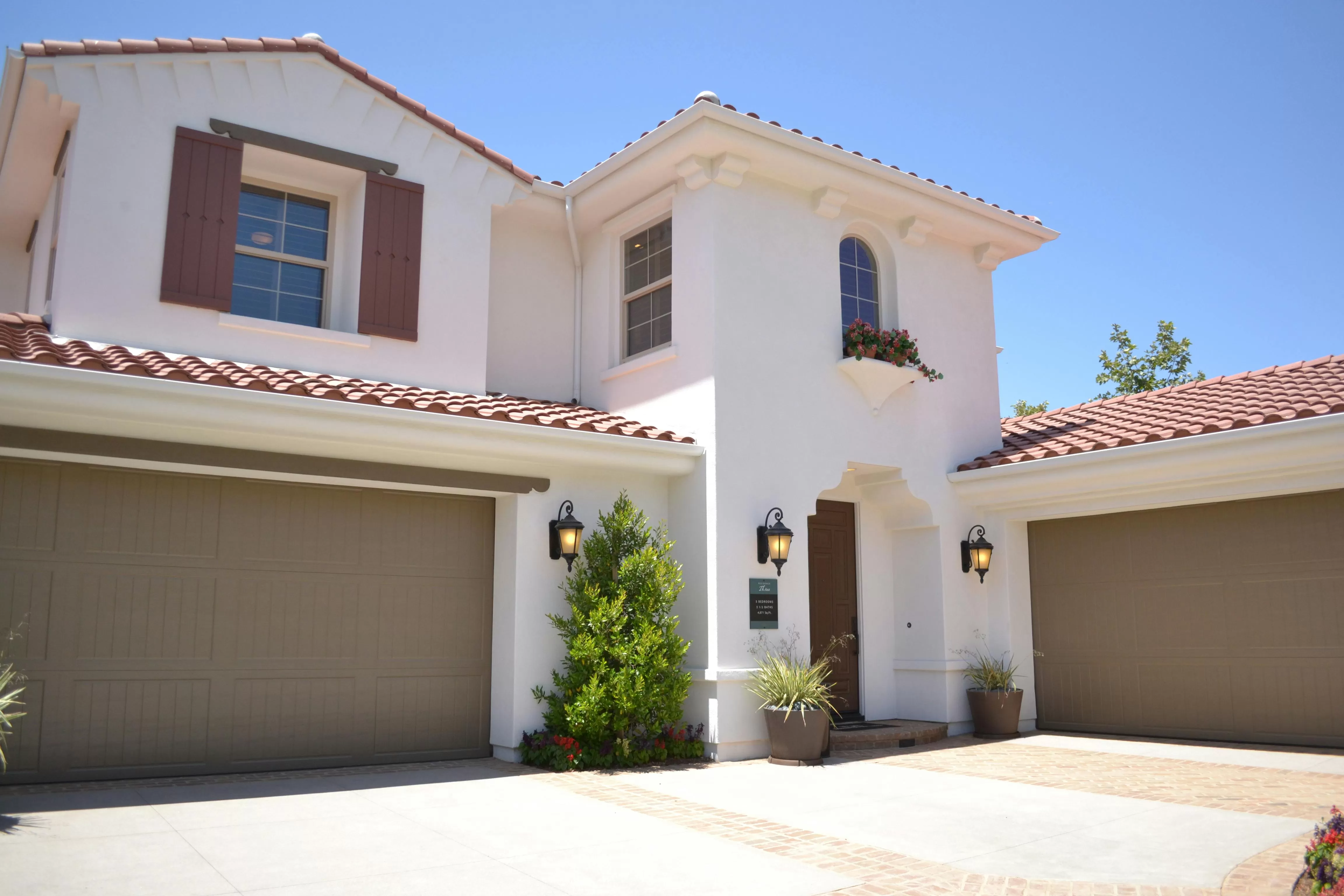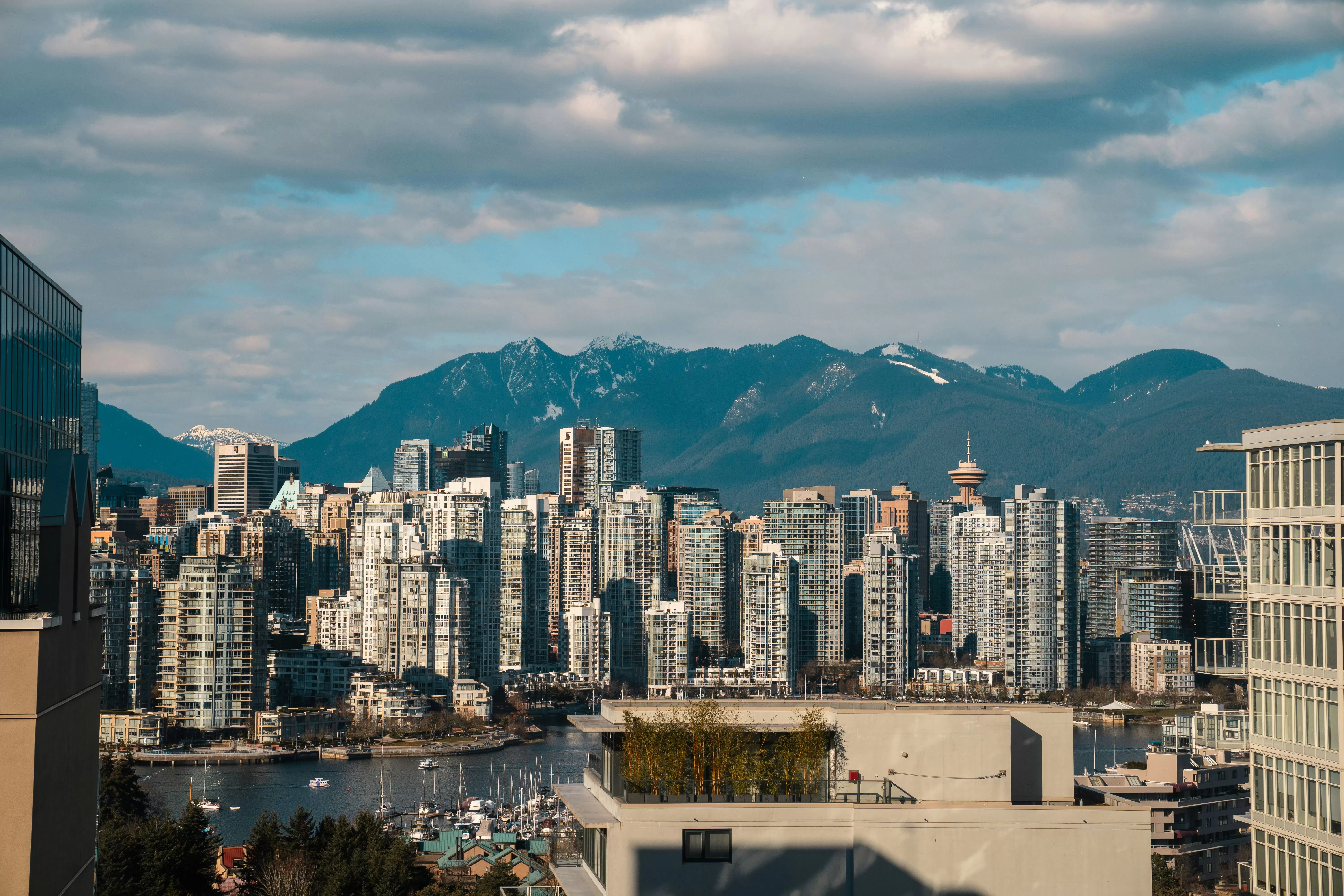
Ready-to-move homes in British Columbia (BC) are fully completed, legally approved properties available for immediate possession, allowing buyers to move in within weeks rather than waiting months or years for construction. These homes provide pricing transparency, physical inspection before purchase, and reduced risk compared to pre-construction properties. In BC’s diverse housing market—ranging from Metro Vancouver to smaller cities like Kelowna and Nanaimo—ready homes include detached houses, townhomes, and condominiums suited to both premium and budget-conscious buyers.
What Are Ready To Move Homes In BC?
A ready-to-move homes in British Columbia is a property that has been fully constructed, passed all required inspections, and received occupancy approval from local authorities. Buyers purchase the exact finished unit, eliminating uncertainty around construction timelines, design changes, or cost fluctuations.
These properties are commonly referred to as “inventory homes” or “spec homes” when built by developers without a pre-committed buyer. They are also available in the resale market when homeowners vacate properties before sale completion, making them immediately available.
Key Features Of Ready To Move Homes In BC
- Immediate Occupancy: Typical possession within 30–60 days
- Fixed Purchase Price: No post-agreement construction cost changes
- Full Property Inspection: Buyers evaluate actual build quality
- Completed Infrastructure: Roads, utilities, and community amenities in place
- Warranty Protection: Coverage under BC’s 2-5-10 Home Warranty program
In BC, ready-to-move inventory varies significantly by region. Urban centers like Vancouver typically have limited supply and higher prices, while interior and suburban regions offer greater availability and relative affordability.
Why Choose Ready To Move Homes In British Columbia?
Buyers in BC choose ready-to-move homes primarily for certainty in pricing, faster possession, and the ability to verify the finished product before purchase. These advantages are particularly important in a market where construction timelines and costs can fluctuate due to regulatory approvals, labor availability, and material pricing.
Ready Homes vs Pre-Construction In BC
| Factor | Ready To Move Homes | Pre-Construction Homes |
|---|---|---|
| Possession Timeline | Immediate (30–60 days) | 6–24+ months |
| Price Stability | Fixed at purchase | Subject to market changes |
| Inspection | Actual property walkthrough | Based on plans or show units |
| Customization | Limited | High flexibility |
| Risk Exposure | Lower | Higher due to delays and changes |
In BC’s regulatory environment, ready homes also reduce exposure to project cancellations or extended delays caused by permitting or environmental compliance requirements. For many buyers, this predictability outweighs the customization benefits of pre-construction.
Who Should Consider Ready To Move Homes?
Ready homes are suitable for a wide range of buyers, particularly those with defined timelines or financial constraints tied to immediate occupancy.
- First-time buyers needing quick move-in options
- Relocating professionals entering BC’s job market
- Investors seeking immediate rental income
- Retirees downsizing without construction delays
Where Can You Find Ready To Move Homes In BC?
Ready-to-move homes in British Columbia are distributed across metropolitan, suburban, and interior regions, with availability shaped by land supply, development cycles, and local demand. Buyers should evaluate location not only for current pricing but also for long-term livability and resale value.
Major Regions With Active Inventory
- Metro Vancouver: Limited inventory, higher price points, primarily condos and townhomes
- Fraser Valley (Surrey, Langley, Abbotsford): Growing supply with a mix of affordability and accessibility
- Vancouver Island (Victoria, Nanaimo): Balanced market with steady demand from retirees and remote workers
- Okanagan Valley (Kelowna, Vernon): Strong demand driven by lifestyle migration and investment interest
- Interior BC (Kamloops, Prince George): More affordable options with increasing development activity
How Location Affects Availability And Pricing
Urban centers in BC typically face land constraints and zoning restrictions, limiting the number of ready-to-move homes available at any given time. In contrast, suburban and interior markets often have phased developments where builders release completed inventory homes regularly.
Access to transportation, schools, healthcare, and employment hubs significantly influences both demand and pricing. Buyers prioritizing affordability may find better opportunities outside core metropolitan areas while still benefiting from ready-to-move convenience.
What Do Ready To Move Homes Cost In BC?
Ready-to-move home prices in British Columbia vary widely depending on region, property type, and proximity to major economic centers. Metro Vancouver commands the highest prices, while interior regions offer comparatively affordable entry points for buyers.
| Region / Property Type | Typical Price Range (CAD) | Market Profile |
|---|---|---|
| Metro Vancouver Condos | $500,000 – $900,000+ | High demand, limited inventory |
| Townhomes (Fraser Valley) | $600,000 – $900,000 | Growing suburban demand |
| Detached Homes (Suburban BC) | $900,000 – $1.5M+ | Family-oriented communities |
| Interior BC Homes | $400,000 – $800,000 | More affordable, expanding markets |
Pricing also reflects factors such as lot size, proximity to transit, views, and included upgrades. In ready homes, these features are already priced into the listing, providing clarity on total investment.
Additional Costs To Consider In BC
- Property Transfer Tax (PTT): A significant upfront cost based on purchase price
- Closing costs: Legal fees, title registration, and adjustments
- GST: Applicable on new construction homes
- Strata fees: For condos and townhomes
- Insurance and utilities: Required before possession
Buyers should request a detailed cost breakdown early in the process to avoid unexpected financial obligations at closing.
What Is The Buying Process In British Columbia?
The process of purchasing a ready-to-move home in BC is structured but faster than pre-construction transactions. Since the property is complete, buyers can move from offer to possession within a relatively short timeframe.
Step-By-Step Buying Timeline
| Step | Action | Typical Timeline |
|---|---|---|
| 1 | Search and shortlist properties | 1–2 weeks |
| 2 | Schedule viewings and inspections | 3–7 days |
| 3 | Submit offer and negotiate terms | 1–5 days |
| 4 | Secure financing and remove conditions | 7–14 days |
| 5 | Closing and possession | 30–60 days |
A final walkthrough is typically conducted before completion to confirm the property condition. Any agreed repairs or adjustments should be documented and resolved before funds are released.
Key Documents Required
- Government-issued identification
- Mortgage pre-approval confirmation
- Contract of Purchase and Sale
- Property Disclosure Statement
- Strata documents (if applicable)
Working with a licensed real estate professional and legal advisor ensures compliance with BC-specific regulations and helps interpret contractual obligations accurately.
Legal And Financial Considerations In BC
Real estate transactions in British Columbia are governed by provincial regulations that affect taxes, ownership transfer, and buyer protections. Understanding these elements is essential for a compliant and secure purchase.
Key Legal Considerations
- Property Transfer Tax (PTT): Calculated based on purchase price tiers
- Title registration: Managed through the BC Land Title Office
- Home warranty: 2-5-10 coverage for new homes
- Foreign buyer regulations: Additional taxes may apply in certain regions
Financing Factors
Lenders in BC assess ready homes as completed assets, simplifying appraisal and mortgage approval processes. Buyers benefit from clearer valuation benchmarks based on comparable sales.
- Minimum down payment starts at 5% (subject to lending rules)
- Mortgage stress testing applies under federal guidelines
- Interest rates vary based on credit profile and lender terms
- Pre-approval strengthens negotiating leverage
Buyers should also evaluate total debt servicing ratios to ensure affordability within lender requirements.
Common Mistakes Buyers Should Avoid In BC
Even in a transparent ready-home purchase, buyers in BC can encounter risks if due diligence is incomplete. Market competition and limited inventory can lead to rushed decisions.
Frequent Buyer Mistakes
- Skipping inspection: New homes can still have construction defects
- Ignoring strata rules: Important for condos and townhomes
- Underestimating taxes: PTT and GST significantly impact total cost
- Not reviewing neighborhood plans: Future developments can affect value
- Overextending budget: Ignoring long-term affordability
A disciplined evaluation process—combining financial analysis, legal review, and property inspection—reduces risk and supports informed decision-making.
Are Ready To Move Homes In BC A Good Investment?
Ready-to-move homes in British Columbia can be a viable investment when assessed against rental demand, location fundamentals, and entry pricing. Their primary advantage is immediate usability, allowing investors to generate rental income without construction delays.
BC’s housing demand is supported by population growth, immigration, and limited land availability in key regions. This creates long-term pressure on housing supply, particularly in Metro Vancouver and surrounding areas.
Investment Strengths
- Immediate rental potential: Properties can be leased shortly after closing
- Lower development risk: No uncertainty around project completion
- Market-based valuation: Pricing aligned with comparable sales
- Appeal to tenants: Modern layouts and energy-efficient features
Investment Considerations
- High entry cost: Especially in major urban markets
- Regulatory factors: Rental restrictions and local bylaws may apply
- Market cycles: Short-term price fluctuations can impact returns
Investors should analyze rental yields, vacancy rates, and municipal policies before purchasing, particularly in strata properties where rental restrictions may influence income potential.
What Should You Check Before Buying In BC?
A thorough inspection is essential when purchasing a ready-to-move home in BC, even if the property is newly built. Identifying issues early allows buyers to request repairs or negotiate terms before closing.
Pre-Purchase Inspection Checklist
| Category | What To Evaluate |
|---|---|
| Structure | Foundation integrity, roof condition, wall alignment |
| Interior | Flooring, cabinetry, paint quality, fixtures |
| Electrical | Wiring, outlets, breaker panel labeling |
| Plumbing | Water pressure, leaks, drainage systems |
| HVAC | Heating efficiency, ventilation, thermostat function |
| Exterior | Drainage, siding, driveway, landscaping completion |
Buyers should also review warranty documentation to understand coverage periods and claim procedures under the 2-5-10 home warranty program in British Columbia.
Frequently Asked Questions
Are Ready To Move Homes In BC More Expensive?
Ready-to-move homes often have higher upfront costs compared to pre-construction units, but they provide price certainty and eliminate the risk of construction-related increases.
How Fast Can I Move Into A Ready Home In BC?
Most transactions close within 30 to 60 days, depending on financing and legal processing timelines.
Do New Homes In BC Include Warranty Coverage?
Yes, new homes are typically covered under the 2-5-10 warranty program, which protects against defects in materials, systems, and structural components.
Can Prices Be Negotiated On Ready Homes?
Negotiation is possible, particularly for inventory homes that have remained unsold. Builders may offer incentives or pricing adjustments.
Is A Home Inspection Necessary For New Construction?
Yes, inspections are recommended even for new homes to identify defects or incomplete work before finalizing the purchase.
Key Takeaways
- Immediate Possession: Ready-to-move homes allow occupancy within weeks, not months.
- Price Transparency: Buyers know the full cost upfront without construction uncertainty.
- Inspection Advantage: Physical walkthrough ensures clarity on quality and condition.
- Investment Potential: Suitable for generating rental income quickly.
- Due Diligence Required: Legal review, inspections, and financial planning remain critical.
References
- BC Housing – Home Warranty Insurance (2-5-10 Program)
- Real Estate Council of British Columbia (RECBC)
- BC Land Title and Survey Authority
- Canada Mortgage and Housing Corporation (CMHC)