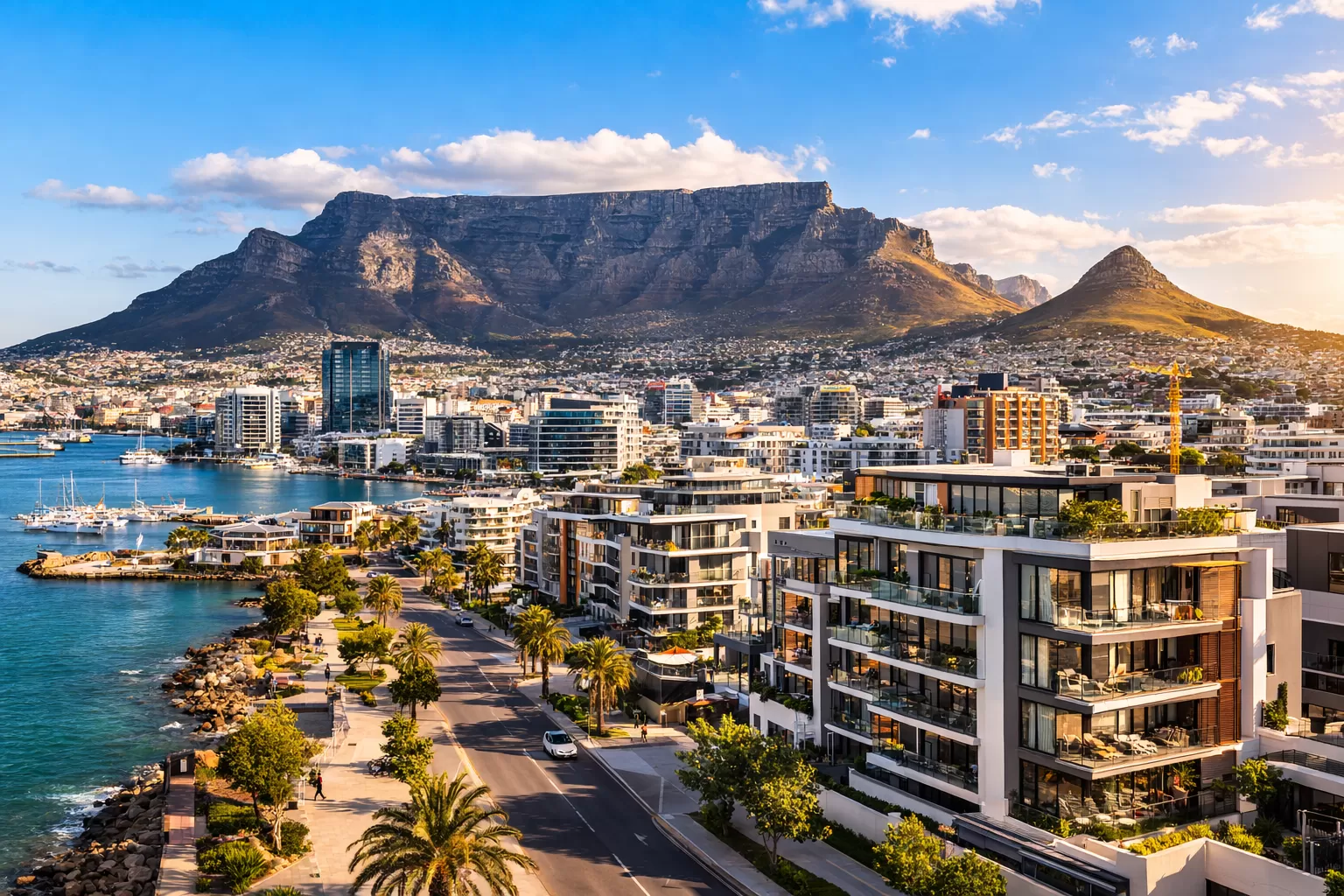
The best up-and-coming areas in Cape Town for buyers and property investors include Woodstock, Observatory, Parklands, Table View, and Milnerton. These neighborhoods are attracting increasing interest because of their relative affordability compared with central Cape Town, strong rental demand from students and professionals, expanding infrastructure, and proximity to employment hubs. Buyers and investors often monitor these emerging locations because they combine accessible property prices with improving amenities, transport connectivity, and long-term urban development potential.
Why Emerging Areas In Cape Town Matter For Buyers And Investors
Emerging areas in Cape Town attract buyers and investors because they often offer lower property prices than established suburbs while benefiting from urban regeneration, population growth, and infrastructure development. These conditions can support both rental income and long-term capital appreciation.
Cape Town’s housing market has experienced consistent demand due to population growth, internal migration within South Africa, and international buyer interest. When property prices in prime areas such as the Atlantic Seaboard, City Bowl, and Southern Suburbs become less accessible, buyers and investors frequently turn to nearby neighborhoods that still offer development potential.
Many emerging areas begin as affordable residential districts with strong transport connections to the city center. As businesses, restaurants, and community amenities expand, these neighborhoods gradually become attractive to young professionals, students, and families.
| Growth Indicator | Why It Matters | Impact On Property Demand |
|---|---|---|
| Urban Regeneration | Older districts receive redevelopment and new housing | Improves neighborhood desirability |
| Transport Connectivity | Access to major roads, bus routes, and rail | Makes commuting easier for residents |
| Rental Demand | Students and professionals seek affordable housing | Supports stable rental income |
| Infrastructure Investment | Retail, schools, and services expand | Encourages long-term population growth |
Investors frequently target these neighborhoods early in their development cycle. As amenities improve and housing demand increases, property values and rental income may gradually strengthen.
However, identifying the right location requires careful research. Not all developing areas experience sustained growth. Investors typically evaluate infrastructure plans, employment access, population trends, and local development projects before purchasing property.
How To Identify Up-And-Coming Property Areas In Cape Town
Up-and-coming property areas in Cape Town are typically identified through measurable indicators such as urban redevelopment projects, increasing rental demand, improving infrastructure, and rising population density. Buyers and investors use these signals to determine whether a suburb is transitioning from a lower-priced area into a growing residential community.
Understanding these indicators allows property researchers to evaluate opportunities before prices increase significantly.
Urban Redevelopment And Regeneration
Urban regeneration plays a major role in Cape Town’s property market. Older industrial or underdeveloped neighborhoods are often revitalized through new residential developments, mixed-use buildings, and commercial activity.
Examples of redevelopment signals include:
- Conversion of warehouses into residential apartments
- Development of mixed-use buildings combining retail and housing
- Expansion of restaurants, cafés, and creative workspaces
- Public space improvements such as parks and pedestrian areas
These changes can significantly alter how a neighborhood is perceived and may increase housing demand among younger residents and professionals.
Rental Demand And Tenant Demographics
Rental demand is a key indicator for property investors. Suburbs located near universities, business districts, and transport routes often experience consistent tenant demand.
| Metric | Meaning | Why Investors Monitor It |
|---|---|---|
| Rental Yield | Annual rental income relative to property price | Measures investment income potential |
| Vacancy Rate | Percentage of rental properties currently empty | Indicates tenant demand |
| Rental Growth | Increase in average rents over time | Shows strengthening housing demand |
Areas with strong tenant demand often include students, young professionals, and workers commuting to central Cape Town.
Infrastructure And Accessibility
Infrastructure development also influences whether a suburb becomes a desirable residential area. Access to reliable transport routes, retail centers, and schools can significantly increase property demand.
Buyers often evaluate whether a suburb offers:
- Convenient access to the Cape Town CBD
- Reliable public transport options such as MyCiTi bus routes
- Nearby shopping centers and healthcare facilities
- Schools and universities within commuting distance
Suburbs with these characteristics are more likely to attract long-term residents, which supports property market stability.
Top Up-And-Coming Areas In Cape Town For Property Investment
Several neighborhoods across Cape Town are gaining attention from property buyers and investors due to redevelopment activity, relative affordability, and improving infrastructure. These suburbs are frequently discussed in market reports as potential growth areas within the city’s evolving housing landscape.
Woodstock
Woodstock is one of Cape Town’s most visible urban regeneration success stories. Located just outside the City Bowl, the suburb has transformed from an industrial district into a creative and residential hub.
Many historic warehouses in Woodstock have been converted into apartments, co-working spaces, and restaurants. This transformation has attracted young professionals and entrepreneurs seeking housing close to the city center.
| Factor | Details |
|---|---|
| Location | Adjacent to Cape Town CBD |
| Property Types | Converted loft apartments and modern developments |
| Investor Appeal | Urban lifestyle and proximity to employment hubs |
Observatory
Observatory is another suburb experiencing consistent demand from students and professionals due to its proximity to the University of Cape Town and major hospitals.
The neighborhood offers a mix of historic homes, apartment buildings, and vibrant nightlife, which contributes to its popularity among younger residents. Investors often examine Observatory because student housing demand tends to remain stable year-round.
Parklands And Table View
Parklands and Table View, located along Cape Town’s western coastline, have become popular residential zones due to their relative affordability and growing infrastructure.
These suburbs attract families and first-time buyers who want access to coastal living while remaining within commuting distance of the CBD. The expansion of the MyCiTi Bus Rapid Transit system has also improved accessibility between these areas and central Cape Town.
More Emerging Areas In Cape Town Worth Considering
In addition to suburbs such as Woodstock, Observatory, Parklands, and Table View, several other areas across Cape Town are attracting growing interest from property buyers and investors. These neighborhoods are gaining attention because of infrastructure expansion, improving amenities, and relatively accessible property prices compared with established coastal and central districts.
Milnerton
Milnerton is located along the western coastline of Cape Town and offers direct views of Table Mountain and convenient access to the city center. The suburb combines residential housing, beachfront properties, and commercial developments.
Milnerton attracts investors due to its strategic location between the Cape Town CBD and the rapidly expanding commercial hub of Century City. Many professionals working in nearby office parks choose to live in Milnerton because it offers shorter commuting times while still providing access to coastal amenities.
| Factor | Details |
|---|---|
| Location | West Coast corridor near Century City |
| Property Types | Apartments, townhouses, and beachfront homes |
| Key Driver | Proximity to business districts and transport routes |
| Investor Appeal | Rental demand from professionals |
Century City
Century City has developed into one of Cape Town’s largest mixed-use districts, combining residential developments with corporate offices, retail centers, and recreational spaces. The presence of Canal Walk Shopping Centre and numerous multinational companies has made Century City a major employment hub.
The area includes modern apartment complexes and secure residential estates, which attract professionals working within the district. Investors often consider Century City because of its stable rental market and proximity to major highways connecting the suburb to the city center and airport.
Salt River
Salt River, located adjacent to Woodstock and Observatory, is experiencing gradual redevelopment as older industrial buildings are converted into residential and creative commercial spaces.
As urban regeneration continues to expand outward from central Cape Town, Salt River is increasingly viewed as a neighborhood with future development potential. Its proximity to the CBD and major universities supports ongoing interest from younger tenants and property investors.
Comparison Of Key Investment Areas In Cape Town
Property investors often compare emerging suburbs based on factors such as affordability, rental demand, proximity to employment hubs, and long-term development potential. Understanding these differences can help buyers identify areas that align with their investment strategy.
| Area | Primary Property Types | Key Growth Driver | Typical Buyer Profile |
|---|---|---|---|
| Woodstock | Loft apartments and redeveloped industrial buildings | Urban regeneration near CBD | Young professionals and investors |
| Observatory | Historic homes and student housing | Proximity to universities and hospitals | Student housing investors |
| Parklands | Affordable houses and townhouses | Rapid residential expansion | First-time buyers and families |
| Milnerton | Apartments and coastal homes | Access to Century City employment hub | Professionals and long-term investors |
| Century City | Modern apartments and secure estates | Corporate offices and commercial centers | Income-focused investors |
Each suburb offers distinct advantages depending on whether a buyer prioritizes rental yield, lifestyle benefits, or long-term capital growth potential.
Financial Considerations For Property Buyers And Investors
Property buyers in Cape Town must consider several financial factors before purchasing real estate. These costs influence affordability, mortgage requirements, and long-term investment returns.
Typical Property Purchase Costs In South Africa
| Cost Type | Description |
|---|---|
| Transfer Duty | Government tax payable on property purchases above certain thresholds |
| Transfer Fees | Legal costs associated with property transfer |
| Bond Registration Costs | Fees charged when registering a mortgage loan |
| Property Valuation | Assessment conducted by lenders during mortgage approval |
| Municipal Rates | Ongoing local government property taxes |
Understanding these costs helps buyers calculate the full financial commitment associated with property ownership.
Rental Yield And Investment Income
Investors typically evaluate rental yield when considering a property purchase. Rental yield represents the annual rental income generated by a property relative to its purchase price.
Suburbs with strong rental demand—such as those near universities, business districts, or transport corridors—often maintain stable occupancy rates. However, investors should also consider operating expenses such as maintenance, property management fees, and municipal rates when calculating potential returns.
Legal Process For Buying Property In Cape Town
The property purchase process in Cape Town follows established legal procedures governed by South African property law. Understanding these steps helps buyers navigate transactions more effectively.
Property purchases typically begin when the buyer signs an offer to purchase agreement, which becomes legally binding once accepted by the seller.
A conveyancing attorney is responsible for managing the transfer of ownership through the Deeds Office. This process includes verifying property ownership records, settling outstanding municipal charges, and registering the property under the buyer’s name.
If the buyer is using mortgage financing, the lender will conduct property valuation and credit assessments before approving the loan.
Once all legal and financial requirements are completed, the property transfer is registered and ownership officially changes hands.
Common Mistakes Buyers And Investors Make In Emerging Areas
While emerging property areas can present investment opportunities, buyers sometimes make decisions based on incomplete research or unrealistic expectations. Understanding common mistakes helps investors reduce risk.
Overlooking Infrastructure Plans
Some buyers purchase property without reviewing long-term infrastructure plans for the surrounding area. Transport developments, commercial projects, and zoning changes can significantly influence property demand.
Ignoring Local Rental Demand
Investors occasionally focus on property price growth while overlooking tenant demand. Rental performance often depends on proximity to employment hubs, universities, and transport networks.
Underestimating Ownership Costs
Maintenance costs, property management fees, and municipal rates can affect investment profitability. Buyers who calculate only purchase price may underestimate the long-term financial commitment.
Future Outlook For Emerging Property Areas In Cape Town
Cape Town’s emerging property areas are expected to continue evolving as urban regeneration, infrastructure investment, and population growth reshape the city’s housing landscape. Areas located close to the central business district, major universities, and employment corridors are particularly likely to experience sustained demand from both buyers and tenants.
Urban redevelopment projects in neighborhoods such as Woodstock, Salt River, and Observatory illustrate how previously industrial districts can transform into mixed-use residential communities. As these areas gain new housing developments, retail spaces, and cultural amenities, they often attract young professionals and entrepreneurs seeking urban living close to the city center.
Similarly, suburbs along the West Coast corridor—including Table View, Parklands, and Milnerton—continue to expand due to residential construction and improved public transport connections. Infrastructure initiatives such as the MyCiTi Bus Rapid Transit system have improved commuting options between these areas and the Cape Town CBD.
Long-term property demand in Cape Town is influenced by several structural factors:
- Population growth and migration toward coastal cities
- Expansion of mixed-use developments near business hubs
- Growth of tourism and hospitality industries
- Increased demand for rental housing from students and professionals
- Ongoing redevelopment of older urban neighborhoods
While emerging areas can offer opportunities for buyers and investors, market outcomes vary depending on economic conditions, infrastructure delivery, and housing supply levels. Investors typically monitor these trends over time rather than relying on short-term market movements.
How Buyers And Investors Can Evaluate A Growth Area Before Buying
Evaluating a growth suburb requires analyzing multiple factors including infrastructure development, rental demand, local amenities, and long-term urban planning. Buyers who combine these indicators can develop a clearer understanding of whether a neighborhood has sustainable property market potential.
Review Infrastructure And Transport Access
Transport connectivity often determines how attractive a suburb becomes to residents. Areas with reliable public transport routes and convenient road access to the CBD or employment hubs generally maintain stronger housing demand.
In Cape Town, proximity to major transport routes such as the N1 and N2 highways or MyCiTi bus routes can significantly influence property desirability.
Study Population And Housing Trends
Population growth and residential construction provide useful signals about future demand for housing. When new developments appear alongside increasing population density, it often indicates that a suburb is transitioning into a larger residential community.
Assess Rental Market Stability
For investors, a stable rental market is often as important as property price appreciation. Areas with universities, hospitals, or corporate offices nearby tend to maintain consistent tenant demand.
| Evaluation Factor | Why It Matters | Indicators To Review |
|---|---|---|
| Infrastructure | Improves accessibility and convenience | Road networks, bus routes, transport upgrades |
| Population Growth | Signals increasing housing demand | New housing developments and migration trends |
| Rental Demand | Supports investment income | Vacancy rates and tenant demographics |
| Local Amenities | Enhances quality of life | Schools, retail centers, healthcare facilities |
| Urban Planning | Indicates long-term development potential | Municipal development plans and zoning changes |
Combining these factors allows buyers and investors to assess whether a neighborhood’s growth is supported by long-term economic and demographic trends.
Frequently Asked Questions
Which Areas In Cape Town Are Considered Up And Coming For Property Investment?
Several neighborhoods in Cape Town are widely viewed as emerging property markets, including Woodstock, Observatory, Parklands, Table View, Milnerton, and Salt River. These areas attract buyers due to redevelopment activity, growing infrastructure, and relatively accessible property prices.
Why Do Investors Target Emerging Suburbs In Cape Town?
Investors often focus on emerging suburbs because property prices may be lower than in established areas while rental demand continues to grow. As infrastructure and amenities improve, these suburbs may attract more residents and support long-term housing demand.
Is Cape Town A Good City For Property Investment?
Cape Town remains one of South Africa’s most active property markets due to strong tourism, internal migration, and lifestyle appeal. These factors contribute to sustained demand for both residential purchases and rental housing.
What Factors Influence Property Prices In Cape Town?
Property prices are influenced by location, infrastructure development, proximity to employment hubs, housing supply, and demand from both local and international buyers.
How Can First-Time Buyers Choose The Right Area In Cape Town?
First-time buyers often evaluate affordability, transport access, safety, and proximity to employment centers when choosing a suburb. Reviewing local development plans can also help identify neighborhoods with future growth potential.
Key Takeaways
- Emerging Areas Offer Accessible Entry Points: Suburbs such as Woodstock, Observatory, and Parklands provide opportunities for buyers seeking relatively affordable property options.
- Urban Regeneration Drives Demand: Redevelopment projects and mixed-use developments often transform older districts into desirable residential communities.
- Transport Connectivity Matters: Access to highways and MyCiTi bus routes significantly influences property demand in Cape Town suburbs.
- Rental Demand Supports Investment Potential: Areas near universities and employment hubs tend to maintain stable tenant demand.
- Research Reduces Investment Risk: Evaluating infrastructure plans, housing supply, and demographic trends helps buyers make informed property decisions.
References
- Statistics South Africa – Population and housing statistics
- City of Cape Town – Urban development and transport planning reports
- South African Reserve Bank – Housing market insights
- Property industry publications and market reports
- South African Deeds Office – Property registration framework