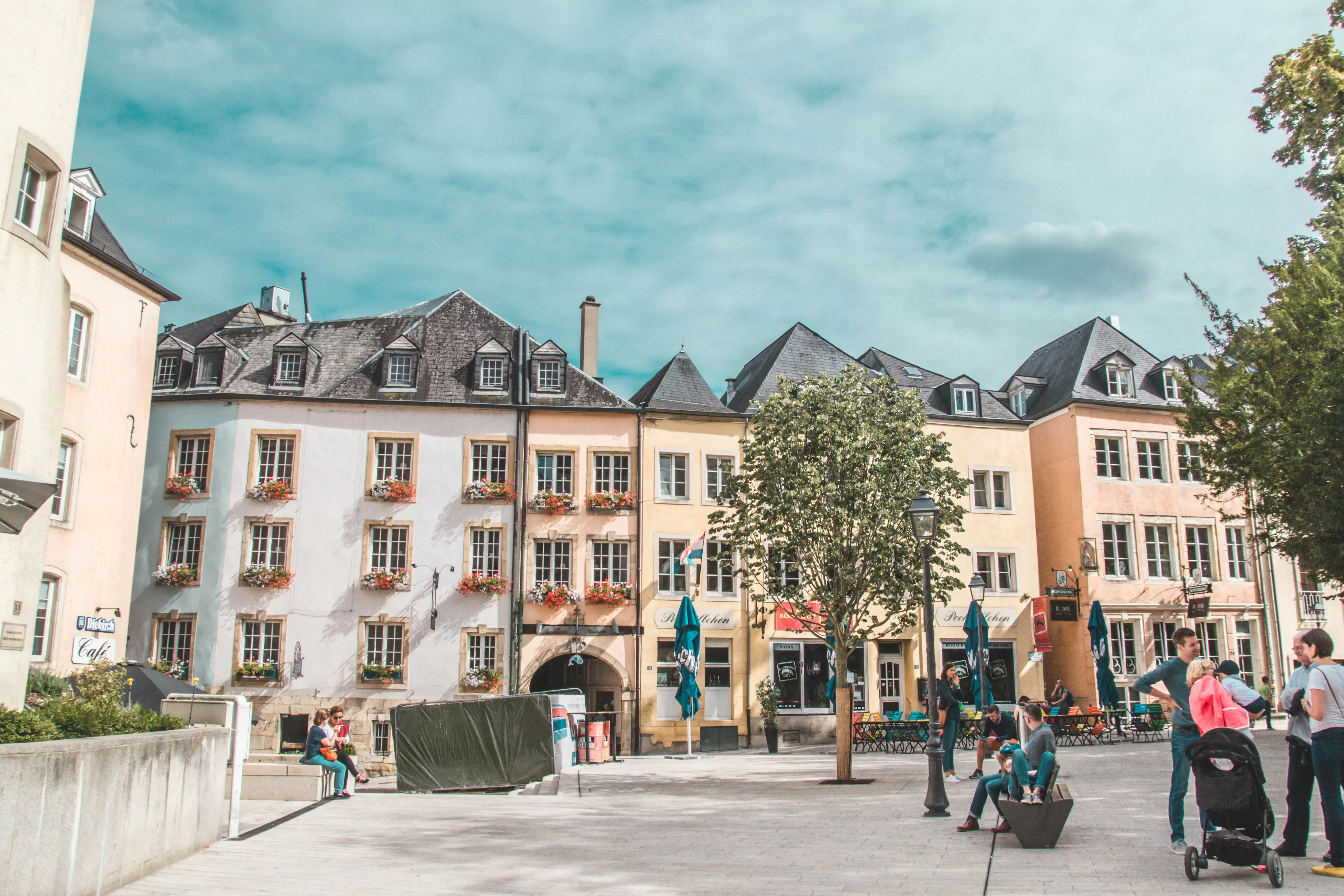
Italy offers strong property investment opportunities in cities where tourism demand, rental yields, infrastructure growth, and stable property prices intersect. Investors seeking consistent returns typically focus on Milan, Rome, Florence, Bologna, and select emerging secondary markets where purchase costs remain moderate but rental demand is increasing. Choosing the right city is the single most important factor influencing yield, appreciation potential, and long-term risk exposure.
Why Invest in Italian Property
Italy remains one of Europe’s most resilient property investment destinations because of sustained tourism demand, strong international buyer interest, a diversified regional economy, and relatively accessible entry prices compared with many Western European capitals. While some markets prioritize capital appreciation and others prioritize rental income, Italy provides both strategies across different cities, allowing investors to tailor portfolios to income, growth, or hybrid investment objectives.
Key structural factors support long-term real estate demand:
- Global tourism leadership: Italy consistently ranks among the world’s most visited countries, supporting short-term rental demand across major cultural centers.
- Diverse regional economies: Financial, industrial, academic, and tourism sectors drive localized housing demand beyond seasonal tourism cycles.
- Limited historic-center supply: Planning regulations and preservation rules restrict new construction in many historic districts, stabilizing long-term pricing.
- Foreign buyer accessibility: Non-resident investors can purchase Italian property without citizenship requirements, subject to reciprocity agreements.
- Growing rental diversification: Long-term residential rentals, student housing, executive rentals, and short-term tourism lets provide multiple income models.
Investment performance varies significantly by city. Prime metropolitan markets such as Milan emphasize capital growth and liquidity, while university and tourism cities like Bologna and Florence frequently deliver stronger rental yields. Emerging southern markets can offer lower entry costs but may involve slower resale cycles and localized economic variability.
How to Identify the Best Investment Cities in Italy
The most reliable way to select an Italian property investment location is to evaluate measurable demand indicators rather than relying solely on purchase price comparisons. Investors who focus only on low prices often encounter weaker rental demand, longer vacancy periods, or limited resale liquidity. Instead, successful market selection typically follows five key evaluation metrics.
1. Rental Demand Stability
Cities with multi-source demand — tourism, students, professionals, and relocation tenants — tend to produce consistent rental occupancy. University hubs, financial centers, and administrative capitals generally outperform seasonal resort locations in annual occupancy stability.
2. Economic and Employment Strength
Local employment growth, corporate presence, startup ecosystems, and infrastructure expansion strongly influence long-term housing demand. Markets driven solely by tourism can experience more volatile rental income compared with diversified employment centers.
3. Infrastructure and Transport Connectivity
High-speed rail links, airport connectivity, and metro system expansion significantly increase tenant demand and future property value appreciation. Investors should monitor upcoming infrastructure projects, which often precede localized price increases.
4. Liquidity and Resale Market Depth
Large metropolitan markets typically provide faster resale timelines and a broader buyer pool. Smaller towns may offer lower acquisition prices but can require longer holding periods to exit profitably.
5. Entry Price vs Yield Balance
Premium historic centers often generate lower yields due to higher acquisition prices, while secondary neighborhoods or student districts frequently provide stronger rental income ratios. A balanced approach considers both projected yield and capital appreciation potential rather than optimizing for one metric alone.
Top Performing Italian Property Markets: Strategic Overview
Across Italy, five major urban markets consistently attract domestic and international investors due to liquidity, diversified demand, and long-term growth potential. While returns vary by neighborhood, property type, and management strategy, these cities represent the most established investment entry points.
Milan: Italy’s Primary Growth Market
Milan is widely considered Italy’s strongest property investment city due to its role as the country’s financial, corporate, and innovation center. Continuous infrastructure development, international business relocation, and demand from professionals support stable occupancy and long-term price growth. Although purchase prices are higher than most Italian cities, liquidity remains among the highest nationwide, making Milan attractive for investors prioritizing resale flexibility and capital appreciation.
Rome: Tourism-Driven Long-Term Demand
Rome combines strong tourism rental performance with steady long-term residential demand driven by government institutions, international organizations, and corporate offices. Central districts command premium pricing, but peripheral neighborhoods connected by metro expansion projects are increasingly targeted by investors seeking yield improvement alongside appreciation potential.
Florence: High-Yield Cultural Tourism Market
Florence maintains one of Europe’s most stable short-term rental markets due to year-round cultural tourism and limited historic-center supply. Investors focusing on professionally managed rental properties frequently achieve strong occupancy rates, though regulatory compliance for short-term rentals must be carefully assessed before acquisition.
While these three cities dominate international investor attention, additional markets — including Bologna, Turin, Naples, and select regional capitals — offer compelling yield opportunities, particularly where university populations or infrastructure upgrades are driving rental demand growth. Detailed city-level performance comparisons and investment strategy alignment are explored in the following sections.
Detailed Investment Analysis: High-Return Cities in Italy
Bologna: Consistent Rental Demand from Students and Professionals
Bologna is considered one of Italy’s most reliable yield-focused markets due to its large university population, strong employment base, and central transport connectivity. Student housing demand ensures consistent occupancy, while the city’s growing technology and research sectors attract long-term professional tenants. Compared with Milan or Florence, acquisition prices remain moderate, allowing investors to achieve stronger rental yield ratios while still benefiting from stable resale demand.
Turin: Industrial Economy Supporting Long-Term Rentals
Turin combines a major automotive and manufacturing base with expanding technology and engineering sectors. Property prices remain significantly lower than in Milan, yet demand from workers, students, and corporate tenants supports steady long-term rental occupancy. Investors targeting income-oriented portfolios often consider Turin a balanced market offering moderate appreciation potential alongside relatively attractive yields.
Naples: Lower Entry Costs with Tourism-Driven Growth
Naples offers comparatively low acquisition costs among major Italian cities while benefiting from increasing tourism demand and urban regeneration initiatives. While resale timelines may be longer than in northern financial centers, carefully selected neighborhoods near transport hubs, waterfront redevelopment zones, or historic districts can produce strong short-term rental income potential. Investors typically mitigate risk by focusing on areas with ongoing infrastructure investment and established tourism activity.
Emerging Regional Capitals: Strategic Early-Entry Opportunities
Secondary regional capitals such as Bari, Verona, and Palermo are attracting investor attention due to infrastructure modernization, growing domestic tourism, and relatively affordable property prices. These markets may not yet offer the liquidity of major metropolitan centers, but early-entry acquisitions in well-connected districts can provide long-term appreciation potential as economic activity expands.
Rental Yield and Entry Cost Comparison by Major Investment Cities
The following comparison illustrates general market positioning across leading Italian investment cities. Actual returns vary depending on neighborhood, property type, management strategy, and financing structure, but the table provides a strategic market overview useful for initial location screening.
| City | Typical Entry Price Level | Primary Demand Drivers | Yield Orientation | Liquidity Level |
|---|---|---|---|---|
| Milan | High | Finance, corporate relocation, international workforce | Moderate yield / strong appreciation | Very high |
| Rome | High–Moderate | Government institutions, tourism, expatriates | Balanced yield and appreciation | High |
| Florence | High | International tourism, cultural rentals | High short-term rental yield | High |
| Bologna | Moderate | University population, research sector | Strong long-term rental yield | Moderate–High |
| Turin | Moderate–Low | Manufacturing, engineering workforce | Income-oriented yield | Moderate |
| Naples | Low–Moderate | Tourism growth, regeneration districts | Potential high yield (location-dependent) | Moderate |
Investors frequently combine multiple cities within a portfolio strategy, pairing capital-growth markets such as Milan with yield-focused locations such as Bologna or Turin to balance long-term appreciation and annual rental income.
Legal, Tax, and Financing Considerations for Foreign Investors
Foreign investors can purchase Italian property with relatively straightforward procedures, but transaction costs, tax structures, and financing rules must be incorporated into return calculations to avoid yield compression.
Transaction Cost Structure
Total acquisition costs generally include registration tax, notary fees, legal verification expenses, and agent commissions. These costs can significantly influence investment break-even timelines and should be evaluated alongside expected rental income projections.
Mortgage Availability for Non-Residents
Italian banks may provide financing to foreign buyers, typically requiring higher deposits than those required for resident borrowers. Loan eligibility depends on income verification, credit profile, and lender risk assessment, and investors should secure financing pre-approval before committing to acquisitions in competitive markets.
Rental Taxation Framework
Rental income is subject to taxation under Italian fiscal regulations, with different tax treatment depending on whether the investor opts for the flat-rate “cedolare secca” regime or the standard progressive income tax structure. Professional tax advisory support is often recommended for investors managing multi-property portfolios.
Local Rental Regulation Compliance
Short-term rental operations, particularly in major tourism cities, may require local registration, licensing, or occupancy reporting. Investors targeting vacation rental income must verify municipal regulations before acquisition to ensure operational compliance and avoid unexpected revenue restrictions.
Common Investment Mistakes and Risk Control Strategies
Property investment performance is often influenced less by the city selected and more by how acquisition decisions are structured. Several recurring investor errors can significantly reduce returns or increase operational risk.
- Purchasing based solely on low price: Lower acquisition costs do not guarantee higher returns if rental demand is weak or resale liquidity is limited.
- Ignoring neighborhood-level analysis: Demand can vary significantly between districts within the same city; transport access, universities, and employment clusters strongly affect performance.
- Underestimating transaction costs: Taxes, legal fees, and renovation costs must be included in total investment calculations.
- Overlooking regulatory compliance: Short-term rental rules can vary by municipality and must be verified before purchase.
- Failing to diversify strategy: Combining appreciation-driven and yield-focused assets often produces more stable long-term portfolio performance.
Investors who conduct detailed demand analysis, evaluate long-term infrastructure development plans, and align city selection with investment objectives typically achieve more consistent performance outcomes.
How to Choose the Best Italian City for Your Investment Strategy
The best location for property investment in Italy depends primarily on whether the investor’s objective is capital appreciation, rental income, or a balanced long-term portfolio. Aligning the city selection with the investment objective significantly improves long-term performance and reduces liquidity risk.
Capital Appreciation Strategy
Investors prioritizing long-term price growth generally target globally connected economic centers such as Milan and selected districts of Rome. These markets benefit from international corporate relocation, infrastructure expansion, and sustained domestic migration from smaller cities. While rental yields may be moderate compared with secondary cities, long-term capital preservation and liquidity levels remain among the strongest in the country.
Income-Focused Rental Strategy
Investors focused on maximizing rental yield often concentrate on university cities and employment hubs such as Bologna, Turin, and Naples, where entry prices remain comparatively accessible while tenant demand is stable. These locations typically produce stronger income ratios, particularly when properties are located near transport nodes, universities, or central employment districts.
Balanced Hybrid Strategy
A diversified approach combining appreciation-oriented markets with yield-focused secondary cities is commonly used by experienced investors. For example, pairing an asset in Milan with a rental-focused property in Bologna or Turin can create a portfolio that balances long-term capital growth with consistent annual income.
Long-Term Outlook for Italian Property Investment
Italy’s property market outlook remains supported by structural tourism demand, continued international buyer interest, infrastructure modernization, and urban redevelopment programs across major metropolitan areas. While short-term price movements may vary by region, long-term demand drivers — including limited historic-center housing supply, expanding university populations, and increasing intercity rail connectivity — continue to support housing demand in key investment cities.
Secondary cities benefiting from infrastructure investment are expected to see gradual demand increases as affordability pressures in primary markets shift investor focus toward emerging regional capitals. Investors who enter these markets early, particularly in districts undergoing transport upgrades or commercial expansion, may benefit from medium- to long-term appreciation as local demand strengthens.
As with all international property investment, long-term success depends on due diligence, careful financial modeling, regulatory compliance, and selecting cities with diversified economic drivers rather than relying solely on tourism demand.
Frequently Asked Questions
Which city in Italy offers the highest rental yields?
Cities such as Bologna, Turin, and selected districts of Naples frequently provide stronger rental yields due to moderate acquisition prices combined with stable tenant demand from students, professionals, and local employment sectors.
Is Milan or Rome better for property investment?
Milan is generally preferred for capital appreciation and liquidity, while Rome offers a more balanced profile combining tourism-driven rentals with long-term residential demand. The optimal choice depends on whether the investor prioritizes growth, income, or portfolio diversification.
Can foreigners buy property in Italy for investment purposes?
Yes, foreign investors can purchase property in Italy subject to reciprocity agreements with their home country. The acquisition process typically involves legal due diligence, a preliminary purchase agreement, and notarized final transfer registration.
Are short-term rentals allowed in Italian investment cities?
Short-term rentals are permitted in many Italian cities but may require local registration, licensing, and reporting compliance. Municipal regulations vary, so investors should confirm local requirements before purchasing property intended for vacation rental use.
What is the most stable long-term investment location in Italy?
Milan is widely regarded as the most stable long-term investment market due to its diversified economy, strong employment base, and high property market liquidity, though diversified portfolios across multiple cities often provide more balanced risk exposure.
Key Takeaways
- City selection determines investment performance: Rental demand stability, infrastructure development, and economic diversification are key performance drivers.
- Milan leads in capital appreciation: Strong corporate demand and liquidity make it a primary long-term growth market.
- Bologna and Turin support higher yields: University populations and employment hubs create stable rental income opportunities.
- Balanced portfolios reduce risk: Combining growth-oriented and yield-focused markets can stabilize long-term returns.
- Regulatory and tax compliance is essential: Understanding transaction costs, rental taxation, and local licensing rules is critical for accurate return forecasting.
Conclusion: Italy provides a diverse property investment landscape where returns depend largely on selecting cities aligned with income or appreciation objectives. Major economic centers such as Milan and Rome offer stability and liquidity, while university and emerging regional markets can produce stronger rental yields. Thorough due diligence, local regulatory awareness, and portfolio diversification remain the most effective strategies for achieving consistent long-term property investment performance.
References
- Italian National Institute of Statistics (ISTAT) housing and demographic data reports.
- Bank of Italy real estate market statistical bulletins.
- OECD housing affordability and property market studies.
- Italian Revenue Agency (Agenzia delle Entrate) property taxation guidance.
- Regional municipal housing and rental regulation publications.