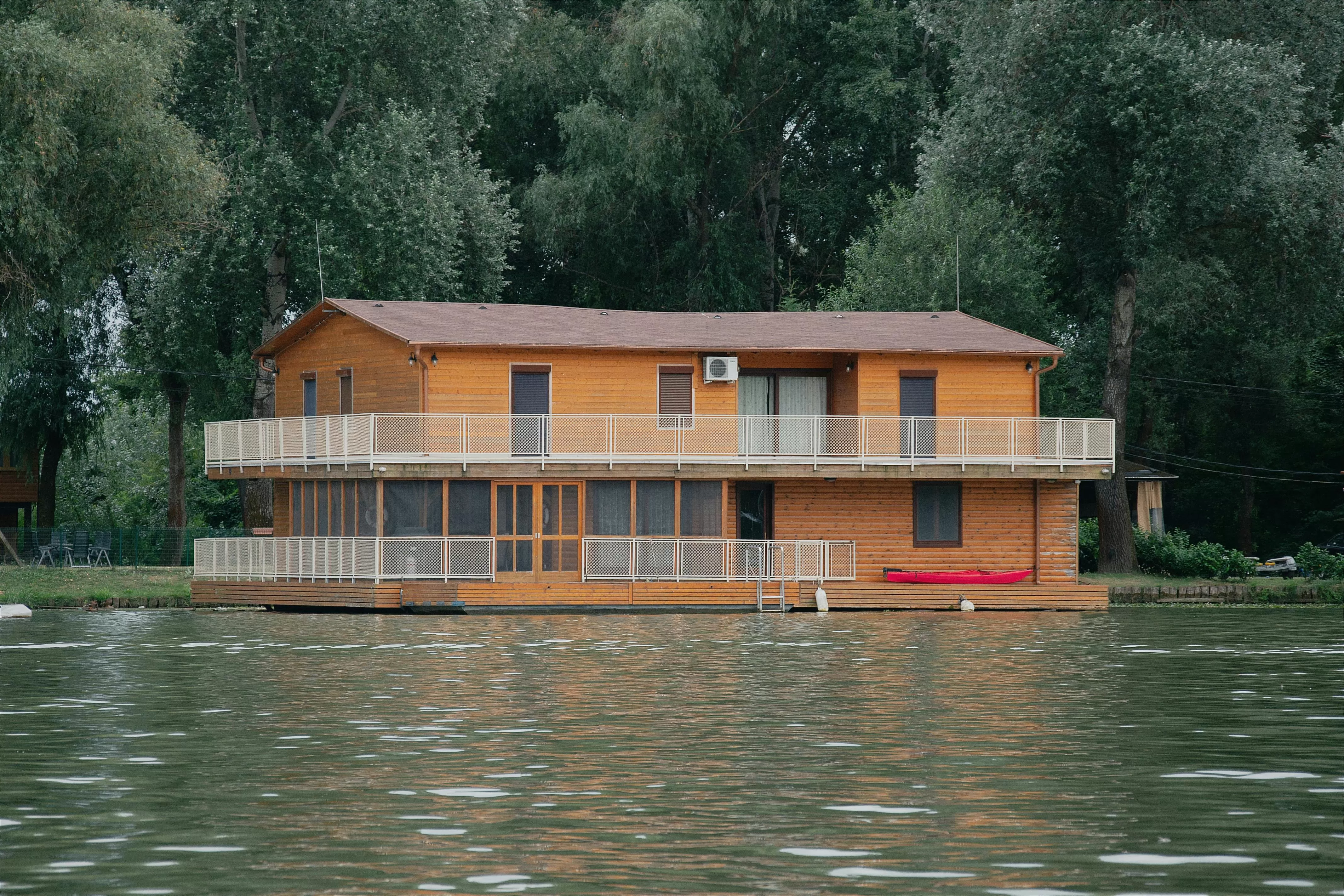
Buying a riverside house in London means paying a premium for scarcity, uninterrupted views, and long-term value resilience along the River Thames. Prices vary significantly by location, flood risk profile, transport links, and property type, with prime central stretches commanding the highest values. Buyers should focus on micro-location analysis, flood mitigation, leasehold/freehold status, and long-term investment fundamentals before committing.
What Counts as a Riverside Property in London?
A riverside house in London is defined as a residential property directly adjacent to the River Thames or with unobstructed river views. This includes freehold houses, converted warehouses, luxury apartments, and gated developments along the riverbank. Properties may be positioned directly on the waterfront, set slightly back with elevated views, or located within private developments with shared river access.
From a legal and valuation perspective, not all “river view” properties are equal. A true riverside home typically satisfies at least one of the following criteria:
- Direct frontage onto the River Thames with private or shared access
- Permanent, protected river views that cannot be obstructed by future development
- Location within a designated riverside development or conservation zone
Buyers should distinguish between “partial river view” and “direct river frontage,” as this distinction materially affects pricing, resale value, and desirability. A direct frontage property can command a significant premium due to its limited supply and planning restrictions along the Thames.
Ownership structures also vary. While many riverside houses are freehold, a substantial portion of modern riverside developments are leasehold, often with service charges covering maintenance of communal areas, flood defences, and landscaping.
Understanding these classifications is critical because valuation, insurance requirements, and mortgage considerations differ depending on the exact type of riverside property.
Why Buy a Riverside House in London?
Riverside properties in London are consistently in demand due to their scarcity, lifestyle appeal, and long-term capital stability. Buyers are not only paying for the physical asset but also for intangible benefits such as views, environment, and prestige.
1. Limited Supply and Price Resilience
The River Thames has finite developable frontage, and planning restrictions limit new construction along key stretches. This creates structural supply constraints that support long-term price resilience, even during broader market corrections. Riverside homes, particularly in established zones, tend to hold value better than comparable inland properties.
2. Lifestyle and Environmental Benefits
Living by the river offers open views, improved natural light, and proximity to walking and cycling paths. Many riverside developments integrate green spaces and pedestrian routes, providing a quieter environment compared to inner-city streets. This lifestyle factor is a major driver for owner-occupiers and high-end renters.
3. Rental Demand and Investment Appeal
Riverside homes attract strong rental demand from professionals, expatriates, and corporate tenants. Properties near major business districts or transport hubs typically achieve premium rents, particularly if they offer balconies, terraces, or direct river views. Investors benefit from relatively stable occupancy rates and premium tenant profiles.
4. Prestige and Buyer Psychology
Waterfront living carries a perception of exclusivity. This psychological factor influences both initial purchase decisions and resale dynamics. Buyers often place higher emotional value on riverside homes, which can lead to stronger competition and faster sales in prime segments.
5. Regeneration and Infrastructure Growth
Several stretches of the Thames have undergone significant regeneration, transforming former industrial areas into residential hubs. Infrastructure improvements, including transport links and public realm upgrades, have enhanced accessibility and driven property value growth in these areas.
However, these advantages must be balanced against considerations such as flood risk, higher insurance premiums, and maintenance costs associated with waterfront exposure. These factors should be assessed carefully before purchase.
Key River Thames Locations for Buyers
Top Locations to Invest in London's Real Estate Market: The value and characteristics of riverside properties vary significantly depending on their position along the River Thames. Each stretch offers a distinct combination of pricing, lifestyle, and investment potential.
Central London (Westminster to Tower Bridge)
This is the most prestigious and expensive stretch of the Thames. Properties here offer proximity to key landmarks, business districts, and transport connections. Buyers typically include high-net-worth individuals and international investors.
- Premium pricing driven by location and scarcity
- High demand for luxury apartments and penthouses
- Strong resale and rental liquidity
While houses are rare in this zone, exclusive developments and converted buildings dominate the market.
South Bank and Battersea
These areas have seen extensive regeneration, particularly around Battersea Power Station. Riverside properties here offer a balance between central accessibility and modern development.
- Strong capital growth linked to regeneration projects
- New-build developments with modern amenities
- Appeal to both investors and owner-occupiers
Battersea, in particular, has transitioned into a high-demand residential zone with improved transport links.
East London (Canary Wharf to Greenwich)
This stretch offers comparatively better value while still providing strong rental demand due to proximity to financial districts. It is a key target area for investors seeking yield.
- Competitive entry pricing relative to central zones
- High rental demand from professionals
- Ongoing regeneration and infrastructure investment
Greenwich adds a heritage and lifestyle dimension, making it attractive for families as well as investors.
West London (Chelsea, Fulham, Hammersmith)
West London riverside locations are known for their residential appeal, established communities, and high-quality housing stock. These areas are particularly popular among families and long-term residents.
- Strong demand for freehold houses
- Village-style living with riverside access
- Consistent long-term value growth
These locations offer a quieter alternative to central London while maintaining excellent connectivity.
Choosing the right location depends on your primary objective, whether it is capital appreciation, rental yield, lifestyle, or a combination of all three. Micro-location factors such as transport access, flood zones, and nearby amenities often have a greater impact on value than the broader district itself.
Riverside Property Prices and What Drives Them
Riverside house prices in London are determined primarily by frontage quality, exact river position, transport connectivity, and property type. Premiums for direct Thames frontage can range from 20% to over 100% compared to similar inland properties in the same postcode.
The most important pricing drivers include:
1. Direct River Frontage vs Indirect Views
Properties with uninterrupted, protected river frontage achieve the highest values. Even a slight obstruction or setback from the river can significantly reduce the price per square foot. Buyers should verify planning restrictions and future development risks that may affect views.
2. Floor Level and Orientation
Higher floors typically command stronger premiums due to wider viewing angles and improved privacy. South-facing properties are particularly valued for natural light and sunset views across the Thames.
3. Transport Accessibility
Proximity to Underground, Overground, and riverboat services has a measurable impact on value. Areas with multiple transport options consistently outperform less connected riverside locations.
4. Property Type
Freehold riverside houses are significantly rarer than apartments and therefore command higher prices. New-build developments offer modern amenities but may carry a price premium that reflects developer margins and service infrastructure.
5. Local Regeneration and Infrastructure
Locations undergoing regeneration often experience accelerated price growth. Buyers should evaluate long-term infrastructure plans, including transport expansions and commercial developments, which can influence future demand.
Understanding these drivers helps buyers assess whether a property is fairly priced and whether it has long-term appreciation potential.
Step-by-Step Buying Process for Riverside Homes
Buying a riverside house in London follows the standard UK property transaction process, but includes additional due diligence related to water proximity, planning constraints, and environmental risk.
1. Define Budget and Financing
Secure a mortgage agreement in principle or confirm available funds. Riverside properties often require larger deposits, particularly for high-value purchases or leasehold developments with service charges.
2. Shortlist Locations and Property Type
Identify preferred Thames zones based on lifestyle and investment goals. Decide between freehold houses and leasehold developments depending on long-term plans and maintenance preferences.
3. Conduct Viewings with a Technical Lens
Assess not only aesthetics but also structural condition, flood defences, elevation, and exposure to river conditions. Pay attention to noise, foot traffic, and proximity to public walkways.
4. Make an Offer and Negotiate
Offers should reflect comparable sales, not just listing prices. Riverside homes can attract competitive bidding, particularly in prime areas, so buyers should be prepared to act decisively.
5. Legal Due Diligence and Surveys
Instruct a solicitor to carry out searches, including environmental and flood risk reports. Commission a survey that evaluates structural integrity and any water-related risks.
6. Exchange and Completion
Once contracts are exchanged, the transaction becomes legally binding. Completion typically follows within a few weeks, at which point ownership transfers.
Riverside transactions often take longer due to additional checks, so buyers should allow for extended timelines.
Legal and Financial Considerations
Riverside property purchases involve specific legal and financial factors that differ from standard residential transactions. These must be addressed early to avoid delays or unexpected costs.
Flood Risk and Insurance
Properties near the Thames may fall within designated flood risk zones. Buyers should obtain detailed flood reports and confirm insurance availability and cost before proceeding. Premiums can vary significantly depending on elevation and flood defences.
Leasehold vs Freehold Structures
Many riverside developments operate under leasehold arrangements. Buyers must review lease length, ground rent, and service charges. High service charges are common due to the maintenance of communal areas and river-facing infrastructure.
Planning Restrictions and Conservation Areas
Certain Thames-side locations fall within conservation areas, limiting alterations or extensions. Buyers planning renovations must verify planning permissions and restrictions.
Service Charges and Maintenance Costs
Riverside properties often incur higher maintenance costs due to environmental exposure. Developments may include costs for landscaping, security, and structural upkeep.
Stamp Duty and Transaction Costs
Stamp Duty Land Tax (SDLT) applies based on purchase price, with higher rates for premium properties and additional surcharges for second homes or overseas buyers.
Failing to account for these factors can materially impact the total cost of ownership and long-term investment returns.
Risks and Common Buyer Mistakes
Riverside property purchases carry unique risks that buyers often underestimate. Avoiding common mistakes requires a disciplined, evidence-based approach.
1. Overpaying for Views Without Verifying Permanence
Buyers sometimes pay a premium for views that may not be protected. Future developments can obstruct sightlines, reducing both enjoyment and resale value.
2. Ignoring Flood Risk Assessments
Failing to review flood risk data can lead to unexpected insurance costs or financing issues. Lenders may impose conditions on high-risk properties.
3. Underestimating Service Charges
Service charges in riverside developments can be substantial and may increase over time. Buyers should review historical costs and future projections.
4. Focusing Only on Prime Locations
While central locations are prestigious, emerging areas may offer better long-term growth potential. Buyers should consider value relative to future development.
5. Skipping Specialist Surveys
Standard surveys may not fully address water-related risks. Specialist assessments can identify issues such as damp, structural wear, and erosion.
A careful, data-driven approach helps mitigate these risks and ensures a more secure investment.
Investment Outlook for Riverside London Property
Riverside property in London remains a structurally constrained asset class with long-term demand drivers rooted in location scarcity, lifestyle appeal, and global buyer interest. While short-term fluctuations can occur, the broader outlook is shaped by supply limitations along the Thames and continued urban regeneration.
Long-Term Capital Appreciation
Prime riverside locations historically demonstrate steady capital growth due to limited availability and sustained demand from both domestic and international buyers. Properties with direct frontage and protected views typically outperform wider market averages over extended periods.
Rental Yield Dynamics
Rental yields vary depending on location and property type. Central London riverside properties often deliver lower yields but stronger capital preservation, while East London locations may provide higher yields due to lower entry prices and strong tenant demand.
Impact of Infrastructure and Regeneration
Infrastructure investment continues to influence riverside property values. Transport improvements, public realm upgrades, and mixed-use developments enhance accessibility and desirability, particularly in previously underdeveloped stretches of the Thames.
Market Liquidity and Exit Strategy
Riverside homes generally benefit from strong resale demand, particularly in established areas. However, liquidity can vary depending on price bracket, property condition, and broader economic conditions. Buyers should consider exit strategy timelines and target buyer profiles before purchasing.
Overall, riverside property is best suited to buyers with a medium- to long-term investment horizon, where capital appreciation and lifestyle value are prioritised over short-term gains.
Who Should Buy a Riverside House?
Riverside properties are not universally suitable. The right buyer profile depends on financial capacity, lifestyle preferences, and investment objectives.
Owner-Occupiers Seeking Lifestyle Value
Buyers prioritising quality of life, views, and environment often benefit most from riverside living. These properties offer intangible advantages that extend beyond financial return.
Long-Term Investors
Investors focused on capital appreciation and asset stability may find riverside homes attractive due to supply constraints and consistent demand.
Landlords Targeting Premium Tenants
Riverside properties appeal to high-income tenants, including professionals and expatriates. This can result in stable rental income and lower vacancy rates.
Buyers Who May Need to Reconsider
Those seeking short-term gains, low maintenance costs, or minimal financial exposure may find riverside properties less suitable. Higher upfront costs, service charges, and insurance premiums should be carefully evaluated.
Aligning the purchase decision with clear financial and lifestyle objectives is essential to achieving satisfactory outcomes.
Frequently Asked Questions
Are riverside houses in London a good investment?
Yes, they can be a strong long-term investment due to limited supply, consistent demand, and premium pricing for waterfront locations. However, returns depend on location, property type, and market timing.
Do riverside properties cost more than inland homes?
Yes. Riverside properties typically command a significant premium due to views, scarcity, and lifestyle appeal. The premium varies depending on frontage quality and location.
Is flood risk a major concern when buying near the Thames?
Flood risk is a key consideration. Buyers should review flood assessments, insurance costs, and mitigation measures before purchasing.
Are most riverside properties leasehold or freehold?
Both exist, but many modern developments are leasehold. Freehold houses are rarer and generally more expensive.
Which areas along the Thames offer the best value?
East London locations such as those near Canary Wharf and Greenwich often provide better value compared to prime central areas, while still offering strong rental demand.
Key Takeaways
- Scarcity Drives Value: Limited Thames frontage supports long-term price resilience.
- Location Is Critical: Micro-location factors often outweigh broader area trends.
- Costs Extend Beyond Purchase: Insurance, service charges, and maintenance can be significant.
- Investment Requires Patience: Riverside property performs best over medium to long-term horizons.
- Due Diligence Is Essential: Flood risk, planning restrictions, and ownership structure must be carefully reviewed.
References
- UK Government guidance on property transactions and Stamp Duty Land Tax
- Environment Agency flood risk and mapping resources
- HM Land Registry data on residential property prices
- ONS housing market statistics and reports
- Local authority planning and conservation area documentation