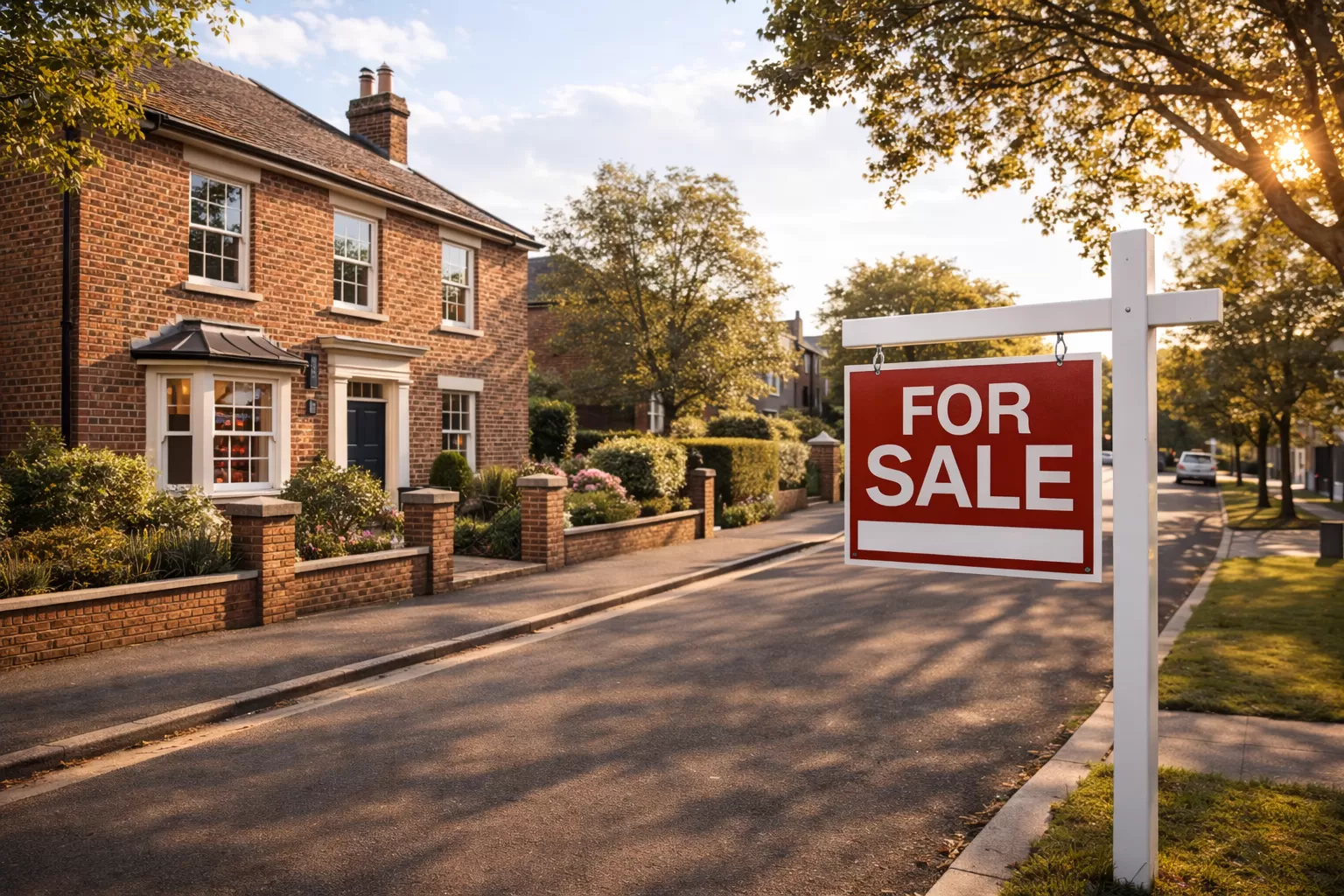
The best time to sell a house in Atlanta is typically between March and June, when buyer activity peaks, inventory rises, and competition drives stronger offers. During this window, sellers often benefit from faster sales and higher closing prices compared to off-season months. However, timing alone does not determine success; local demand trends, mortgage rates, neighbourhood dynamics, and property condition all influence outcomes. Understanding how Atlanta’s seasonal market cycles work allows sellers to position their listing when serious buyers are most active and financially prepared.
How the Atlanta Housing Market Behaves Throughout the Year
Atlanta’s housing market follows a predictable seasonal cycle shaped by weather, school calendars, relocation patterns, and economic activity. Buyer demand does not remain constant year-round. Instead, it fluctuates in waves that directly affect pricing, negotiation leverage, and time on market.
The year typically begins with moderate activity in January and February. Buyers during this period are often highly motivated—relocating professionals, investors, or households with urgent timelines. While inventory is lower, competition among sellers is limited, which can create opportunities for well-prepared listings.
Demand accelerates sharply in early spring. From March onward, more buyers enter the market, including families aiming to move before the next school year. This surge increases both listing volume and competition, often resulting in multiple-offer situations in desirable neighbourhoods.
Summer continues to see strong activity, though momentum begins to stabilise. By late summer, urgency declines as school schedules take priority. Fall introduces a more balanced environment, where serious buyers remain, but overall transaction volume drops. Winter, especially December, tends to be the slowest period, with fewer listings and reduced buyer traffic.
Understanding this cycle helps sellers align their listing strategy with peak demand rather than reacting to it. Listing too early may limit exposure, while listing too late can mean competing in a cooling market.
What Are the Best Months to Sell a House in Atlanta?
The most favourable months to sell a house in Atlanta are March, April, May, and early June. These months consistently deliver the highest buyer turnout, strongest pricing conditions, and faster transaction timelines.
March marks the beginning of increased market activity. Buyers who have been preparing financially during winter begin actively searching, and new listings gain immediate visibility. April and May are typically the most competitive months, with the highest concentration of active buyers and the greatest likelihood of multiple offers.
Early June remains strong but begins to transition toward a more balanced market. By mid-to-late summer, buyer urgency decreases, and price growth may slow depending on inventory levels.
While these months are statistically advantageous, timing should also consider property-specific factors. Homes in high-demand urban neighbourhoods or near employment hubs may perform well outside peak months. Conversely, properties in slower-moving areas may require peak-season exposure to attract sufficient buyer interest.
Sellers should also consider lead time. Preparing a property for sale—repairs, staging, photography, and marketing—can take several weeks. To list in early spring, preparation should ideally begin in late winter.
Why Spring Is the Strongest Selling Season in Atlanta
Spring consistently delivers the best-selling conditions in Atlanta due to a combination of behavioural, financial, and environmental factors that align in favour of both buyers and sellers.
One of the primary drivers is the school calendar. Families prefer to move during the summer to minimise disruption, which means they begin house hunting in spring. This creates a concentrated surge of serious, deadline-driven buyers who are more likely to make competitive offers.
The weather also plays a significant role. Atlanta’s mild spring climate improves property presentation, enhances curb appeal, and makes home tours more convenient. Homes tend to show better with natural light, greenery, and favourable outdoor conditions, which can positively influence buyer perception.
Financial readiness is another factor. Many buyers finalise budgets, secure mortgage approvals, or receive annual bonuses early in the year. By spring, they are positioned to act quickly when suitable properties become available.
Additionally, corporate relocations often peak during the first half of the year. Atlanta’s role as a major business hub means inbound professionals frequently enter the housing market during this period, increasing demand in key neighbourhoods.
For sellers, these combined factors create an environment where demand is both high and motivated. This typically leads to shorter listing durations, stronger negotiation positions, and, in many cases, higher sale prices compared to off-peak seasons.
Is Summer or Fall a Better Time to Sell in Atlanta?
Summer is generally stronger than fall for selling a house in Atlanta, but both seasons serve different seller objectives. Summer offers higher transaction volume and sustained buyer demand, while fall provides a more stable, less competitive environment.
During early summer, particularly June and July, many buyers are still actively searching to complete moves before the school year begins. This creates a continuation of spring momentum, though price growth may plateau as inventory increases.
By contrast, fall—especially September and October—brings a smaller but more serious buyer pool. These buyers are typically motivated by job relocations, investment opportunities, or end-of-year financial goals. While fewer offers are common, negotiations tend to be more straightforward and less aggressive.
For sellers prioritising maximum price and competition, summer remains preferable. For those seeking smoother transactions and fewer bidding wars, fall can offer a more controlled selling experience.
Can You Sell a House in Atlanta During Winter?
Yes, selling during winter in Atlanta is possible and can be effective when approached strategically. While overall demand declines, the buyers who remain active are often highly motivated and prepared to act quickly.
December and January typically see the lowest listing activity of the year. This reduced competition can benefit sellers, particularly if the property is well-presented and priced appropriately. However, fewer buyers mean fewer showings, which may extend time on market.
Winter selling works best for properties in high-demand areas, homes priced competitively, and sellers who are flexible on timing. It is also advantageous for those who cannot delay due to relocation or financial needs.
To succeed in winter, sellers should focus on strong listing photography, proper indoor lighting, and maintaining curb appeal despite seasonal limitations. Pricing accuracy becomes more critical, as buyers during this period are typically less inclined to engage in competitive bidding.
Does Timing Matter More Than Market Conditions?
Timing influences buyer activity, but broader market conditions often have a greater impact on final sale outcomes. Factors such as mortgage interest rates, inventory levels, and local economic conditions can either amplify or weaken seasonal advantages.
For example, a spring listing during a high-interest-rate environment may attract fewer buyers than a fall listing during a period of lower borrowing costs. Similarly, limited inventory can create strong seller leverage even in traditionally slower months.
Sellers should evaluate timing within the context of current market dynamics. A well-timed listing in a weak market may underperform, while a strategically priced property in a strong market can succeed regardless of season.
The most effective approach combines seasonal timing with data-driven pricing, property readiness, and awareness of local demand trends. This ensures that the listing is positioned competitively, regardless of when it enters the market.
How to Prepare Your Home Before Peak Selling Season
Preparing a home before peak selling season directly affects how quickly it sells and the quality of offers received. In Atlanta’s competitive spring market, buyers expect move-in-ready properties with strong presentation.
Preparation should begin several weeks before listing. This includes completing necessary repairs, improving curb appeal, and ensuring the home is clean, decluttered, and visually appealing. Small upgrades—such as fresh paint, updated lighting, or landscaping—can significantly enhance perceived value.
Professional staging can further improve results by helping buyers visualise the space. High-quality listing photography and accurate property descriptions are equally important, as most buyers begin their search online.
Pricing strategy is critical. Setting the right initial price increases visibility and reduces the risk of prolonged market exposure. Overpricing can lead to reduced interest, while competitive pricing can attract multiple offers.
Sellers should also plan for logistics such as showings, open houses, and negotiation timelines. Being prepared to respond quickly to offers is essential during peak activity periods.
Common Timing Mistakes Atlanta Sellers Should Avoid
One of the most common mistakes is assuming that peak season guarantees success. While spring increases exposure, poorly prepared or overpriced homes can still underperform.
Another mistake is delaying listing preparation. Sellers who wait until spring to begin repairs or staging may miss the early wave of buyers, which often includes the most motivated purchasers.
Misreading local market trends is also a frequent issue. Atlanta is a diverse market with varying neighbourhood dynamics. What works in one area may not apply to another, making localised research essential.
Overpricing based on peak-season expectations can lead to extended time on market and eventual price reductions. Buyers in competitive markets are informed and responsive to pricing inconsistencies.
Finally, ignoring off-season opportunities can be a missed advantage. Sellers who are flexible and prepared may achieve strong results even outside peak months due to reduced competition.
How Local Neighborhood Trends Affect the Best Time to Sell
Emerging Atlanta Neighbourhoods: The best time to sell a house in Atlanta can vary significantly depending on neighbourhood-level demand, property type, and local development activity. While city-wide trends indicate spring as the peak season, micro-markets often behave differently based on supply constraints and buyer demographics.
In high-demand areas near employment centres, transportation corridors, or top-rated schools, buyer activity may remain consistent throughout the year. Homes in these locations can perform well even during slower months because demand consistently exceeds supply.
Conversely, suburban or emerging neighbourhoods may rely more heavily on seasonal demand. In these areas, listing during peak months becomes more important to ensure sufficient buyer exposure and competitive pricing.
New construction activity also influences timing. If multiple new developments are launching simultaneously, resale homes may face increased competition, making it essential to list when buyer demand is strongest.
Sellers should evaluate recent comparable sales, average days on market, and listing absorption rates within their specific neighbourhood. This localised approach ensures timing decisions are based on actual demand rather than broad market assumptions.
Do Investors and Homebuyers Follow the Same Timing?
Investors and primary homebuyers operate on different timelines, which can influence the optimal time to sell depending on the target audience for the property.
Homebuyers—especially families—are highly seasonal. Their activity peaks in spring and early summer, aligning with school calendars and relocation schedules. These buyers are more likely to compete for move-in-ready homes and may be willing to pay a premium for convenience and timing.
Investors, on the other hand, tend to be less influenced by seasonality. They focus on price, return potential, and market conditions rather than timing their purchases around lifestyle factors. Investor activity can remain steady throughout the year, particularly in rental-heavy areas or neighbourhoods undergoing redevelopment.
For sellers with properties suited to investors—such as fixer-uppers or rental units—listing outside peak homebuyer season may still yield strong results. Reduced competition from traditional buyers can simplify negotiations and shorten closing timelines.
Understanding which buyer segment is most likely to purchase the property allows sellers to align timing with the most active and relevant audience.
Final Considerations Before Listing Your Atlanta Home
Choosing the best time to sell a house in Atlanta involves balancing seasonal demand with property readiness and current market conditions. While spring offers the highest buyer activity, it also introduces more competition from other sellers.
Sellers should prioritize preparation and pricing over relying solely on timing. A well-presented, competitively priced home can perform successfully in any season, while a poorly prepared listing may struggle even during peak months.
Monitoring mortgage rate trends, inventory levels, and local buyer demand provides additional clarity when deciding when to list. Flexibility is also important—adjusting strategy based on market response can improve outcomes.
Ultimately, the best time to sell is when the property is ready, the market conditions are favourable, and the seller’s financial and personal goals align. Combining these factors with seasonal awareness leads to more predictable and efficient transactions.
Frequently Asked Questions
When is the absolute best month to sell a house in Atlanta?
April is often considered the strongest month due to peak buyer activity, favorable weather, and competitive market conditions. However, May and early June also deliver similar results.
Is it better to sell before or after summer in Atlanta?
Selling before summer typically provides better pricing opportunities due to higher demand. After summer, the market becomes less competitive but also sees fewer buyers.
Do homes sell for more in spring in Atlanta?
Yes, homes generally achieve higher sale prices in spring due to increased competition among buyers and stronger demand relative to inventory.
Can I sell my Atlanta home quickly in winter?
Yes, but it depends on pricing and property condition. Winter buyers are fewer but often more serious, which can lead to quicker decisions if the home is positioned correctly.
How early should I prepare to list my home in spring?
Preparation should begin at least 4–8 weeks before listing to allow time for repairs, staging, and marketing setup.
Key Takeaways
- Spring Advantage: March through June offers the highest buyer activity and strongest pricing conditions in Atlanta.
- Summer Stability: Early summer maintains momentum, but demand begins to level off as the season progresses.
- Fall Balance: Fall provides fewer buyers but more serious offers and less competition.
- Winter Opportunity: Winter can work for motivated sellers due to reduced competition and focused buyers.
- Strategy Matters: Pricing, preparation, and local market conditions often outweigh seasonal timing alone.
Selling a house in Atlanta is ultimately a matter of aligning preparation, pricing, and timing with real buyer behaviour. While spring consistently delivers the strongest results, opportunities exist throughout the year for sellers who understand local demand patterns and position their property accordingly. A disciplined, data-informed approach ensures better outcomes than relying on timing alone.
References
- Local housing market reports and seasonal sales data for the Atlanta metropolitan area
- U.S. housing demand trends and residential transaction timelines
- Regional real estate brokerage insights and transaction analytics