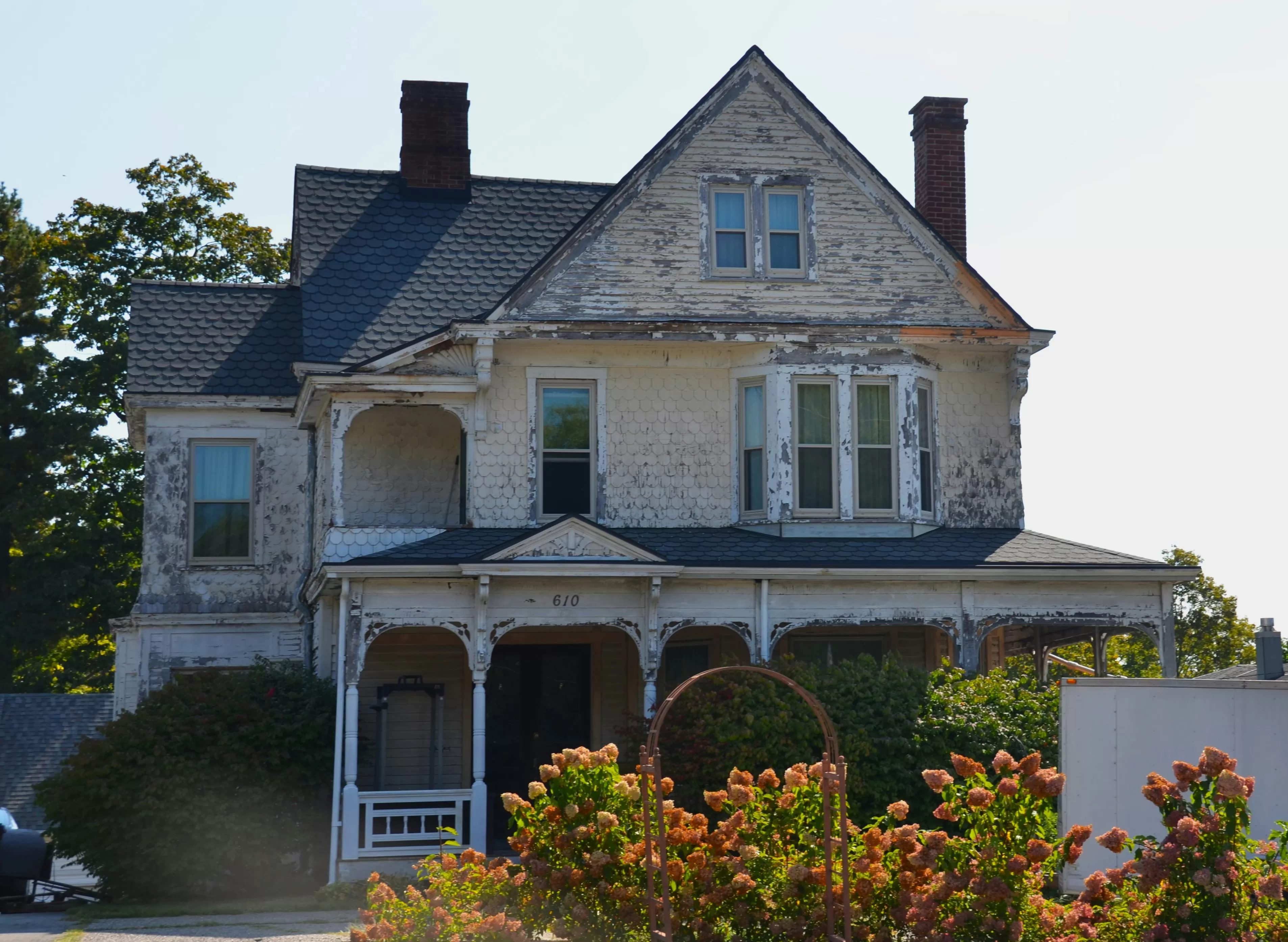
A derelict property is a building that has been abandoned or neglected to the point that it is uninhabitable and often structurally compromised. Buying one can offer significant value potential, but it involves legal, structural, financial, and planning risks that must be assessed before committing.
A derelict property is a residential or commercial building that has fallen into serious disrepair, is typically unoccupied, and may be unsafe or unfit for habitation. Buyers are often attracted by lower purchase prices and redevelopment potential, but the true cost of restoration, legal complications, and financing constraints can substantially exceed expectations. Whether you should buy one depends on your budget, risk tolerance, experience with renovation, and access to specialist finance.
What Legally Defines a Derelict Property?
A derelict property derelict property is generally defined as a building that is vacant, structurally unsound, and unsuitable for occupation due to severe deterioration. While legal definitions vary by jurisdiction, authorities often classify a property as derelict when it presents safety hazards, breaches housing standards, or requires substantial structural intervention.
Derelict vs. Vacant vs. Uninhabitable
These terms are often used interchangeably but have distinct meanings:
| Term | Definition | Habitable? | Finance Availability |
|---|---|---|---|
| Vacant | Unoccupied but structurally sound | Yes | Standard mortgage possible |
| Uninhabitable | Unsafe or lacking basic services | No | Limited conventional lending |
| Derelict | Abandoned and severely deteriorated | No | Specialist or cash purchase required |
A derelict property typically lacks functioning utilities, has structural damage (such as roof failure or subsidence), and may not comply with building or environmental regulations.
Common Physical Indicators
- Collapsed or compromised roof structures
- Severe water ingress and rot
- Damaged foundations or structural movement
- Broken windows and unsecured access
- Absence of plumbing, heating, or electrics
These issues often trigger lender restrictions and insurance challenges.
Why Do Properties Become Derelict?
Properties typically become derelict due to prolonged vacancy, financial distress, inheritance disputes, economic decline, or failed development projects. The underlying cause influences both purchase risk and redevelopment potential.
Economic and Financial Distress
Owners may abandon properties following bankruptcy, repossession, or inability to fund repairs. In such cases, title clarity and debt recovery processes require careful legal review.
Inheritance and Probate Delays
Properties tied up in probate can remain vacant for years, deteriorating without maintenance. Buyers must confirm clear title transfer and ensure no unresolved claims exist.
Urban Decline or Regeneration Gaps
In some areas, shifting economic patterns reduce local demand, leaving buildings vacant. Conversely, derelict clusters may sit within future regeneration zones, creating potential value uplift if redevelopment occurs.
Structural or Environmental Hazards
Flood damage, fire damage, contamination, or structural collapse can render a property unsafe and effectively abandoned. Environmental remediation costs can exceed purchase price in severe cases.
What Are the Advantages and Risks of Buying a Derelict Property?
Buying a derelict property can provide below-market acquisition pricing and redevelopment flexibility, but it also carries elevated financial, legal, and construction risks. Profitability depends on accurate cost estimation and regulatory compliance.
Potential Advantages
- Lower purchase price compared to habitable homes
- Opportunity to add significant value through renovation
- Less buyer competition in some markets
- Design flexibility for full refurbishment or rebuild
Primary Risks
- Unknown structural damage increasing renovation costs
- Planning permission or zoning restrictions
- Limited mortgage availability
- Higher insurance premiums during works
- Extended timelines before occupation or rental income
A realistic feasibility assessment must include structural surveys, planning consultations, and contingency budgeting of at least 10–20% above estimated build costs.
Who Typically Buys Derelict Property?
- Experienced developers
- Investors specialising in refurbishment projects
- Self-build buyers seeking custom homes
- Land banking investors targeting long-term regeneration
First-time buyers without renovation experience face elevated risk unless supported by professional project management and adequate capital reserves.
How Much Does It Cost to Renovate a Derelict Property?
Renovating a derelict property typically costs significantly more than standard refurbishment because structural repairs, utility reinstatement, and compliance upgrades are often required. Total costs vary by location, size, structural condition, and specification level.
Core Cost Categories
- Structural stabilisation (foundations, walls, roof replacement)
- Full rewiring and plumbing installation
- Damp treatment and insulation
- Window and door replacement
- Heating system installation
- Interior reconstruction (floors, plastering, kitchens, bathrooms)
Indicative Cost Breakdown
| Work Category | Complexity Level | Cost Impact | Risk of Overrun |
|---|---|---|---|
| Roof Replacement | High | Significant | Moderate |
| Foundation Repairs | Very High | Severe | High |
| Electrical & Plumbing | Medium | Moderate | Low–Moderate |
| Internal Finishes | Variable | Flexible | Low |
Structural defects such as subsidence or extensive damp are the most expensive and unpredictable elements. Professional structural surveys are essential before purchase.
Hidden Cost Risks
- Asbestos removal
- Contaminated soil remediation
- Listed building restoration requirements
- Upgrading to modern building regulations standards
A prudent feasibility model includes a contingency reserve of at least 15–25% for unexpected works.
How Can You Finance a Derelict Property Purchase?
Most traditional residential mortgages are unavailable for fully derelict properties because lenders require habitable condition at completion. Buyers typically use specialist finance or cash.
Common Financing Routes
- Cash purchase
- Bridging loans
- Development finance
- Renovation mortgages (if partially habitable)
Bridging Finance
Bridging loans provide short-term funding, usually 6–18 months, enabling acquisition and renovation before refinancing onto a standard mortgage. Interest rates are higher than traditional mortgages, and exit strategy planning is critical.
Development Finance
Larger structural rebuilds may qualify for staged development finance, where funds are released in tranches as works progress. Lenders require detailed schedules, cost plans, and valuation reports.
Refinancing Strategy
Many investors purchase derelict property with short-term finance and refinance once the property becomes habitable and mortgageable. Accurate post-renovation valuation forecasts are essential to avoid funding gaps.
What Legal and Planning Issues Should You Check?
Legal and planning risks can significantly affect profitability and redevelopment potential. Buyers must conduct thorough conveyancing and planning investigations before exchange.
Title and Ownership
- Confirm clear legal title
- Check for restrictive covenants
- Identify boundary disputes
- Review easements and access rights
Planning Permission
Renovation that materially alters structure, footprint, or usage often requires planning approval. Change-of-use projects, extensions, or demolition and rebuild scenarios demand early consultation with local planning authorities.
Listed or Protected Status
Heritage designation imposes strict restoration standards and can substantially increase renovation cost and timeline.
Environmental and Safety Compliance
- Contaminated land searches
- Flood risk assessment
- Fire safety upgrades
- Energy performance compliance
What Due Diligence Should Buyers Complete?
Due diligence for derelict property purchases must go beyond standard homebuying checks. Comprehensive professional assessments reduce financial uncertainty.
Essential Professional Reports
- Full structural survey
- Planning and zoning search
- Environmental assessment
- Utility connection feasibility report
- Independent renovation cost appraisal
Feasibility Questions to Ask
- What is the realistic end value after renovation?
- Does the renovation budget align with comparable resale prices?
- What is the minimum viable exit strategy?
- Can holding costs be sustained if timelines extend?
Investors should stress-test financial projections against delayed approvals, cost overruns, and conservative resale assumptions.
Is Buying a Derelict Property a Good Investment Strategy?
Buying a derelict property can be a strong value-add investment strategy if acquisition cost, renovation budget, and end value are accurately assessed. It is not inherently high-return; profitability depends on disciplined cost control and realistic resale assumptions.
When It Works Well
- Purchase price reflects structural risk
- Location has proven demand and comparable sales evidence
- Renovation scope is clearly defined before completion
- Exit strategy (sale or refinance) is validated by local market data
When It Fails
- Underestimating structural or compliance costs
- Overestimating post-renovation market value
- Delays in planning approval
- High-interest short-term finance without contingency planning
Experienced developers treat derelict purchases as construction projects rather than simple property transactions. The margin is made at acquisition, not at resale.
Can You Resell or Rent a Renovated Derelict Property Profitably?
A successfully renovated derelict property can achieve strong resale value or rental demand if upgraded to modern building standards and aligned with local buyer expectations.
Resale Considerations
- Comparable sales in the immediate area
- Quality of workmanship and compliance certification
- Energy efficiency rating improvements
- Buyer financing accessibility
Rental Viability
Rental success depends on achieving:
- Full compliance with safety regulations
- Competitive specification relative to local stock
- Operating costs aligned with achievable rent
Investors should calculate net yield after insurance, maintenance, financing, and management fees rather than relying on gross rent alone.
Who Should Avoid Buying a Derelict Property?
Derelict property purchases are generally unsuitable for buyers without renovation experience, limited cash reserves, or reliance on standard mortgage financing.
- First-time buyers with minimal contingency funds
- Investors seeking passive income without project management
- Buyers uncomfortable with construction risk
- Short-term speculators dependent on rapid resale
Even experienced investors must approach derelict assets conservatively. Unexpected structural discoveries are common once works begin.
Frequently Asked Questions
What Makes a Property Legally Derelict?
A property is typically considered derelict when it is abandoned, structurally unsafe, and unfit for occupation. Local authorities may classify it based on safety and housing standard breaches.
Can you Get a Mortgage on a Derelict Property?
Most standard mortgages are unavailable for fully derelict buildings. Buyers usually require cash, bridging loans, or development finance until the property becomes habitable.
Is Buying a Derelict Property Cheaper Overall?
The purchase price is often lower, but total project cost—including renovation, finance, and compliance—may exceed the price of a move-in-ready home.
How long does it take to Renovate a Derelict house?
Timelines vary widely depending on structural condition and planning approvals. Projects can range from several months to multiple years for extensive rebuilds.
Are Derelict Properties a Good Investment?
They can be profitable for experienced investors who manage costs and risks effectively. They are high-complexity projects rather than low-effort opportunities.
Key Takeaways
- Definition: A derelict property is abandoned and structurally uninhabitable.
- Cost Reality: Renovation costs are often higher and less predictable than standard refurbishments.
- Finance Limits: Specialist or short-term finance is usually required.
- Risk Profile: Structural, legal, and planning risks must be professionally assessed.
- Strategy Fit: Best suited to experienced investors or developers with contingency capital.
References
- Local planning authority guidance on uninhabitable dwellings
- National building regulations compliance standards
- Residential property lending criteria from major UK lenders
- Industry construction cost benchmarks and renovation reports