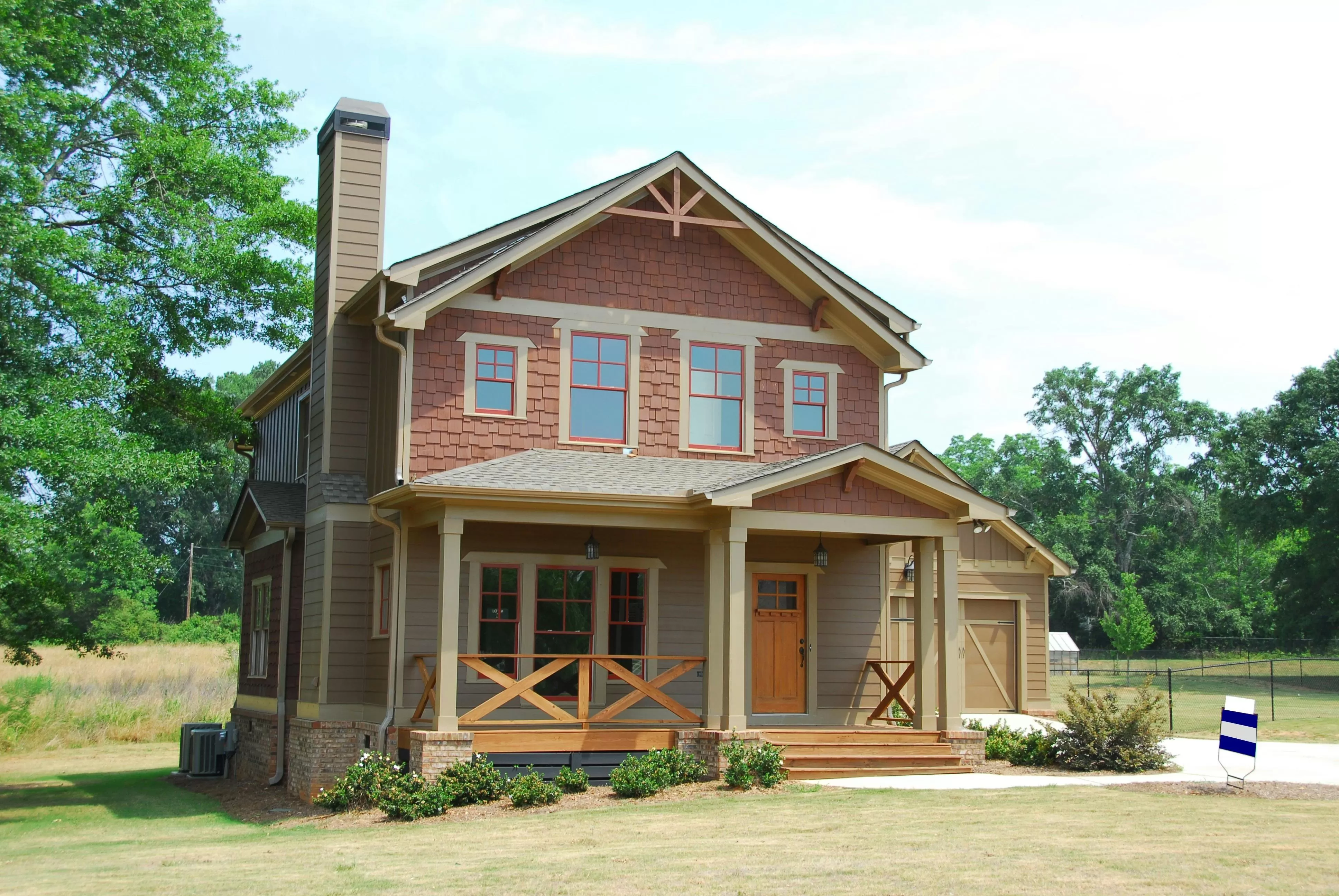
The average price of a detached house in the UK is significantly higher than that of a semi-detached home, typically commanding a premium of 25%–40% depending on region. Detached homes offer full structural independence and greater land ownership, while semi-detached properties share one wall and generally cost less to buy and maintain. Understanding this price gap is essential for buyers assessing affordability, investors evaluating yield, and sellers positioning their property in a competitive market.
What Is the Average Detached House Price in the UK?
The average detached house price in the UK typically exceeds the national average property price by a substantial margin. In recent market cycles, detached properties have commonly averaged above £430,000 nationally, while semi-detached homes have averaged closer to £270,000–£300,000. The precise figure fluctuates quarterly due to interest rates, regional demand, and housing supply.
Detached homes consistently sit at the top of the UK property pricing hierarchy. They account for a smaller proportion of total housing stock compared to semi-detached and terraced homes, contributing to sustained pricing strength. Limited supply combined with aspirational demand supports long-term value resilience.
Regional Variation in Detached House Prices
Location is the strongest determinant of detached house pricing. A detached home in London or the South East may cost more than double the price of an equivalent property in Northern England or Wales. Buyers comparing property types must evaluate local averages rather than relying solely on national data.
In higher-demand regions:
- Land values significantly increase detached home prices.
- Planning restrictions limit new detached housing supply.
- Commuter demand inflates family-home premiums.
In lower-cost regions:
- Detached homes may represent stronger value per square foot.
- Price gaps between detached and semi-detached homes may narrow slightly.
- Land availability reduces scarcity-driven premiums.
For property researchers and investors, regional benchmarking is essential before making comparisons between detached and semi-detached pricing.
How Detached Homes Compare to the Overall UK Average
Detached houses typically exceed the overall UK house price average by 35%–60%. This premium reflects not only physical separation but also larger plot sizes, increased internal square footage, and stronger appeal to higher-income buyers.
First-time buyers rarely enter the market at the detached level unless purchasing in lower-cost regions or using significant equity or family support. Detached homes are more commonly associated with second-time buyers, growing families, and equity movers.
How Much More Expensive Is a Detached Home Compared to a Semi-Detached?
On average, detached houses cost £120,000–£180,000 more than semi-detached homes across the UK. Expressed as a percentage, detached properties typically command a 25%–40% premium over semi-detached equivalents in the same postcode.
This difference reflects both structural independence and perceived lifestyle benefits. However, the gap is not uniform. In premium suburban markets, the price difference can widen significantly. In more affordable regions, the gap may narrow to closer to 20%.
What Drives the Price Gap?
The detached-versus-semi price gap is primarily driven by land value and privacy. Detached homes sit on independent plots, which increases total land ownership. In markets where land is scarce, this becomes the primary price escalator.
Additional contributing factors include:
- Greater internal floor area
- Larger gardens
- Double driveways or garages
- Reduced neighbour noise transmission
- Higher perceived status and long-term value
For investors, it is important to note that while detached homes cost more to acquire, rental yield percentages are often lower than semi-detached homes. Higher purchase prices do not always translate proportionally into higher rent.
Price Sensitivity During Market Corrections
Detached homes can be more sensitive to economic slowdowns. Because they sit at higher price points, buyer demand may soften more quickly when mortgage rates rise. Semi-detached homes, being more affordable, often maintain broader buyer pools during tightening credit conditions.
However, in stable or growing markets, detached homes frequently outperform in capital appreciation due to scarcity and aspirational demand.
Why Do Detached Houses Cost More?
Detached houses cost more primarily because they provide exclusive land ownership and structural independence. Buyers are not just purchasing a building; they are acquiring private space on all sides of the property.
1. Land Ownership and Plot Size
Land is the most valuable component of UK residential real estate. Detached properties sit on larger plots, increasing intrinsic land value. In areas with strict development controls, this land premium intensifies over time.
2. Privacy and Noise Reduction
Semi-detached homes share a party wall, which can transmit sound. Detached properties eliminate shared walls, offering greater privacy. For family buyers and remote workers, this is a significant lifestyle factor that justifies higher purchase prices.
3. Expansion Potential
Detached homes often provide greater scope for extensions, loft conversions, or garden development (subject to planning permission). Investors and long-term homeowners value this flexibility because it enables capital growth through improvement.
4. Market Perception and Buyer Psychology
Detached homes are frequently viewed as the “end goal” in the UK housing ladder. This aspirational status sustains demand even during slower markets. Semi-detached homes, while highly practical, are often considered transitional properties.
5. Insurance and Structural Autonomy
Detached properties eliminate shared structural risk. Issues affecting neighbouring properties do not directly impact the building’s core structure. While insurance premiums may be slightly higher due to rebuild cost, structural autonomy remains a key value driver.
For buyers evaluating long-term occupancy, detached homes provide control, flexibility, and insulation from neighbour-related disputes or shared maintenance complications.
How Affordability and Mortgages Differ Between Detached and Semi-Detached Homes
Detached houses require significantly higher deposits and income thresholds compared to semi-detached homes. Because lenders assess affordability based on loan size, income multiples, and stress-tested interest rates, even a 30% price difference can materially alter borrowing eligibility.
Deposit Requirements
A 10% deposit on a £450,000 detached home equals £45,000. The same percentage on a £290,000 semi-detached property equals £29,000. This £16,000 difference alone prevents many buyers from stepping up to detached homes.
Buyers with 15%–25% deposits may access better mortgage rates, but the cash requirement scales proportionally with property value. This means detached homes often demand stronger savings discipline or equity from a previous sale.
Mortgage Repayments and Stress Testing
Higher purchase prices increase monthly repayments and lender stress testing thresholds. When interest rates rise, affordability constraints disproportionately affect detached properties due to larger loan balances.
For example:
- A £360,000 mortgage carries materially higher monthly repayments than a £230,000 loan.
- Rate increases of even 1% have amplified cost impact at higher borrowing levels.
- Lenders may cap borrowing at 4–4.5 times household income, limiting detached affordability for mid-income buyers.
Semi-detached homes therefore maintain broader accessibility during tightening lending cycles, supporting liquidity in that segment of the market.
Are Running Costs Higher for Detached Houses?
Yes. Detached homes generally cost more to run due to larger floor area, exposed external walls, and higher maintenance responsibility. Buyers should assess total cost of ownership, not just purchase price.
Energy Efficiency and Heating Costs
Detached homes have four exposed external walls, increasing heat loss compared to semi-detached homes, which share one wall. Even with modern insulation, heating costs are typically higher in detached properties of similar age and specification.
Energy Performance Certificate (EPC) ratings vary by construction quality and renovation history, but size remains a key cost driver.
Maintenance and Repairs
Detached homeowners bear full responsibility for:
- Roof structure across the entire building
- External walls on all sides
- Foundations without shared structural elements
- Larger gardens and boundary fencing
Semi-detached properties may share certain structural responsibilities, reducing long-term maintenance exposure in some scenarios.
Council Tax and Insurance
Detached homes are often placed in higher Council Tax bands due to market value. Rebuild costs are also higher, influencing insurance premiums. While these differences are not extreme annually, they compound over long-term ownership.
Which Performs Better as an Investment?
Semi-detached homes often generate stronger rental yield percentages, while detached homes typically demonstrate stronger long-term capital appreciation in supply-constrained markets. The optimal choice depends on strategy.
Rental Yield Considerations
Because detached homes are more expensive to acquire, gross rental yield (annual rent divided by purchase price) may be lower than for semi-detached properties in the same area.
For example:
- A semi-detached property purchased at £280,000 and rented at £1,200 per month produces a stronger yield percentage than
- A detached property purchased at £450,000 renting at £1,600 per month.
The rental income difference rarely scales proportionally to the price difference.
Capital Growth Trends
Detached homes can outperform during long-term growth cycles because:
- Land scarcity increases intrinsic value.
- Family demand remains structurally strong.
- Upsizing buyers move into detached properties as incomes rise.
However, during downturns, semi-detached homes may prove more liquid due to lower entry price points.
Risk Profile Comparison
Detached properties carry higher concentration risk due to larger capital exposure per unit. Investors with diversified portfolios may manage this more comfortably than first-time landlords deploying limited capital.
Who Should Choose Detached vs Semi-Detached?
The right choice depends on budget, life stage, and long-term plans rather than preference alone.
Detached Homes May Suit:
- Growing families prioritising privacy and space
- Buyers planning long-term occupancy
- Households seeking extension potential
- Equity movers upgrading from smaller homes
Semi-Detached Homes May Suit:
- First-time buyers seeking affordability
- Investors targeting yield efficiency
- Buyers in high-demand commuter zones
- Households prioritising lower running costs
Buyers should model five- and ten-year financial scenarios before deciding. Upfront savings on a semi-detached home may outweigh lifestyle upgrades if financial flexibility is a priority.
Common Mistakes Buyers Make When Comparing Property Types
Many buyers focus solely on asking price without evaluating full ownership implications. This can lead to overextension or misaligned expectations.
1. Ignoring Total Cost of Ownership
Higher heating, insurance, and maintenance costs can strain household budgets over time.
2. Overestimating Resale Premium
Not all detached homes guarantee stronger resale performance. Location quality outweighs property type in many cases.
3. Underestimating Liquidity Differences
In slower markets, higher-priced detached homes may take longer to sell than semi-detached equivalents.
4. Failing to Consider Future Life Changes
Job relocation, schooling needs, or income changes can affect suitability. Buyers should plan beyond immediate lifestyle aspirations.
A measured evaluation of affordability, location, and long-term strategy leads to stronger outcomes than purely aspirational decision-making.
Future Outlook for Detached vs Semi-Detached Prices
Over the long term, detached homes are expected to maintain a price premium due to structural scarcity and stronger land-value components. Planning restrictions across many UK regions limit the supply of new detached housing, while population growth and household formation continue to sustain demand for larger family homes.
Semi-detached homes, however, are likely to remain the most liquid segment of the family housing market. Their affordability relative to detached homes ensures a consistent buyer pool across economic cycles, supporting stable transaction volumes even during higher interest-rate periods.
Several structural drivers are expected to influence the price relationship between the two property types:
- Mortgage affordability conditions and lending criteria
- Regional population growth and employment hubs
- Land availability and planning policy constraints
- Energy-efficiency regulations affecting running costs
- Household formation trends among younger buyers
While detached homes may experience greater short-term price volatility during credit tightening cycles, their long-term value growth is historically supported by scarcity and aspirational demand. Semi-detached homes tend to deliver steadier transactional demand and broader affordability resilience.
Decision Framework: Choosing the Right Property Type
Choosing between a detached and semi-detached home should be based on long-term financial sustainability, lifestyle requirements, and local market conditions rather than property type prestige alone.
Financial Considerations
- Assess borrowing capacity under stress-tested interest rates.
- Compare total ownership costs including insurance, utilities, and maintenance.
- Evaluate five- to ten-year affordability scenarios rather than short-term payments.
Lifestyle Considerations
- Future household size and space requirements
- Remote work needs and privacy expectations
- Garden size, parking, and expansion potential
Market Strategy Considerations
- Investors prioritising yield may favour semi-detached properties.
- Long-term homeowners seeking capital growth and space may favour detached homes.
- Buyers in high-cost cities may find semi-detached homes offer stronger long-term financial flexibility.
A structured decision approach helps buyers avoid overstretching financially while still meeting long-term housing objectives.
Frequently Asked Questions
What is the average price difference between detached and semi-detached homes in the UK?
Detached homes typically cost 25%–40% more than semi-detached homes in the same local market, with national average price differences commonly ranging between £120,000 and £180,000 depending on region.
Do detached homes increase in value faster than semi-detached homes?
Detached homes often show stronger long-term capital appreciation in supply-constrained areas due to land scarcity, although short-term price movements depend heavily on mortgage affordability and regional demand.
Are detached houses harder to sell than semi-detached homes?
Detached homes can take longer to sell during slower markets because of their higher price points, while semi-detached homes typically maintain broader buyer demand due to affordability.
Which property type offers better rental yield?
Semi-detached homes usually deliver higher percentage rental yields because their purchase prices are lower relative to rental income levels, while detached homes may offer stronger long-term capital growth potential.
Is it worth paying more for a detached house?
Paying more for a detached house may be worthwhile for buyers prioritising privacy, expansion potential, and long-term occupancy, provided the purchase remains comfortably affordable under future interest-rate scenarios.
Key Takeaways
- Detached homes command a consistent premium: Typically 25%–40% higher than semi-detached homes due to land ownership and privacy advantages.
- Affordability drives market liquidity: Semi-detached homes maintain broader buyer demand because of lower deposits and mortgage requirements.
- Investment outcomes differ: Semi-detached homes often provide stronger rental yield percentages, while detached homes may deliver stronger long-term capital appreciation.
- Total ownership cost matters: Detached homes generally involve higher energy, maintenance, and insurance expenses.
- Property choice should be strategic: Budget sustainability, lifestyle needs, and long-term plans should guide decisions rather than property type prestige alone.
References
- UK House Price Index – Official Statistics Publications
- Major UK Mortgage Lender Housing Market Reports
- ONS Housing Affordability and Property Type Data
- Regional Property Market Transaction Analyses