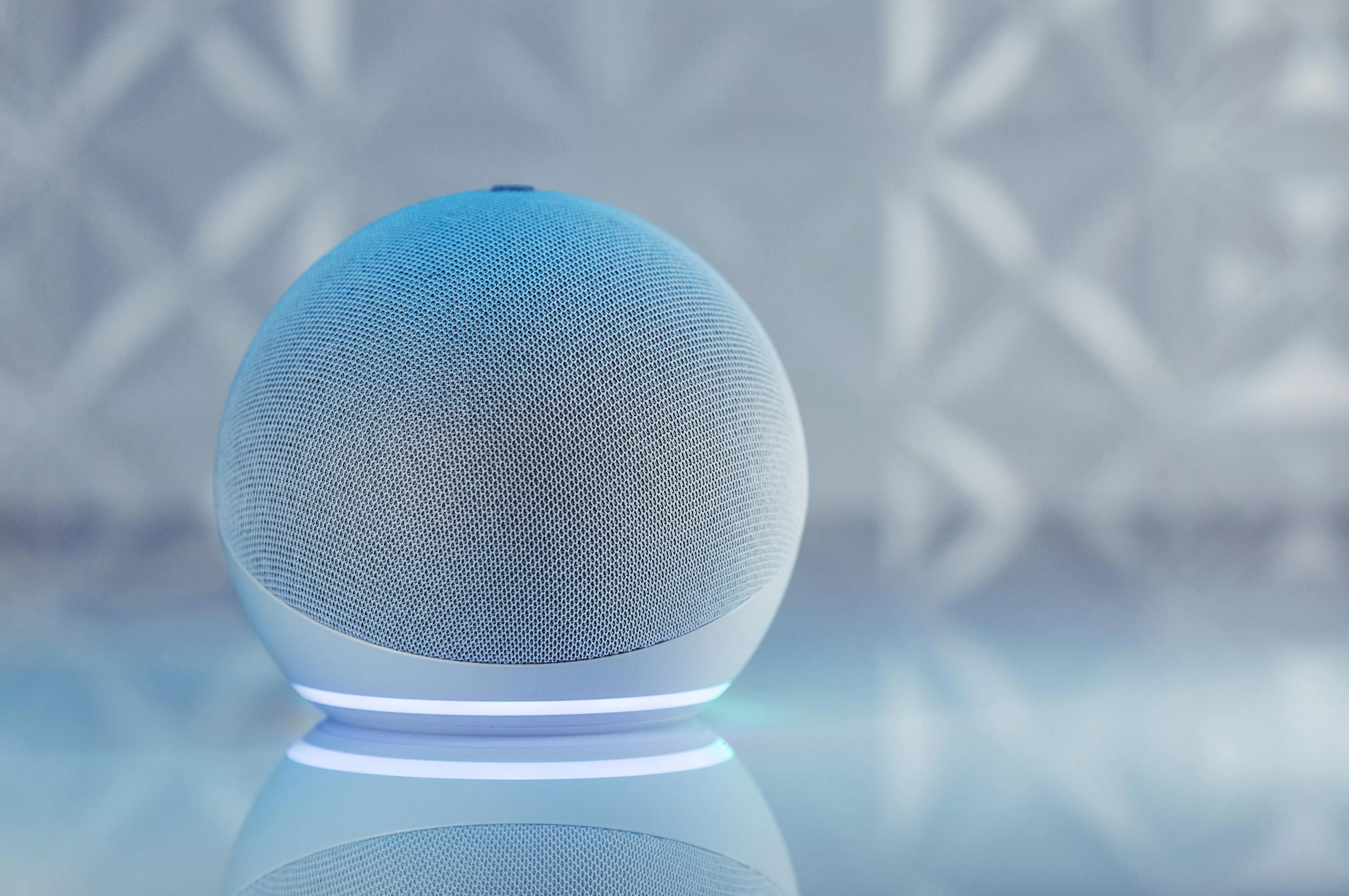
Smart homes for sale in the UK are residential properties equipped with integrated digital systems that automate and control functions such as lighting, heating, security, and appliances. These homes offer improved energy efficiency, enhanced security, and remote management via smartphones or voice assistants. For buyers and investors, they represent a growing segment of the property market where technology directly influences value, convenience, and long-term operational costs.
What Is a Smart Home in the UK?
A smart home in the UK is a property equipped with connected devices that communicate through a central system or network, allowing homeowners to monitor, automate, and control household functions remotely or automatically. These systems are typically integrated via Wi-Fi, Bluetooth, or dedicated hubs and can be managed through mobile apps or voice-controlled assistants.
Unlike traditional homes, smart homes rely on interoperability between devices. This means lighting systems can adjust based on occupancy, heating can respond to weather patterns, and security systems can notify owners in real time. In the UK property market, smart functionality is increasingly being embedded during construction rather than added post-purchase.
Smart homes can be broadly categorised into three levels:
- Basic Smart Homes: Include individual devices such as smart thermostats or security cameras without full system integration.
- Connected Smart Homes: Devices are linked through a central platform, enabling coordinated automation.
- Fully Integrated Smart Homes: Offer seamless control of all systems (lighting, HVAC, security, entertainment) through a unified interface.
For buyers evaluating smart homes for sale in the UK, understanding the level of integration is critical. A fully integrated system typically adds more value but also requires higher upfront investment and technical understanding.
Key Features Buyers Should Expect in UK Smart Homes
Smart homes in the UK vary widely in sophistication, but certain core features are increasingly considered standard. Buyers should assess not just the presence of technology, but also how effectively it is implemented and whether it supports long-term usability.
1. Smart Heating and Energy Management
Energy efficiency is a primary driver behind smart home adoption in the UK. Smart thermostats and zoned heating systems allow homeowners to control temperature room-by-room, reducing energy waste. These systems often learn user behaviour and adjust automatically, contributing to lower utility bills and improved EPC ratings.
2. Intelligent Lighting Systems
Smart lighting allows users to control brightness, colour, and scheduling through mobile apps or voice commands. Motion sensors and daylight detection can automate lighting, improving both energy efficiency and convenience.
3. Advanced Security and Surveillance
Security is one of the most valuable aspects of smart homes. Features commonly include:
- Video doorbells with live streaming
- Smart locks with remote access control
- Motion-detection cameras with alerts
- Integrated alarm systems
These systems provide real-time notifications and remote monitoring, which is particularly appealing for landlords and frequent travellers.
4. Voice and App-Based Control Systems
Centralised control is a defining feature of modern smart homes. Whether through mobile applications or voice assistants, users can manage multiple systems from a single interface. This reduces complexity and enhances user experience, especially in fully integrated properties.
5. Smart Appliances and Connected Living
Many UK smart homes now include connected appliances such as refrigerators, ovens, washing machines, and entertainment systems. These appliances can be scheduled, monitored, and controlled remotely, offering practical benefits such as energy savings and time management.
Buyers should verify compatibility between devices, as not all systems operate on the same platforms. Interoperability issues can limit functionality if not properly addressed.
6. Home Automation and Scene Setting
Automation enables multiple systems to operate simultaneously according to predefined scenarios. For example, a “leaving home” setting might turn off lights, adjust heating, and activate security systems in one command. This level of automation enhances efficiency and simplifies daily routines.
From a property perspective, well-designed automation can significantly enhance perceived value, particularly in premium or newly built developments.
Why Demand for Smart Homes Is Rising in the UK
Demand for smart homes in the UK is increasing due to a combination of technological advancement, energy efficiency requirements, and shifting buyer expectations. These properties are no longer considered niche; they are becoming a mainstream consideration in both urban and suburban markets.
1. Energy Efficiency Regulations and Rising Utility Costs
With increasing focus on sustainability and stricter energy efficiency standards, smart homes offer practical solutions for reducing consumption. Automated heating, lighting, and appliance management directly contribute to lower energy usage, making these properties more attractive in a market sensitive to rising utility costs.
2. Lifestyle Convenience and Remote Living Trends
Remote work and flexible lifestyles have increased the demand for homes that support digital connectivity and automation. Smart homes allow occupants to manage their environment efficiently, whether they are working from home or away for extended periods.
3. Security Concerns and Risk Mitigation
Enhanced security features provide reassurance to homeowners and investors alike. Real-time alerts, remote surveillance, and automated locking systems reduce risks associated with property ownership, particularly for rental properties or second homes.
4. Increasing Developer Adoption
Property developers in the UK are increasingly incorporating smart technology into new builds to differentiate their offerings. This trend is particularly evident in high-end developments and urban regeneration projects, where technology integration is used as a key selling point.
5. Long-Term Investment Value
Smart homes are often perceived as future-proof assets. As technology continues to evolve, properties already equipped with integrated systems are better positioned to retain value and attract tech-savvy buyers. For investors, this can translate into stronger rental demand and potential capital appreciation.
However, buyers should also consider maintenance, upgrade requirements, and system compatibility to ensure long-term viability.
What Do Smart Homes Cost in the UK?
Smart homes in the UK typically command a price premium compared to standard properties, but the actual cost depends on location, level of integration, and property type. Entry-level smart features may add minimal cost, while fully automated homes can significantly increase overall property value.
In major cities such as London, Manchester, and Birmingham, newly built smart apartments often include integrated systems as part of the base specification. In contrast, retrofitted smart homes may reflect incremental upgrades rather than full integration, which affects pricing consistency.
Key cost factors include:
- Level of automation: Fully integrated systems cost more than standalone smart devices
- Property size: Larger homes require more sensors, wiring, and system complexity
- Brand and ecosystem: Premium systems with proprietary platforms increase installation costs
- Installation type: New builds are more cost-efficient than retrofits
Beyond the purchase price, buyers should factor in ongoing costs such as software subscriptions, system maintenance, and future upgrades. These recurring expenses can influence the long-term affordability of smart homes.
How to Buy a Smart Home in the UK
Buying a smart home in the UK follows the standard property purchase process but requires additional due diligence related to technology infrastructure and system ownership. Buyers should evaluate both the physical property and the digital ecosystem before proceeding.
Step 1: Define Requirements and Budget
Identify the level of smart functionality required. Some buyers prioritise energy efficiency, while others focus on security or full automation. Establishing priorities helps narrow property options and avoid overpaying for unnecessary features.
Step 2: Assess Technology Infrastructure
Review the property’s connectivity, including broadband speed, Wi-Fi coverage, and system architecture. A smart home is only as effective as its network reliability. Poor connectivity can limit functionality and reduce user experience.
Step 3: Verify System Compatibility and Ownership
Confirm whether devices are interoperable and whether accounts, licences, and software subscriptions can be transferred upon purchase. Some systems are tied to the previous owner, which can complicate handover.
Step 4: Conduct Specialist Surveys
In addition to standard property surveys, consider a technical assessment of installed systems. This can identify outdated hardware, integration issues, or potential upgrade requirements.
Step 5: Legal Checks and Contracts
Ensure all smart systems are included in the sale agreement. Fixtures such as integrated lighting, thermostats, and security systems should be explicitly listed to avoid disputes.
Step 6: Post-Purchase Setup and Configuration
After completion, reconfigure all systems, update passwords, and reset devices to ensure full control and security. This step is essential to protect personal data and ensure proper functionality.
Legal and Technical Considerations
Smart homes introduce additional legal and technical considerations beyond standard property transactions. Buyers must ensure compliance with data protection laws, system ownership clarity, and installation standards.
Data Privacy and Security
Smart devices collect and process user data, including usage patterns and video recordings. Buyers should verify that systems comply with UK data protection regulations and that all previous user data has been securely removed.
Ownership of Installed Systems
Not all smart systems are automatically included in a property sale. Some devices may be leased, subscription-based, or tied to third-party contracts. Legal clarity is essential to avoid unexpected costs or service disruptions.
Building Regulations and Certifications
Electrical installations and smart systems must comply with UK building regulations. Buyers should request documentation confirming proper installation, especially for complex automation systems.
Insurance Implications
Smart security systems can reduce insurance premiums, but insurers may require specific certifications or maintenance standards. Conversely, poorly maintained systems could increase risk exposure.
Advantages and Limitations of Smart Homes
Smart homes offer measurable benefits, but they also introduce practical limitations that buyers should evaluate carefully before making a decision.
Advantages
- Energy efficiency: Automated systems reduce waste and lower utility costs
- Convenience: Centralised control simplifies daily living
- Enhanced security: Real-time monitoring improves safety
- Future readiness: Aligns with evolving technology trends
- Increased property appeal: Attracts modern buyers and tenants
Limitations
- Higher upfront cost: Advanced systems increase purchase price
- Maintenance requirements: Regular updates and servicing needed
- Compatibility issues: Not all devices integrate seamlessly
- Cybersecurity risks: Vulnerable systems can be exploited if not secured
- Learning curve: Users may require time to fully utilise features
Understanding these trade-offs is essential for making an informed purchase decision, particularly for first-time buyers unfamiliar with smart technology.
Common Mistakes Buyers Should Avoid
Many buyers focus on the appeal of smart features without fully evaluating their practicality, long-term costs, or technical limitations. Avoiding common mistakes can prevent costly issues after purchase.
- Overvaluing technology: Not all smart features add meaningful value or usability
- Ignoring compatibility: Mixing incompatible systems can limit functionality
- Neglecting network quality: Poor connectivity undermines smart performance
- Skipping technical inspections: Hidden issues may go unnoticed without expert review
- Overlooking upgrade costs: Technology evolves quickly, requiring future investment
A structured evaluation approach ensures that buyers invest in systems that deliver long-term benefits rather than short-term novelty.
Future Trends in UK Smart Homes
Smart homes in the UK are evolving beyond convenience into fully adaptive living environments. The next phase of development focuses on predictive automation, deeper energy integration, and enhanced interoperability across devices and platforms.
AI-Driven Home Automation
Future smart homes are expected to rely more heavily on artificial intelligence to anticipate user behaviour. Systems will increasingly learn patterns such as occupancy, temperature preferences, and daily routines, adjusting settings automatically without manual input.
Integration with Renewable Energy Systems
As sustainability becomes a priority, smart homes are integrating with solar panels, battery storage, and electric vehicle charging systems. This allows homeowners to optimise energy usage, store excess power, and reduce reliance on the grid.
Improved Interoperability Standards
One of the main limitations of current smart homes is device compatibility. Emerging standards aim to unify ecosystems, enabling different brands and systems to work seamlessly together, reducing fragmentation and improving user experience.
Health and Wellbeing Monitoring
Advanced sensors are being introduced to monitor air quality, humidity, and even sleep patterns. These features position smart homes as environments that actively support occupant health, rather than simply providing automation.
For buyers and investors, these trends indicate that smart homes are likely to become more sophisticated and more standardised, reinforcing their role in the future UK housing market.
Who Should Consider Buying a Smart Home?
Smart homes are not universally suitable for every buyer, but they offer clear advantages for specific groups depending on lifestyle, investment goals, and technical preferences.
First-Time Buyers
For first-time buyers, smart homes can simplify energy management and security, reducing ongoing costs and improving convenience. However, affordability and long-term maintenance should be carefully evaluated.
Property Investors and Landlords
Smart features can increase rental appeal, particularly among younger tenants and professionals. Energy-efficient properties may also align with regulatory requirements, making them more viable as long-term investments.
Homeowners Seeking Efficiency
Buyers focused on reducing energy consumption and improving home efficiency benefit significantly from smart systems. Automated heating and lighting contribute to measurable savings over time.
Technology-Oriented Buyers
Individuals comfortable with digital ecosystems are more likely to fully utilise smart home capabilities. For these buyers, the value extends beyond convenience into lifestyle integration.
Ultimately, suitability depends on how well the technology aligns with the buyer’s needs rather than the presence of features alone.
Frequently Asked Questions
Are smart homes more expensive than traditional homes in the UK?
Yes, smart homes generally cost more due to integrated technology systems. However, the premium varies depending on the level of automation and property location. Long-term savings on energy and maintenance can offset some of the initial costs.
Do smart home features increase property value?
Smart features can enhance property appeal and may contribute to higher resale value, particularly in competitive urban markets. However, the impact depends on the quality, usability, and integration of the technology.
Can smart home systems be upgraded after purchase?
Most smart systems can be upgraded, but compatibility must be considered. Modular systems are easier to expand, while proprietary ecosystems may limit flexibility.
Are smart homes secure from cyber threats?
Smart homes can be secure if properly configured. Regular software updates, strong passwords, and secure networks are essential to minimise risks.
Is a smart home suitable for rental properties?
Yes, smart homes can be attractive for tenants and may justify higher rental yields. Landlords should ensure systems are easy to use and maintain.
Key Takeaways
- Smart homes combine property and technology: They integrate automation, energy management, and security into a single ecosystem.
- Costs vary significantly: Pricing depends on integration level, location, and system complexity.
- Due diligence is essential: Buyers must assess compatibility, ownership, and infrastructure before purchasing.
- Benefits include efficiency and convenience: Smart systems can reduce energy usage and improve daily living.
- Future growth is expected: Advancements in AI and sustainability will continue to shape the smart home market.
References
- UK Government guidance on energy efficiency and smart technologies in residential properties
- Industry reports on smart home adoption trends in the UK housing market
- Property market analysis from major UK real estate platforms and developers
- Consumer technology standards and interoperability frameworks