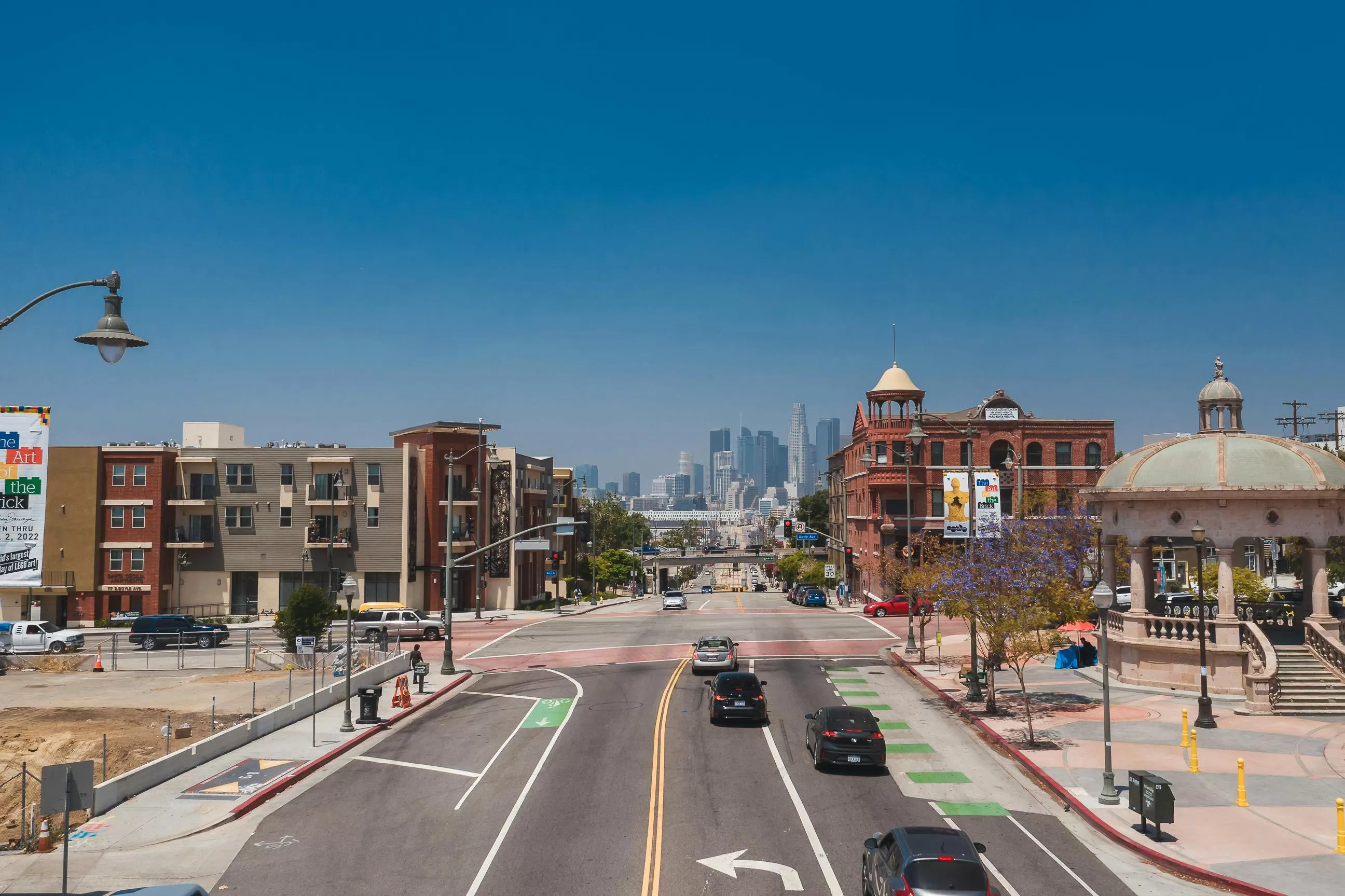
Los Angeles offers a wide spectrum of residential markets, but only a handful of neighbourhoods consistently balance long-term property value growth with market stability. Areas such as Pasadena, Culver City, Sherman Oaks, and Playa Vista stand out because they combine strong employment access, high demand, limited housing supply, and established community infrastructure. For buyers evaluating where to purchase a home in Los Angeles, the most stable neighbourhoods are typically those with diversified local economies, quality schools, transit access, and steady buyer demand during both strong and slow housing cycles.
How the Los Angeles Housing Market Shapes Neighborhood Investment
Buying a home in Los Angeles is fundamentally different from purchasing property in many other U.S. cities because the region operates as a network of micro-markets rather than a single housing market. Each neighbourhood responds differently to economic cycles, development patterns, job centres, and lifestyle demand. As a result, identifying areas that offer both property appreciation and long-term stability requires examining local fundamentals rather than relying on citywide trends.
Los Angeles County has long experienced structural housing shortages. Limited land availability, strict zoning regulations, and population density contribute to constrained supply. When demand rises—driven by employment growth, migration, or technology expansion—neighbourhoods with strong infrastructure and amenities typically experience the most consistent appreciation.
However, growth alone does not guarantee stability. Some areas see rapid price increases but experience volatility during economic slowdowns. Stable neighbourhoods tend to show steady demand from both homeowners and long-term investors, supported by factors such as schools, transportation access, local employment hubs, and established residential character.
For buyers evaluating Los Angeles neighbourhoods, the key is to distinguish between short-term market momentum and structural demand. Areas that combine employment proximity, community amenities, and housing scarcity typically maintain value through market cycles while continuing to appreciate over time.
Neighbourhoods near technology corridors, film industry hubs, medical centres, and major universities frequently demonstrate stronger long-term performance. Access to public transportation systems such as the Metro Rail network and major freeway connections, also significantly influences property demand.
Because Los Angeles is geographically large and economically diverse, the most stable real estate investments are often found in neighbourhoods that function as self-contained communities. These areas attract families, professionals, and long-term residents rather than speculative buyers, creating a resilient housing market even during broader economic fluctuations.
What Makes a Los Angeles Neighborhood Strong for Property Growth
The neighbourhoods that consistently perform well in Los Angeles real estate share a set of structural characteristics. Buyers looking for both appreciation potential and long-term stability should evaluate these factors before selecting a location.
1. Proximity to Major Employment Centres
Access to major job hubs is one of the strongest drivers of housing demand in Los Angeles. Areas close to employment clusters such as Downtown Los Angeles, Santa Monica, Century City, Burbank, and the Silicon Beach technology corridor attract professionals seeking shorter commutes.
Neighbourhoods that maintain strong connectivity to these job centres tend to experience steady buyer demand even when overall housing markets slow. Proximity to film studios, technology companies, financial districts, and medical campuses can significantly influence home values.
2. School Quality and Family Appeal
School districts play a significant role in determining housing demand in Los Angeles. Neighbourhoods with well-rated public schools or access to reputable private institutions attract families who plan to remain in the area for many years. This long-term residency contributes to housing market stability.
Family-oriented neighbourhoods typically show lower turnover rates, stable property values, and consistent demand from new buyers entering the market. As a result, homes in these areas often retain value even during economic downturns.
3. Housing Supply Constraints
Los Angeles faces one of the most restrictive housing supply environments in the United States. Neighbourhoods with limited development opportunities—due to zoning rules, geographic boundaries, or established residential character—often experience stronger long-term appreciation.
Areas dominated by single-family homes, historic districts, or hillside communities often maintain stable values because new housing inventory remains limited. This scarcity increases competition among buyers and supports price resilience.
4. Transportation Infrastructure
Transportation access has become increasingly important in Los Angeles housing decisions. Neighbourhoods located near Metro rail stations, major freeway connections, or commuter corridors often attract professionals seeking manageable commutes.
As public transportation expands and traffic congestion continues to affect daily travel times, homes located near transit hubs are expected to maintain strong demand. Buyers frequently prioritise areas that offer multiple commuting options.
5. Walkability and Community Amenities
Walkable neighbourhoods with restaurants, shopping districts, parks, and cultural amenities tend to attract both homeowners and renters. Areas with vibrant local economies and active street life create desirable living environments that support long-term property values.
Neighbourhoods that combine residential streets with nearby commercial corridors—such as small business districts, farmers' markets, and entertainment venues—often appeal to a wide range of buyers.
6. Long-Term Development Investment
Public and private investment can transform neighbourhood demand over time. Infrastructure improvements, mixed-use developments, transit expansion, and commercial revitalisation projects often increase housing demand and property values.
Buyers evaluating Los Angeles neighbourhoods should monitor long-term development plans, including transit projects, technology campuses, and urban redevelopment initiatives. These factors frequently shape housing markets years before their full impact becomes visible.
Which Los Angeles Neighbourhoods Show the Best Balance of Growth and Stability
Best Neighborhoods to Buy a Home in Los Angeles: Several Los Angeles neighbourhoods consistently demonstrate strong demand, stable property values, and long-term appreciation potential. These areas attract a diverse mix of buyers, including families, professionals, and investors seeking reliable real estate markets.
Pasadena
Pasadena is widely considered one of the most stable housing markets in the greater Los Angeles area. Located northeast of Downtown Los Angeles, the city offers a combination of historic neighbourhoods, strong schools, and a vibrant commercial centre.
The area benefits from its own employment base, cultural institutions, and established residential character. Major institutions such as the California Institute of Technology and the Jet Propulsion Laboratory contribute to a stable professional population.
Pasadena also offers architectural diversity, including Craftsman homes, historic estates, and well-maintained mid-century properties. Limited housing inventory and consistent demand from families help maintain long-term property value stability.
Culver City
Culver City has emerged as one of the most desirable real estate markets in Los Angeles due to its proximity to the rapidly expanding technology sector known as Silicon Beach. Major technology companies, streaming platforms, and media firms have established offices in the area, increasing demand for nearby housing.
The neighbourhood offers a compact urban centre, strong public schools, and convenient access to both Santa Monica and Downtown Los Angeles. Its walkable downtown district, restaurants, and entertainment venues attract professionals seeking an active urban lifestyle.
Housing supply in Culver City remains relatively limited compared with demand, which contributes to steady price appreciation. The combination of technology employment, transit access, and community amenities continues to support strong housing demand.
Sherman Oaks
Located in the San Fernando Valley, Sherman Oaks offers a balance between suburban living and access to major employment hubs. The neighbourhood provides relatively larger homes and quieter residential streets compared with many central Los Angeles communities.
The area benefits from convenient freeway connections to both the Westside and Downtown Los Angeles, making it attractive to professionals in the entertainment, media, and corporate sectors.
Sherman Oaks has also developed a strong retail and dining corridor along Ventura Boulevard, which enhances local lifestyle appeal. Because the neighbourhood attracts long-term homeowners and families, housing turnover remains moderate, supporting market stability.
Why Playa Vista Is One of the Fastest-Growing Residential Markets in Los Angeles
Playa Vista has become one of the most strategically positioned housing markets in Los Angeles because it sits at the centre of the Silicon Beach technology corridor. The neighbourhood was developed with a modern master-planned design that integrates residential housing, office campuses, parks, and retail districts into a walkable urban environment.
Major technology and media companies operate nearby, including firms involved in streaming, gaming, and digital media production. This concentration of employment has created strong housing demand from professionals seeking to live close to work while avoiding long commutes across Los Angeles.
Unlike many older neighbourhoods in the region, Playa Vista offers newer construction housing with contemporary layouts, energy-efficient design, and integrated community planning. Residential options include townhomes, condominiums, and single-family homes built within organised residential clusters.
The neighbourhood also benefits from carefully designed green spaces and public amenities. Parks, walking trails, and recreational areas are integrated into the development, which increases lifestyle appeal for families and young professionals.
Another important factor supporting Playa Vista’s real estate stability is controlled development. Because the neighbourhood was built as a master-planned community, expansion occurs in carefully managed phases rather than uncontrolled growth. This helps maintain property value consistency and prevents oversupply.
Buyers considering Playa Vista often prioritise proximity to technology employment, modern housing infrastructure, and planned community amenities. As the Silicon Beach economy continues to evolve, demand for housing in the surrounding neighbourhoods is expected to remain strong.
How Studio City Balances Suburban Comfort With Urban Accessibility
Studio City consistently ranks among the most desirable neighbourhoods in Los Angeles for buyers seeking a balance between quiet residential living and access to major employment centres. Located near the Hollywood Hills and the San Fernando Valley, the neighbourhood offers convenient connectivity to both entertainment industry hubs and business districts.
The area has long been associated with the television and film industry. Production studios and media companies located nearby attract professionals who prefer living close to work without residing in high-density urban neighbourhoods.
Studio City also benefits from its proximity to the Hollywood Hills and surrounding natural landscapes. Many homes feature hillside views, tree-lined streets, and architectural variety that includes mid-century homes, contemporary properties, and renovated traditional houses.
Ventura Boulevard forms the commercial heart of the community. The corridor offers restaurants, cafés, boutiques, and neighbourhood services that create a walkable environment without the density found in central Los Angeles districts.
One of the key advantages of Studio City as a real estate investment is its consistent demand from multiple buyer groups. Families, entertainment professionals, and long-term residents all compete for housing in the area. This diversity of demand helps maintain property values even during broader housing market slowdowns.
The neighbourhood’s access to the Metro Red Line and major freeway routes also supports its long-term desirability. Buyers who commute to Hollywood, Downtown Los Angeles, or Burbank studios often find Studio City to be a practical residential location.
Why Los Feliz Remains a Stable Long-Term Investment Neighborhood
Los Feliz is widely regarded as one of Los Angeles’s most architecturally distinctive and culturally established neighbourhoods. Located near Griffith Park and just north of Hollywood, the area combines historic residential character with proximity to major entertainment and employment districts.
The neighbourhood is known for its historic homes, including Spanish Revival houses, mid-century architecture, and properties designed by influential architects. Because many of these homes are protected within historic preservation zones, large-scale redevelopment remains limited. This scarcity contributes to stable long-term property values.
Another important factor supporting the Los Feliz housing market is its unique blend of urban and residential amenities. The neighbourhood’s commercial districts offer restaurants, independent retailers, theatres, and cultural venues that attract both residents and visitors.
Griffith Park, one of the largest urban parks in the United States, sits directly adjacent to Los Feliz. Access to hiking trails, open space, and recreation adds significant lifestyle value for homeowners. Proximity to such a large green space is relatively rare within Los Angeles and increases neighbourhood desirability.
Los Feliz also benefits from its location between several major employment centres, including Hollywood, Downtown Los Angeles, and Burbank’s media studios. This central positioning allows residents to commute in multiple directions depending on their workplace.
Because the neighbourhood appeals to professionals, artists, academics, and families, housing demand remains diversified. This variety of buyer profiles contributes to long-term market stability and helps prevent rapid fluctuations in property values.
Key Financial and Market Considerations When Buying in Los Angeles
Purchasing a home in Los Angeles requires careful financial planning because housing costs extend beyond the purchase price. Buyers should understand the broader financial commitments involved before selecting a neighbourhood.
Property Taxes
California property taxes are generally based on the home's purchase price and remain relatively predictable due to statewide tax limitations. However, additional local assessments and community improvement bonds can increase total tax obligations depending on the neighbourhood.
Insurance and Natural Risk Factors
Certain Los Angeles neighbourhoods, particularly hillside communities or areas near wildfire zones, may require specialised homeowners' insurance policies. Buyers should review insurance requirements carefully before committing to a property purchase.
Home Maintenance and Renovation Costs
Many Los Angeles neighbourhoods contain older homes with historic or mid-century architecture. While these properties offer strong character and long-term value, they may also require renovation or modernisation. Buyers should account for potential structural upgrades, seismic retrofitting, and energy efficiency improvements.
Transportation and Commuting Costs
Because Los Angeles is geographically expansive, commuting costs can influence long-term housing affordability. Fuel expenses, parking, public transportation fees, and travel time should all be considered when evaluating a neighbourhood’s practical affordability.
Homeowners Associations
In newer communities such as Playa Vista, buyers may encounter homeowners' association fees that cover shared amenities, landscaping, and community infrastructure. While these fees can support property values and neighbourhood maintenance, they represent an additional financial commitment that should be included in budgeting calculations.
Common Mistakes Buyers Make When Choosing a Los Angeles Neighborhood
Selecting the right neighbourhood is one of the most important decisions in the home-buying process. However, many buyers focus too heavily on short-term factors while overlooking structural characteristics that determine long-term property value.
Prioritizing Price Over Market Stability
Some buyers target the least expensive neighbourhoods without considering long-term demand trends. While lower purchase prices may appear attractive initially, neighbourhoods with weak employment access or limited infrastructure can experience slower property valuation appreciation.
Ignoring Commute Patterns
Los Angeles traffic patterns significantly influence daily quality of life. Buyers who underestimate commuting challenges may later find themselves spending hours each day travelling to work. Evaluating realistic commute times during peak hours is an essential step in neighbourhood selection.
Overlooking Local Development Plans
Future infrastructure projects, zoning changes, and commercial developments can dramatically alter neighbourhood dynamics. Buyers who research long-term planning documents often gain valuable insight into how an area may evolve over the next decade.
Focusing Only on Current Market Conditions
Housing markets fluctuate over time. Buyers who evaluate neighbourhoods solely based on current price trends may overlook areas with stronger long-term fundamentals. Stability often comes from structural demand drivers rather than short-term price increases.
Careful research, neighbourhood visits, and professional consultation can help buyers avoid these common mistakes and identify locations that offer both financial stability and long-term growth potential.
Emerging Los Angeles Neighborhoods With Future Growth Potential
In addition to established residential districts, several Los Angeles neighbourhoods are gaining attention from buyers and investors because of redevelopment activity, infrastructure investment, and shifting demand patterns. These areas may not yet have the same price stability as long-established neighbourhoods, but they often present opportunities for long-term appreciation when supported by strong economic fundamentals.
Highland Park
Highland Park, located in Northeast Los Angeles, has experienced significant revitalisation during the past decade. Historic homes, improved commercial corridors, and increased interest from younger buyers have reshaped the local housing market.
The neighbourhood benefits from its proximity to Pasadena, Downtown Los Angeles, and major Metro rail lines. Small businesses, restaurants, and creative industries have gradually expanded in the area, increasing residential demand.
Although prices have risen, Highland Park still offers housing options that are relatively more accessible than some central Los Angeles neighbourhoods. Buyers seeking long-term appreciation potential often monitor the area closely as redevelopment continues.
West Adams
West Adams is another neighbourhood attracting growing buyer interest due to its central location and architectural history. Many homes in the area feature early twentieth-century architecture, including Craftsman and Victorian designs.
The neighbourhood sits between Downtown Los Angeles and Culver City, placing residents within reach of both business districts. Improvements to public transportation and nearby commercial development have contributed to increasing housing demand.
As preservation and renovation efforts continue, West Adams may remain an area where buyers find properties with strong long-term potential, particularly for those interested in historic housing.
Glassell Park
Glassell Park, located northeast of Downtown Los Angeles near Eagle Rock and Highland Park, has gradually attracted attention from buyers seeking hillside views and residential quiet while remaining connected to central employment hubs.
The neighbourhood offers a mixture of mid-century homes and renovated properties. Because housing supply remains limited and development is constrained by hillside geography, property availability is relatively tight.
For buyers who prioritise location, character homes, and long-term appreciation potential, Glassell Park represents a neighbourhood worth careful consideration.
How Buyers and Investors Evaluate Neighborhood Stability in Los Angeles
Experienced buyers and property investors typically evaluate Los Angeles neighbourhoods using several long-term indicators rather than relying solely on current listing prices. These indicators help determine whether a neighbourhood is likely to maintain demand during both strong and weak housing cycles.
Employment Diversity
Neighbourhoods located near multiple employment sectors tend to perform better during economic fluctuations. Areas that rely heavily on a single industry may experience greater volatility if that industry slows.
In Los Angeles, neighbourhoods that provide access to entertainment, technology, healthcare, education, and financial sectors often demonstrate more stable housing demand.
Population Stability
Areas with long-term residents and lower turnover rates typically show stronger housing market stability. Homeowners who remain in a community for extended periods contribute to consistent demand and neighbourhood maintenance.
Neighbourhoods with strong school districts, family housing, and community institutions often develop this type of long-term residency pattern.
Infrastructure and Transit Expansion
Infrastructure improvements can significantly influence neighbourhood growth. New transit lines, upgraded transportation corridors, and commercial development projects often attract additional residents and businesses.
Buyers who follow regional infrastructure planning can identify neighbourhoods that may benefit from improved accessibility in the future.
Housing Scarcity
Los Angeles neighbourhoods with strict zoning regulations or limited developable land often maintain stronger price resilience. Scarcity increases competition among buyers and helps stabilise property values over time.
Communities with established residential zoning and historic preservation protections frequently fall into this category.
Long-Term Housing Outlook for Los Angeles Residential Markets
The long-term outlook for Los Angeles residential real estate remains closely tied to the region’s economic strength, population patterns, and housing supply constraints. Despite periodic market cycles, the broader metropolitan area continues to attract residents due to its diverse economy, cultural influence, and global connectivity.
Employment opportunities in technology, entertainment, international trade, healthcare, and education continue to draw professionals from across the United States and abroad. This consistent influx of residents sustains housing demand across multiple neighbourhoods.
At the same time, strict zoning regulations and limited land availability continue to restrict large-scale housing development in many parts of the city. These structural supply constraints have historically supported long-term property value appreciation in desirable neighbourhoods.
Transportation infrastructure improvements, including expansions of the Metro rail system, may also reshape housing demand patterns in the coming decades. Neighbourhoods with strong transit access could see additional residential growth as commuting preferences evolve.
While market conditions may fluctuate in response to economic cycles, neighbourhoods with strong fundamentals—such as access to employment, community infrastructure, and limited housing supply—are likely to remain among the most stable residential markets in Los Angeles.
Frequently Asked Questions
What is the safest neighbourhood in Los Angeles to buy a house?
Neighbourhood safety varies across the city, but areas such as Pasadena, Studio City, and Culver City are often considered stable residential markets with strong community infrastructure, family housing, and consistent property demand.
Which Los Angeles neighbourhoods have the best long-term property appreciation?
Neighbourhoods with strong employment access, limited housing supply, and established residential demand tend to experience the most reliable long-term appreciation. Areas such as Culver City, Pasadena, Los Feliz, and Playa Vista frequently show these characteristics.
Is Los Angeles real estate still a good long-term investment?
Los Angeles real estate has historically maintained long-term value due to population demand, economic diversity, and limited housing supply. Buyers who select neighbourhoods with strong fundamentals often benefit from steady property appreciation over extended periods.
What factors matter most when choosing a Los Angeles neighbourhood?
Key factors include proximity to employment centres, school quality, transportation access, housing supply limitations, and long-term development plans. These characteristics strongly influence both property demand and future value stability.
Are emerging neighbourhoods in Los Angeles worth considering for buyers?
Emerging neighbourhoods may offer opportunities for appreciation when supported by infrastructure investment and economic growth. Buyers should carefully evaluate local development plans, housing supply conditions, and neighbourhood demand trends before making a decision.
Key Takeaways
- Location Drives Value: Neighbourhoods near employment centres and transit infrastructure tend to maintain stronger long-term housing demand.
- Supply Constraints Matter: Areas with limited development opportunities often show more stable property values due to housing scarcity.
- Established Communities Offer Stability: Neighbourhoods with strong schools, family housing, and long-term residents typically demonstrate more resilient real estate markets.
- Emerging Areas Can Offer Growth: Redeveloping neighbourhoods such as Highland Park and West Adams may present future appreciation potential when supported by infrastructure investment.
- Research Is Essential: Evaluating economic fundamentals, local development plans, and transportation access helps buyers identify neighbourhoods with both growth potential and long-term stability.
References
- Los Angeles Department of City Planning – Housing and Community Development Reports
- California Association of Realtors – Housing Market Research
- U.S. Census Bureau – Population and Housing Data
- Los Angeles Metro – Transportation and Infrastructure Planning Documents
- Urban Land Institute – Residential Development and Housing Market Analysis