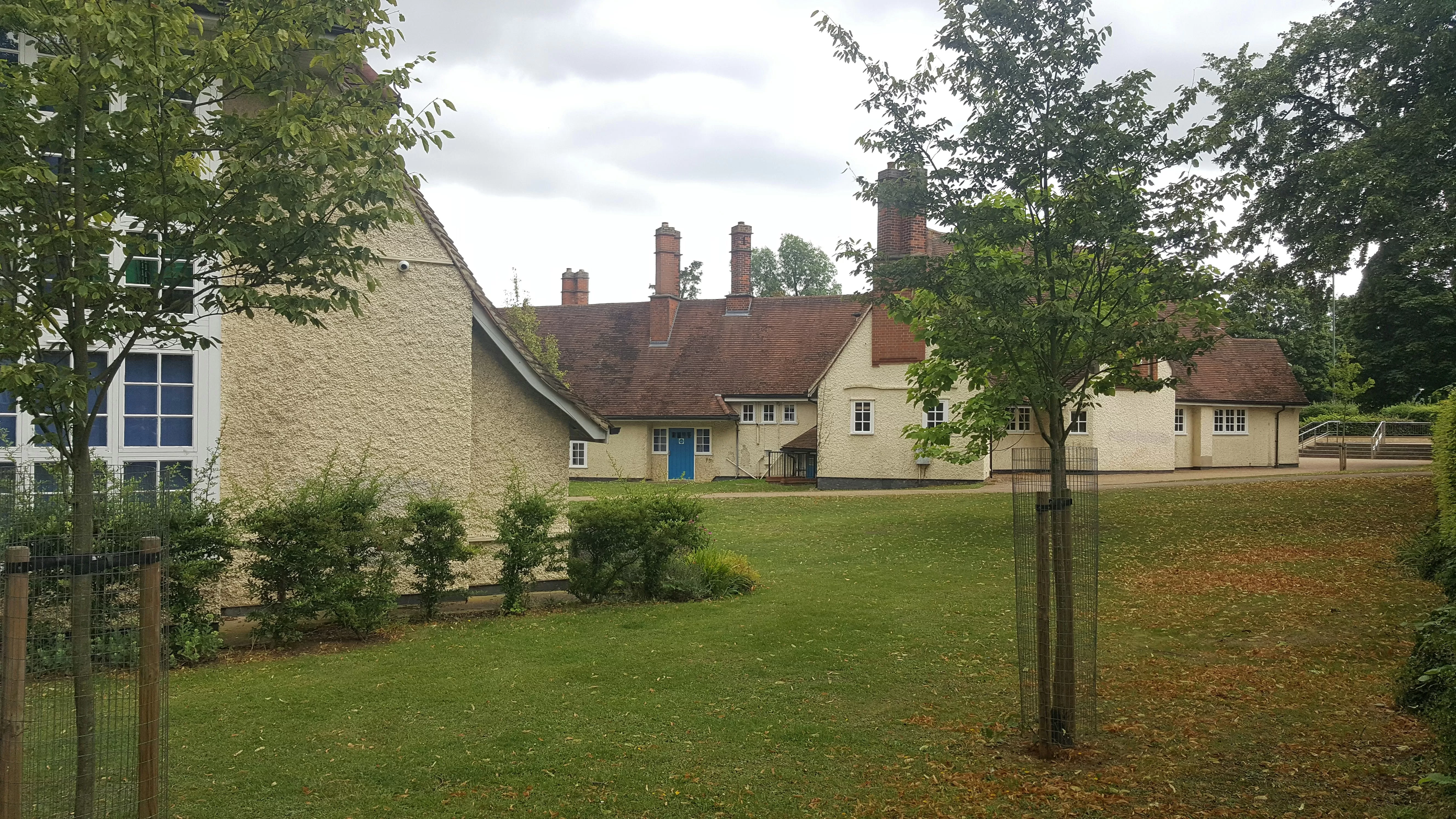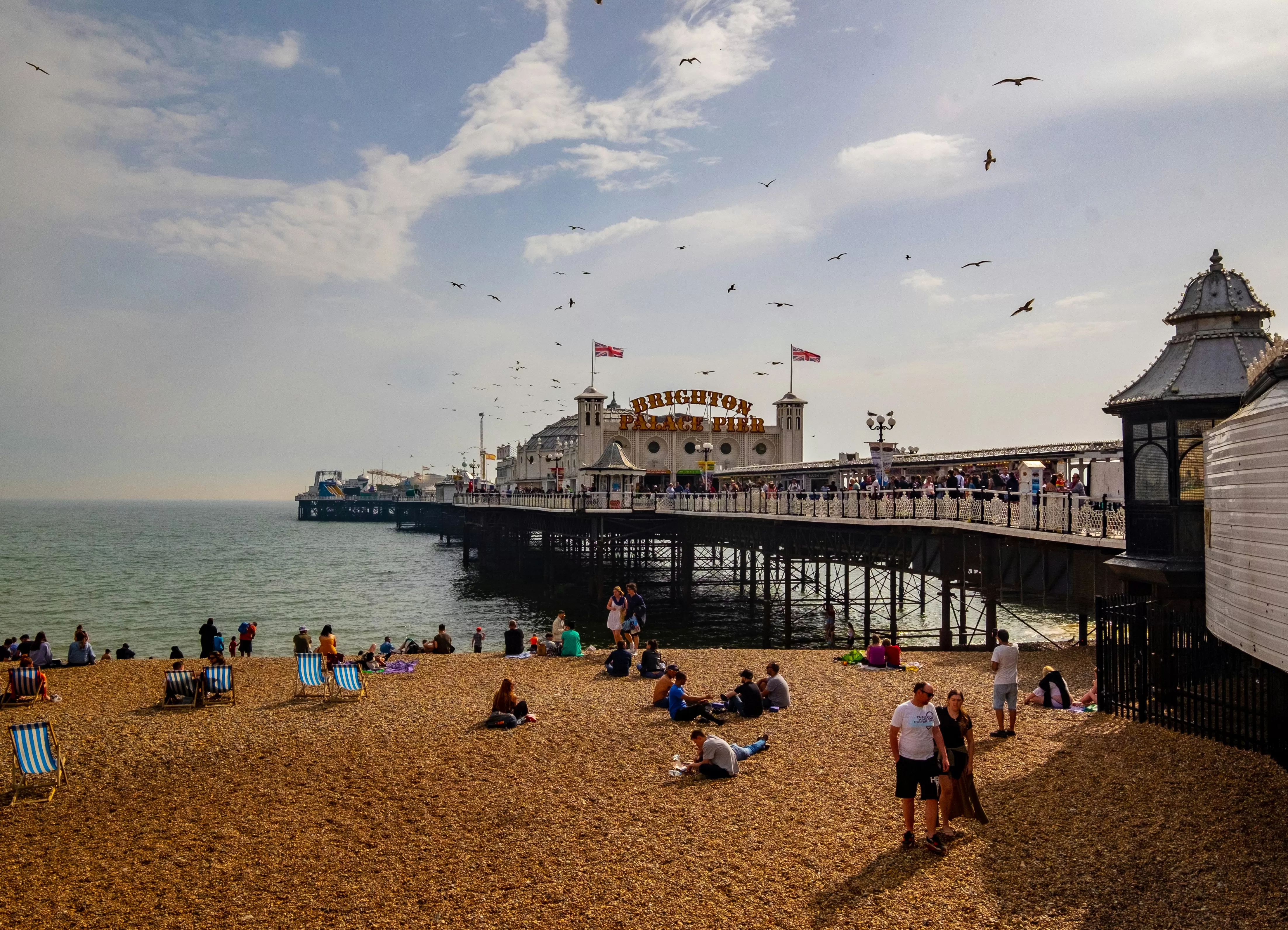
Houses with private swimming pools in Brighton are uncommon but firmly established within the city’s high-value coastal and suburban markets. Most are large detached homes, seafront villas, or architect-designed properties in elevated neighbourhoods, where plot size, privacy, and premium pricing support both indoor and outdoor pool installations.
BRIGHTON POOL PROPERTY MARKET OVERVIEW
Brighton’s housing stock is dominated by Victorian terraces, converted flats, and tightly packed urban streets, which limits the natural supply of homes with private swimming pools. Pool-equipped houses are therefore a niche segment, typically found in premium price brackets and purpose-built or extensively remodelled properties.
The majority of swimming pools in Brighton homes are either indoor pools designed for year-round use or sheltered outdoor pools positioned to maximise sunlight and sea views. Outdoor pools benefit from Brighton’s relatively mild coastal climate compared to much of the UK, but still require careful design to remain practical beyond peak summer months.
From a market standpoint, a swimming pool in Brighton is viewed as a lifestyle enhancement rather than a standard feature. It does not automatically increase value across all buyer segments, but it can significantly strengthen appeal among high-net-worth buyers, second-home purchasers, and households relocating from international or metropolitan markets where private pools are more common.
SEAFRONT VS SUBURBAN POOL HOMES
Seafront houses with swimming pools in Brighton are exceptionally rare and usually confined to large period villas or contemporary redevelopments along the city’s most prestigious coastal stretches. These properties prioritise panoramic views, privacy, and architectural integration, with pools often positioned as indoor leisure facilities or elevated outdoor features shielded from wind exposure.
Suburban pool homes are more common than seafront equivalents, particularly in areas such as Hove Park, Withdean, Patcham, and the fringes of Rottingdean. Larger gardens and detached plots allow greater flexibility for outdoor pools, pool houses, or combined gym and leisure extensions without compromising living space.
Buyers comparing seafront and suburban options typically weigh lifestyle priorities against maintenance and exposure considerations. Coastal properties face higher corrosion risk and stricter planning oversight, while suburban homes offer easier servicing access and lower long-term maintenance complexity.
WHO BUYS HOUSES WITH POOLS IN BRIGHTON
Demand for houses with swimming pools in Brighton is driven primarily by affluent owner-occupiers rather than investors. Many buyers are families seeking long-term homes with private leisure amenities, as well as professionals relocating from London who prioritise lifestyle features alongside coastal living.
Second-home buyers also play a role, particularly in seafront and near-coastal markets. For this group, pools are valued as private alternatives to public beaches and leisure centres, offering controlled environments for children and guests.
From a commercial investigation perspective, buyers tend to be highly analytical. Running costs, insurance implications, and future resale liquidity are assessed carefully, with preference given to energy-efficient systems, modern safety controls, and pools that do not dominate usable garden or internal space.
TYPES OF SWIMMING POOLS IN BRIGHTON HOMES
The most common swimming pools found in Brighton houses are indoor pools and sheltered outdoor pools designed to mitigate coastal weather exposure. Indoor pools are favoured for year-round usability and reduced sensitivity to wind and temperature variation, particularly in seafront and elevated locations.
Outdoor pools are more prevalent in suburban neighbourhoods with south-facing gardens and natural wind protection. These installations often include retractable enclosures, thermal covers, or hybrid designs that extend seasonal use while controlling heat loss and maintenance demands.
A smaller but growing segment of high-end properties incorporates plunge pools or resistance pools. These are space-efficient solutions suited to constrained plots, prioritising fitness and low operational overhead rather than leisure-focused swimming.
PURCHASE COSTS AND ONGOING EXPENSES
Houses with swimming pools in Brighton typically command a premium reflecting construction cost, space allocation, and ongoing operational requirements. This premium varies widely based on location, pool type, and system efficiency rather than pool size alone.
| Cost Category | Typical Annual Range | Key Influencing Factors |
|---|---|---|
| Heating and Electricity | £2,500 – £5,000 | Exposure, insulation quality, heat source |
| Water Treatment and Testing | £500 – £900 | Pool volume and filtration system |
| Maintenance and Servicing | £700 – £1,500 | Salt vs chlorine systems, usage frequency |
| Insurance Adjustment | £200 – £500 | Safety features and household risk profile |
Buyers should assess these costs as fixed household expenses rather than discretionary lifestyle spend. Properties with modern heat pumps, solar integration, and automated pool covers demonstrate lower long-term ownership costs and stronger resale appeal.
PLANNING, LEGAL, AND REGULATORY CONSIDERATIONS
Planning requirements for swimming pools in Brighton are influenced by conservation areas, listed building status, and proximity to the seafront. Many central and coastal neighbourhoods fall under heightened planning controls, limiting external alterations and ancillary structures.
Indoor pools created within existing buildings may qualify as permitted development, provided no structural extensions are involved. Outdoor pools, pool houses, and substantial leisure extensions typically require planning permission and may trigger environmental and drainage assessments.
Buyers should verify that all pool-related works have full building regulation approval, including electrical safety, ventilation, and water discharge compliance. Missing documentation can complicate conveyancing, mortgage approval, and insurance underwriting.
COMMON BUYER MISTAKES AND EXPERT INSIGHTS
A common mistake is overestimating the resale premium associated with a swimming pool. In Brighton, pools enhance desirability within a defined buyer segment but can limit appeal outside that niche if running costs or exposure issues are perceived as excessive.
Buyers also frequently underestimate coastal wear. Salt air accelerates corrosion of metal components, ventilation systems, and external fixtures, making specification quality and maintenance history critical evaluation points.
Specialist pool inspections are strongly advised alongside standard building surveys. This ensures mechanical reliability, structural integrity, and regulatory compliance are independently verified before exchange.
INVESTMENT AND RESALE DYNAMICS
In Brighton, a house with a swimming pool functions as a specialist lifestyle asset rather than a universally value-enhancing feature. Pools tend to strengthen appeal among affluent owner-occupiers, second-home buyers, and relocation purchasers, but they narrow the overall resale audience compared with equivalent non-pool homes.
Seafront and near-seafront pool properties often retain value well when pools are architecturally integrated and energy efficient. Poorly positioned outdoor pools, or those exposed to wind and salt corrosion without adequate protection, are more likely to be treated as liabilities by future buyers.
From an investment perspective, pools in Brighton are best viewed as value-preserving amenities that support pricing resilience in premium segments. They rarely generate disproportionate capital uplift but can reduce time on market when aligned with location, design quality, and buyer expectations.
SAFETY, INSURANCE, AND RISK MANAGEMENT
Insurance requirements for houses with swimming pools in Brighton are typically more stringent than for standard residential properties. Insurers may require secure access controls, compliant pool covers, and documented maintenance regimes, particularly where children or short-term guests are present.
Coastal exposure increases the importance of robust ventilation, anti-corrosion materials, and electrical protection. Indoor pools must demonstrate effective humidity control to prevent long-term structural damage, while outdoor pools require clear drainage strategies to manage heavy rainfall and surface runoff.
Buyers should confirm that public liability exposure is adequately covered, especially if the property is occasionally rented or used as a holiday home. Ongoing risk management is an operational responsibility that directly affects insurability and resale confidence.
FREQUENTLY ASKED QUESTIONS
ARE HOUSES WITH SWIMMING POOLS COMMON IN BRIGHTON?
No. They are rare and largely limited to high-value seafront villas, large detached suburban homes, and bespoke modern properties.
ARE OUTDOOR POOLS PRACTICAL IN BRIGHTON’S CLIMATE?
Outdoor pools can be practical with wind protection and thermal covers, but indoor or hybrid designs are more versatile year-round.
DO SWIMMING POOLS INCREASE PROPERTY VALUE IN BRIGHTON?
Pools can support pricing in premium segments but do not guarantee higher resale values across the wider market.
IS PLANNING PERMISSION REQUIRED FOR A POOL IN BRIGHTON?
Often yes, particularly for outdoor pools, pool houses, or properties in conservation areas or near the seafront.
WHAT ARE THE MAIN RISKS OF OWNING A POOL HOME IN BRIGHTON?
Key risks include high running costs, coastal corrosion, insurance restrictions, and reduced resale liquidity if poorly designed.
KEY TAKEAWAYS
- Scarcity: Pool homes in Brighton are rare and concentrated in premium locations.
- Design Matters: Indoor and well-sheltered pools perform best in coastal conditions.
- Costs Are Ongoing: Energy, maintenance, and insurance materially affect ownership.
- Niche Appeal: Pools attract lifestyle buyers but narrow the resale audience.
REFERENCES
- Brighton & Hove City Council – Planning and Conservation Guidance
- Royal Institution of Chartered Surveyors (RICS) Residential Valuation Standards
- UK Association of Pool and Spa Professionals – Residential Pool Safety