Luxury homes in London UK are typically located in prestigious neighborhoods such as Mayfair, Knightsbridge, Kensington, Chelsea, and Hampstead, where property values reflect architectural heritage, prime location, security, and proximity to cultural and financial centres. Buyers exploring London’s high-end housing market can expect a diverse range of premium properties, from historic townhouses to modern penthouses, with pricing driven primarily by location prestige, property size, and long-term investment stability.
London remains one of the world’s most influential luxury property markets due to its international financial status, cultural significance, and limited availability of prime real estate. High-net-worth buyers, investors, and relocating professionals consistently target established luxury districts known for strong resale value and enduring global demand. Understanding what defines luxury homes, where they are located, and how different neighborhoods compare provides essential clarity for buyers and investors navigating London’s premium housing landscape.
What Defines a Luxury Home in London UK
A luxury home in London is defined by a combination of prestigious location, architectural distinction, premium materials, security features, and access to high-end amenities such as concierge services, private gardens, and secure parking. These properties are typically located in prime postcodes where demand remains strong across economic cycles.
Luxury status in London is closely linked to neighborhood heritage and proximity to international business districts, embassies, and cultural landmarks. Unlike standard residential property, luxury homes are evaluated not only by size but also by exclusivity, craftsmanship, and long-term desirability.
Key Characteristics That Define High-End Property
Luxury homes in London consistently include specific design and operational features that distinguish them from standard housing inventory.
| Feature Category | Typical Luxury Specification | Value Impact |
|---|---|---|
| Prime Postcode | Locations such as W1, SW1, SW3, and NW3 | Strong resale and rental demand |
| Architectural Design | Period townhouses, heritage facades, or modern developments | Enhances exclusivity and prestige |
| Security Systems | 24-hour concierge, gated entry, CCTV | Improves privacy and safety |
| Interior Quality | Bespoke kitchens, premium flooring, high ceilings | Supports long-term market value |
| Outdoor Space | Private gardens, terraces, or balconies | Increases property desirability |
Why Location Matters More Than Property Size
In London’s luxury market, location consistently outweighs property size when determining value. A smaller property in Knightsbridge or Mayfair may command significantly higher pricing than a larger home in outer districts due to postcode prestige and accessibility.
Proximity to landmarks such as Hyde Park, Regent’s Park, and the River Thames further enhances value by providing scenic surroundings and access to lifestyle amenities.
How Heritage and Architecture Influence Luxury Status
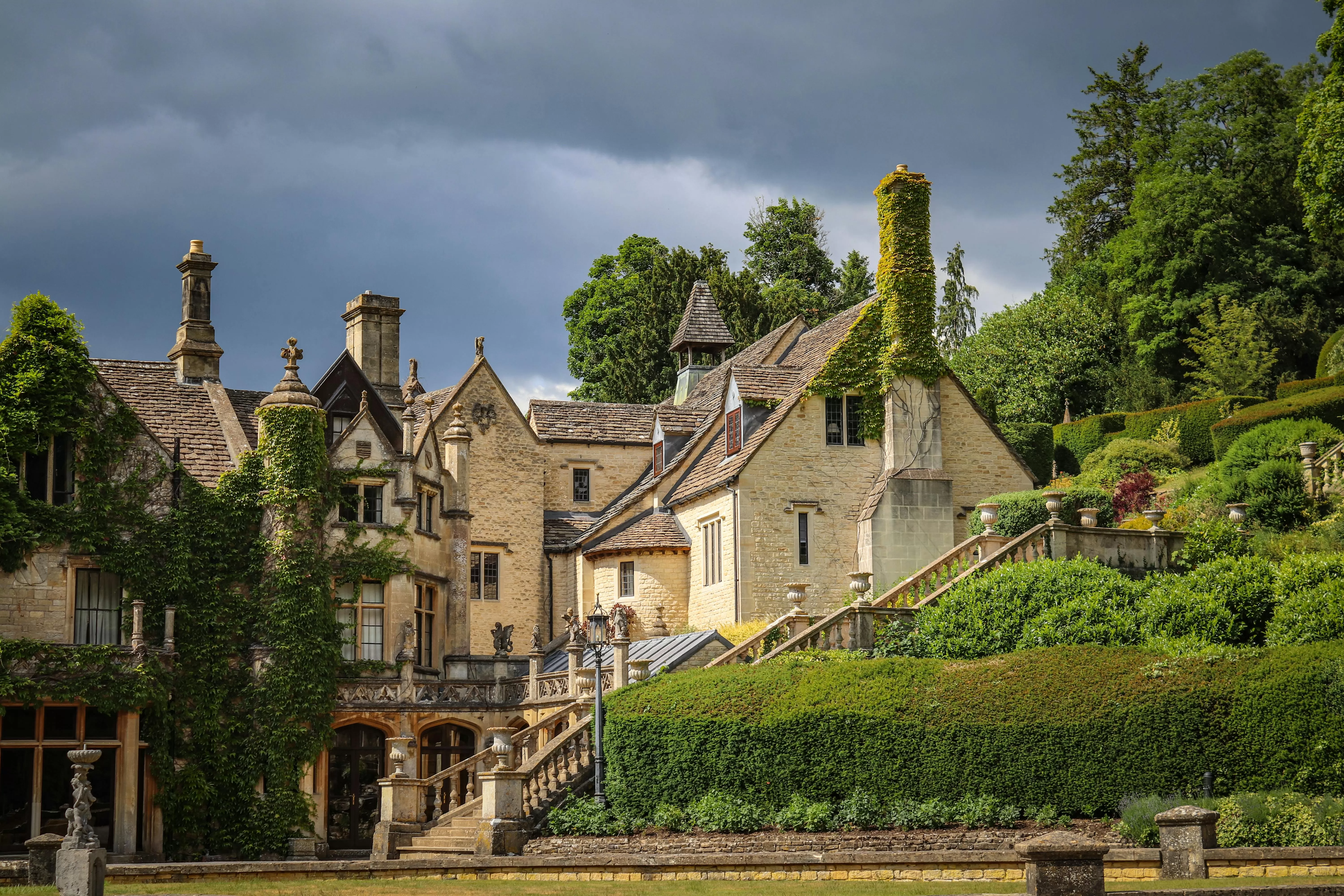
Many London luxury homes are housed within period buildings featuring preserved architectural details such as decorative cornicing, large sash windows, and historic stone facades. These heritage elements increase cultural and monetary value.
New developments also contribute to the luxury market by offering contemporary design, integrated technology, and energy-efficient construction standards that appeal to modern buyers.
Top Luxury Neighborhoods in London
Luxury homes in London are concentrated in well-established districts known for architectural heritage, security, and proximity to business and cultural institutions. These neighborhoods consistently maintain high property values due to limited supply and strong global demand.
Each district offers a unique residential environment, allowing buyers to choose based on lifestyle preferences, investment strategy, and accessibility requirements.
Leading Luxury Areas in London
| Neighborhood | Property Style | Typical Buyer Profile |
|---|---|---|
| Mayfair | Luxury apartments and historic residences | International investors and executives |
| Knightsbridge | High-end apartments and penthouses | Luxury lifestyle buyers |
| Kensington | Townhouses and garden squares | Families and diplomats |
| Chelsea | Riverfront apartments and historic homes | Professionals and long-term residents |
| Hampstead | Detached homes and heritage properties | Buyers seeking privacy and green space |
Why Mayfair Remains One of London’s Most Exclusive Areas
Mayfair maintains global recognition as one of London’s most prestigious residential districts. Its central location, luxury retail destinations, and historic architecture attract high-net-worth buyers seeking premium urban living.
Property values remain resilient due to limited housing supply and continuous international demand.
How Kensington and Chelsea Appeal to Family Buyers
Kensington and Chelsea attract families due to access to internationally recognized schools, healthcare facilities, and green spaces. These districts offer residential stability combined with proximity to central London.
Townhouses with private gardens remain especially desirable in these areas due to their blend of space and convenience.
Types of Luxury Properties Available in London
Luxury housing in London includes diverse property types ranging from historic townhouses and penthouses to modern serviced residences and gated estates. Each property type offers unique advantages depending on lifestyle preferences and investment goals.
Understanding available property categories helps buyers evaluate maintenance responsibilities, resale potential, and rental income opportunities.
Most Common Luxury Property Types in London
| Property Type | Primary Characteristics | Suitable Buyer Type |
|---|---|---|
| Luxury Apartments | Modern units with concierge services | Urban professionals and investors |
| Townhouses | Multi-level period homes | Families and long-term residents |
| Penthouse Residences | Top-floor units with premium views | High-income buyers |
| Detached Mansions | Large estates with gardens | Privacy-focused homeowners |
| Serviced Residences | Fully managed luxury living spaces | International and temporary residents |
Why Townhouses Remain a Classic Luxury Choice
Townhouses are highly valued in London due to their historic design, spacious layouts, and proximity to central districts. These properties often feature multiple floors, private entrances, and architectural heritage.
Demand remains strong due to limited availability and strong family appeal.
How Modern Penthouses Reflect Contemporary Luxury Living
Modern penthouses combine technology-driven living with expansive city views. Features often include open-plan layouts, floor-to-ceiling windows, and integrated smart home systems.
Limited supply supports premium pricing and strong investment potential.
How Much Luxury Homes Cost in London UK
Luxury homes in London typically start around £1 million and can exceed £50 million depending on location, property type, size, and exclusivity. Premium postcodes such as Mayfair, Knightsbridge, and Belgravia command some of the highest residential property prices in the United Kingdom.
Price variation within the luxury segment is influenced primarily by location prestige, proximity to landmarks, available outdoor space, and building condition. Buyers comparing neighborhoods should evaluate both purchase price and long-term ownership costs.
Typical Luxury Property Price Ranges by Area
| Neighborhood | Property Type | Typical Price Range |
|---|---|---|
| Mayfair | Luxury Apartments and Residences | £3,000,000 – £50,000,000+ |
| Knightsbridge | Penthouses and High-End Apartments | £2,500,000 – £30,000,000+ |
| Kensington | Townhouses and Period Homes | £2,000,000 – £15,000,000+ |
| Chelsea | Riverfront Apartments and Houses | £1,500,000 – £12,000,000+ |
| Hampstead | Detached Homes and Estates | £2,000,000 – £25,000,000+ |
Key Factors That Influence Luxury Property Prices
Several measurable factors determine the pricing of luxury homes in London. Buyers who understand these influences can compare properties more accurately and avoid overpaying for features that do not contribute to long-term value.
| Factor | Impact on Value | Buyer Consideration |
|---|---|---|
| Prime Postcode | Major influence on property desirability | Supports long-term appreciation |
| Outdoor Space | Limited supply increases demand | Adds lifestyle and resale value |
| Building Heritage | Historic properties command premiums | Enhances long-term appeal |
| Security and Services | Concierge and gated access increase value | Improves resident convenience |
| Transport Accessibility | Proximity to Underground lines adds demand | Enhances connectivity |
How Supply Constraints Affect London Luxury Pricing
Limited land availability and strict planning controls restrict new luxury development in central London. These supply limitations support long-term price resilience, particularly in heritage neighborhoods where expansion opportunities are limited.
Buyers evaluating future investment value should monitor redevelopment projects and planning permissions affecting surrounding districts.
Step-by-Step Process for Buying Luxury Homes in London
The process of purchasing luxury property in London involves financial preparation, professional representation, property evaluation, legal verification, and formal ownership transfer. Each step plays a critical role in protecting buyer interests and ensuring transaction accuracy.
Typical Steps in a London Luxury Property Purchase
| Step | Action | Purpose |
|---|---|---|
| Step 1 | Financial Planning | Establish budget and financing method |
| Step 2 | Property Selection | Identify suitable listings |
| Step 3 | Offer Submission | Negotiate purchase terms |
| Step 4 | Survey and Valuation | Verify structural condition |
| Step 5 | Legal Due Diligence | Confirm ownership legitimacy |
| Step 6 | Completion | Transfer ownership and funds |
Why Professional Advisors Are Essential in Luxury Transactions
Luxury property purchases often involve complex negotiations, high-value contracts, and specialized ownership arrangements. Professional advisors such as solicitors, surveyors, and financial consultants help reduce legal and financial risks.
Independent valuation services also provide objective pricing comparisons to support negotiation decisions.
How Property Surveys Reduce Financial Risk
Detailed structural surveys help identify maintenance requirements, renovation needs, and potential legal restrictions. Period properties, which are common in London, often require specialized inspection methods.
Survey results allow buyers to adjust offers based on repair costs or withdraw from high-risk transactions.
Legal, Tax, and Ownership Costs for Luxury Property
Luxury property ownership in London includes several legal and financial obligations, including Stamp Duty Land Tax (SDLT), legal fees, valuation costs, and ongoing maintenance expenses. Buyers must account for these costs when determining affordability.
Primary Purchase Costs for London Luxury Homes
| Cost Type | Typical Range | Purpose |
|---|---|---|
| Stamp Duty Land Tax (SDLT) | Varies based on property value | Government transaction tax |
| Legal Fees | £2,000 – £10,000+ | Conveyancing and contract verification |
| Survey Costs | £500 – £5,000+ | Property condition assessment |
| Valuation Fees | £500 – £3,000+ | Market value confirmation |
| Maintenance Costs | Varies by property size | Ongoing upkeep and repairs |
Understanding Stamp Duty on High-Value Homes
Stamp Duty Land Tax increases progressively with property value. Luxury homes in higher price brackets incur substantial SDLT costs, making accurate budgeting essential before submitting purchase offers.
Buyers should review updated tax thresholds and consult professional advisors to estimate final purchase expenses.
Leasehold vs Freehold Ownership Considerations
Luxury property ownership in London may be structured as leasehold or freehold. Freehold ownership grants full property control, while leasehold agreements involve annual ground rent and service charges.
Understanding lease length, service costs, and renewal terms helps buyers evaluate long-term financial commitments.
Common Mistakes Buyers Make When Purchasing Luxury Homes in London
Common mistakes include overlooking ownership structure details, underestimating ongoing expenses, and prioritizing design features over location stability. Avoiding these errors helps protect long-term investment performance.
Why Overlooking Service Charges Can Increase Costs
Luxury apartments and gated developments often involve significant annual service charges. Buyers who fail to review these costs may encounter higher-than-expected ownership expenses.
Reviewing historical service charge records helps estimate long-term affordability.
How Focusing Only on Interior Design Can Reduce Investment Value
Interior design elements may change over time, but location value remains stable. Buyers focusing primarily on aesthetics may overlook properties with stronger long-term appreciation potential.
Prioritizing location fundamentals improves investment resilience.
Investment Outlook for Luxury Homes in London
Luxury homes in London remain attractive to investors due to strong international demand, limited land availability, and long-standing global recognition as a financial and cultural hub. Premium properties in central London often demonstrate long-term price resilience even during periods of market uncertainty.
Why London Continues to Attract Global Luxury Buyers
London attracts international investors because of its stable legal framework, transparent property ownership system, and access to global business networks. The presence of multinational corporations, embassies, and financial institutions increases demand for high-quality residential property.
Many investors view London real estate as a long-term asset that supports capital preservation while providing potential rental income from executive tenants.
| Driver | Market Influence | Long-Term Benefit |
|---|---|---|
| Global Financial Status | Attracts international professionals | Supports sustained demand |
| Limited Housing Supply | Restricts new development | Supports price stability |
| Strong Rental Demand | Encourages investment purchases | Generates consistent income potential |
| Historic Market Stability | Maintains investor confidence | Reduces long-term volatility |
Rental Opportunities in High-End London Districts
Luxury rental markets in London benefit from demand generated by executives, diplomats, and international business professionals. High-quality apartments in areas such as Knightsbridge and Canary Wharf often achieve strong occupancy levels.
Rental performance depends on building amenities, proximity to business districts, and accessibility to public transportation networks.
Long-Term Capital Growth Considerations
Capital growth potential in London luxury property is typically linked to neighborhood stability, infrastructure investment, and continued international demand. Properties located near major parks, cultural institutions, and business districts tend to retain value more consistently than properties in emerging areas.
Investors evaluating capital growth potential should analyze local development plans and historical price performance before purchasing.
Future Trends Shaping London’s Luxury Housing Market
Future trends influencing London’s luxury housing market include sustainability requirements, smart-home technology adoption, and evolving buyer preferences for flexible living spaces. These developments are reshaping property design and influencing buyer demand patterns.
How Sustainability Is Changing Luxury Property Design
Environmental standards are becoming increasingly important in luxury construction. Many new developments incorporate energy-efficient systems, renewable energy sources, and improved insulation to reduce operational costs and environmental impact.
Properties meeting modern sustainability requirements often appeal to environmentally conscious buyers and may maintain stronger long-term resale value.
Growth of Smart Home Integration
Smart home technology is becoming a standard feature in high-end London residences. Integrated systems control lighting, heating, security, and entertainment functions, enhancing convenience and operational efficiency.
Buyers increasingly prioritize properties that support automation and remote management capabilities.
Demand for Flexible Living Spaces
Modern buyers often require adaptable living areas that support remote work, private recreation, and multi-purpose usage. Home offices, wellness rooms, and entertainment spaces have become common features in luxury developments.
Properties designed with flexible layouts are more likely to remain competitive as buyer preferences continue to evolve.
Frequently Asked Questions About Luxury Homes in London UK
What Is Considered a Luxury Home Price in London?
Luxury homes in London typically begin around £1 million, with prices exceeding £50 million in premium locations such as Mayfair and Knightsbridge.
Which Areas in London Are Known for Luxury Living?
Leading luxury areas include Mayfair, Knightsbridge, Kensington, Chelsea, Hampstead, and Belgravia, each known for strong property demand and high-end amenities.
Are Luxury Homes in London a Good Long-Term Investment?
Luxury homes in established London neighborhoods often demonstrate stable long-term value due to strong international demand and limited housing supply.
Do Luxury Properties in London Have Higher Maintenance Costs?
Yes, luxury properties typically involve higher maintenance costs due to specialized materials, advanced systems, and building management services.
Can Overseas Buyers Purchase Luxury Property in London?
Overseas buyers can legally purchase property in London, but they must comply with UK financial regulations, identity verification, and applicable tax requirements.
How Long Does It Take to Complete a Luxury Property Purchase in London?
The purchase process typically takes between 8 and 16 weeks depending on financing arrangements, legal checks, and property complexity.
Key Takeaways
- Prime Locations Define Luxury Value: Neighborhoods such as Mayfair, Knightsbridge, and Kensington consistently command premium property prices.
- Property Type Influences Lifestyle and Investment: Townhouses, penthouses, and heritage homes offer distinct advantages depending on buyer priorities.
- Legal and Financial Planning Is Critical: Stamp Duty, service charges, and legal fees significantly affect overall ownership costs.
- Investment Demand Remains Strong: London continues to attract global buyers due to its financial stability and limited luxury housing supply.
- Future Market Trends Emphasize Sustainability: Smart technology and environmentally efficient design are shaping modern luxury housing expectations.
References
- UK Land Registry — Residential Property Price Statistics
- Office for National Statistics (ONS) — UK Housing Market Reports
- HM Revenue & Customs — Stamp Duty Land Tax Guidance
- Greater London Authority — Housing and Development Reports
- Royal Institution of Chartered Surveyors (RICS) — Residential Market Insights
- UK Government — Property Ownership and Conveyancing Framework