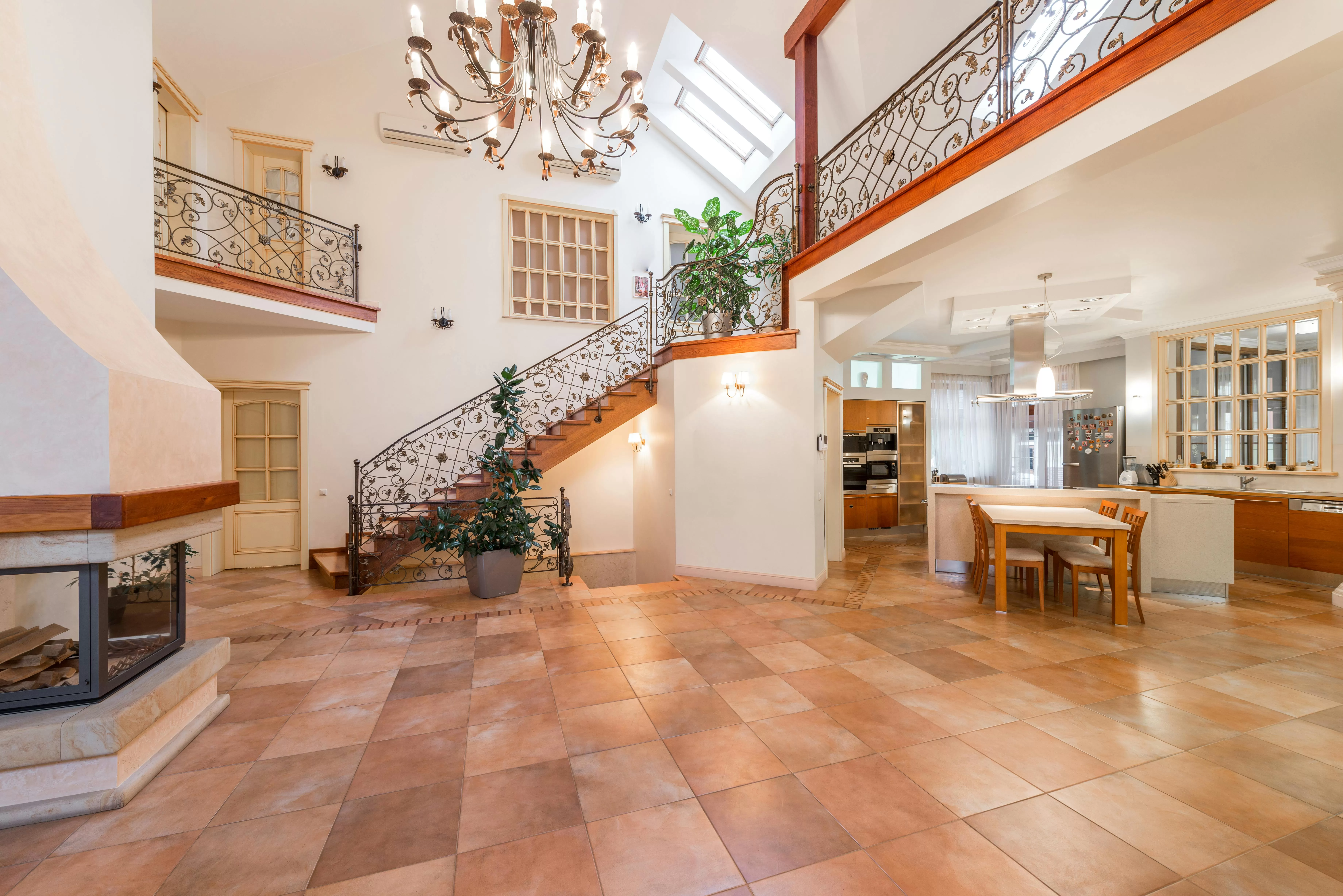
Luxury homes in Kent UK combine countryside privacy with contemporary architecture, offering buyers access to large landscaped plots, modern interiors, and strong commuter links to London. The county is known for premium rural estates, converted farmhouses, coastal mansions, and architect-designed residences that balance scenic surroundings with practical accessibility. Buyers typically focus on areas such as Sevenoaks, Tunbridge Wells, Canterbury, and Whitstable, where property quality, transport connectivity, and long-term value stability consistently support demand.
Kent’s reputation as the “Garden of England” shapes its luxury property market. Unlike dense urban housing environments, luxury homes in Kent frequently include expansive gardens, rural outlooks, and modern design upgrades within historic structures. Buyers researching countryside luxury homes should evaluate architectural standards, planning restrictions, transport access, and land ownership considerations before making purchase decisions. This guide explains how luxury homes in Kent are defined, where the most prestigious locations are found, and what property types dominate the premium segment.
What Defines Luxury Homes In Kent UK?
Luxury homes in Kent are defined by land size, architectural quality, privacy, and location rather than interior size alone. Properties qualify as luxury when they combine high-end construction standards with desirable countryside surroundings, modern interior systems, and access to transport links connecting Kent to London and surrounding regions.
Unlike city-based luxury housing, Kent properties often include large gardens, private driveways, and extensive outdoor living areas. Buyers seeking countryside luxury typically prioritise privacy, scenic views, and long-term property value stability rather than proximity to commercial centres.
Core Characteristics Of Luxury Homes In Kent
Buyers evaluating high-value homes should understand the features that consistently distinguish luxury properties from standard housing. These features directly influence both lifestyle quality and future resale value.
| Feature Category | Typical Luxury Elements | Why It Matters To Buyers |
|---|---|---|
| Land And Setting | Private gardens, countryside views, gated entrances | Enhances privacy and long-term property desirability |
| Architectural Design | Period farmhouses, modern villas, heritage estates | Supports aesthetic value and uniqueness |
| Interior Specifications | High ceilings, designer kitchens, premium materials | Improves daily usability and resale value |
| Technology Integration | Smart home automation, security systems | Increases operational efficiency and safety |
| Outdoor Amenities | Swimming pools, terraces, landscaped gardens | Supports leisure and entertainment use |
Properties in Kent may also qualify as luxury due to their location within protected countryside zones or coastal districts. Limited construction permissions in these areas increase property scarcity, which contributes to sustained market demand.
How Countryside Settings Influence Luxury Property Value
Countryside positioning significantly influences luxury property pricing in Kent. Homes surrounded by agricultural land, woodland, or protected greenbelt areas often maintain higher long-term value due to reduced development risk.
Buyers should assess environmental features such as flood zones, conservation boundaries, and land maintenance obligations. These factors directly affect ownership costs and planning permissions for future alterations.
Accessibility also plays a major role in valuation. Properties located within practical commuting distance of London stations—particularly those offering fast rail connections—are consistently in higher demand than remote rural estates without transport infrastructure.
Most Prestigious Locations For Luxury Homes In Kent
Prestigious locations for luxury homes in Kent include Sevenoaks, Royal Tunbridge Wells, Canterbury, Whitstable, and the surrounding countryside villages. These areas attract high-value buyers due to strong transport links, historic character, access to quality schools, and established residential prestige.
Selecting the right location remains the single most influential factor affecting long-term property value. Buyers typically evaluate commute times, educational infrastructure, and neighbourhood stability before selecting a property area.
Sevenoaks: Prime Commuter Luxury Living
Sevenoaks is widely recognised as one of the most desirable luxury housing markets in Kent. The town offers fast rail connections to London, making it attractive to professionals who require countryside living without sacrificing commuting efficiency.
Luxury homes in Sevenoaks frequently include large detached houses, gated properties, and architect-designed residences surrounded by landscaped gardens. Proximity to reputable schools further enhances property demand in this area.
Royal Tunbridge Wells: Historic Prestige And Lifestyle Appeal
Royal Tunbridge Wells combines historic architecture with modern amenities, making it a popular choice for buyers seeking a refined lifestyle environment. Period homes, Georgian terraces, and renovated estates dominate the luxury housing stock.
The town offers established retail infrastructure, cultural attractions, and healthcare facilities, making it suitable for both families and retirees seeking long-term residential stability.
Canterbury And Coastal Districts: Cultural And Scenic Value
Canterbury and coastal towns such as Whitstable provide a blend of heritage architecture and coastal living. Buyers attracted to scenic environments often prioritise these locations due to waterfront views, tourism appeal, and distinctive architectural styles.
Coastal luxury homes may command premium prices due to their limited availability and recreational value. Buyers should carefully review coastal risk assessments and maintenance requirements before purchasing waterfront properties.
| Location | Primary Advantage | Typical Buyer Profile | Property Characteristics |
|---|---|---|---|
| Sevenoaks | Strong commuter connectivity | Professionals and families | Detached homes and gated estates |
| Royal Tunbridge Wells | Historic environment | Long-term residential buyers | Period homes and renovated estates |
| Canterbury | Cultural significance | Investors and homeowners | Heritage townhouses and modern builds |
| Whitstable | Coastal lifestyle | Second-home buyers | Seaside villas and contemporary homes |
| Rural Villages | Privacy and land availability | High-net-worth buyers | Farmhouses and countryside estates |
Choosing between these locations depends on lifestyle requirements, commuting obligations, and long-term ownership objectives. Buyers should prioritise infrastructure reliability and community stability when selecting a residential district.
Types Of Countryside Luxury Homes With Modern Design
Countryside luxury homes in Kent include restored farmhouses, contemporary eco-friendly residences, converted barns, and coastal villas. Each property type offers distinct advantages in terms of design flexibility, maintenance requirements, and long-term usability.
Buyers selecting a countryside property should match the property type to intended use. Full-time residents, weekend homeowners, and investors may prioritise different features such as accessibility, maintenance complexity, and rental suitability.
Restored Farmhouses And Heritage Residences
Restored farmhouses are among the most recognised luxury property types in Kent. These properties retain original architectural elements such as exposed beams, stonework, and traditional layouts while integrating modern heating systems and upgraded interiors.
Buyers should verify planning permissions and building status when purchasing heritage properties. Structural alterations may require specialist approval depending on listing classification.
Converted Barns And Modern Rural Homes
Converted barns offer open-plan living spaces with contemporary interiors while maintaining rural character. These homes frequently include large windows, vaulted ceilings, and energy-efficient systems designed to reduce long-term operational costs.
Modern rural homes built from the ground up provide flexibility in layout design. Buyers seeking efficient living spaces often prefer newly constructed properties due to lower maintenance requirements compared with historic buildings.
Eco-Friendly And Architect-Designed Properties
Eco-conscious design has become increasingly common within Kent’s luxury property market. Architect-designed homes frequently include renewable energy systems, sustainable materials, and advanced insulation standards.
Buyers prioritising long-term operational efficiency often evaluate energy performance ratings and heating infrastructure before selecting properties. Sustainable construction features may reduce running costs while supporting regulatory compliance standards.
Understanding these property types enables buyers to assess practical ownership responsibilities, renovation flexibility, and long-term investment suitability. Matching architectural style with intended usage remains essential for achieving functional and financial stability.
Luxury Home Prices In Kent UK
Luxury home prices in Kent typically range from approximately £900,000 to more than £5 million depending on location, land size, property condition, and proximity to major commuter routes. Premium countryside estates and coastal residences generally command the highest prices due to limited availability and strong demand from London-based buyers seeking rural living.
Kent’s price structure varies significantly across districts. Areas with direct rail connections to London—such as Sevenoaks and Tunbridge Wells—frequently experience higher price growth due to commuter demand. Coastal towns and rural villages offer different pricing patterns based on scenic value and land availability.
Typical Price Ranges By Property Type
Understanding price ranges by property type helps buyers evaluate affordability and compare listings accurately. While individual properties may exceed these ranges, the following estimates reflect common pricing trends observed across Kent’s luxury housing market.
| Property Type | Typical Price Range | Primary Price Drivers |
|---|---|---|
| Converted Barn | £900,000 – £2.5M | Land size, design quality |
| Detached Countryside Estate | £1.2M – £4M+ | Plot size, privacy level |
| Coastal Luxury Home | £1.5M – £5M+ | Sea views, proximity to shoreline |
| Modern Architect-Designed Home | £1M – £3M+ | Energy systems, construction quality |
| Heritage Farmhouse | £1.3M – £4.5M+ | Historic value, renovation standards |
Price fluctuations are influenced by interest rate changes, housing availability, and seasonal demand patterns. Buyers often encounter increased competition during spring and early summer when listing volumes typically rise.
Factors That Influence Luxury Property Pricing In Kent
Several measurable factors directly affect property pricing across Kent’s countryside markets. Buyers who understand these elements are better equipped to negotiate realistic offers and assess long-term property value.
| Factor | Impact On Pricing | Buyer Consideration |
|---|---|---|
| Commuter Connectivity | Very High | Distance to rail stations |
| Land Size | High | Maintenance responsibilities |
| Planning Permissions | Moderate to High | Future expansion potential |
| Property Condition | High | Renovation cost forecasting |
| Scenic Surroundings | Moderate to High | Long-term desirability |
Careful evaluation of these factors allows buyers to determine whether listed prices reflect actual market value rather than perceived lifestyle appeal alone.
Buying Process For Luxury Countryside Homes In Kent
The buying process for luxury countryside homes in Kent follows established UK property procedures but often involves additional due diligence related to land boundaries, utilities, and planning permissions. Transactions involving rural estates typically require more extensive inspections than standard urban purchases.
Buyers should allocate sufficient time for legal verification and environmental checks. Rural properties may include additional features such as private roads, shared drainage systems, or agricultural rights that require specialist review.
Step-By-Step Luxury Property Buying Timeline
| Step | Action | Estimated Timeline |
|---|---|---|
| 1 | Budget planning and mortgage pre-approval | 2–4 weeks |
| 2 | Property search and site visits | 3–8 weeks |
| 3 | Offer negotiation | 1–3 weeks |
| 4 | Survey and land inspection | 2–4 weeks |
| 5 | Legal checks and title verification | 6–10 weeks |
| 6 | Contract exchange and completion | 1–2 weeks |
Buyers should request multiple inspections when purchasing properties with extensive land or agricultural features. Structural surveys alone may not identify land-related risks.
Importance Of Specialist Surveys For Rural Properties
Luxury countryside homes often require additional inspection types beyond standard property surveys. These specialised reports help identify issues that may affect property usability or resale potential.
- Structural Survey: Evaluates building stability and repair needs.
- Land Boundary Survey: Confirms property boundaries and access rights.
- Drainage Inspection: Reviews private sewage or water systems.
- Environmental Assessment: Identifies flood risks or land contamination.
Commissioning appropriate surveys protects buyers from unexpected ownership costs and legal disputes.
Legal And Land Ownership Considerations
Legal and land ownership considerations are particularly important when purchasing countryside luxury homes in Kent. Buyers must verify land titles, access rights, and planning permissions to ensure the property can be used as intended.
Unlike urban properties, rural homes often involve shared land access, easements, or agricultural classifications. These legal factors can significantly affect property functionality and resale flexibility.
Key Legal Checks For Countryside Luxury Properties
| Legal Check | Purpose | Risk If Ignored |
|---|---|---|
| Title Ownership Review | Confirms legal property ownership | Potential ownership disputes |
| Access Rights Verification | Ensures driveway or road access | Restricted property access |
| Planning Permission Status | Verifies permitted developments | Renovation limitations |
| Agricultural Land Classification | Identifies land usage restrictions | Unexpected operational limits |
| Utility Connection Review | Confirms availability of services | Infrastructure installation costs |
Professional legal support is essential when reviewing documentation related to land ownership. Buyers should avoid making assumptions about property usage rights until written confirmation is obtained.
Financial Responsibilities Unique To Countryside Properties
Ownership of countryside homes often involves additional responsibilities beyond property maintenance. Buyers must prepare for recurring costs associated with land management and infrastructure upkeep.
- Private Road Maintenance: Repairs and shared upkeep agreements.
- Landscaping Costs: Ongoing vegetation and fencing maintenance.
- Utility System Servicing: Private water and drainage management.
- Insurance Premiums: Coverage for large properties or rural risks.
Budget planning should include long-term land maintenance costs to prevent financial strain after property acquisition.
Common Mistakes When Buying Luxury Homes In Kent
Common mistakes when purchasing luxury homes in Kent include overlooking land maintenance costs, underestimating renovation budgets, and failing to verify access rights. These errors often result from focusing solely on property aesthetics rather than operational practicality.
Buyers unfamiliar with rural ownership responsibilities may underestimate the complexity of maintaining large estates. Careful preparation reduces financial and legal risks associated with countryside property ownership.
Most Frequent Buyer Errors
- Ignoring Long-Term Land Costs: Maintenance expenses increase with property size.
- Skipping Environmental Checks: Flood or soil risks may remain undetected.
- Overlooking Utility Infrastructure: Private systems may require upgrades.
- Underestimating Renovation Complexity: Heritage buildings require specialist contractors.
- Failing To Verify Planning Permissions: Restrictions may prevent desired expansions.
Addressing these risks early in the buying process allows buyers to negotiate informed purchase terms and avoid post-completion disputes.
Expert Strategies For Avoiding Purchasing Risks
Experienced buyers typically establish contingency funds, request documentation for all structural changes, and consult surveyors familiar with rural properties. These strategies reduce exposure to unforeseen legal or maintenance issues.
Preparing a multi-year maintenance plan also helps buyers forecast expenses associated with landscaping, roofing, and external structures. Structured planning improves financial predictability throughout property ownership.
Investment Potential Of Luxury Homes In Kent
Luxury homes in Kent offer long-term investment potential due to steady buyer demand, proximity to London, and limited availability of large countryside plots. Investors frequently target commuter-friendly towns and scenic rural locations where housing supply remains restricted and resale demand remains stable.
Kent’s strategic location allows residents to access London within manageable travel times while benefiting from larger living spaces and countryside surroundings. This balance supports consistent demand from professionals relocating from urban areas and families seeking long-term residential properties.
Rental Market Opportunities For Luxury Properties
Luxury rental demand in Kent is supported by corporate relocations, seasonal tourism in coastal regions, and long-term tenancy from professionals working in London. Properties near railway stations or coastal towns tend to attract reliable tenants due to accessibility and lifestyle appeal.
| Demand Factor | Impact On Rental Performance | Investor Insight |
|---|---|---|
| London Commuter Demand | Creates long-term tenancy stability | Homes near rail stations remain attractive |
| Corporate Relocations | Supports premium rental pricing | Modern interiors preferred |
| Tourism Activity | Seasonal short-term rental demand | Coastal homes perform strongly |
| Limited Property Supply | Maintains occupancy rates | Supports long-term investment value |
Investors considering rental strategies should review local tenancy rules, insurance obligations, and licensing requirements before offering properties for lease. Compliance with rental regulations supports long-term operational stability.
Long-Term Capital Appreciation Factors
Capital growth in Kent’s luxury housing market is influenced by infrastructure development, population movement from London, and regional economic stability. Properties located in established residential zones or protected countryside areas often maintain value due to scarcity and planning restrictions.
Buyers intending to hold property for extended periods should prioritise structural durability, efficient design, and transport accessibility. These characteristics support long-term value retention and reduce unexpected maintenance costs.
Future Outlook For Luxury Countryside Homes In Kent
The future outlook for luxury countryside homes in Kent indicates continued demand driven by population growth, commuter migration, and evolving housing preferences favouring larger living spaces. Planning limitations and protected countryside zones are expected to restrict new construction, preserving property scarcity across premium areas.
Buyers evaluating future housing prospects should monitor infrastructure investments and policy developments affecting land use. Rail network improvements and road expansion projects can influence property desirability and pricing patterns.
Market Trends Likely To Shape Future Demand
- Growing Remote Work Adoption: Increased preference for spacious homes with dedicated office areas.
- Sustainability Requirements: Demand rising for energy-efficient homes and renewable technologies.
- Infrastructure Enhancements: Improved rail services strengthen commuter housing demand.
- Coastal Development Regulations: Environmental rules shaping new construction limits.
- Population Movement From Cities: Continued relocation trends supporting rural housing markets.
Monitoring these trends helps buyers anticipate long-term property performance. Homes designed with adaptable interiors and efficient energy systems may remain attractive to future buyers and tenants.
How Buyers Can Prepare For Long-Term Ownership
Preparation involves selecting properties with durable materials, reliable infrastructure, and flexible layout designs. Buyers should also allocate funds for long-term maintenance and periodic upgrades to preserve property value.
Routine inspections, preventative repairs, and structured maintenance planning reduce unexpected repair costs and extend property lifespan. Responsible ownership practices remain essential for maintaining asset quality across decades.
Frequently Asked Questions
What Is The Average Price Of Luxury Homes In Kent UK?
Luxury homes in Kent generally range between £900,000 and £4 million, with large estates and coastal properties exceeding £5 million depending on land size, location, and architectural features.
Which Areas In Kent Are Known For Luxury Countryside Living?
Sevenoaks, Royal Tunbridge Wells, Canterbury, Whitstable, and surrounding rural villages are widely recognised for offering premium countryside homes with strong infrastructure and established residential communities.
Are Countryside Luxury Homes In Kent Suitable For Investment?
Countryside luxury homes in Kent can support long-term investment objectives due to steady demand, commuter accessibility, and limited housing supply in protected rural areas.
What Additional Costs Should Buyers Expect With Countryside Properties?
Buyers should expect costs related to land maintenance, private utilities, landscaping, and insurance coverage, in addition to standard property purchase expenses.
Do Luxury Homes In Kent Require Special Surveys?
Yes, many luxury countryside homes require specialised surveys including land boundary checks, drainage inspections, and environmental assessments to confirm property condition and legal compliance.
Key Takeaways
- Location Influences Value: Areas with strong commuter connections and established communities consistently support long-term property demand.
- Land Size Impacts Costs: Larger plots increase privacy but also require regular maintenance and budget planning.
- Legal Checks Are Essential: Verification of land ownership, access rights, and planning permissions prevents future disputes.
- Infrastructure Drives Demand: Transport connectivity and reliable utilities significantly influence property desirability.
- Long-Term Planning Supports Ownership Stability: Maintenance planning and financial preparation reduce unexpected costs and preserve property condition.
References
- UK Land Registry — Residential Property Price Statistics
- Office for National Statistics (ONS) — UK Housing Market Trends
- HM Revenue & Customs — Stamp Duty Land Tax Guidance
- Kent County Council — Planning And Rural Development Guidelines
- Royal Institution of Chartered Surveyors (RICS) — Property Standards And Survey Recommendations