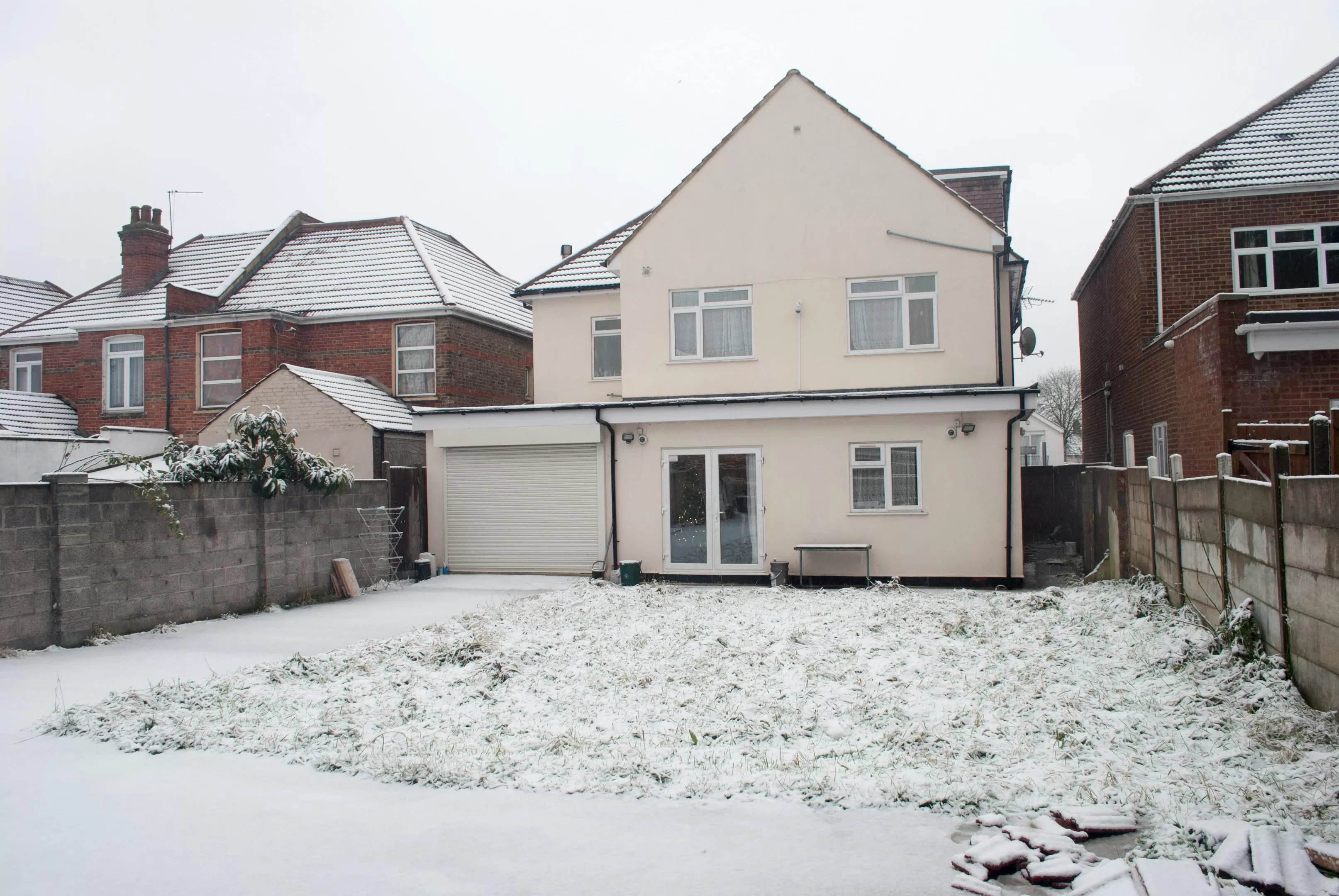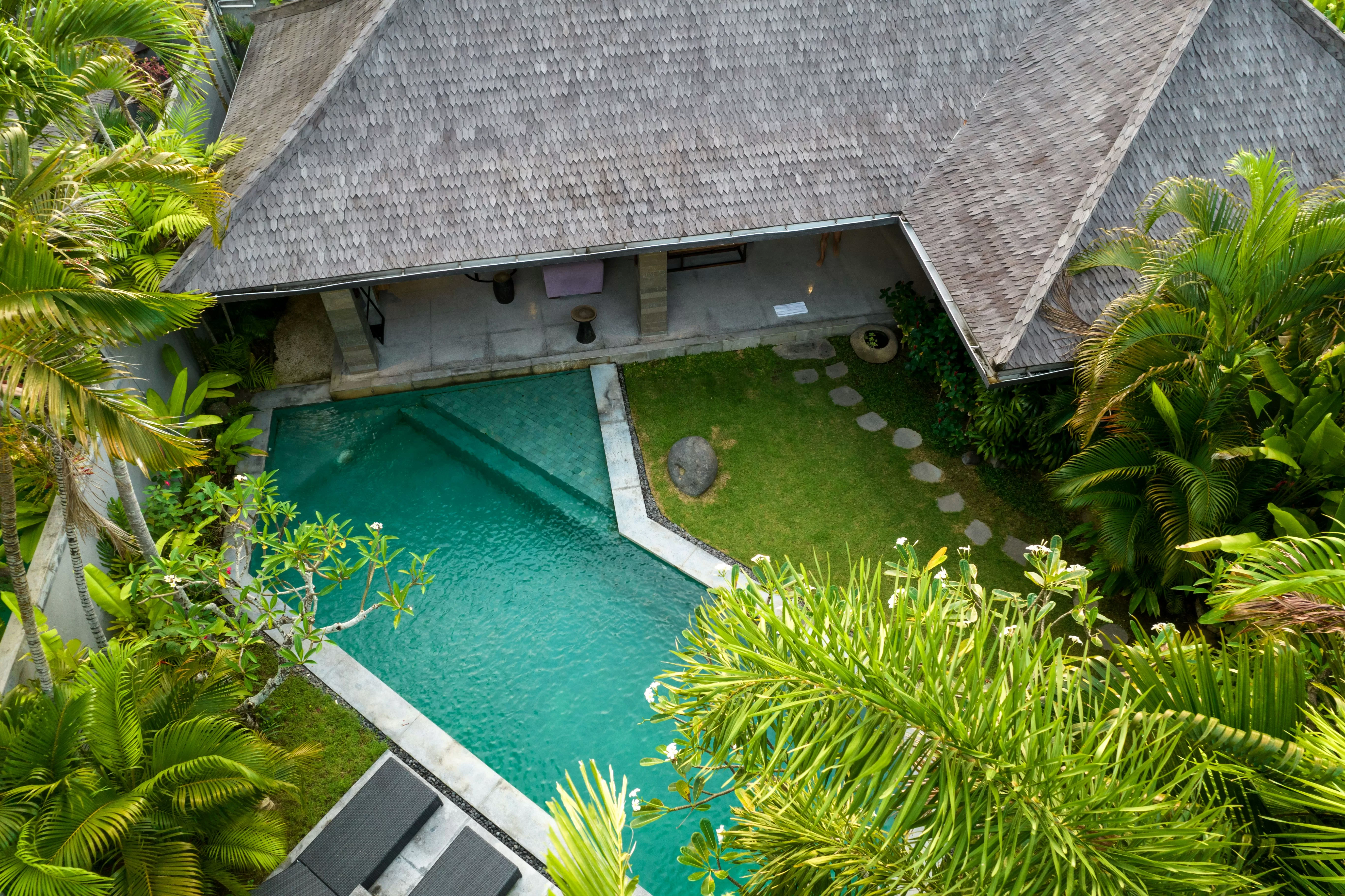
Houses with swimming pools in Cheshire are predominantly found in the county’s prime residential corridors—Wilmslow, Alderley Edge, Prestbury, Knutsford, and select rural villages—where larger plots, higher property values, and planning flexibility make private pools viable. These homes are typically positioned at the upper end of the market and appeal to buyers seeking lifestyle amenities, privacy, and long-term asset resilience rather than short-term price efficiency.
What Defines the Cheshire Housing Market for Pool Homes?
The Cheshire housing market for homes with swimming pools is defined by space availability, affluence, and a strong owner-occupier bias. Unlike urban pool properties, Cheshire pool homes are rarely speculative builds; they are usually commissioned by long-term owners or integrated into high-value family homes where land size comfortably accommodates leisure infrastructure.
Pool-equipped properties in Cheshire are most often detached houses situated on private plots exceeding one-third of an acre. The presence of a pool correlates closely with property values, not because pools universally increase resale prices, but because they are typically added to already premium homes. In this market, a swimming pool is a consequence of value, not the primary driver of it.
From a buyer-behaviour perspective, demand is steady but selective. Purchasers actively searching for a house with a swimming pool in Cheshire tend to fall into three groups: relocating professionals from Greater Manchester or London seeking lifestyle upgrades; established local families prioritising privacy and recreation; and international buyers accustomed to private leisure amenities. Each group evaluates pools differently, with year-round usability, maintenance costs, and integration into the home’s design carrying more weight than visual appeal alone.
Importantly, Cheshire’s climate shapes pool design choices. Indoor and hybrid indoor–outdoor pools are more common than fully exposed outdoor pools, particularly in the northern and eastern parts of the county. This affects not only construction costs but also ongoing running expenses, planning considerations, and buyer expectations at resale.
Which Areas in Cheshire Have the Most Pool Properties?
Houses with swimming pools in Cheshire are geographically concentrated in a small number of affluent enclaves where plot sizes, local planning history, and buyer demographics align. These areas consistently produce the highest proportion of pool-equipped homes entering the market.
Wilmslow and Alderley Edge represent the strongest concentration. In Wilmslow, particularly around Lindow Moss, Fulshaw Park, and the Golden Triangle fringe, pools are commonly found in substantial detached homes built or remodelled from the late 1990s onwards. Alderley Edge, by contrast, features a higher proportion of architect-designed homes with bespoke indoor pools, reflecting the area’s international buyer base and preference for integrated leisure spaces.
Prestbury and Knutsford follow closely but differ in character. Prestbury’s pool homes are often discreet, tucked behind mature landscaping in traditional-style properties, while Knutsford combines period homes with modern conversions where pools are added during major refurbishments. In both villages, conservation considerations can influence whether pools are indoor, subterranean, or visually screened.
Rural Cheshire villages—such as Lower Peover, Nether Alderley, and parts of Tarporley—also feature pool properties, typically on former farmsteads or country houses. These locations appeal to buyers prioritising land, privacy, and flexibility over proximity to commuter rail links. In rural settings, outdoor pools are more common, though increasingly paired with pool houses or retractable enclosures to extend usability.
What Types of Homes in Cheshire Commonly Include Swimming Pools?
The majority of Cheshire homes with swimming pools fall into three property categories: modern luxury builds, extensively renovated period houses, and large country homes. Each category presents distinct design, maintenance, and valuation considerations for buyers and investors.
Modern luxury homes, particularly those built within the last 20–30 years, are most likely to feature purpose-designed indoor pools. These properties integrate pools into the original architectural plan, allowing for proper ventilation, structural support, and seamless access from living areas. From a usability standpoint, these are typically the most efficient and buyer-friendly pool homes.
Renovated period properties—Victorian villas, Edwardian houses, and Georgian residences—often incorporate pools as part of major extensions or basement conversions. While visually impressive, these pools require careful assessment. Structural alterations, ongoing humidity management, and listed-building constraints can all affect long-term costs and resale flexibility.
Country houses and former agricultural properties represent the third category. These homes usually feature outdoor pools or detached pool buildings, benefitting from space and reduced neighbour impact. However, they can carry higher running costs due to exposure, longer heating periods, and less energy-efficient infrastructure if not recently upgraded.
Across all property types, the presence of a swimming pool in Cheshire is less about novelty and more about fit. Buyers who view the pool as an extension of the home’s lifestyle offering—rather than a standalone feature—tend to derive the most long-term value and satisfaction.
Buying or owning a house with a swimming pool in Cheshire involves materially different financial, legal, and operational considerations compared to standard residential property. Pool-related costs, planning status, energy efficiency, and buyer liquidity all directly influence both purchase decisions and long-term value retention.
How Much Does a House with a Swimming Pool Cost in Cheshire?
Houses with swimming pools in Cheshire typically sit above local area medians, but the price premium is driven by property scale and location rather than the pool itself. In most cases, buyers are paying for land size, build quality, and exclusivity, with the pool forming part of a broader luxury specification.
| Location Type | Property Profile | Indicative Price Range |
|---|---|---|
| Wilmslow / Alderley Edge | Modern detached, indoor pool | £1.8m – £4.5m+ |
| Prestbury / Knutsford | Period or refurbished family home | £1.4m – £3.2m |
| Rural Cheshire villages | Country house or converted farmstead | £1.2m – £3.8m+ |
For buyers assessing value, it is important to understand that swimming pools rarely deliver a pound-for-pound return on build cost. Instead, they help protect desirability at the top end of the market, particularly in areas where buyers expect lifestyle amenities as standard.
What Are the Ongoing Running and Maintenance Costs?
Running costs for a swimming pool in Cheshire vary widely depending on whether the pool is indoor or outdoor, its heating system, and the level of insulation and automation. Buyers should treat annual pool expenditure as a fixed lifestyle cost rather than a discretionary add-on.
| Cost Category | Indoor Pool (Annual) | Outdoor Pool (Annual) |
|---|---|---|
| Energy and heating | £4,000 – £8,000 | £2,000 – £5,000 |
| Maintenance & servicing | £2,000 – £3,500 | £1,500 – £3,000 |
| Chemicals & water treatment | £800 – £1,500 | £600 – £1,200 |
Indoor pools also require ongoing management of humidity and air quality. Poorly maintained ventilation systems can cause long-term structural damage, making professional inspection essential during the conveyancing process.
Planning Permission and Legal Issues for Pools in Cheshire
Planning requirements for swimming pools in Cheshire depend on location, property status, and pool type. While many outdoor pools fall under permitted development, this is not universal, particularly in conservation areas or where listed buildings are involved.
Indoor pools, basement pools, and detached pool houses almost always require planning approval and building regulations sign-off. Buyers should verify that all consents were obtained and signed off, as retrospective compliance can be costly or, in rare cases, impossible.
From a legal due diligence perspective, solicitors will typically review planning permissions, structural warranties, drainage arrangements, and any restrictive covenants affecting additional buildings. In rural Cheshire, water abstraction and private drainage systems may also be relevant.
How Do Swimming Pools Affect Buyer Demand and Resale?
Swimming pools narrow the buyer pool while increasing appeal within a specific segment. In Cheshire’s prime locations, this trade-off is generally acceptable, as buyer demand remains deep enough to support resale—provided the pool is well-maintained and proportionate to the home.
Properties where the pool dominates garden space or appears as an afterthought can experience longer selling periods. Conversely, homes where the pool integrates naturally with landscaping, leisure areas, and internal layout tend to retain liquidity even in slower markets.
Sellers considering removal of a pool should proceed cautiously. In established prime areas, removal can reduce appeal just as much as poor maintenance. Buyers often prefer the option of a pool, even if they plan to modify or temporarily mothball it.
The long-term success of owning or investing in a house with a swimming pool in Cheshire depends on risk awareness, realistic expectations, and alignment between property type, location, and buyer profile. Pools can enhance lifestyle value, but only when integrated sensibly into the home and supported by appropriate budgets, legal compliance, and market positioning.
Common Buyer Mistakes with Pool Properties
The most common mistake buyers make when purchasing a house with a swimming pool in Cheshire is underestimating operational complexity. Pools are mechanical systems, not static features, and require consistent oversight to protect both the structure and the wider property.
A frequent error is failing to commission a specialist pool inspection. Standard building surveys often exclude detailed assessment of pool shells, plant rooms, filtration systems, and humidity control. Undetected defects can lead to remediation costs running into tens of thousands of pounds.
Buyers also misjudge how a pool affects day-to-day usability of outdoor space. In family homes, a pool that dominates the garden can limit flexibility for future owners, reducing resale appeal. In Cheshire’s prime markets, proportion and balance matter more than feature count.
Finally, some purchasers assume that removing a pool is a simple solution if preferences change. In reality, removal can be disruptive, expensive, and value-destructive if the local buyer profile expects a leisure amenity at that price point.
Are Houses with Pools in Cheshire Suitable for Investors or Landlords?
For most traditional buy-to-let investors, houses with swimming pools in Cheshire are not yield-optimised assets. Higher purchase prices, increased maintenance liabilities, and insurance considerations typically compress net returns.
However, pools can make sense in specific scenarios. Executive rentals, corporate lets, and short-term high-end accommodation can justify pool ownership where tenant expectations and rental premiums align. In these cases, professional management is essential to mitigate safety, compliance, and wear-related risks.
Landlords should also consider liability exposure. Swimming pools introduce additional duty-of-care obligations, particularly for short-term or furnished lets. Clear contractual terms, regular servicing records, and appropriate insurance cover are non-negotiable.
Future Demand Outlook for Pool Homes in Cheshire
Demand for houses with swimming pools in Cheshire is expected to remain stable rather than expand significantly. Planning constraints, build costs, and energy considerations limit new supply, while buyer expectations at the top end of the market remain consistent.
Energy efficiency will play a growing role in buyer decision-making. Homes with modern heating systems, insulated pool halls, and renewable integrations are likely to outperform older installations over time. Buyers are increasingly differentiating between well-engineered pools and legacy systems requiring substantial upgrades.
Location will continue to be the primary driver of resilience. Prime villages and commuter-friendly areas are better positioned to absorb shifts in buyer sentiment, while fringe locations may see greater volatility if pools are perceived as cost burdens rather than lifestyle assets.
Frequently Asked Questions
Do swimming pools add value to houses in Cheshire?
Swimming pools do not add value in isolation, but they help maintain competitiveness in prime segments where buyers expect leisure amenities.
Are Indoor Or Outdoor Pools More Common in Cheshire?
Indoor pools are more common, particularly in higher-value homes, due to climate, year-round usability, and resale expectations.
Is Planning Permission Always Required for a Swimming Pool?
No, but many pools—especially indoor, basement, or detached structures—require planning approval and building regulations compliance.
Can a Pool Make a House Harder to Sell?
Yes, if the pool is poorly designed, poorly maintained, or disproportionate to the property and location.
What Should Buyers Check Before Purchasing a Pool Property?
Buyers should verify planning consent, servicing history, energy efficiency, and commission a specialist pool inspection.
Key Takeaways
- Market Position Matters: Pools work best in Cheshire’s prime locations with established buyer demand.
- Costs are Ongoing: Ownership involves consistent energy, maintenance, and compliance expenses.
- Design Over Novelty: Well-integrated pools outperform poorly planned installations.
- Not Yield-Led: Most pool homes suit lifestyle buyers rather than traditional investors.
- Due Diligence is Critical: Specialist inspections and legal checks protect long-term value.
References
- UK Planning Portal – Outbuildings and Permitted Development Guidance
- Royal Institution of Chartered Surveyors (RICS) – Residential Property Standards
- Energy Saving Trust – Heating and Energy Efficiency in Residential Buildings
- HM Land Registry – Residential Price Paid Data