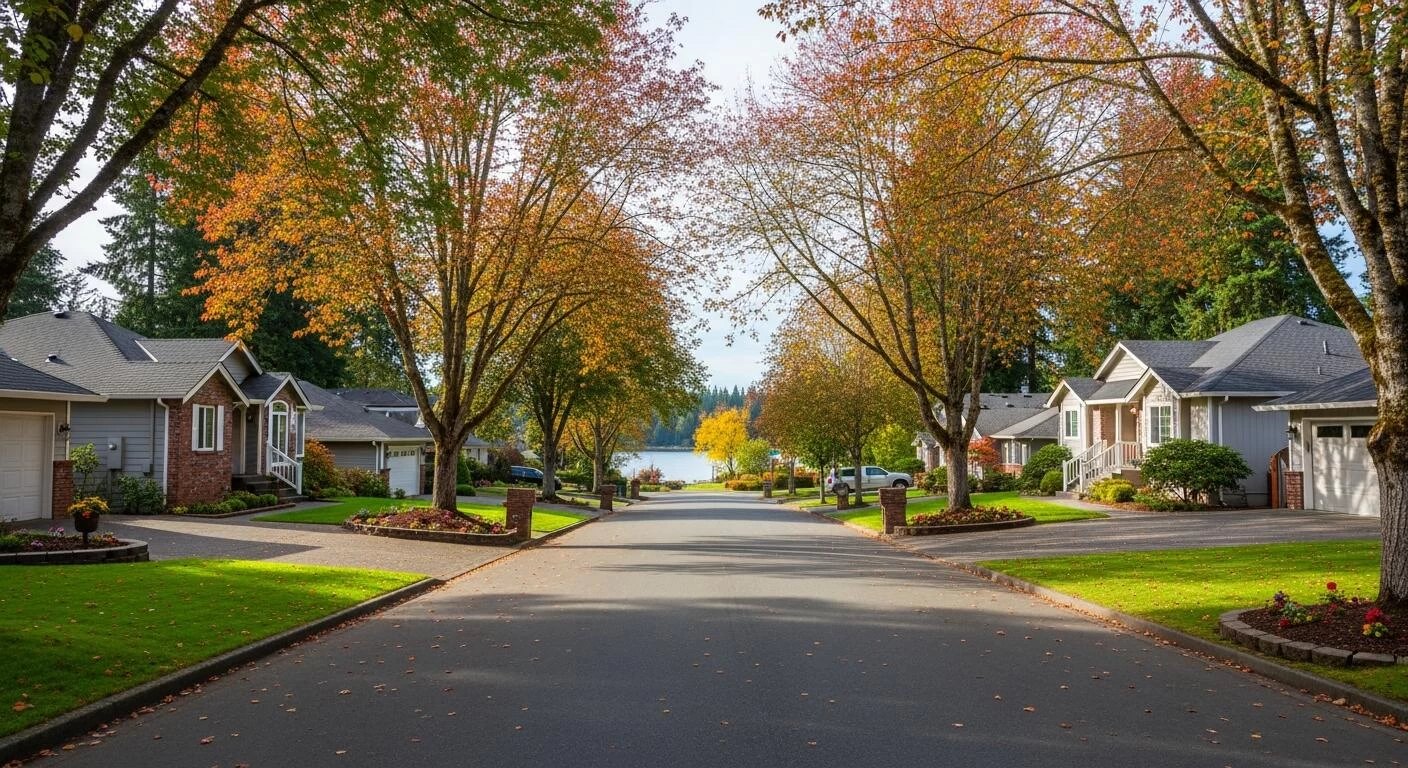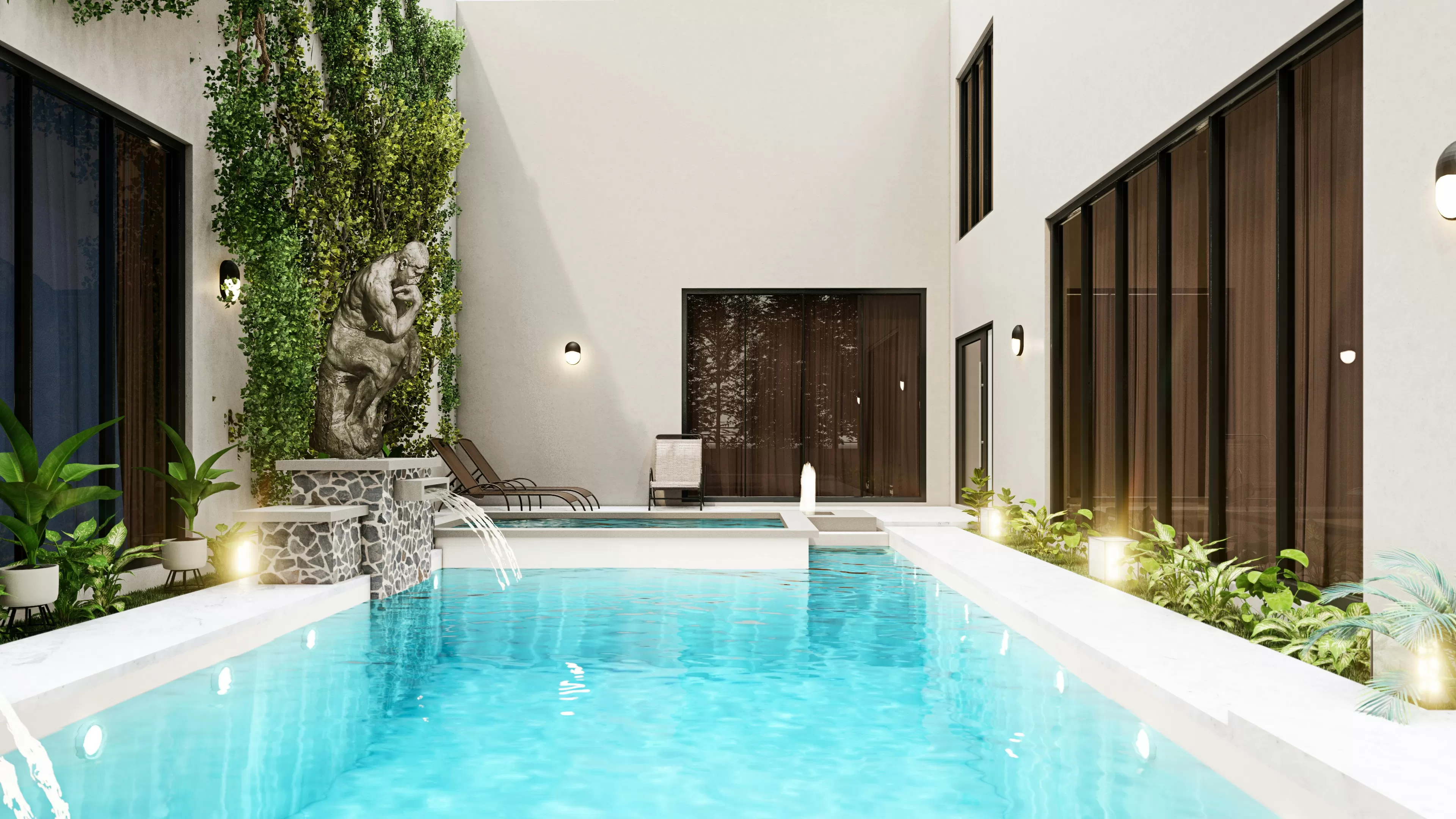
A house with a swimming pool in Birmingham is a niche, high-value segment of the local housing market, typically concentrated in prime suburbs and large detached homes. Most properties with pools are priced above standard local averages due to build cost, land requirements, maintenance obligations, and buyer scarcity, with values influenced more by location and house quality than by the pool alone.
Are Houses With Swimming Pools Common in Birmingham?
Houses with swimming pools are uncommon in Birmingham, representing a small fraction of total residential listings. The UK climate, high construction costs, and ongoing maintenance mean pools are usually found only in larger detached homes, bespoke self-builds, or historic properties adapted for luxury use.
Unlike warmer international markets, a swimming pool in Birmingham is rarely a mass-market feature. Outdoor pools are typically seasonal and often covered or heated, while indoor pools are more prevalent due to year-round usability. As a result, the presence of a pool does not automatically guarantee higher demand but does affect buyer profile, marketing strategy, and time on market.
From a valuation perspective, a pool is considered a discretionary luxury rather than a core value driver. Local surveyors and lenders usually assess the underlying property first, then apply a modest premium if the pool is well-designed, compliant, and appropriate for the neighbourhood. Poorly maintained or oversized pools can be neutral or even negative in value terms.
For buyers, this means choice is limited but distinctive. For sellers, it means pricing accuracy is critical, as comparable sales are scarce and buyer expectations are specific.
Where Are Birmingham Homes With Swimming Pools Located?
Most Birmingham houses with swimming pools are located in affluent, low-density suburbs where plot sizes, privacy, and property values support luxury amenities. These areas tend to attract executive buyers, business owners, and long-term homeowners rather than first-time buyers.
The most consistent concentrations appear in south and south-west Birmingham, as well as select semi-rural edges. Areas such as Edgbaston, Harborne, Moseley, and parts of Sutton Coldfield account for a significant share of pool-equipped properties, particularly those with indoor leisure suites.
Edgbaston is notable for large Victorian and Edwardian homes that have been extended or converted to include indoor pools, often alongside gyms or spa facilities. Sutton Coldfield, with its larger detached housing stock and proximity to green space, features both indoor pools and occasional outdoor installations on substantial plots.
True inner-city locations rarely support pools due to land constraints and planning limitations. Conversely, properties on the Birmingham fringe or neighbouring Worcestershire and Warwickshire borders may include outdoor pools as part of broader lifestyle estates.
For buyers assessing location, the key consideration is not just postcode prestige but whether the pool aligns with surrounding property standards. A pool that feels excessive for its street can restrict resale demand, while one that matches local expectations integrates more smoothly into market value.
What Types of Properties Have Swimming Pools in Birmingham?
Swimming pools in Birmingham are most commonly found in large detached houses, self-builds, and period properties that have undergone substantial renovation. Semi-detached and terraced houses with pools are extremely rare and usually involve indoor plunge pools rather than full-sized installations.
Indoor pools dominate the market due to climate practicality. These are often housed in purpose-built extensions with dehumidification systems, reinforced flooring, and dedicated plant rooms. Properties built or remodelled with leisure use in mind typically include integrated changing areas and glazing designed to manage condensation and heat loss.
Outdoor pools exist but are less common and usually paired with heating, retractable covers, or pool enclosures. Without these features, usability is limited to a few months per year, which affects buyer appeal. Outdoor pools also require more space, making them viable mainly on large suburban or semi-rural plots.
Listed buildings occasionally feature pools, but these require careful planning compliance and specialist consent. In such cases, pools are often installed in detached outbuildings or basements to preserve architectural integrity.
Across all property types, the quality of integration matters more than the mere presence of a pool. Buyers consistently prioritise structural soundness, running costs, and ease of maintenance over size or visual impact.
How Much Does a House With a Swimming Pool Cost in Birmingham?
A house with a swimming pool in Birmingham typically commands a higher asking price than comparable homes without one, but the premium varies widely by location, property size, and pool type. In most cases, the pool contributes a marginal uplift rather than a proportional return on build cost.
Entry-level properties with pools usually begin in established suburban areas where detached homes exceed regional averages. At the upper end, bespoke houses with indoor leisure facilities sit firmly within the prime market.
| Property Category | Typical Location | Indicative Price Range |
|---|---|---|
| Detached family home with indoor pool | Edgbaston, Harborne | £900,000 – £1.5m+ |
| Large suburban house with outdoor heated pool | Sutton Coldfield | £750,000 – £1.2m |
| Luxury self-build or estate property | Birmingham fringe / semi-rural | £1.5m – £3m+ |
| Converted period home with pool facility | Moseley, Bournville | £850,000 – £1.4m |
These figures reflect market asking prices rather than guaranteed sale values. Actual transaction prices depend heavily on condition, energy efficiency, and whether the pool infrastructure meets modern standards.
Does a Swimming Pool Increase Property Value?
A swimming pool does not automatically increase the value of a Birmingham property in direct proportion to its installation cost. Most valuers treat pools as lifestyle features that enhance marketability for a narrow buyer segment rather than as essential value drivers.
In practical terms, a well-executed indoor pool may add modest value when compared to similar high-end homes, particularly if leisure facilities are expected in the area. However, outdoor pools often add little financial uplift unless they are part of a broader luxury specification.
Negative value impact can occur when a pool is outdated, energy-inefficient, or poorly maintained. Buyers factor in refurbishment or removal costs, which can suppress offers. Mortgage lenders may also require confirmation that pool structures are safe, compliant, and insured.
From a resale perspective, the strongest value retention is seen where the pool complements the property rather than dominates it. Integrated designs that preserve garden usability and interior living space perform best.
What Are the Ongoing Costs of Owning a Pool?
Owning a swimming pool in Birmingham involves ongoing operational and maintenance costs that buyers must factor into affordability assessments. These costs vary significantly between indoor and outdoor pools.
| Cost Category | Indoor Pool (Annual) | Outdoor Heated Pool (Annual) |
|---|---|---|
| Energy (heating, ventilation) | £2,000 – £4,000 | £1,500 – £3,000 |
| Chemicals and water treatment | £600 – £1,200 | £500 – £1,000 |
| Servicing and inspections | £800 – £1,500 | £600 – £1,200 |
| Repairs and contingency | £500 – £1,000 | £500 – £1,000 |
Indoor pools carry higher energy and humidity control costs but offer year-round use. Outdoor pools are cheaper to operate annually but deliver limited seasonal value.
Planning Permission, Regulations, and Compliance
Most existing houses with swimming pools in Birmingham were constructed with planning approval or fall under permitted development rules. Buyers should not assume compliance and must verify documentation during conveyancing.
Indoor pools generally require building regulations approval due to structural alterations, drainage, ventilation, and electrical systems. Outdoor pools may not need planning permission if they meet size and location criteria, but safety standards and drainage compliance still apply.
Listed buildings and conservation areas impose stricter controls. Any pool addition or alteration must respect heritage constraints, and retrospective approval can be difficult to secure.
Insurance providers often require disclosure of pools and may impose safety conditions such as secure covers or fencing. Failure to comply can invalidate cover.
Key Considerations for Buyers and Investors
Buyers considering a house with a swimming pool in Birmingham should prioritise structural integrity, operational efficiency, and long-term resale impact. A pool should be viewed as a lifestyle choice rather than a guaranteed financial asset.
Professional surveys should include specialist inspection of pool systems, plant rooms, and moisture control measures. Investors and landlords should note that pools rarely improve rental yield and may increase void risk and insurance premiums.
For owner-occupiers, usability and running costs are the deciding factors. Properties where the pool can be repurposed or removed without major disruption offer greater flexibility if circumstances change.
How to Sell a House With a Swimming Pool in Birmingham
Selling a house with a swimming pool in Birmingham requires targeted positioning rather than broad-market pricing. The buyer pool is smaller and more discerning, making presentation, documentation, and price realism critical.
Sellers achieve the strongest outcomes when the pool is presented as part of an integrated lifestyle offer rather than a standalone feature. This includes providing evidence of regular servicing, recent upgrades, and energy efficiency measures such as modern heat pumps or pool covers.
Overpricing is a common issue. Buyers rarely pay a premium equal to the original installation cost, particularly for older pools. Properties priced in line with comparable high-end homes, with the pool framed as an added benefit, tend to transact more reliably.
Where a pool is no longer functional or visually dated, sellers may achieve better results by obtaining quotes for refurbishment or removal and disclosing these options upfront. Transparency reduces buyer uncertainty and supports stronger offers.
Can a Swimming Pool Be Removed or Converted?
Yes, swimming pools in Birmingham properties can be removed or converted, subject to structural and regulatory considerations. Buyers frequently assess this flexibility when a pool does not align with their lifestyle needs.
Indoor pools are commonly converted into gyms, entertainment rooms, or additional living space. This process requires professional structural infill, damp-proofing, and compliance with building regulations, particularly where pools are below ground level.
Outdoor pools can be decommissioned and landscaped over, but proper drainage and ground stabilisation are essential to avoid subsidence. Poor-quality removal work can create long-term structural risks.
From a value perspective, the option to repurpose a pool often enhances buyer confidence, especially among families who prioritise garden usability or reduced running costs.
Common Buyer and Seller Mistakes
The most frequent mistake buyers make is underestimating the operational complexity of pool ownership. Energy use, humidity control, and specialist maintenance are ongoing obligations, not occasional expenses.
Sellers often assume a pool guarantees a premium price. In reality, mismatched pricing can extend time on market and lead to price reductions that outweigh any perceived benefit.
Another common issue is inadequate documentation. Missing planning approvals, outdated safety compliance, or incomplete service records can delay transactions or reduce buyer confidence.
Both parties benefit from early specialist advice, particularly where properties fall into higher value brackets or involve listed status.
Frequently Asked Questions
Are houses with swimming pools harder to sell in Birmingham?
They can take longer to sell due to a smaller buyer pool, but well-priced properties in prime areas with high-quality pools remain attractive to lifestyle-driven buyers.
Do lenders have issues with properties that include swimming pools?
Most mainstream lenders accept properties with pools, provided the structure is compliant, insured, and does not compromise the main dwelling’s value.
Is an indoor or outdoor pool better for resale value?
Indoor pools generally perform better in Birmingham due to year-round usability and reduced weather dependency.
Can a swimming pool affect home insurance costs?
Yes. Pools typically increase premiums and may require additional safety measures such as secure covers or controlled access.
Are swimming pools suitable for rental properties?
Pools rarely improve rental yield and may increase liability and maintenance risk, making them less suitable for most buy-to-let strategies.
Key Takeaways
- Market rarity: Houses with swimming pools are uncommon in Birmingham and appeal to a niche buyer segment.
- Value impact: Pools add lifestyle appeal but usually deliver modest financial uplift.
- Costs matter: Ongoing running and maintenance costs significantly influence buyer decisions.
- Compliance is critical: Planning, building regulations, and insurance requirements must be verified.
- Flexibility adds confidence: Properties that allow pool conversion or removal tend to attract broader interest.
References
- UK Government Planning Portal – Outbuildings and permitted development guidance
- RICS Residential Property Valuation Guidance
- UK Building Regulations Approved Documents
- Association of British Insurers – Home insurance considerations