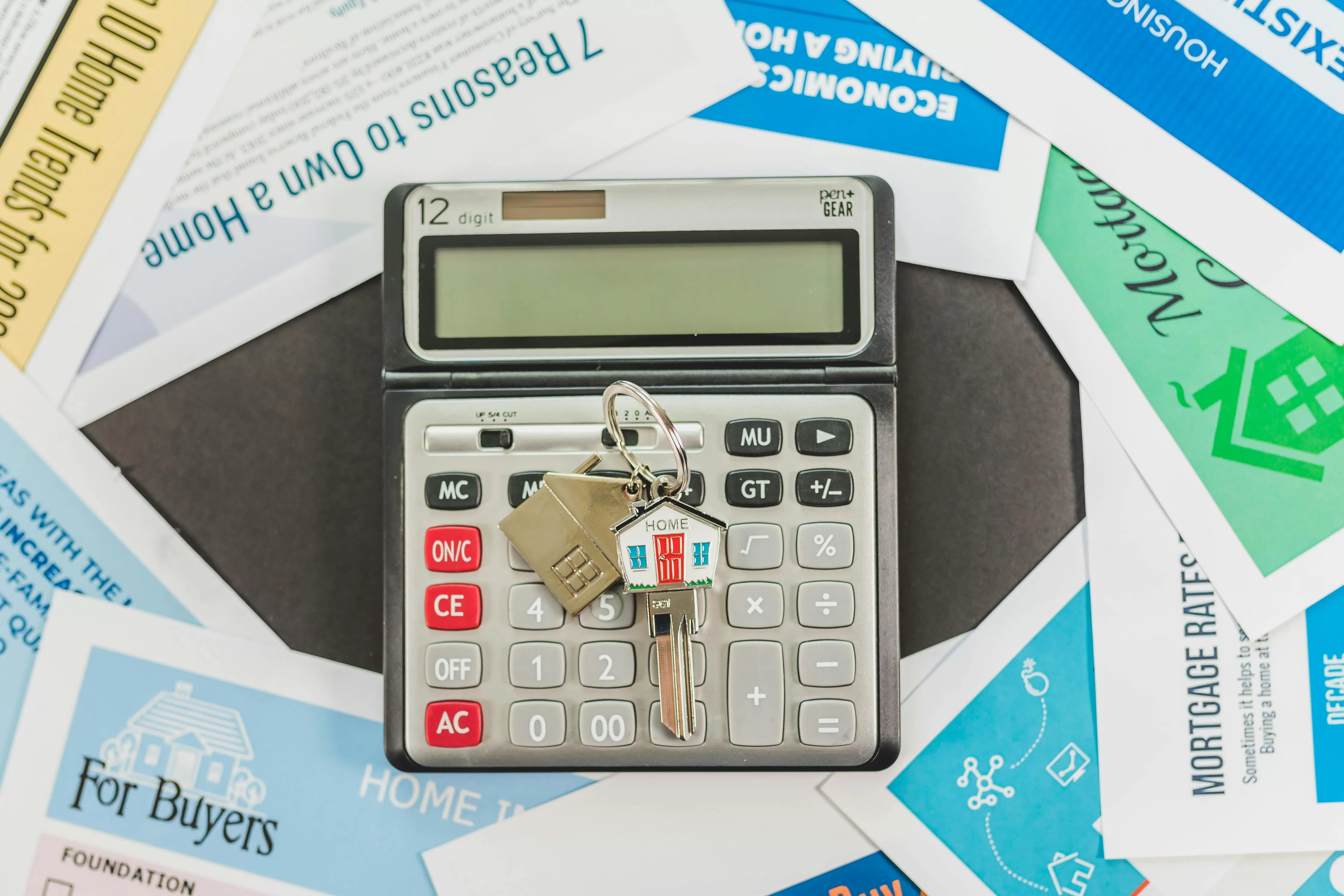
Rent-to-own homes in Enid, Oklahoma, offer a path to homeownership for buyers who may not qualify for a traditional mortgage today but want to purchase a property in the future. In a typical lease-to-own agreement, a portion of the monthly payment may be credited toward the future purchase, while the tenant gains time to improve credit, build savings, and evaluate the property before committing to a final purchase. For many first-time buyers and households facing financing challenges, rent-to-own homes in Enid can provide flexibility while allowing them to move into a home sooner than they otherwise could.
Understanding Rent-to-Own Homes in Enid
A rent-to-own home is a property that allows a tenant to lease the home for a specified period while retaining the option, or sometimes the obligation, to purchase it later. These arrangements are commonly used by buyers who need additional time to strengthen their financial profile before applying for a mortgage.
In Enid, lease-to-own agreements typically involve an upfront option fee, a lease period, and a predetermined purchase price or pricing formula. During the lease term, occupants live in the home as tenants while preparing for eventual ownership.
Unlike traditional rentals, rent-to-own agreements are designed with a future purchase in mind. This makes contract review especially important because the terms governing purchase rights, maintenance responsibilities, and payment credits can vary significantly between properties.
For prospective buyers in Enid, these arrangements can bridge the gap between renting and owning while providing time to address credit issues, reduce debt, increase income stability, or accumulate a larger down payment.
Why Buyers Choose Rent-to-Own Properties in Enid
Many buyers pursue rent-to-own opportunities because mortgage approval standards can be difficult to meet immediately. Rather than waiting several years while continuing to rent, some households use lease-to-own arrangements as a transitional step toward ownership.
More Time to Improve Credit
Credit scores play a major role in mortgage qualification. Buyers who have experienced past financial setbacks often use the lease period to pay down debt, establish positive payment history, and improve their credit standing before seeking financing.
Opportunity to Lock in a Home Early
Many rent-to-own contracts identify the future purchase price when the agreement begins. If local home values increase during the lease period, the buyer may benefit from securing a property before broader market appreciation affects affordability.
Ability to Test the Property and Neighborhood
One advantage of rent-to-own housing is the opportunity to experience daily life in the property before making a long-term commitment. Buyers can evaluate commute times, schools, neighbourhood amenities, maintenance requirements, and overall suitability.
Potential Path for Self-Employed Buyers
Self-employed individuals sometimes face additional documentation requirements during mortgage underwriting. A lease-to-own period may provide time to establish stronger income records and prepare the documentation lenders require.
Greater Housing Stability
Traditional rental agreements can end when a landlord decides to sell or occupy a property. A rent-to-own agreement generally provides a clearer long-term pathway for occupants who intend to remain in the home.
Enid Housing Market Overview
Enid is one of north-central Oklahoma's major residential and economic centres. The city attracts families, professionals, retirees, military-connected households, and investors seeking relatively affordable housing compared with many larger metropolitan markets.
Homebuyers often find a range of housing options, including established single-family homes, newer subdivisions, townhomes, and investment properties. Because property prices in Enid are generally lower than those found in many major U.S. cities, rent-to-own opportunities can be particularly attractive to buyers seeking attainable homeownership.
Local housing demand is influenced by employment opportunities, educational institutions, healthcare services, agricultural industries, energy-related businesses, and military activity associated with the region. These factors contribute to ongoing housing needs across various price points.
For buyers evaluating lease-to-own opportunities, understanding neighbourhood trends is important. Areas with improving infrastructure, strong school access, convenient transportation routes, and stable property values may offer advantages when transitioning from tenant to homeowner.
Neighborhood Factors to Evaluate
Before entering a rent-to-own agreement, buyers should carefully assess the neighbourhood in addition to the property itself. Important considerations include:
- School district quality and accessibility.
- Employment centres and commuting distance.
- Property value trends.
- Crime statistics and public safety resources.
- Access to healthcare facilities.
- Shopping, recreation, and community amenities.
- Future development plans that may affect values.
Because the goal is eventual ownership, evaluating long-term neighbourhood suitability is often more important than it would be for a short-term rental.
Property Types Available Through Lease-to-Own Programs
Rent-to-own opportunities in Enid can involve several property categories. Understanding the differences helps buyers identify options that align with their financial goals and lifestyle needs.
Single-Family Homes
Single-family homes are the most common type of lease-to-own property. These homes often appeal to families seeking private outdoor space, multiple bedrooms, and long-term residential stability.
Starter Homes
Many first-time buyers focus on smaller homes with manageable maintenance requirements and lower future mortgage obligations. Starter homes often serve as an accessible entry point into homeownership.
Recently Renovated Properties
Some investors offer lease-to-own arrangements on homes that have undergone substantial updates. Buyers should still conduct inspections because cosmetic improvements do not always reflect the condition of major systems such as roofing, plumbing, HVAC equipment, or electrical infrastructure.
Properties Requiring Minor Improvements
Certain rent-to-own homes may need minor repairs or upgrades. Buyers should determine whether the contract assigns responsibility for these improvements to the tenant or the property owner during the lease term.
Regardless of property type, obtaining an independent inspection before signing any agreement can help identify maintenance concerns and future ownership costs.
How the Rent-to-Own Process Works
A rent-to-own transaction typically follows a structured process that combines elements of renting and purchasing. Understanding each stage helps buyers evaluate whether a particular opportunity aligns with their financial goals.
The process usually begins when a buyer identifies a property available under a lease-to-own arrangement. The parties negotiate the lease term, monthly rent, option fee, purchase price structure, maintenance responsibilities, and future purchase conditions.
After signing the agreement, the tenant moves into the property and begins making monthly payments. Depending on the contract, a portion of those payments may be credited toward the eventual purchase.
During the lease period, the buyer generally works toward mortgage readiness by improving credit scores, reducing debt, building savings, and maintaining stable employment.
When the lease term approaches expiration, the buyer seeks mortgage financing and completes the purchase according to the contract terms. If financing cannot be secured, the outcome depends on the specific provisions contained within the agreement.
Typical Steps in a Lease-to-Own Transaction
- Identify a suitable rent-to-own property.
- Review the property's condition and market value.
- Negotiate contract terms.
- Pay the required option consideration.
- Move into the property under the lease agreement.
- Improve financial qualifications during the lease period.
- Apply for mortgage financing.
- Exercise the purchase option if eligible.
- Complete closing and transfer ownership.
Benefits for First-Time Buyers
First-time buyers often face challenges related to down payments, credit qualifications, debt-to-income ratios, and limited homeownership experience. Rent-to-own arrangements can address several of these obstacles while allowing buyers to move toward ownership gradually.
Time to Build a Down Payment
Many buyers need additional time to accumulate funds for closing costs and lender-required down payments. The lease period provides an opportunity to save while already living in the desired property.
Learning the Responsibilities of Ownership
Living in the home before purchasing gives buyers practical experience with maintenance, utility costs, landscaping, and ongoing property care. This knowledge can help them prepare for future ownership expenses.
Reduced Pressure During the Home Search
Traditional home purchases often involve competitive bidding and tight timelines. A rent-to-own agreement can provide more time for thoughtful decision-making while securing access to a property.
Potential Equity Benefits
Depending on market conditions and contract terms, buyers may benefit if property values increase during the lease period and the purchase price was established earlier in the agreement.
These advantages do not eliminate risk, but they can make homeownership more attainable for buyers who are not yet mortgage-ready.
Financial Preparation Before Signing a Contract
Financial preparation is one of the most important factors in a successful rent-to-own experience. Buyers should approach the arrangement as preparation for a future mortgage approval rather than as a substitute for financing requirements.
Review Credit Reports Early
Before entering a lease-to-own agreement, buyers should obtain and review their credit reports. Identifying inaccuracies, unpaid collections, or high debt balances early provides more time for corrective action.
Create a Mortgage Readiness Plan
A written plan can help buyers stay focused throughout the lease period. Goals may include:
- Improving credit scores.
- Reducing revolving debt.
- Increasing savings reserves.
- Maintaining employment stability.
- Avoiding major new debt obligations.
Understand Future Financing Requirements
Many buyers focus solely on qualifying for the lease agreement and overlook future mortgage requirements. Understanding lender expectations from the beginning helps prevent surprises later.
Mortgage lenders generally evaluate income, employment history, debt obligations, credit history, cash reserves, and property value when reviewing applications.
Establish an Emergency Fund
Unexpected expenses can occur during any housing arrangement. Maintaining emergency savings can help buyers avoid missed payments and financial disruptions that could affect future financing eligibility.
Understanding Rent-to-Own Costs
Rent-to-own properties often involve costs beyond standard monthly rent. Buyers should understand these expenses before signing a contract.
The option fee is commonly paid upfront and grants the buyer the right to purchase the property under specified conditions. Depending on the agreement, this fee may or may not be refundable.
Monthly rent payments may be higher than comparable rental properties because part of the payment could be allocated toward future purchase considerations.
Buyers should also budget for inspection costs, legal review expenses, moving costs, maintenance obligations, insurance requirements, and eventual mortgage closing expenses.
A complete understanding of these costs helps buyers evaluate whether a specific rent-to-own opportunity is financially sustainable over the entire lease period.
Lease Option vs Lease Purchase Agreements
Not all rent-to-own contracts operate the same way. Two common structures are lease-option agreements and lease-purchase agreements.
Lease Option Agreements
A lease-option contract generally gives the tenant the right, but not necessarily the obligation, to purchase the property before the option period expires. This structure provides greater flexibility if circumstances change.
Lease Purchase Agreements
A lease-purchase agreement typically creates a stronger commitment to complete the transaction. Depending on contract language and applicable laws, failing to purchase could expose a buyer to additional legal or financial consequences.
Because the differences can significantly affect future obligations, buyers should obtain professional legal review before signing either type of agreement.
Legal Considerations and Contract Terms
Every rent-to-own agreement should be reviewed carefully before execution. The contract determines the rights and responsibilities of both parties and governs the future purchase process.
Important Clauses to Review
- Purchase price determination.
- Option fee treatment.
- Monthly payment requirements.
- Maintenance responsibilities.
- Property tax obligations.
- Insurance requirements.
- Default provisions.
- Purchase deadlines.
- Dispute resolution procedures.
Buyers should not rely solely on verbal explanations. All critical terms should appear clearly within the written agreement.
Independent legal review may identify provisions that could create financial risks or limit future purchase rights.
Common Mistakes to Avoid
Many rent-to-own transactions encounter difficulties because buyers overlook important details during the initial evaluation process.
Failing to Inspect the Property
Some buyers assume they can address property issues later because they are initially renting. However, future ownership makes the current property condition extremely important.
Ignoring Financing Readiness
Securing a lease-to-own agreement does not guarantee mortgage approval later. Buyers should actively prepare for financing from the first day of occupancy.
Not Reviewing Contract Language Carefully
Complex legal terms can affect purchase rights, payment credits, maintenance responsibilities, and default consequences. Professional review can help prevent misunderstandings.
Overestimating Future Income Growth
Financial planning should be based on realistic expectations rather than anticipated promotions, bonuses, or business growth that may not occur.
Missing Payment Deadlines
Late payments may affect both contractual rights and future mortgage qualification efforts. Maintaining a consistent payment history is essential.
Expert Strategies for Successful Ownership Transition
Successful rent-to-own buyers typically begin preparing for mortgage approval long before the purchase deadline arrives.
Maintaining communication with lenders throughout the lease period can provide insight into changing qualification standards and identify potential issues early.
Buyers should track all payments, preserve contract documents, retain maintenance records, and monitor credit progress regularly.
Obtaining periodic property evaluations can also help buyers understand local market conditions and estimate future financing needs.
Most importantly, buyers should treat the lease period as a preparation phase for ownership rather than as an extended rental arrangement. Consistent financial discipline throughout the process often improves the likelihood of a successful transition from tenant to homeowner.
How to Find Rent-to-Own Homes in Enid
Finding rent-to-own homes in Enid requires a broader search strategy than a traditional home purchase because lease-to-own properties represent a smaller segment of the housing market. Buyers should use multiple sources rather than relying on a single listing platform.
Local real estate professionals familiar with alternative financing arrangements can often identify opportunities that may not be widely advertised. Property owners seeking flexible selling options sometimes work directly with agents who understand lease-to-own transactions.
Buyers should also monitor local property listings, community housing resources, landlord networks, and owner-financed property advertisements. Some sellers are willing to consider rent-to-own arrangements even if the property was not initially marketed that way.
Questions to Ask Before Pursuing a Property
- How is the future purchase price determined?
- Is the option fee refundable under any circumstances?
- Will any rent payments be credited toward the purchase?
- Who is responsible for major repairs?
- What happens if financing cannot be obtained?
- Are there restrictions on exercising the purchase option?
- Has the property received a recent professional inspection?
Gathering detailed answers before signing can help buyers compare opportunities objectively and avoid unexpected obligations later.
Seller and Landlord Perspectives
Rent-to-own arrangements can also benefit property owners in Enid. Sellers who are unable to secure an immediate buyer may use lease-to-own agreements to attract a larger pool of potential purchasers.
In some cases, sellers receive option fees and rental income while maintaining a potential future sale. This can provide flexibility in markets where traditional sales timelines are uncertain.
Property owners may also attract occupants who have a stronger incentive to care for the property because they hope to become owners in the future.
However, sellers should carefully evaluate contract terms, financial risks, maintenance responsibilities, and applicable legal requirements before offering a rent-to-own arrangement.
Why Some Sellers Consider Lease-to-Own Agreements
- Expanded buyer pool.
- Potential rental income during the lease term.
- Greater flexibility in marketing the property.
- Potentially reduced vacancy periods.
- Structured path toward a future sale.
Investor Considerations
Investors sometimes use rent-to-own structures as part of a broader real estate strategy. The arrangement can create predictable occupancy while establishing a potential exit plan for the property.
From an investment standpoint, careful tenant screening remains essential. The long-term success of a lease-to-own transaction often depends on whether the occupant is realistically capable of qualifying for financing before the agreement expires.
Investors should evaluate property condition, expected maintenance costs, local market trends, appreciation potential, and contract enforceability before offering lease-to-own opportunities.
Because real estate regulations can vary, professional legal and tax guidance is advisable when structuring investment-related lease-to-own transactions.
Long-Term Planning for Homeownership
A rent-to-own agreement should be viewed as a temporary stage on the path to ownership rather than a permanent housing solution. Buyers who establish clear financial goals early often position themselves more effectively for a successful purchase.
Throughout the lease period, buyers should monitor credit reports, reduce outstanding debt, maintain stable employment records, and continue building savings. Regular reviews of mortgage readiness can help identify issues before the purchase deadline approaches.
It is also wise to stay informed about local housing conditions in Enid. Market changes can influence financing decisions, property values, insurance costs, and future ownership expenses.
By treating the lease period as an active preparation phase, buyers can increase confidence in their ability to complete the purchase when the opportunity arises.
Frequently Asked Questions
Are rent-to-own homes available throughout Enid?
Yes. Availability varies over time, but lease-to-own opportunities can be found in different neighbourhoods depending on current market conditions and seller preferences.
Do I need good credit for a rent-to-own home?
Requirements vary by property owner. Some sellers may be more flexible than traditional mortgage lenders, but future financing typically requires acceptable credit qualifications.
Is the option fee refundable?
In many agreements, the option fee is non-refundable. Buyers should review contract language carefully before signing.
Can I buy the home before the lease term ends?
Some contracts permit early purchase while others establish specific timelines. The agreement should clearly describe any early-purchase rights.
Who pays for repairs during the lease period?
Responsibility depends on the contract. Some agreements place certain maintenance obligations on the tenant, while others leave major repairs with the owner.
What happens if I cannot obtain a mortgage?
The outcome depends on the contract structure. Buyers should understand the consequences before entering the agreement and work toward financing readiness throughout the lease term.
Are rent-to-own homes a good option for first-time buyers?
They can be beneficial for buyers who need additional time to improve credit, save for a down payment, or strengthen their financial profile before obtaining a mortgage.
Should I hire an attorney to review the agreement?
Professional legal review is strongly recommended because lease-to-own contracts can contain complex provisions affecting future purchase rights and financial obligations.
Key Takeaways
- Rent-to-own agreements: Provide a pathway toward homeownership for buyers who need additional time to qualify for financing.
- Financial preparation: Improving credit, reducing debt, and increasing savings during the lease period are essential for future mortgage approval.
- Contract review: Understanding option fees, purchase rights, maintenance obligations, and default provisions is critical before signing.
- Property evaluation: Independent inspections help identify issues that could affect long-term ownership costs.
- Enid market opportunities: The city's relatively affordable housing market can make lease-to-own arrangements attractive for first-time buyers and families.
- Professional guidance: Legal, financial, and real estate professionals can help buyers evaluate risks and navigate complex agreements.
References
- Consumer Financial Protection Bureau (CFPB) resources on home buying and mortgage readiness.
- U.S. Department of Housing and Urban Development (HUD) homeownership guidance.
- Federal Trade Commission (FTC) consumer information regarding housing contracts and real estate transactions.
- Oklahoma real estate and landlord-tenant regulatory resources.
- Mortgage lending guidelines and homebuyer education materials from recognised housing agencies.