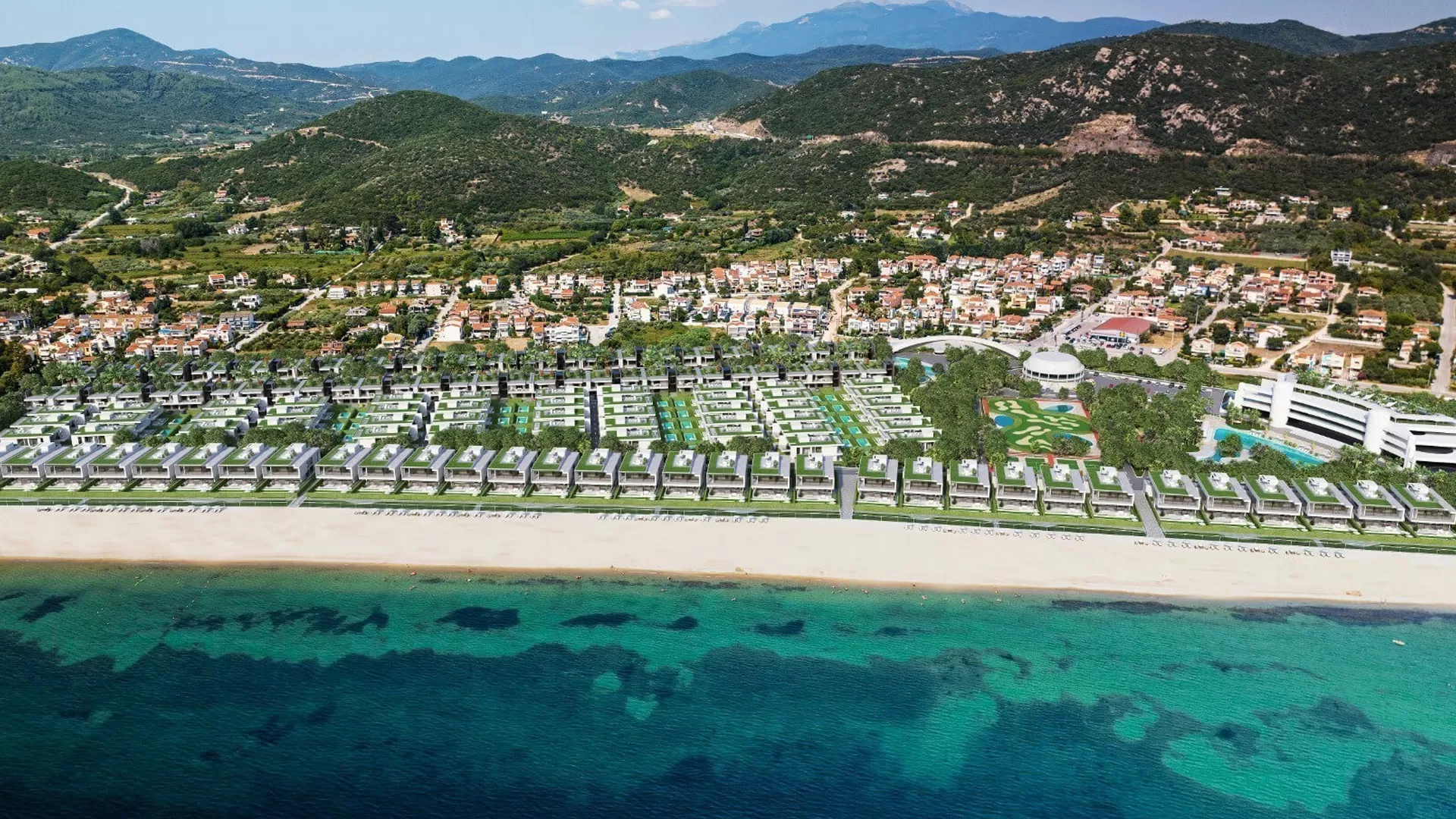
Buying luxury real estate in Europe offers access to stable property markets, global lifestyle appeal, and long-term capital preservation. High-end properties across countries such as France, Spain, Italy, and Portugal attract investors due to strong legal frameworks, international demand, and diversified rental potential. However, successful investment requires understanding regional pricing, ownership rules, taxation, and market dynamics before committing capital.
What Defines Luxury Real Estate in Europe?
Luxury real estate in Europe is defined by a combination of location, architectural value, exclusivity, and asset quality rather than price alone. While pricing thresholds vary by country and city, properties are typically categorised as “luxury” when they exceed the top 5–10% of the local market and offer premium features.
Key characteristics include:
- Prime location: City centres, waterfronts, historic districts, or scenic countryside estates.
- Architectural significance: Heritage villas, restored palaces, modern designer homes, or branded residences.
- High-end amenities: Private pools, concierge services, security systems, wine cellars, and wellness facilities.
- Limited availability: Scarcity plays a central role in maintaining long-term value.
- Strong international demand: Popular among global investors, second-home buyers, and ultra-high-net-worth individuals.
Luxury property segments in Europe can be broadly divided into urban luxury (e.g., penthouses in Paris or London), resort luxury (e.g., villas in the French Riviera or Ibiza), and heritage estates (e.g., Tuscan farmhouses or Scottish castles). Each category serves different buyer objectives, from lifestyle acquisition to income generation.
Understanding this segmentation is essential, as investment performance varies significantly depending on property type, location, and target market.
Why Invest in European Luxury Property?
European luxury real estate attracts investors due to its combination of market stability, global appeal, and long-term wealth preservation. Compared to emerging markets, Europe offers regulatory transparency and relatively predictable property rights.
The primary reasons investors choose Europe include:
1. Market Stability and Legal Security
European countries generally maintain well-established property laws, land registries, and transparent transaction processes. This reduces risks related to ownership disputes and title uncertainty, which are common concerns in less-regulated markets.
2. Strong International Demand
Cities such as Paris, Barcelona, Lisbon, and Rome consistently attract global buyers. This demand supports liquidity, ensuring that luxury assets can be sold without prolonged holding periods under normal market conditions.
3. Lifestyle and Residency Benefits
Many European countries offer residency or visa pathways linked to property investment. While requirements vary, these programs are particularly attractive to non-EU investors seeking mobility, education access, or long-term relocation options.
4. Rental Income Potential
Luxury properties in tourist-driven markets can generate strong seasonal rental yields. Short-term rentals in coastal or cultural destinations often outperform long-term leases, provided local regulations permit such activity.
5. Currency Diversification
Investing in European real estate allows buyers to diversify assets into euro-denominated markets, reducing exposure to domestic currency fluctuations and geopolitical risks.
However, returns are not uniform across all regions. Investors must account for local taxes, maintenance costs, and regulatory restrictions on rentals, which can significantly impact net yields.
Top Countries to Buy Luxury Real Estate in Europe
Top Luxury Real Estate Markets in Europe: The best country for buying luxury real estate in Europe depends on investment goals, budget, and intended use. Each market offers distinct advantages, pricing structures, and legal considerations.
France
France remains one of the most established luxury property markets globally. Paris leads in urban luxury, while the French Riviera (Côte d’Azur) dominates the resort segment. Buyers are drawn by architectural heritage, strong resale value, and global prestige.
Considerations include higher transaction taxes and strict rental regulations in certain cities, particularly Paris.
Spain
Spain offers a balance between affordability and lifestyle appeal. Locations such as Marbella, Ibiza, and Barcelona attract both investors and second-home buyers. The market benefits from strong tourism demand, supporting short-term rental income.
Spain also provides residency options linked to investment, though policy changes should be reviewed before purchasing.
Portugal
Portugal has emerged as a leading destination for international investors due to competitive pricing, favourable tax regimes, and a high quality of life. Lisbon, Porto, and the Algarve region are key luxury hotspots.
While historically known for its Golden Visa program, regulatory changes have shifted investment focus toward specific property types and regions.
Italy
Italy appeals to buyers seeking heritage properties and countryside estates. Regions such as Tuscany, Lake Como, and the Amalfi Coast offer unique architectural assets with strong lifestyle value.
Investors should account for renovation costs, especially when purchasing historic properties, as well as bureaucratic processes that can extend transaction timelines.
Switzerland
Switzerland is known for exclusivity, privacy, and asset security. Luxury chalets in Alpine regions such as St. Moritz and Verbier command premium prices. The market is highly regulated, with restrictions on foreign ownership in certain areas.
Despite higher entry costs, Switzerland is often viewed as a safe-haven market with long-term value retention.
Each of these countries offers distinct advantages, but none are universally “best.” The right choice depends on whether the priority is capital growth, rental income, lifestyle use, or long-term wealth preservation.
What Does It Cost to Buy Luxury Property in Europe?
The total cost of buying luxury real estate in Europe extends beyond the purchase price and typically includes taxes, legal fees, agent commissions, and ongoing ownership expenses. These additional costs can range from 5% to 15% of the property value, depending on the country.
Key cost components include:
- Property price: Varies significantly by country and city, with prime locations commanding premium valuations.
- Transfer taxes: Often the largest additional cost, typically ranging between 4% and 10%.
- Notary and legal fees: Required for due diligence, contracts, and title registration.
- Agent commissions: Usually included in the sale price but can vary by market.
- Maintenance and service costs: Particularly high for villas, estates, and properties with amenities.
Luxury properties also involve ongoing expenses such as property taxes, insurance, and maintenance staff. For investors, these costs must be weighed against potential rental income and long-term appreciation.
In prime European cities, entry-level luxury properties may start around €1 million, while ultra-prime assets can exceed €10 million or significantly more depending on exclusivity and location.
What Is the Legal Process for Foreign Buyers?
Foreign nationals can buy property in most European countries, but the legal process varies by jurisdiction. Despite these differences, the core steps remain broadly consistent across markets.
1. Property Search and Offer
Buyers typically engage local real estate agents or advisors to identify suitable properties. Once a property is selected, a formal offer is submitted, often followed by negotiation.
2. Preliminary Agreement
In many countries, a preliminary contract (such as a reservation agreement or compromis de vente) is signed. This stage may require a deposit, usually between 5% and 10% of the purchase price.
3. Due Diligence
Legal checks are conducted to verify ownership, ensure there are no outstanding debts, and confirm compliance with zoning and planning regulations. This step is critical in avoiding future legal complications.
4. Final Contract and Notary
The final sale contract is signed in the presence of a notary or legal authority. The notary ensures the transaction complies with local laws and registers the property in the buyer’s name.
5. Registration and Ownership Transfer
Once the transaction is completed, the property is officially registered in the land registry, granting full legal ownership to the buyer.
Some countries impose restrictions on non-resident buyers or require additional approvals. Engaging a local legal expert is essential to navigate these requirements efficiently.
How Can You Finance a Luxury Property Purchase?
Luxury real estate purchases in Europe can be financed through a combination of personal capital, international mortgages, or structured financing solutions. The availability of financing depends on the buyer’s residency status, financial profile, and the property’s location.
Common financing options include:
- Cash purchases: Preferred in competitive markets and often provides stronger negotiation leverage.
- Local bank mortgages: Many European banks offer loans to foreign buyers, typically covering 50%–70% of the property value.
- International financing: Global banks may provide cross-border mortgage solutions for high-net-worth individuals.
- Developer financing: Occasionally available for new luxury developments.
Interest rates, loan-to-value ratios, and approval criteria vary widely across countries. Buyers should also consider currency risks when borrowing in euros while earning income in another currency.
In high-value transactions, financial structuring often includes tax planning and asset protection strategies, particularly for international investors.
What Taxes Apply to Luxury Real Estate in Europe?
Taxation is a critical factor when investing in European luxury real estate. Buyers must consider both one-time acquisition taxes and ongoing ownership taxes.
Typical tax categories include:
- Property transfer tax or stamp duty: Paid at the time of purchase.
- Annual property tax: Based on property value or local assessment.
- Rental income tax: Applies if the property is leased.
- Capital gains tax: Charged on profit when selling the property.
- Wealth tax: Applicable in certain countries for high-value assets.
Tax rates and obligations vary significantly between countries. For example, France and Spain impose wealth taxes under specific conditions, while Portugal offers certain tax incentives depending on residency status.
Double taxation treaties may apply for international buyers, reducing the risk of being taxed in multiple jurisdictions. Professional tax advice is strongly recommended before purchasing.
Common Mistakes Luxury Property Buyers Make
Buying luxury real estate in Europe involves complex financial and legal considerations. Avoiding common mistakes can significantly improve investment outcomes and reduce risk exposure.
Overlooking Total Ownership Costs
Many buyers focus solely on the purchase price without accounting for taxes, maintenance, and operational expenses. This can lead to underestimating the true cost of ownership.
Ignoring Local Regulations
Rental restrictions, zoning laws, and ownership rules vary widely across regions. Failing to understand these regulations can limit income potential or lead to compliance issues.
Skipping Proper Due Diligence
Incomplete legal checks can result in disputes over ownership, hidden liabilities, or planning violations. Due diligence should never be rushed, regardless of market pressure.
Overestimating Rental Yields
Projected rental income may not account for seasonality, vacancy rates, or management costs. Conservative estimates provide a more accurate financial outlook.
Lack of Exit Strategy
Investors often focus on acquisitions without considering resale timelines or market liquidity. A clear exit strategy helps align the investment with long-term financial goals.
Working with experienced real estate advisors, legal professionals, and tax consultants can mitigate these risks and ensure a structured investment approach.
What Are the Best Luxury Real Estate Investment Strategies?
The most effective luxury real estate investment strategy in Europe depends on whether the goal is capital appreciation, rental income, or long-term wealth preservation. Each strategy carries different risk levels, timelines, and management requirements.
Buy and Hold for Capital Growth
Investors targeting long-term appreciation typically focus on prime locations with limited supply, such as central Paris, coastal Mediterranean zones, or Alpine resorts. These markets benefit from sustained international demand and historically stable price growth.
Short-Term Rental Strategy
Luxury villas and city apartments in tourist-heavy regions can generate high seasonal returns through short-term rentals. However, success depends on local regulations, occupancy rates, and professional property management.
Renovation and Value Addition
Acquiring underperforming or historic properties and upgrading them to modern luxury standards can significantly increase value. This strategy is common in Italy and France but requires expertise in local planning laws and restoration practices.
Diversified Portfolio Approach
High-net-worth investors often diversify across multiple countries and property types to balance risk. For example, combining a stable urban asset with a high-yield resort property can improve overall portfolio performance.
Each strategy requires a clear understanding of local market cycles, regulatory frameworks, and operating costs to ensure sustainable returns.
Can Buying Property in Europe Grant Residency?
Some European countries offer residency or visa pathways linked to real estate investment, but eligibility criteria, minimum investment thresholds, and program availability vary.
Key considerations include:
- Investment thresholds: Minimum property values required to qualify for residency programs differ by country.
- Program changes: Policies are subject to revision, with some countries tightening or phasing out real estate-linked visas.
- Residency rights: Benefits may include visa-free travel within the Schengen Area, but not always full citizenship.
- Holding requirements: Investors may need to retain the property for a specified period.
Portugal, Spain, and Greece have historically offered such programs, though recent regulatory updates have shifted focus away from unrestricted property-based eligibility. Buyers should verify current rules before making decisions based on residency incentives.
Residency-linked investment should be evaluated as a secondary benefit rather than the primary reason for purchasing luxury property.
What Is the Future Outlook for European Luxury Property?
The outlook for European luxury real estate remains stable, supported by limited supply, global demand, and the region’s enduring lifestyle appeal. However, performance will vary across markets due to economic conditions, interest rates, and regulatory changes.
Key trends shaping the market include:
- Shift toward sustainable properties: Energy-efficient homes and eco-certified developments are gaining value.
- Increased regulation: Governments are tightening rules on short-term rentals and foreign ownership in certain regions.
- Rising demand for secondary cities: Buyers are exploring alternatives to traditional hotspots for better value and lower density.
- Digital nomad influence: Remote work is driving demand for lifestyle-oriented properties with strong connectivity.
While short-term fluctuations may occur, prime European markets continue to be viewed as resilient assets for long-term investors seeking stability and diversification.
Frequently Asked Questions
Is buying luxury real estate in Europe a good investment?
Yes, it can be a strong long-term investment due to market stability, global demand, and asset appreciation, but returns depend on location, costs, and market conditions.
Can foreigners buy property in Europe?
In most European countries, foreigners can buy property with minimal restrictions, although some regions impose specific rules or approvals.
Which European country is best for luxury real estate investment?
France, Spain, Portugal, Italy, and Switzerland are among the top choices, each offering different advantages depending on investment goals.
What are the main risks of investing in European property?
Key risks include regulatory changes, taxation, currency fluctuations, and overestimating rental income potential.
How much tax do you pay on European property?
Taxes vary by country but generally include transfer taxes, annual property taxes, rental income tax, and capital gains tax on resale.
Key Takeaways
- Market Stability: European luxury real estate offers long-term value supported by strong legal frameworks and global demand.
- Diverse Opportunities: Investors can choose between urban, resort, and heritage properties based on goals.
- Costs Matter: Total ownership costs, including taxes and maintenance, significantly impact returns.
- Regulatory Awareness: Understanding local laws and rental restrictions is essential before investing.
- Strategic Planning: A clear investment strategy and exit plan improve long-term outcomes.
References
- European Commission – Property Ownership Guidelines
- OECD – Real Estate Market Trends Reports
- National Land Registries and Tax Authorities (France, Spain, Portugal, Italy)
- Global Property Market Reports – Major Brokerage Firms