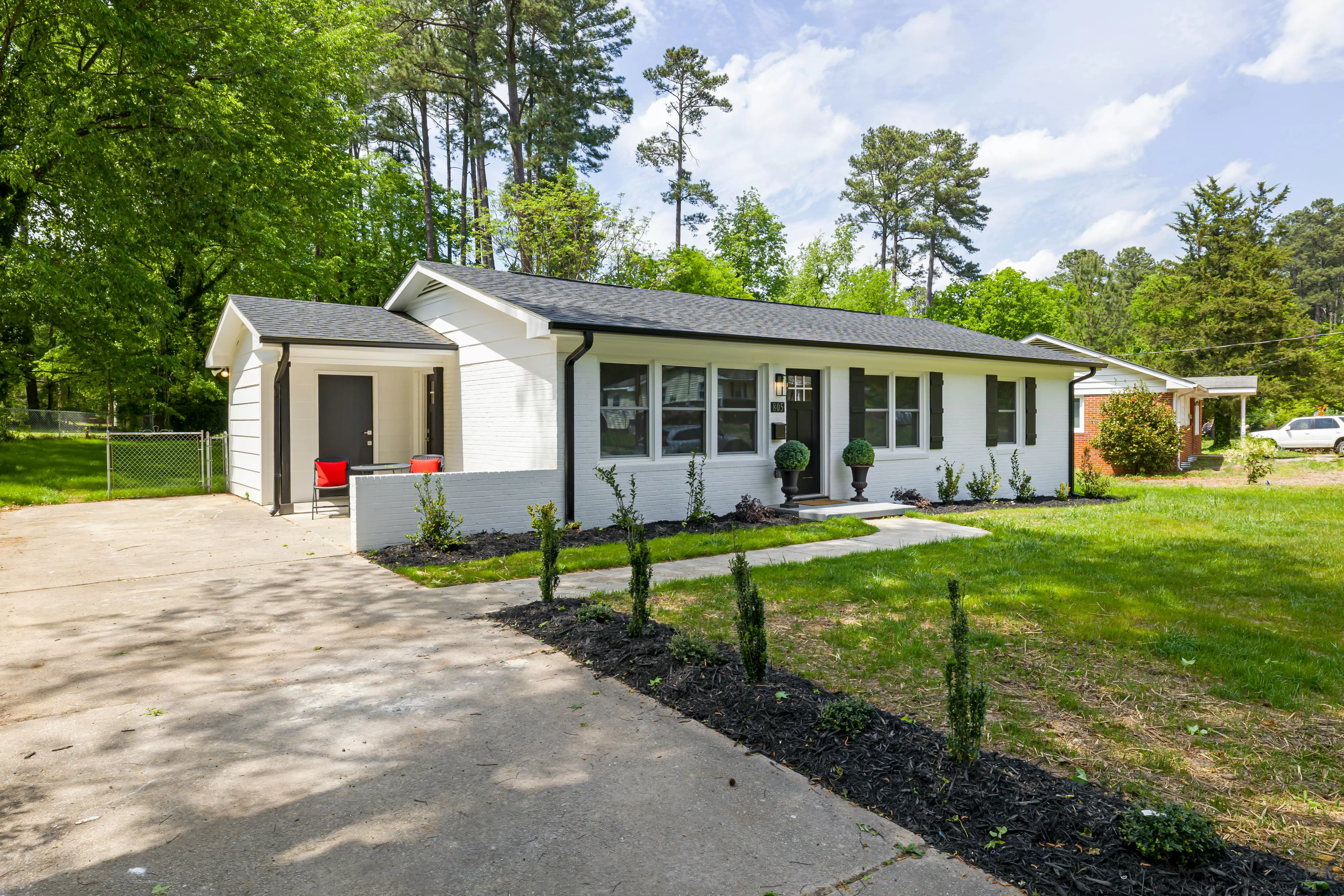
Rent-to-own homes in Jonesboro, Arkansas offer an alternative path to homeownership for buyers who are not yet prepared for a traditional mortgage. Through a lease-to-own agreement, occupants can move into a home while gaining time to improve credit, increase savings, strengthen income qualifications, or prepare for future financing. Jonesboro's growing economy, diverse housing inventory, and comparatively affordable residential market make it a location where rent-to-own arrangements can provide meaningful opportunities for first-time buyers, families, investors, and individuals seeking flexible housing solutions.
How Do Rent-to-Own Homes Work?
A rent-to-own home combines a residential lease with a future purchase opportunity. Instead of purchasing a property immediately, the buyer rents the home for a specified period while preparing financially for ownership.
Most rent-to-own agreements in Jonesboro include a lease term ranging from one to five years. During this period, the tenant occupies the property while working toward qualifying for a mortgage or arranging other financing options.
Key Elements of a Rent-to-Own Agreement
Although contract terms vary, most lease-to-own arrangements include several core components that determine how the transaction will operate.
| Component | Purpose | What Buyers Should Review |
|---|---|---|
| Option Fee | Secures future purchase rights | Whether it applies toward the purchase price |
| Lease Term | Establishes rental period | Length of time available before purchase decision |
| Purchase Price | Determines future acquisition cost | Whether price is fixed or determined later |
| Rent Credits | May contribute toward purchase | Amount credited from monthly rent |
| Maintenance Duties | Assigns repair responsibilities | Who pays for repairs and upkeep |
Lease-Option and Lease-Purchase Agreements
A lease-option agreement provides the tenant with the right to purchase the property during or at the end of the lease term. This structure generally offers greater flexibility because the buyer can decide whether to proceed with the purchase.
A lease-purchase agreement is typically more binding. Under this arrangement, the tenant agrees to purchase the property according to the terms established in the contract, subject to applicable conditions.
Who Benefits From Rent-to-Own Homes?
Rent-to-own properties often appeal to first-time homebuyers, self-employed individuals, households rebuilding credit, recent relocators, and buyers who need additional time to save for closing costs or down payments.
Property owners may also benefit by attracting long-term occupants who have a stronger interest in maintaining the property and eventually completing the purchase.
Why Jonesboro Is a Strong Market for Rent-to-Own Buyers
Jonesboro is one of Arkansas's most important economic and educational centers. Its combination of employment opportunities, population growth, healthcare services, educational institutions, and housing affordability makes it attractive for buyers exploring alternative paths to homeownership.
Housing Affordability Creates Opportunities
Compared with many larger metropolitan areas across the United States, Jonesboro generally offers more attainable home prices. This affordability can make lease-to-own arrangements more practical for buyers seeking manageable ownership costs in the future.
Lower acquisition costs may also reduce future mortgage requirements when buyers eventually exercise their purchase options.
Diverse Residential Inventory
Jonesboro offers a broad range of housing options, including established single-family homes, newer subdivisions, townhomes, and investment-oriented properties. This variety gives buyers flexibility when searching for lease-to-own opportunities.
| Market Characteristic | Potential Benefit for Buyers |
|---|---|
| Affordable Home Prices | Lower ownership barriers |
| Growing Economy | Supports housing demand |
| Varied Housing Inventory | More property options |
| Educational Institutions | Stable local activity and employment |
| Regional Healthcare Presence | Long-term economic support |
Economic Drivers Supporting Housing Demand
Jonesboro benefits from a diversified economy that includes healthcare, manufacturing, education, agriculture-related industries, transportation, and professional services. These sectors contribute to local housing demand and help sustain residential market activity.
Buyers considering long-term ownership often evaluate employment stability and economic growth when selecting neighborhoods and negotiating rent-to-own agreements.
Why Property Owners Offer Lease-to-Own Arrangements
Some property owners use rent-to-own agreements to reduce vacancies, generate rental income, attract committed occupants, and create alternative exit strategies for selling a property.
Lease-to-own structures can also provide flexibility for sellers seeking a broader pool of potential buyers.
Best Areas to Find Rent-to-Own Homes in Jonesboro
The ideal neighborhood depends on budget, commuting requirements, school preferences, lifestyle goals, and long-term ownership plans. Several areas within Jonesboro regularly attract buyers seeking flexible homeownership opportunities.
Valley View
Valley View is frequently considered by families and long-term residents due to its residential appeal, community atmosphere, and access to local amenities. Buyers often explore this area when searching for established neighborhoods with strong owner-occupancy rates.
Hilltop
Hilltop offers proximity to educational institutions, retail services, and major transportation routes. The area attracts a mix of professionals, students, and families seeking convenient access to city amenities.
Southwest Jonesboro
Southwest Jonesboro contains a variety of residential developments and housing styles. Buyers looking for diverse inventory often include this area in their property search.
Central Jonesboro
Central neighborhoods provide access to employment centers, shopping districts, healthcare facilities, and community services. These locations may appeal to buyers prioritizing convenience and accessibility.
Brookland Area
Located near Jonesboro, Brookland has experienced residential growth and attracts buyers seeking suburban living while maintaining access to the city's employment and service centers.
Bono Area
Bono offers a smaller-community environment within the greater Jonesboro region. Buyers interested in lower-density residential settings often evaluate opportunities in this area.
| Area | Typical Buyer Profile | Key Advantage |
|---|---|---|
| Valley View | Families | Established residential appeal |
| Hilltop | Professionals and students | Convenient location |
| Southwest Jonesboro | General homebuyers | Housing variety |
| Central Jonesboro | Commuters | Access to amenities |
| Brookland | Suburban buyers | Growing residential market |
| Bono | Rural-suburban households | Community-oriented setting |
When comparing neighborhoods, buyers should evaluate total housing costs, commute times, local services, future development activity, and the specific terms offered within each rent-to-own agreement.
How Can Buyers Find Rent-to-Own Homes in Jonesboro?
Finding rent-to-own homes in Jonesboro often requires searching beyond traditional home-sale listings. Because lease-to-own properties represent a smaller segment of the housing market, buyers typically achieve better results by combining multiple search methods.
Common Sources of Rent-to-Own Opportunities
Potential lease-to-own properties may be available through real estate professionals, property investors, owner-financed listings, specialized housing platforms, and local networking opportunities.
| Source | Advantages | Considerations |
|---|---|---|
| Real Estate Agents | Market expertise and transaction guidance | Limited rent-to-own inventory |
| Property Investors | Flexible financing structures | Contract terms vary widely |
| Owner Listings | Direct negotiations | Requires careful due diligence |
| Lease-to-Own Platforms | Targeted property searches | Inventory changes frequently |
| Local Networks | Access to off-market properties | Less standardized information |
Questions Buyers Should Ask Before Signing
A prospective buyer should understand the purchase price, lease duration, option fee, rent-credit structure, maintenance obligations, insurance requirements, and default provisions before entering any agreement.
Clarifying these terms early can help prevent misunderstandings and support informed decision-making throughout the lease period.
Why Property Inspections Remain Important
Even when ownership will occur in the future, a professional inspection can reveal structural issues, roofing concerns, plumbing problems, electrical deficiencies, or deferred maintenance.
Identifying these issues before signing provides buyers with better information for negotiations and long-term planning.
What Financial Requirements and Costs Should Buyers Expect?
Rent-to-own homes typically involve several costs beyond standard monthly rent. Buyers should evaluate all financial obligations before committing to a lease-to-own arrangement.
Common Financial Components
| Expense | Purpose | Timing |
|---|---|---|
| Option Fee | Secures purchase rights | At signing |
| Monthly Rent | Occupancy payment | Monthly |
| Rent Credits | Potential purchase contribution | Accumulate during lease term |
| Inspection Costs | Property evaluation | Before agreement execution |
| Legal Review Fees | Contract analysis | Before signing |
| Future Closing Costs | Ownership transfer expenses | At purchase closing |
Preparing for Future Mortgage Approval
Many rent-to-own buyers intend to obtain a mortgage before exercising their purchase option. The lease period can provide time to improve credit scores, reduce debt obligations, increase savings, and strengthen income documentation.
Establishing a financial improvement plan early may increase the likelihood of qualifying for financing when the purchase deadline arrives.
Looking Beyond Monthly Rent
A property's affordability should be measured using total housing costs rather than rent alone. Maintenance obligations, insurance costs, utilities, homeowner association fees, and future mortgage payments all influence long-term affordability.
Comprehensive budgeting helps buyers evaluate whether a property remains financially sustainable after ownership begins.
Rent-to-Own vs Traditional Home Buying: Which Option Fits Different Buyers?
The right approach depends on a buyer's current financial readiness, borrowing capacity, and homeownership timeline. Both options have advantages and limitations.
| Factor | Rent-to-Own | Traditional Purchase |
|---|---|---|
| Immediate Ownership | No | Yes |
| Mortgage Required at Move-In | Usually No | Yes |
| Equity Growth | Limited During Lease Period | Begins Immediately |
| Financial Qualification | Often More Flexible | Lender Requirements Apply |
| Upfront Financing Need | Generally Lower | Typically Higher |
| Contract Flexibility | Varies by Agreement | Ownership Control After Closing |
When Rent-to-Own May Be a Better Fit
Lease-to-own arrangements can help buyers who need additional time to strengthen their financial profile while securing housing in a desired neighborhood.
When Traditional Home Buying May Be More Appropriate
Buyers who already qualify for favorable mortgage financing may benefit from immediate ownership, direct equity accumulation, and fewer contractual restrictions.
What Legal and Contract Considerations Should Buyers Understand?
A rent-to-own agreement is a legally enforceable contract that can significantly affect future ownership rights. Buyers should carefully review every provision before signing.
Understanding Contract Obligations
The agreement should clearly define payment requirements, purchase rights, maintenance responsibilities, deadlines, dispute-resolution procedures, and default consequences.
Clear contract language helps reduce uncertainty and minimizes the likelihood of future disputes.
Verifying Property Ownership and Title Status
Before entering an agreement, buyers should confirm that the seller legally owns the property and has the authority to transfer ownership in the future.
Title concerns, unpaid liens, judgments, or ownership disputes can complicate a future purchase transaction.
Documents Buyers Should Review
- Property ownership records
- Property tax information
- Title documentation
- Property disclosures
- Inspection reports
- Insurance requirements
- Purchase option terms
Professional legal review can help identify risks that may not be immediately apparent to first-time buyers.
What Are the Most Common Rent-to-Own Mistakes to Avoid?
Many challenges associated with rent-to-own transactions result from insufficient preparation, incomplete due diligence, or unrealistic financial expectations.
Failing to Prepare for Mortgage Qualification
Some buyers focus on securing the property without developing a plan for obtaining future financing. Mortgage approval requirements still apply when it is time to purchase the home.
Skipping Property Inspections
A lease-to-own arrangement does not eliminate the need for a thorough property inspection. Undiscovered repair issues can significantly increase future ownership costs.
Ignoring Important Deadlines
Many agreements contain deadlines for exercising purchase options and meeting financial obligations. Missing these dates can affect ownership rights.
Underestimating Maintenance Responsibilities
Some contracts require occupants to assume maintenance obligations that traditional renters would not normally handle. Understanding these responsibilities is essential.
Relying on Verbal Statements
Every negotiated term should appear in the written agreement. Written documentation provides clarity and protection if disputes arise later.
Are Rent-to-Own Homes in Jonesboro a Smart Long-Term Housing Strategy?
Rent-to-own homes can serve as a practical bridge between renting and homeownership when buyers need additional time to improve their financial position. For many households, lease-to-own arrangements provide an opportunity to secure housing while preparing for future mortgage qualification.
Advantages for Future Homeowners
Buyers who are not currently ready for a traditional mortgage may benefit from the flexibility provided by a lease-to-own structure.
- Additional time to improve credit profiles
- Opportunity to increase savings reserves
- Potential accumulation of rent credits
- Ability to live in the property before purchasing
- Greater planning flexibility for future financing
Benefits for Sellers and Investors
Property owners may use lease-to-own arrangements to attract committed occupants while creating a potential path toward a future sale. Long-term occupancy can also reduce turnover-related costs and vacancy periods.
| Participant | Potential Benefit | Key Consideration |
|---|---|---|
| First-Time Buyers | Alternative ownership pathway | Future mortgage approval |
| Families | Housing stability | Long-term affordability |
| Investors | Reduced turnover risk | Contract administration |
| Property Owners | Expanded buyer pool | Agreement compliance |
Situations Where Rent-to-Own May Be Less Suitable
Buyers who anticipate relocation, uncertain employment circumstances, or major financial changes should carefully evaluate whether a lease-to-own commitment aligns with their future plans.
The strongest outcomes typically occur when buyers enter the arrangement with a realistic ownership strategy and a clear understanding of contractual obligations.
What Is the Future Outlook for Rent-to-Own Homes in Jonesboro, Arkansas?
Demand for alternative homeownership pathways often increases when buyers face challenges related to mortgage qualification, down-payment requirements, or credit standards. Rent-to-own agreements provide one possible solution for addressing these challenges.
Jonesboro's position as an economic, healthcare, educational, and commercial hub within northeast Arkansas supports ongoing housing demand. As homebuyers continue seeking flexible purchasing options, lease-to-own opportunities are expected to remain part of the local housing market.
Factors Influencing Future Rent-to-Own Demand
- Mortgage lending requirements
- Housing affordability conditions
- Local employment growth
- Population trends
- Residential inventory levels
- Regional economic development
Although future market conditions can change, buyers who perform thorough due diligence and prepare financially may find rent-to-own homes to be a viable path toward long-term ownership in Jonesboro.
Frequently Asked Questions
Can I Buy a Rent-to-Own Home in Jonesboro With Poor Credit?
Many sellers consider applicants with less-than-perfect credit. However, buyers should use the lease period to improve credit and strengthen future mortgage eligibility.
How Much Money Is Typically Needed Upfront?
Most lease-to-own agreements require an option fee in addition to standard rental deposits. The exact amount depends on the property and contract structure.
Do Monthly Rent Payments Build Equity?
Not necessarily. Some agreements provide rent credits that may be applied toward the future purchase, while others do not include this feature.
Can the Future Purchase Price Be Locked In?
Many contracts establish a purchase price when the agreement begins, although some determine value later using appraisals or pricing formulas.
Who Is Responsible for Property Repairs?
Repair obligations vary according to the lease-to-own agreement. Buyers should review maintenance provisions carefully before signing.
What Happens if I Decide Not to Buy the Property?
The outcome depends on the contract terms. Buyers may lose option fees or accumulated credits depending on the agreement structure.
Should an Attorney Review a Rent-to-Own Contract?
Yes. Legal review can help identify risks, clarify obligations, and ensure the agreement accurately reflects negotiated terms.
Key Takeaways
- Flexible Ownership Path: Rent-to-own homes allow buyers to work toward ownership while living in the property.
- Jonesboro Offers Diverse Housing Choices: Buyers can explore opportunities across established neighborhoods, growing communities, and suburban areas.
- Contract Review Is Essential: Understanding option fees, purchase rights, deadlines, and maintenance obligations is critical.
- Financial Preparation Matters: The lease period should be used to improve credit, increase savings, and prepare for mortgage qualification.
- Due Diligence Protects Buyers: Property inspections, title verification, and legal review can reduce transaction risks.
- Long-Term Planning Improves Outcomes: Buyers who enter lease-to-own agreements with a clear ownership strategy are generally better positioned for success.
References
- Arkansas residential real estate laws and property ownership regulations.
- Publicly available housing market information for Jonesboro, Arkansas.
- Consumer guidance regarding lease-option and lease-purchase agreements.
- Mortgage qualification standards and homebuyer education resources.
- Residential property inspection and due diligence practices.
- Community and neighborhood information related to the Jonesboro metropolitan area.