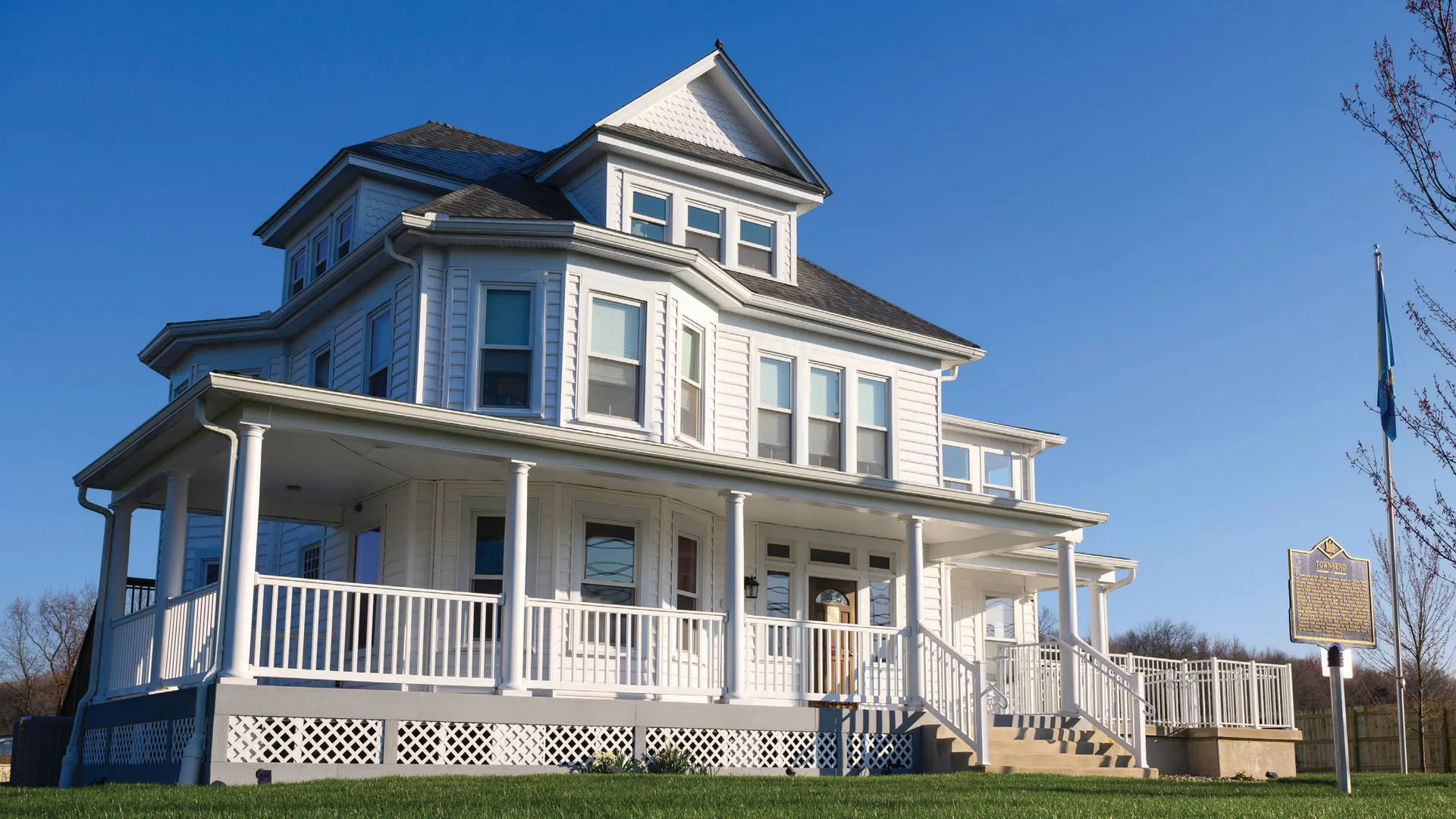
Rent-to-buy houses in Derbyshire allow tenants to secure a home now and purchase it later, typically after a fixed rental period. This model is particularly relevant in Derbyshire, where rural villages and suburban towns offer distinct pricing, availability, and lifestyle differences. Buyers considering this route must weigh location-specific factors such as property values, commuting access, and long-term appreciation potential before entering an agreement.
What Is Rent-to-Buy in Derbyshire?
Rent-to-buy in Derbyshire is a structured housing arrangement where a tenant rents a property with the option or obligation to purchase it after a specified term. These agreements are commonly used by buyers who need time to save for a deposit, improve creditworthiness, or stabilise income before applying for a mortgage.
How Rent-to-Buy Differs from Traditional Buying
Unlike conventional home purchases, rent-to-buy removes the immediate requirement for a full deposit and mortgage approval. Instead, it spreads the buying process over time while allowing the tenant to live in the property.
- Deferred Purchase: Ownership is transferred after the rental period, not upfront.
- Upfront Option Fee: A smaller initial payment replaces a full deposit.
- Hybrid Structure: Combines rental tenancy with future ownership rights.
This model is particularly relevant in Derbyshire, where affordability varies widely between rural and suburban locations, making flexible purchase pathways more appealing.
Typical Agreement Structure
Most rent-to-buy contracts in Derbyshire include clearly defined terms covering rent, purchase price, and duration. These agreements can vary significantly depending on whether they are offered by private sellers, developers, or housing associations.
| Component | Description |
|---|---|
| Option Fee | Initial payment securing the right to buy later |
| Rental Term | Typically 2–5 years before purchase |
| Purchase Price | Either fixed upfront or linked to future valuation |
| Rent Credits | Optional portion of rent applied toward purchase |
Understanding these elements is essential, as poorly structured agreements can lead to higher long-term costs or limited flexibility.
Rural vs Suburban Rent-to-Buy Options
Rent-to-buy opportunities in Derbyshire differ significantly between rural villages and suburban towns. Each setting offers distinct advantages and constraints related to pricing, availability, and long-term investment potential.
Rural Derbyshire: Key Characteristics
Rural areas in Derbyshire, including villages in the Peak District and surrounding countryside, tend to offer fewer rent-to-buy properties but provide lifestyle and space advantages.
- Lower Inventory: Fewer structured rent-to-buy schemes available.
- Higher Demand for Character Homes: Cottages and period properties are common.
- Limited Developer Schemes: Fewer new-build projects offering flexible purchase options.
- Potential for Value Stability: Rural charm often supports long-term demand.
However, rural properties may require higher upfront commitment or stricter agreement terms due to limited supply.
Suburban Derbyshire: Key Characteristics
Suburban areas such as Chesterfield, Ilkeston, and parts of Derby offer more structured rent-to-buy opportunities, often linked to new housing developments.
- Greater Availability: More listings through developers and housing associations.
- Modern Housing Stock: New-build homes with standardised contracts.
- Transport Connectivity: Easier access to employment hubs.
- Flexible Schemes: More shared ownership and rent-to-buy variants.
Suburban markets generally provide more predictable pricing and clearer contract structures, making them more accessible for first-time buyers.
Direct Comparison
| Factor | Rural Areas | Suburban Areas |
|---|---|---|
| Availability | Limited | Moderate to High |
| Property Type | Cottages, detached homes | New-builds, semi-detached |
| Pricing Flexibility | Lower | Higher |
| Contract Standardisation | Less consistent | More structured |
| Investment Liquidity | Slower resale potential | Stronger resale demand |
This comparison highlights that suburban areas are generally more accessible for rent-to-buy, while rural properties may appeal to buyers prioritising lifestyle over flexibility.
Derbyshire Property Pricing and Affordability
Property prices in Derbyshire vary significantly depending on location, with rural areas often commanding premiums for character properties, while suburban areas offer more affordable entry points for rent-to-buy buyers.
Indicative Price Ranges
Understanding average pricing helps buyers assess whether rent-to-buy agreements are competitively structured.
| Location Type | Property Type | Average Price Range |
|---|---|---|
| Rural Villages | Detached / Cottage | £250,000 – £500,000+ |
| Suburban Towns | Semi-Detached | £150,000 – £250,000 |
| Urban Edges | Terraced Houses | £120,000 – £180,000 |
These pricing differences directly influence the structure of rent-to-buy agreements, including option fees, rent levels, and final purchase affordability.
Affordability Considerations
Rent-to-buy affordability in Derbyshire depends on more than property price. Buyers must consider total cost over time, including rent premiums and purchase obligations.
- Higher Rural Entry Costs: Larger option fees due to higher property values.
- Suburban Accessibility: Lower overall cost makes saving during tenancy more feasible.
- Income Alignment: Local wages and commuting costs affect affordability.
Suburban locations generally offer a more balanced affordability profile, particularly for buyers transitioning from renting to ownership.
Cost Structure: Rural vs Suburban Compared
The cost structure of rent-to-buy homes in Derbyshire varies significantly between rural and suburban areas due to differences in property values, availability, and agreement types. Buyers must evaluate total financial exposure, not just monthly rent, before committing.
Side-by-Side Cost Comparison
| Cost Component | Rural Derbyshire | Suburban Derbyshire |
|---|---|---|
| Option Fee | £7,500 – £25,000+ | £3,000 – £10,000 |
| Monthly Rent | Higher due to property size and demand | More aligned with local market rates |
| Rent Credit Availability | Less common | More frequently included |
| Final Purchase Price | Often fixed at premium values | More competitive and negotiable |
| Maintenance Responsibility | Often tenant-heavy | More balanced or developer-supported |
Rural properties typically require higher upfront and ongoing costs, while suburban schemes are structured to improve accessibility for first-time buyers and moderate-income households.
Long-Term Cost Implications
Buyers in rural areas may benefit from stronger long-term value retention, but only if they complete the purchase. Suburban buyers, on the other hand, often benefit from lower risk exposure due to smaller upfront commitments and more flexible terms.
Evaluating the total cost over the agreement period, including non-refundable fees, is critical when comparing these two options.
Legal Framework and Contract Risks
Rent-to-buy agreements in Derbyshire operate under UK contract and property law, without a single standardised structure. This creates variability in legal protection, making contract review a critical step before entering any agreement.
Essential Legal Clauses
Understanding key clauses helps buyers assess both flexibility and risk exposure.
- Option vs Obligation: Determines whether the tenant must purchase or has a choice.
- Price Lock Terms: Specifies whether the purchase price is fixed or market-based.
- Default Penalties: Outlines consequences for missed payments or contract breaches.
- Exit Conditions: Defines financial losses if the tenant withdraws.
- Repair and Maintenance: Clarifies responsibilities during tenancy.
Rural agreements are often privately structured and less standardised, increasing the need for legal scrutiny. Suburban schemes—especially those from developers—tend to be more uniform but still require independent review.
Risk Differences by Location Type
| Risk Factor | Rural Agreements | Suburban Agreements |
|---|---|---|
| Contract Standardisation | Low | Moderate to High |
| Seller Type | Private individuals | Developers / housing associations |
| Legal Transparency | Variable | More consistent |
| Dispute Risk | Higher | Lower to Moderate |
Independent legal advice is essential in both cases, but particularly critical for rural properties where contract terms may be less predictable.
Mortgage Readiness Strategy for Rent-to-Buy
The success of a rent-to-buy agreement ultimately depends on securing a mortgage at the end of the rental term. Buyers must treat the tenancy period as a preparation phase rather than a passive arrangement.
Key Steps to Improve Mortgage Eligibility
- Build a Consistent Income Record: Maintain stable employment or verifiable self-employment income.
- Improve Credit Score: Reduce outstanding debt and avoid missed payments.
- Save Additional Funds: Supplement any rent credits with independent savings.
- Engage a Mortgage Advisor Early: Identify lender requirements before the purchase deadline.
Rural buyers may face additional challenges if property valuations differ significantly from agreed purchase prices, particularly in less liquid markets.
Common Mortgage Barriers
Several factors can prevent buyers from completing the purchase, even after fulfilling the rental term.
- Property valuation below agreed purchase price
- Insufficient deposit despite rent credits
- Changes in lending criteria
- Income instability or affordability concerns
Proactive financial planning reduces the risk of losing the option fee and any accumulated benefits.
Which Buyer Profiles Suit Each Option?
Different buyer profiles are better suited to rural or suburban rent-to-buy properties based on financial capacity, lifestyle priorities, and long-term goals.
Best Fit for Rural Rent-to-Buy
- Higher-Income Buyers: Able to manage larger option fees and higher rent.
- Lifestyle-Focused Buyers: Prioritising space, privacy, and countryside living.
- Long-Term Residents: Planning to remain in the property for extended periods.
Best Fit for Suburban Rent-to-Buy
- First-Time Buyers: Seeking lower entry costs and structured schemes.
- Commuters: Requiring access to transport and employment hubs.
- Budget-Conscious Buyers: Looking for manageable monthly and upfront costs.
Aligning property type with personal financial strategy is critical. Suburban schemes generally offer a more predictable path to ownership, while rural options require greater financial resilience.
How to Find Rent-to-Buy Homes in Derbyshire
Rent-to-buy properties in Derbyshire are typically found through housing associations, regional developers, and select estate agents. Availability is higher in suburban developments, while rural listings are often private and less visible on mainstream platforms.
Where to Search
- Housing Associations: Offer structured schemes with clearer eligibility and protections.
- New-Build Developments: Developers may provide rent-to-buy incentives in suburban projects.
- Estate Agents: Local agents may have access to off-market or flexible sale arrangements.
- Property Portals: Use search terms such as “rent to buy” or “lease option” to identify listings.
Buyers targeting rural areas should expect fewer listings and may need to engage directly with property owners or specialist agents.
Evaluation Criteria
Every listing should be assessed using consistent criteria to avoid financial or legal risks.
- Compare agreed purchase price with current market valuation
- Confirm whether rent credits are included and documented
- Assess contract flexibility and exit conditions
- Verify seller credibility and ownership status
Independent valuation and legal review remain essential regardless of property type or location.
Step-by-Step Rent-to-Buy Process
The rent-to-buy journey in Derbyshire follows a structured progression from agreement to ownership. Each stage must be actively managed to ensure successful completion.
| Stage | Action | Outcome |
|---|---|---|
| Property Selection | Identify suitable rural or suburban property | Shortlist viable options |
| Agreement Signing | Negotiate and formalise contract terms | Secure legal rights to purchase |
| Tenancy Period | Pay rent and meet contractual obligations | Build financial readiness |
| Financial Preparation | Improve credit and savings profile | Increase mortgage eligibility |
| Purchase Completion | Secure mortgage and complete transaction | Ownership transfer |
Missing milestones, particularly mortgage preparation, can result in loss of fees and inability to complete the purchase.
Frequently Asked Questions
Are Rent-To-Buy Homes Common In Derbyshire?
No. Rent-to-buy homes are not widely available, especially in rural areas. Suburban developments are more likely to offer structured schemes.
Which Is More Affordable: Rural Or Suburban Rent-To-Buy?
Suburban rent-to-buy options are generally more affordable due to lower property prices and more structured schemes with flexible terms.
Can I Negotiate The Purchase Price In A Rent-To-Buy Agreement?
Sometimes. Negotiation is more common in private rural agreements, while suburban developer-led schemes often have fixed pricing structures.
Do All Agreements Include Rent Credits?
No. Rent credits are optional and must be explicitly stated in the contract to apply toward the purchase price.
What Happens If Property Values Change?
If the price is fixed, buyers may benefit from market increases or overpay if values fall. If market-linked, the final price adjusts accordingly.
Is Rent-To-Buy Suitable For First-Time Buyers?
Yes, particularly in suburban areas where schemes are designed to help buyers transition into homeownership with lower upfront costs.
Key Takeaways
- Location Matters: Rural and suburban rent-to-buy options in Derbyshire differ significantly in cost, availability, and flexibility.
- Suburban Advantage: More accessible schemes and lower costs make suburban areas suitable for most first-time buyers.
- Rural Trade-Off: Higher costs and limited supply are balanced by lifestyle benefits and long-term value potential.
- Financial Planning: Mortgage readiness is essential to complete the purchase successfully.
- Legal Review: Contract clarity is critical due to the lack of standardisation across agreements.
References
- UK Government Housing Scheme Guidelines
- HM Land Registry Market Data
- Derbyshire Housing Association Publications
- UK Mortgage Lending Criteria Frameworks