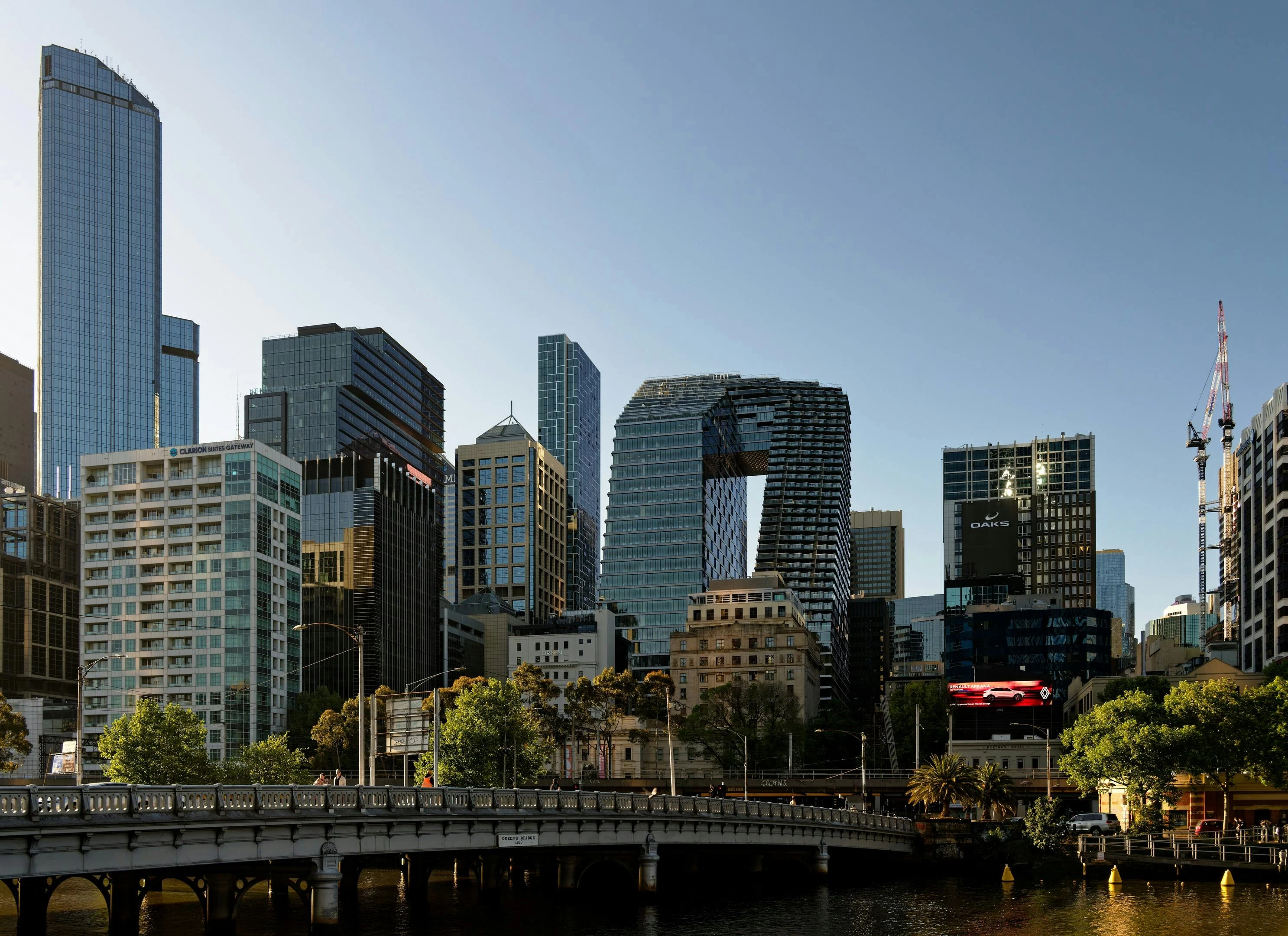
Buying an apartment in Melbourne can be a strong long-term investment when the property is selected carefully, the location aligns with population and employment growth, and the investor understands the city’s changing rental and supply conditions. Melbourne apartments generally offer lower entry prices than detached houses, comparatively stronger rental yields in inner-city and middle-ring suburbs, and consistent tenant demand driven by students, migrants, professionals, and downsizers. However, returns vary significantly between established boutique apartments and high-density towers, and investors must assess oversupply risk, strata costs, vacancy trends, financing conditions, and future infrastructure plans before purchasing.
Why Are Melbourne Apartments Attractive to Property Investors?
Melbourne apartments attract investors because they provide a lower-cost entry point into one of Australia’s largest and fastest-growing metropolitan economies. Compared with standalone houses, apartments often require a smaller deposit, lower borrowing capacity, and reduced maintenance responsibilities. This makes them particularly attractive to first-time investors, interstate buyers, and landlords focused on rental income rather than land appreciation alone.
Melbourne also benefits from long-term structural demand drivers. Population growth, international student migration, healthcare expansion, financial services employment, and infrastructure investment continue to support housing demand across many parts of the city. Areas close to universities, transport corridors, employment precincts, and lifestyle amenities generally experience stronger rental competition and lower vacancy rates.
Investors are increasingly targeting apartment markets in suburbs where affordability pressures have pushed many renters away from detached housing. In practical terms, many tenants now prioritize proximity to transport, workplaces, cafes, and lifestyle amenities over larger dwelling sizes. This has improved tenant demand for well-located apartments across inner-city and middle-ring suburbs.
What Makes Apartments Different From Houses as Investments?
Apartments and houses generate returns differently. Houses traditionally outperform in long-term capital growth because they include a larger land component. Apartments, however, often deliver stronger rental yields and lower acquisition costs. Investors focused on cash flow may therefore find apartments more attractive during periods of high interest rates or borrowing constraints.
| Factor | Apartment | House |
|---|---|---|
| Entry Price | Generally lower | Generally higher |
| Rental Yield | Usually stronger | Usually lower |
| Land Component | Limited | Higher |
| Maintenance Responsibility | Often lower | Often higher |
| Capital Growth Potential | Moderate and location-dependent | Historically stronger |
| Tenant Demand | Strong in urban areas | Strong for families |
The strongest-performing Melbourne apartments are typically located in tightly held suburbs with transport access, employment proximity, limited future oversupply, and high owner-occupier appeal. Investors who focus solely on advertised rental returns without assessing future resale demand often underperform over the long term.
Which Types of Melbourne Apartments Perform Best?
Established low-rise apartments in desirable inner and middle-ring suburbs have historically demonstrated more stable long-term performance than high-density investor-focused towers. Buyers increasingly prioritize natural light, functional floorplans, secure parking, storage space, and building quality over purely cosmetic features.
Apartments near transport hubs, hospitals, universities, and employment precincts generally maintain stronger tenant demand during changing economic cycles. Properties close to the Melbourne CBD, Southbank, Carlton, Brunswick, Richmond, South Yarra, and parts of Footscray and Docklands attract different renter demographics, but each market segment carries distinct risk and return characteristics.
Boutique buildings with limited apartment numbers often experience lower supply competition. By contrast, investor-heavy towers can face pricing pressure when large volumes of similar apartments enter the market simultaneously. This can affect both resale values and achievable rents.
What Are the Current Melbourne Apartment Market Trends?
Melbourne’s apartment market has been shaped by higher interest rates, population growth, changing migration patterns, construction cost inflation, and ongoing housing supply shortages. While detached housing markets experienced strong price growth during earlier cycles, apartments in many Melbourne locations remained comparatively affordable, improving their appeal to both owner-occupiers and investors.
One of the most important recent trends is the imbalance between rental demand and available housing supply. Vacancy rates across many Melbourne suburbs tightened as international students returned, migration increased, and construction activity slowed. This placed upward pressure on rents, particularly for well-located one-bedroom and two-bedroom apartments.
Investors should also understand that Melbourne is not a single uniform market. Performance differs substantially between the CBD, inner suburbs, waterfront precincts, established residential neighborhoods, and growth corridors. Apartment price growth in one suburb may significantly outperform another suburb only a few kilometers away.
How Do Interest Rates Affect Melbourne Apartment Investments?
Higher interest rates reduce borrowing power and increase mortgage repayment costs, which can limit short-term investor activity. However, they can also improve rental conditions because more households remain in the rental market for longer periods instead of purchasing homes.
For apartment investors, this environment creates both opportunity and risk. Buyers with strong financial capacity may gain negotiating leverage in softer sales markets, while rising rents can partially offset increased financing costs. Investors with highly leveraged loans, however, may experience tighter cash flow conditions if rental income does not keep pace with repayments and strata expenses.
| Market Factor | Impact on Investors |
|---|---|
| Higher Interest Rates | Reduces borrowing power but may strengthen rental demand |
| Population Growth | Supports long-term housing demand |
| Construction Slowdowns | Limits new supply and can support rents |
| Migration Growth | Increases tenant demand in urban locations |
| Infrastructure Expansion | Improves suburb accessibility and desirability |
| Oversupply Risk | Can suppress rental growth and resale prices |
Investors should test repayment scenarios carefully before purchasing. Even properties with strong rental demand can become financially stressful if buyers rely on unrealistic rental assumptions or underestimate ownership costs.
Is Apartment Oversupply Still a Risk in Melbourne?
Oversupply remains a localized risk rather than a citywide condition. Some Melbourne precincts with concentrated high-rise development have historically experienced elevated vacancy rates and slower price growth when large numbers of near-identical apartments entered the market simultaneously.
Investors should pay close attention to future development pipelines, zoning changes, and building approval activity. Areas with substantial upcoming apartment construction may face greater rental competition in the short term, particularly for small investor-grade units with similar layouts and amenities.
Conversely, established suburbs with limited development opportunities often benefit from constrained supply. Apartments in these locations may achieve more stable occupancy rates and stronger long-term resale demand because buyers compete for a smaller pool of properties.
Building quality is another major consideration. Some high-density developments built during rapid construction cycles experienced defects, combustible cladding concerns, or rising owners corporation fees. Due diligence on strata records, sinking funds, insurance history, and building condition reports is essential before purchasing any apartment investment.
What Rental Yields Can Investors Expect From Melbourne Apartments?
Melbourne apartment rental yields vary by suburb, building type, apartment size, and tenant demand, but apartments generally provide stronger gross rental yields than detached houses. Many investors target apartments specifically because rental income can offset a larger portion of ownership costs.
One-bedroom apartments in high-demand urban locations often achieve relatively strong percentage yields due to lower purchase prices combined with consistent tenant demand. Two-bedroom apartments may attract longer-term tenants, including professional couples and small families, improving occupancy stability.
Gross rental yield alone should not determine investment quality. Investors must also account for strata levies, council rates, maintenance costs, property management fees, insurance, land tax obligations, and potential vacancy periods. A property with a slightly lower headline yield but stronger long-term tenant demand may outperform over time.
Which Melbourne Areas Have Strong Apartment Rental Demand?
Areas with major employment hubs, public transport access, universities, healthcare facilities, and lifestyle infrastructure typically maintain the strongest apartment rental demand. Inner-city precincts remain popular with students and professionals, while middle-ring suburbs increasingly attract renters seeking affordability without sacrificing accessibility.
| Demand Driver | Why It Matters |
|---|---|
| Train and Tram Access | Supports commuting convenience |
| University Proximity | Attracts domestic and international students |
| Healthcare Precincts | Creates demand from medical professionals |
| Lifestyle Amenities | Improves tenant retention and desirability |
| Employment Nodes | Supports consistent occupancy |
| Limited Housing Supply | Can place upward pressure on rents |
Investors should also consider demographic trends within each suburb. Some locations are dominated by short-term renters, while others attract longer-term tenants who prioritize stability and community access. Understanding tenant profiles can help investors select properties with lower turnover and more predictable income performance.
Should Investors Prioritize Rental Yield or Capital Growth?
The answer depends on the investor’s financial goals, borrowing structure, risk tolerance, and investment timeline. Investors focused on immediate income may prioritize stronger rental yields and stable occupancy, while long-term wealth builders often place greater emphasis on capital growth potential.
In Melbourne, apartments located in high-demand owner-occupier suburbs may offer lower initial yields but stronger long-term resale prospects. By contrast, high-yield apartments in oversupplied precincts may generate attractive short-term income but weaker long-term appreciation.
A balanced investment approach often produces better long-term outcomes. Many experienced investors seek apartments that combine reasonable rental income, strong transport connectivity, low vacancy risk, quality construction, and enduring owner-occupier appeal.
Which Melbourne Suburbs Are Best for Apartment Investment?
The best Melbourne suburbs for apartment investment typically combine strong tenant demand, transport accessibility, employment access, lifestyle infrastructure, and controlled future supply. Investors should evaluate suburbs based on long-term fundamentals rather than short-term popularity alone.
Melbourne’s apartment market operates differently across inner-city, middle-ring, and waterfront precincts. Some suburbs are primarily driven by investor activity, while others maintain stronger owner-occupier demand. Areas with balanced buyer profiles generally experience more stable long-term price performance.
Should Investors Choose Inner-City or Middle-Ring Apartments?
Inner-city apartments often provide stronger rental demand from students, professionals, and short-distance commuters. These areas usually offer excellent transport connections, entertainment precincts, and proximity to major employers. However, purchase prices and owners corporation fees may be higher, and some inner-city pockets face oversupply risks.
Middle-ring suburbs increasingly attract investors seeking a balance between affordability, rental demand, and long-term growth potential. Areas undergoing infrastructure improvements or urban renewal projects can experience rising tenant demand and improved resale appeal over time.
| Factor | Inner-City Apartments | Middle-Ring Apartments |
|---|---|---|
| Tenant Demand | Very strong | Strong and growing |
| Purchase Price | Usually higher | Usually more affordable |
| Oversupply Risk | Higher in some precincts | Generally lower |
| Lifestyle Appeal | High | Increasingly competitive |
| Owner-Occupier Demand | Mixed | Often stronger |
| Long-Term Growth Potential | Location dependent | Strong in selected corridors |
Investors should evaluate not only current rental demand but also future neighborhood development. Transport upgrades, healthcare expansions, university growth, and commercial investment can significantly influence apartment values over time.
What Should Investors Look for When Choosing a Melbourne Apartment Suburb?
Strong apartment investment suburbs usually demonstrate consistent population growth, limited future oversupply, stable employment access, and strong rental absorption. Investors should analyze both economic fundamentals and property-specific characteristics before purchasing.
| Assessment Factor | Why It Matters |
|---|---|
| Vacancy Rates | Lower vacancies generally support stronger rents |
| Transport Infrastructure | Improves accessibility and tenant demand |
| Employment Access | Supports long-term occupancy |
| Future Apartment Supply | Impacts competition and pricing pressure |
| Owner-Occupier Appeal | Supports resale demand |
| Building Quality | Reduces maintenance and defect risks |
Investors should also review demographic changes. Suburbs attracting young professionals, downsizers, and long-term renters often provide more stable tenancy conditions than purely investor-driven apartment precincts.
What Costs Should Investors Expect When Buying a Melbourne Apartment?
Apartment investors must consider both upfront acquisition costs and ongoing ownership expenses. Many first-time investors underestimate the total holding costs associated with apartment ownership, particularly owners corporation fees and maintenance obligations.
A property that appears affordable at purchase can become financially inefficient if recurring costs significantly reduce net rental returns. Investors should assess cash flow conservatively and prepare for interest rate fluctuations, vacancy periods, and unexpected repairs.
What Are the Main Upfront Costs of Buying an Apartment?
| Cost Type | Purpose |
|---|---|
| Deposit | Initial contribution toward purchase price |
| Stamp Duty | Government transfer tax |
| Legal and Conveyancing Fees | Contract review and settlement services |
| Loan Establishment Fees | Mortgage setup costs |
| Building and Pest Inspections | Property condition assessment |
| Strata Report Reviews | Assessment of owners corporation health |
Investors purchasing off-the-plan apartments should also review sunset clauses, construction timelines, defect liability provisions, and financing risks carefully. Valuation shortfalls at settlement can create financial pressure if market conditions change during construction periods.
What Ongoing Costs Affect Apartment Investment Returns?
Ongoing ownership costs directly influence investment profitability. Investors should calculate net rental yield rather than relying solely on gross rental figures advertised by agents or developers.
| Expense | Impact on Investment |
|---|---|
| Owners Corporation Fees | Covers shared building maintenance and insurance |
| Council Rates | Local government charges |
| Landlord Insurance | Protects against tenancy-related risks |
| Property Management Fees | Professional leasing and management costs |
| Maintenance and Repairs | Unit upkeep and replacement expenses |
| Loan Repayments | Largest ongoing financial obligation |
Buildings with gyms, pools, concierge services, or extensive shared facilities often carry higher owners corporation fees. While these features may improve tenant appeal, they can reduce net income if rental premiums do not offset operating expenses.
What Legal and Due Diligence Steps Should Apartment Investors Take?
Thorough due diligence is essential when purchasing an apartment investment in Melbourne. Investors should assess the physical condition of the building, financial stability of the owners corporation, zoning conditions, and potential legal liabilities before signing a contract.
Why Are Strata and Building Checks Important?
Apartment investors purchase not only an individual dwelling but also a shared interest in the broader building structure and common property. Poorly managed buildings can experience escalating maintenance costs, legal disputes, insurance problems, and special levy requirements.
Reviewing owners corporation records can reveal whether the building has unresolved defect claims, inadequate sinking funds, rising maintenance obligations, or recurring disputes among owners.
| Due Diligence Area | Purpose |
|---|---|
| Contract Review | Confirms legal obligations and conditions |
| Owners Corporation Records | Assesses financial and operational health |
| Building Inspection | Identifies structural or maintenance issues |
| Rental Appraisal | Evaluates realistic income expectations |
| Planning and Zoning Review | Checks future development risks |
| Insurance Verification | Confirms adequate building coverage |
Investors should also investigate whether the building has experienced combustible cladding issues or major defect litigation. These factors can affect finance approval, insurance premiums, and future resale value.
Are Off-the-Plan Apartments a Good Investment?
Off-the-plan apartments can provide advantages such as newer building features, lower initial maintenance requirements, and potential stamp duty concessions in some circumstances. However, they also involve additional risks that investors should assess carefully.
Market conditions can change significantly between contract exchange and project completion. If property values decline during construction, buyers may face valuation gaps where lenders approve less finance than expected at settlement.
Construction delays, design changes, defect issues, and developer financial instability are additional risks associated with off-the-plan purchases. Investors should research the developer’s track record thoroughly and obtain independent legal advice before committing.
What Mistakes Do Melbourne Apartment Investors Commonly Make?
Many apartment investment mistakes occur when buyers focus too heavily on short-term incentives or headline rental returns without evaluating long-term property fundamentals. Successful apartment investing requires disciplined analysis rather than emotional decision-making.
Which Investment Decisions Create the Most Risk?
| Mistake | Potential Consequence |
|---|---|
| Ignoring Oversupply Risks | Weak resale demand and rental competition |
| Overestimating Rental Income | Cash flow stress |
| Neglecting Building Quality | High maintenance and defect costs |
| Buying Solely for Tax Benefits | Poor long-term investment performance |
| Underestimating Strata Fees | Reduced net returns |
| Failing to Research Local Demand | Longer vacancy periods |
Investors who prioritize long-term location quality, building integrity, and tenant appeal generally make more resilient investment decisions. Strong investment performance usually depends more on asset selection discipline than on short-term market timing.
What Do Experienced Investors Typically Prioritize?
Experienced apartment investors often focus on scarcity, livability, and long-term owner-occupier appeal rather than short-term marketing incentives. Apartments with practical layouts, natural light, strong transport links, and low future competition generally remain more resilient during changing market conditions.
Many professional investors avoid properties that rely entirely on speculative growth assumptions. Instead, they favour apartments capable of sustaining stable tenant demand and reasonable cash flow across different economic cycles.
Long-term investment success in Melbourne’s apartment market usually comes from disciplined research, conservative financial planning, and selecting properties with enduring demand drivers rather than temporary market momentum.
What Is the Future Outlook for Melbourne Apartment Investments?
Melbourne’s long-term apartment investment outlook remains closely tied to population growth, housing supply constraints, migration patterns, infrastructure investment, and affordability pressures. While short-term market conditions may fluctuate due to interest rates and economic cycles, the city’s structural demand drivers continue to support apartment demand in well-located areas.
Melbourne consistently ranks among Australia’s largest urban economies and remains a major destination for international students, skilled migrants, healthcare workers, and corporate professionals. These demographic trends support sustained rental demand across many apartment markets, particularly near transport corridors, education precincts, and employment hubs.
Construction activity has also slowed in several segments of the residential development sector due to higher building costs, labor shortages, and tighter financing conditions. Reduced new housing supply can strengthen rental conditions over time if population growth continues to outpace housing delivery.
Which Factors Could Support Long-Term Apartment Growth?
| Growth Driver | Potential Impact |
|---|---|
| Population Growth | Increases long-term housing demand |
| International Migration | Supports rental market activity |
| Transport Infrastructure | Improves suburb accessibility and desirability |
| Housing Affordability Constraints | Pushes more buyers and renters toward apartments |
| Urban Density Policies | Encourages apartment living in established areas |
| Limited Housing Supply | Can support rental growth and occupancy |
Investors should not assume all apartment markets will perform equally. Future outcomes will likely continue to favor properties with strong owner-occupier appeal, functional design, quality construction, and limited direct competition from large-scale new developments.
What Risks Could Affect Future Apartment Investment Performance?
Apartment investment performance can be affected by economic slowdowns, rising unemployment, prolonged high interest rates, regulatory changes, and localized oversupply conditions. Investors should also monitor lending policy changes and evolving tenancy regulations that may influence landlord costs and borrowing capacity.
Building quality concerns remain an important risk factor in some apartment markets. Investors purchasing in large high-density developments should carefully review defect histories, insurance arrangements, maintenance planning, and owners corporation financial health.
Future environmental and sustainability standards may also influence apartment values. Buildings with strong energy efficiency ratings, lower operating costs, and modern environmental design features may become increasingly attractive to both tenants and owner-occupiers over time.
Who Should Consider Buying an Apartment in Melbourne?
Apartment investment in Melbourne may suit buyers seeking relatively lower entry costs, stronger rental yields, urban lifestyle exposure, or diversified property holdings. However, suitability depends on financial capacity, investment objectives, time horizon, and risk tolerance.
Which Investor Profiles Are Best Suited to Apartments?
| Investor Type | Why Apartments May Suit Them |
|---|---|
| First-Time Investors | Lower purchase prices improve market accessibility |
| Cash Flow Focused Investors | Potentially stronger rental yields |
| Interstate or Overseas Buyers | Lower maintenance management requirements |
| Portfolio Diversification Investors | Adds exposure to urban residential markets |
| Long-Term Hold Investors | Can benefit from sustained population growth |
Apartment investment may be less suitable for buyers seeking large land appreciation, redevelopment opportunities, or highly active value-add renovation strategies. In those cases, detached housing or townhouse investments may align more closely with investment goals.
Is Buying an Apartment in Melbourne Ultimately a Good Investment?
Buying an apartment in Melbourne can be a good investment when the property is located in a high-demand area, supported by strong transport and employment access, and purchased with realistic financial expectations. Apartments can provide stable rental income, lower entry costs compared with houses, and exposure to long-term urban growth trends.
However, investment outcomes vary widely depending on suburb selection, building quality, supply conditions, and ownership costs. Investors who conduct thorough due diligence and prioritize long-term fundamentals generally position themselves more effectively than buyers driven primarily by short-term market sentiment or promotional incentives.
Melbourne’s apartment market rewards careful asset selection. Well-designed apartments in desirable locations with enduring tenant and owner-occupier demand are typically more resilient across changing economic cycles than highly standardized investor-focused stock.
Key Takeaways
- Melbourne apartments can provide strong rental demand: Population growth, migration, and urban employment hubs continue to support tenant demand across many suburbs.
- Location quality matters more than short-term trends: Apartments near transport, universities, healthcare precincts, and employment centers generally perform more consistently.
- Rental yield should be assessed alongside ownership costs: Strata fees, maintenance expenses, vacancy risks, and financing costs significantly influence net returns.
- Oversupply risks remain localized: Some high-density precincts face stronger competition than established suburbs with limited future development.
- Building quality and due diligence are critical: Investors should carefully review owners corporation records, defect history, and long-term maintenance planning.
- Apartments suit specific investor goals: They are often attractive for investors seeking lower entry prices, rental income, and urban market exposure.
Frequently Asked Questions
Is now a good time to buy an apartment in Melbourne?
Market conditions depend on interest rates, supply levels, and suburb-specific demand, but many investors view periods of moderated price growth as opportunities to negotiate better purchase terms while benefiting from strong rental demand.
Do Melbourne apartments appreciate in value?
Apartments can appreciate in value over time, particularly in tightly held suburbs with strong owner-occupier demand and limited supply. Growth rates, however, often differ from detached housing markets.
Are apartment rental yields higher than house yields in Melbourne?
Apartments generally produce stronger gross rental yields than houses because purchase prices are lower relative to achievable rental income.
What is the biggest risk when buying a Melbourne apartment?
Common risks include oversupply in high-density precincts, poor building quality, rising owners corporation costs, and unrealistic rental income expectations.
Are off-the-plan apartments risky investments?
Off-the-plan apartments can involve valuation, construction, and settlement risks. Buyers should carefully review developer history, contracts, and financing conditions before committing.
What apartment features attract the best tenants?
Functional layouts, natural light, secure parking, storage space, transport access, and quality building management are consistently valued by tenants.
References
- Australian Bureau of Statistics (ABS), Population growth and migration data.
- Reserve Bank of Australia (RBA), Interest rate and housing market analysis.
- CoreLogic Australia, Melbourne property market trends and housing analytics.
- Domain Research, Melbourne apartment market reports and rental statistics.
- Real Estate Institute of Victoria (REIV), Victorian housing market insights.
- Victorian Government Planning Authority, Urban development and infrastructure planning information.
- Consumer Affairs Victoria, Owners corporation and tenancy regulations.
- Infrastructure Victoria, Long-term transport and infrastructure planning reports.