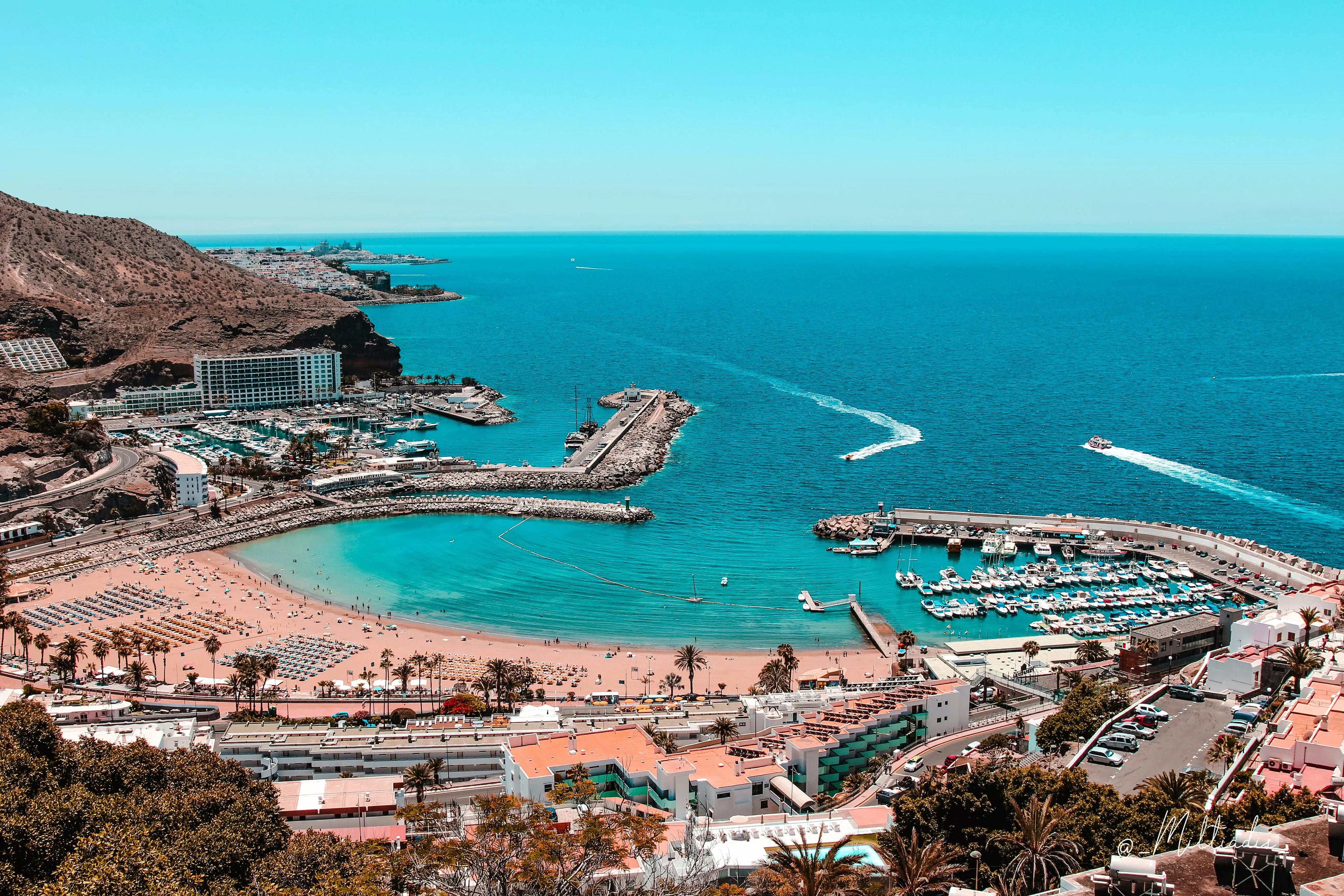
Buying a holiday home in Gran Canaria offers a combination of lifestyle appeal and income potential, but success depends on choosing the right location, understanding rental demand, and navigating Spanish property regulations correctly. Buyers who focus on high-demand tourist zones, realistic rental yields, and proper legal due diligence are far more likely to secure both steady returns and long-term value.
Why Buy a Holiday Home in Gran Canaria?
Gran Canaria remains one of the most resilient holiday property markets in Europe due to its year-round tourism, established infrastructure, and consistent demand from international visitors. Unlike highly seasonal destinations, the island benefits from stable occupancy across all months, which directly supports rental income potential.
The island’s appeal is driven by its diverse microclimates, beaches, and lifestyle options. Southern regions offer reliable sunshine and strong tourist footfall, while northern and inland areas attract buyers seeking authenticity and lower entry prices. This diversity allows investors and lifestyle buyers to align purchases with either yield-focused or personal-use strategies.
From a financial perspective, entry prices in Gran Canaria are generally lower than mainland Spanish hotspots like Barcelona or Marbella, while still offering access to a mature tourism economy. This balance between affordability and demand makes it particularly attractive for first-time international property investors.
Ownership is also accessible to foreign buyers, including non-EU nationals. Spain imposes no general restrictions on foreign property ownership, though buyers must obtain a Número de Identificación de Extranjero (NIE) and comply with standard legal and tax procedures. The process is structured but requires careful execution to avoid delays or compliance issues.
For buyers seeking both lifestyle use and rental income, Gran Canaria offers a dual-purpose investment profile. However, achieving this balance requires careful planning around location, licensing, and property type—topics explored in detail below.
Best Areas to Buy a Holiday Home
The best area to buy a holiday home in Gran Canaria depends on whether the priority is rental income, capital appreciation, or personal lifestyle use. Southern coastal areas consistently outperform others for short-term rental demand, while northern regions offer better value and long-term growth potential.
1. Maspalomas and Playa del Inglés
Maspalomas and Playa del Inglés are the island’s most established tourist hubs and typically deliver the highest rental occupancy rates. Properties here benefit from proximity to beaches, nightlife, and resort infrastructure, making them particularly attractive for short-term holiday lets.
Apartments dominate the market in these areas, often within managed complexes that include pools and shared amenities. While yields can be strong, buyers should assess community fees and rental restrictions imposed by homeowners’ associations or local regulations.
2. Puerto Rico and Amadores
Puerto Rico is known for its sheltered climate and consistent sunshine, which supports high occupancy levels throughout the year. Amadores, located nearby, attracts a slightly more premium market due to its quieter atmosphere and high-quality beachfront.
These areas are particularly suitable for buyers targeting steady rental income with minimal seasonal fluctuation. Properties with sea views or terraces tend to command higher nightly rates and stronger long-term demand.
3. Meloneras
Meloneras is a more upscale alternative, characterized by luxury villas, golf courses, and high-end resorts. It appeals to higher-spending tourists and buyers seeking capital preservation rather than maximum yield.
While rental returns may be slightly lower in percentage terms compared to budget tourist zones, the quality of tenants and long-term value stability are often higher. This makes Meloneras suitable for buyers prioritizing asset quality over short-term income.
4. Las Palmas de Gran Canaria
Las Palmas offers a different investment profile, combining urban living with beach access. It attracts digital nomads, long-stay visitors, and business travelers rather than purely short-term tourists.
This creates opportunities for mid-term rentals, which can offer more stable income streams with lower turnover costs. However, buyers must carefully review local regulations regarding holiday rentals, as licensing requirements can vary within the city.
5. Northern and Inland Areas
Northern towns and inland villages provide lower purchase prices and a more traditional Canarian lifestyle. These areas are less reliant on mass tourism, which can reduce rental income potential but increase long-term appreciation prospects.
They are better suited for buyers focused on personal use, retirement planning, or niche rental markets such as eco-tourism or rural retreats.
Choosing the right area ultimately depends on aligning the property with a clear objective. Buyers seeking high yields should prioritize southern resort zones, while those valuing lifestyle or long-term growth may benefit from exploring less tourist-driven regions.
What Rental Returns Can You Expect?
Rental returns in Gran Canaria vary significantly depending on location, property type, and licensing status. In high-demand tourist areas, well-managed holiday rentals can generate gross yields typically ranging between 5% and 8%, though this depends on occupancy rates and operating costs.
Short-term rentals generally offer higher income potential but require active management, including guest turnover, cleaning, and marketing. Properties in prime southern locations with strong online visibility tend to achieve the highest nightly rates and occupancy levels.
However, short-term letting is subject to local regulations. In some zones, properties must hold a “Vivienda Vacacional” license to operate legally as holiday rentals. Failure to comply can result in fines or restrictions, making regulatory due diligence essential before purchase.
Mid-term and long-term rentals, more common in areas like Las Palmas, typically offer lower yields but greater income stability and fewer operational demands. This approach may suit investors seeking passive income with reduced management complexity.
Operating costs also play a critical role in determining net returns. These include property management fees, maintenance, utilities, insurance, and local taxes. Buyers should calculate net yield rather than relying solely on projected gross income.
Seasonality is less pronounced in Gran Canaria compared to other European destinations, but peak demand still occurs during winter months when northern European visitors seek warmer climates. Properties that appeal to this demographic—such as those with outdoor space or heated pools—often achieve higher occupancy during peak periods.
Ultimately, realistic expectations and accurate financial planning are essential. Overestimating rental income or underestimating costs is one of the most common mistakes made by first-time buyers in the holiday property market.
What Does It Cost to Buy a Holiday Home?
The total cost of buying a holiday home in Gran Canaria typically exceeds the property purchase price by 8% to 12%, depending on whether the property is new or resale and the specific legal and financing structure. Buyers should budget for taxes, notary fees, registration costs, and professional services.
For resale properties, the main tax is the Impuesto de Transmisiones Patrimoniales (ITP), generally around 6.5% in the Canary Islands. New-build properties are subject to IGIC (a regional VAT equivalent), typically lower than mainland Spain, plus stamp duty. These differences can significantly affect total acquisition costs.
Additional costs include notary fees, land registry charges, and legal representation. While these may seem minor individually, collectively they form a substantial portion of the total investment and should be calculated upfront.
Ongoing ownership costs are equally important. These include annual property tax (IBI), community fees for apartments or managed complexes, insurance, maintenance, and utility costs. For rental properties, management fees can range widely depending on service level, from basic key handling to full-service hosting.
Buyers financing their purchase should also consider mortgage-related costs, including valuation fees and arrangement charges. Spanish lenders typically require higher deposits from non-resident buyers, often in the range of 30% to 40%.
A clear understanding of both acquisition and ongoing costs is essential for evaluating the true return on investment and avoiding unexpected financial pressure after purchase.
Legal Process and Ownership Rules
Buying property in Gran Canaria follows a structured legal process, but each stage must be handled carefully to avoid legal or financial risk. Foreign buyers are permitted to purchase property without restriction, provided they comply with administrative and tax requirements.
The first essential step is obtaining an NIE (Número de Identificación de Extranjero), which is required for any financial transaction in Spain. Without this identification number, buyers cannot complete a purchase, open a bank account, or register utilities.
Once a suitable property is identified, a reservation agreement is often signed, followed by a private purchase contract. At this stage, a deposit—commonly around 10%—is paid. This contract outlines key terms, including price, completion date, and penalties for withdrawal.
Due diligence is a critical phase that should not be rushed. A qualified lawyer should verify ownership, confirm that there are no outstanding debts or charges on the property, and ensure compliance with planning and zoning regulations. This step is particularly important for properties intended for rental use.
The transaction is finalized at the notary, where the public deed (escritura pública) is signed. Ownership is then registered at the land registry, providing legal protection and formal recognition of the buyer’s rights.
Buyers should also understand their tax obligations post-purchase. Non-resident owners are subject to income tax on rental earnings and may also incur imputed income tax even if the property is not rented out. Proper tax planning can help manage these obligations efficiently.
Holiday Rental Licensing and Regulations
Operating a holiday rental in Gran Canaria requires compliance with regional regulations, and not all properties are automatically eligible for short-term letting. Buyers must confirm whether a property can legally obtain a “Vivienda Vacacional” license before completing a purchase.
In designated tourist zones, particularly in parts of the south, some residential properties may be restricted from obtaining holiday rental licenses due to zoning laws or community rules. This is a critical factor that directly affects rental income potential.
To obtain a license, properties must meet specific requirements, including safety standards, furnishing criteria, and registration with local authorities. Once approved, owners must also comply with operational obligations such as guest registration and tax reporting.
Community rules can also override licensing eligibility. Some apartment complexes prohibit short-term rentals entirely, even if regional regulations permit them. Buyers should review community statutes carefully before proceeding.
Failure to comply with licensing regulations can result in fines, suspension of rental activity, or legal disputes. For this reason, regulatory verification should be treated as a core part of due diligence rather than an afterthought.
Investors aiming for rental income should prioritize properties that already hold a valid license or have a clear and verified pathway to obtaining one.
Common Mistakes Buyers Should Avoid
Many buyers enter the Gran Canaria holiday property market with incomplete information, leading to avoidable financial and legal issues. Understanding the most common mistakes can significantly improve the outcome of a purchase.
One of the most frequent errors is assuming that all properties can be used for short-term rentals. Licensing restrictions and community rules can limit or prohibit this, directly impacting expected returns.
Another common issue is overestimating rental income. Buyers often base projections on peak-season performance without accounting for operating costs, vacancy periods, or management fees. This can lead to unrealistic expectations and financial shortfalls.
Skipping or minimizing legal due diligence is also a major risk. Issues such as outstanding debts, planning irregularities, or unclear ownership can create serious complications after purchase. Professional legal support is essential, even for experienced investors.
Location misalignment is another critical mistake. Purchasing in a low-demand area while expecting high rental yields rarely produces the desired results. Each location on the island serves a different market segment, and buyers must match their strategy accordingly.
Finally, underestimating ongoing costs can erode profitability over time. Maintenance, community fees, and tax obligations must be factored into any realistic financial plan.
Avoiding these mistakes requires a structured approach: define objectives clearly, verify legal and regulatory conditions, and base decisions on realistic financial assumptions rather than optimistic projections.
Expert Ownership Tips for Long-Term Success
Successful holiday home ownership in Gran Canaria requires a balance between operational efficiency, regulatory compliance, and market awareness. Owners who treat the property as both an asset and a managed business tend to achieve more stable returns and fewer complications.
One of the most effective strategies is to define a clear usage model from the outset. Owners should decide whether the property will be primarily for personal use, short-term rental, or a hybrid approach. This decision influences everything from location selection to furnishing standards and management setup.
Professional property management can significantly improve guest experience and occupancy rates, particularly for non-resident owners. While this introduces additional costs, it often results in higher net returns through better pricing strategies, guest reviews, and operational consistency.
Maintaining the property to a high standard is essential in a competitive rental market. Regular upgrades, modern furnishings, and attention to guest expectations can directly impact booking rates and pricing power.
Owners should also monitor local regulations and tax obligations continuously. Regulatory frameworks can evolve, and staying compliant ensures uninterrupted rental activity and avoids penalties.
Finally, diversification of marketing channels—such as listing on multiple platforms or developing direct booking strategies—can reduce dependency on any single source of demand and improve long-term resilience.
When and How to Sell a Holiday Property
An exit strategy is an often-overlooked aspect of holiday home ownership but plays a critical role in overall investment performance. Buyers should consider resale potential at the time of purchase, not just acquisition price or rental yield.
Properties in high-demand tourist areas with strong rental track records are generally easier to sell and may command premium prices. Features such as sea views, proximity to beaches, and established rental income can enhance marketability.
Timing the sale can also influence outcomes. Market conditions, tourism trends, and broader economic factors all affect buyer demand. Selling during periods of strong tourism recovery or high international interest can improve pricing outcomes.
Preparing the property for sale is equally important. This includes ensuring all legal documentation is in order, resolving any outstanding issues, and presenting the property in a condition that appeals to prospective buyers.
For properties used as rentals, providing verified income records can add credibility and attract investment-focused buyers. Transparency in financial performance often strengthens negotiation positions.
Ultimately, a well-planned exit strategy ensures that the property remains a flexible asset rather than a fixed commitment, allowing owners to adapt to changing personal or market conditions.
Frequently Asked Questions
Can foreigners buy a holiday home in Gran Canaria?
Yes, foreigners can buy property in Gran Canaria without restrictions. Buyers must obtain an NIE number and follow standard legal procedures, including signing contracts and registering ownership.
Is buying a holiday home in Gran Canaria a good investment?
It can be a solid investment if the property is located in a high-demand area and managed effectively. Returns depend on rental strategy, costs, and compliance with local regulations.
Do I need a license to rent out my property?
Yes, most short-term holiday rentals require a “Vivienda Vacacional” license. Eligibility depends on property location, zoning rules, and community regulations.
What are the main taxes when buying property?
Buyers typically pay transfer tax (ITP) for resale properties or IGIC for new builds, along with notary and registration fees. Ongoing taxes include IBI and income tax on rentals.
Can I get a mortgage as a non-resident?
Yes, Spanish banks offer mortgages to non-residents, but they usually require higher deposits, often between 30% and 40% of the property value.
Which area is best for rental income?
Southern areas such as Maspalomas, Playa del Inglés, and Puerto Rico generally offer the highest rental demand and occupancy rates.
Key Takeaways
- Location drives returns: Southern tourist zones typically offer higher occupancy and rental income potential.
- Licensing is critical: Always verify that a property can legally be used for holiday rentals before purchasing.
- Costs go beyond purchase price: Budget an additional 8–12% for acquisition and factor in ongoing expenses.
- Legal due diligence is essential: Professional verification helps avoid ownership disputes and regulatory issues.
- Realistic planning matters: Accurate income projections and cost assessments determine long-term success.
- Exit strategy adds flexibility: Consider resale potential and market demand from the beginning.
References
- Spanish Property Law and Conveyancing Guidelines
- Canary Islands Tax Authority (IGIC and ITP regulations)
- Gran Canaria Tourism and Rental Market Reports
- Spanish Land Registry and Notary Procedures
- Regional Regulations on Vivienda Vacacional Licensing