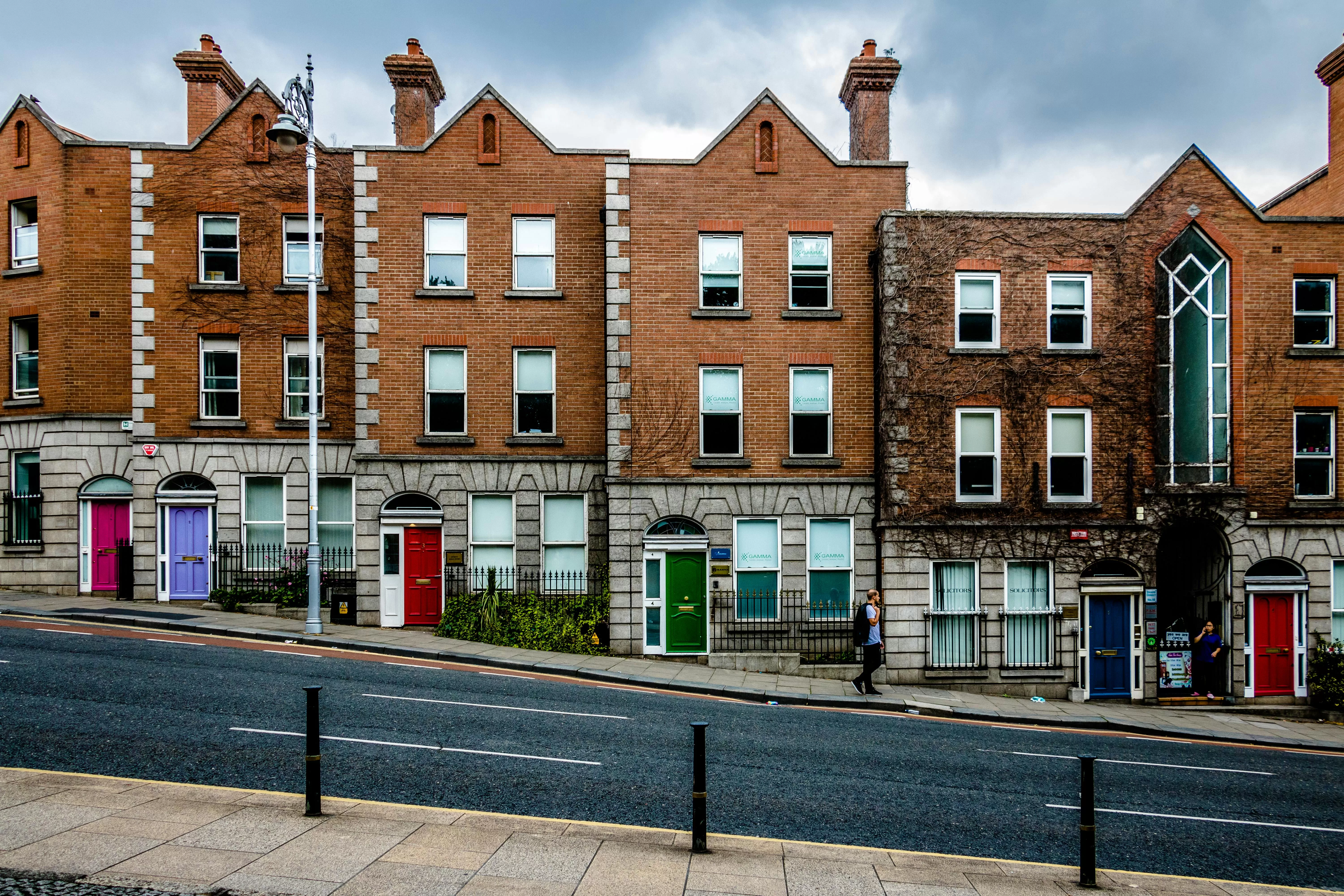
The cheapest places to buy a house in Dublin are typically found in the city’s outer suburbs and regeneration zones, where property prices remain lower due to distance from the city centre, infrastructure gaps, or ongoing development. Areas such as Tallaght, Clondalkin, Ballymun, Finglas, and parts of Dublin 10 and Dublin 22 consistently offer the most accessible entry points for buyers and investors. However, “cheap” in Dublin is relative—value depends on long-term growth potential, rental demand, transport links, and local amenities, not just the purchase price.
What Defines a “Cheap” Property in Dublin?
A cheap property in Dublin is not defined solely by the lowest price—it is defined by relative affordability compared to the city’s median values, combined with acceptable livability and future potential. In a market where average home prices are among the highest in Ireland, a “cheap” property typically falls into the lower quartile of pricing within its category.
For first-time buyers and investors, affordability must be assessed against three critical benchmarks: price per square meter, rental yield potential, and long-term capital appreciation. A property that appears inexpensive upfront may carry hidden costs such as refurbishment, poor connectivity, or limited resale demand.
In practical terms, the cheapest homes in Dublin are often:
- Located in outer suburban districts (west and north Dublin)
- Older housing stock requiring modernization
- Apartments in high-density developments
- Properties in areas undergoing regeneration
- Homes with limited immediate transport access
Buyers should distinguish between “low price” and “good value.” The cheapest property is not always the best investment. Value emerges when a lower entry price aligns with improving infrastructure, employment access, and housing demand.
Cheapest Areas in Dublin: Where Buyers Find Value
The most affordable areas in Dublin are concentrated in specific postal districts, particularly Dublin 10, Dublin 11, Dublin 22, and parts of Dublin 24. These areas consistently attract buyers seeking lower entry prices, as well as investors targeting rental demand from working professionals and families priced out of central locations.
The following locations are widely recognised as offering some of the lowest property prices in Dublin:
1. Tallaght (Dublin 24)
Tallaght is one of the most accessible entry points into the Dublin property market. It offers a mix of apartments, terraced houses, and semi-detached homes at comparatively lower prices. The presence of the LUAS Red Line improves connectivity to the city centre, making it attractive for commuters.
Buyers benefit from established amenities, including shopping centres, schools, and healthcare facilities. Investors are drawn by consistent rental demand from young professionals and families.
2. Clondalkin (Dublin 22)
Clondalkin combines affordability with proximity to major employment hubs in west Dublin. The area has seen steady demand due to its access to industrial zones, business parks, and transport links, including rail and bus networks.
Property prices remain lower than the Dublin average, particularly for older housing stock. This creates opportunities for buyers willing to renovate or upgrade.
3. Ballymun (Dublin 11)
Ballymun has undergone significant regeneration over the past two decades. While it still carries legacy perceptions, ongoing redevelopment has improved infrastructure, housing quality, and community facilities.
Prices remain relatively low compared to nearby areas, making it a target for investors looking for long-term appreciation as regeneration continues.
4. Finglas (Dublin 11)
Finglas offers some of the lowest house prices within a reasonable distance of the city centre. The area provides strong rental demand due to its accessibility and lower living costs.
Buyers should assess micro-locations carefully, as pricing and desirability can vary significantly within the area.
5. Ballyfermot (Dublin 10)
Ballyfermot remains one of the most affordable areas close to central Dublin. Its proximity to the city centre is a key advantage, particularly for investors targeting tenants who work in urban locations.
Housing stock is generally older, which can require investment in upgrades, but this is often reflected in the purchase price.
These areas consistently offer lower price points, but they are not identical in terms of growth potential, tenant demand, or long-term desirability. Buyers must evaluate each location based on infrastructure, planning developments, and demographic trends.
Why House Prices Vary So Much Across Dublin
House prices in Dublin vary significantly due to a combination of location, infrastructure, housing supply, and socio-economic factors. Understanding these drivers is essential for identifying genuine value rather than simply chasing the lowest price.
1. Distance from the City Centre
Properties located further from central Dublin tend to be more affordable. Commuting time remains a primary pricing factor. Areas with direct rail or tram access often command higher prices than equally distant locations without strong transport links.
2. Transport Connectivity
Access to LUAS lines, DART services, and major bus corridors directly influences property values. Even within cheaper districts, properties near transport hubs are priced at a premium compared to less connected streets.
3. Local Amenities and Infrastructure
Schools, healthcare facilities, retail centres, and green spaces all contribute to property desirability. Areas lacking these amenities typically offer lower prices but may also present long-term growth opportunities if development is planned.
4. Housing Supply and Demand
Limited housing supply across Dublin has driven prices upward overall, but local supply conditions vary. Areas with higher concentrations of apartments or older housing stock often remain more affordable due to perceived oversupply or lower demand.
5. Regeneration and Development Projects
Regeneration zones often offer lower entry prices because they are in transition. However, these areas can deliver strong capital growth if redevelopment is completed and supported by infrastructure investment.
6. Perception and Market Sentiment
Buyer perception plays a significant role in pricing. Some areas remain undervalued due to outdated reputations, even when conditions on the ground have improved. Investors often target these locations for value opportunities.
Price variation across Dublin is not random; it reflects a layered set of economic, social, and infrastructural factors. Buyers who understand these dynamics are better positioned to identify areas where affordability aligns with future growth.
Is It Better to Buy or Invest in Dublin’s Cheapest Areas?
Buying in Dublin’s cheapest areas can serve both owner-occupiers and investors, but the decision depends on priorities: lifestyle versus return on investment. For buyers, affordability provides entry into a constrained market. For investors, these areas often deliver stronger rental yields compared to high-cost central districts.
Owner-occupiers typically prioritise livability factors such as safety, schools, commute times, and long-term neighbourhood stability. In contrast, investors focus on tenant demand, rental income consistency, and capital appreciation potential.
In lower-priced Dublin suburbs, investors often benefit from:
- Higher rental yield percentages due to lower acquisition costs
- Steady demand from renters priced out of central Dublin
- Opportunities to add value through renovation or reconfiguration
However, these advantages come with trade-offs. Tenant turnover can be higher in some areas, and property management may require more active oversight. For buyers planning to live in the property, long-term infrastructure improvements—such as transport expansion—become more important than short-term price savings.
The most effective strategy is alignment: buyers should select areas where affordability meets their lifestyle needs, while investors should prioritise locations with proven rental demand and signs of ongoing development.
What Is the True Cost of Buying a Cheap House in Dublin?
The purchase price is only one component of the total cost. Buyers who focus solely on the headline price often underestimate the full financial commitment required to acquire and maintain a property in Dublin.
The true cost typically includes:
1. Stamp Duty
Stamp duty in Ireland is generally charged at 1% on residential properties up to a certain threshold, making it a predictable but essential cost to account for in budgeting.
2. Legal and Conveyancing Fees
Solicitor fees, title searches, and registration costs are unavoidable. These can vary depending on transaction complexity, particularly for older or non-standard properties often found in cheaper areas.
3. Survey and Inspection Costs
Lower-priced properties are more likely to require structural surveys. Issues such as dampness, outdated wiring, or roofing problems are common in older housing stock.
4. Renovation and Upgrade Costs
Many affordable properties require refurbishment. Costs can escalate quickly if the property needs insulation upgrades, heating system replacements, or compliance improvements with modern building standards.
5. Mortgage and Financing Costs
Interest rates, loan terms, and deposit requirements significantly affect total expenditure. First-time buyers may access schemes, but investors typically face stricter lending conditions.
6. Ongoing Ownership Costs
Property tax, insurance, maintenance, and potential management fees must be considered. In some developments, service charges for apartments can materially impact annual costs.
A property that appears cheap up front can become expensive if it requires extensive renovation or carries high ongoing costs. A full cost analysis is essential before committing to a purchase.
Which Property Types Offer the Best Value?
Not all property types in Dublin’s lower-priced segments deliver equal value. The best option depends on the buyer’s strategy—whether focused on long-term living, rental income, or capital growth.
1. Older Terraced Houses
These properties often offer the lowest entry prices among houses. They are common in areas like Ballyfermot and Finglas. While they may require modernisation, they provide strong long-term value due to land ownership and potential for extension.
2. Ex-Local Authority Homes
These homes are widely available in affordable districts and typically offer larger internal spaces compared to newer apartments. They are attractive to both first-time buyers and investors, particularly when well-maintained.
3. Apartments in High-Density Developments
Apartments often represent the lowest absolute price points in Dublin. However, buyers must carefully assess service charges, building condition, and long-term resale demand.
4. Properties Requiring Renovation
“Fixer-uppers” can deliver strong value if purchased at the right price. Investors often target these properties to increase value through refurbishment, but cost control is critical to avoid eroding profit margins.
The best value typically lies in properties where improvement potential exists without excessive structural risk. Buyers should prioritise solid construction, good location fundamentals, and manageable upgrade requirements.
Where Are the Strongest Rental Yields in Affordable Areas?
Rental yields in Dublin’s cheaper areas are generally higher than in premium districts because purchase prices are lower while rental demand remains strong. However, yield performance varies significantly by location and property type.
Areas such as Tallaght, Clondalkin, and Finglas tend to offer some of the strongest yields due to:
- Consistent demand from working tenants and families
- Proximity to employment hubs in west Dublin
- Lower purchase prices relative to achievable rents
Apartments often generate higher gross yields than houses, but they may also come with higher service charges and lower capital growth potential. Houses, on the other hand, tend to provide more stable long-term appreciation.
Investors should calculate net yield rather than relying on gross figures. This means accounting for maintenance, vacancy periods, management costs, and taxes.
What Legal and Financial Steps Are Involved?
Buying property in Dublin involves a structured legal process that applies regardless of price level. However, cheaper properties may involve additional due diligence due to age, condition, or title complexity.
The standard process includes:
- Mortgage approval or proof of funds
- Property search and selection
- Offer submission and negotiation
- Appointment of a solicitor
- Property survey and valuation
- Contract signing
- Closing and transfer of ownership
Legal due diligence is critical, particularly for older properties. Buyers must verify a clear title, planning compliance, and the absence of structural or legal issues that could affect resale or financing.
Common Mistakes Buyers and Investors Make
Buyers entering Dublin’s lower-priced property market often make avoidable mistakes that reduce value or increase risk. Awareness of these pitfalls can significantly improve outcomes.
1. Focusing Only on Price
The lowest-priced property is not always the best deal. Ignoring location fundamentals and long-term demand can lead to poor investment performance.
2. Underestimating Renovation Costs
Many buyers underestimate the cost of upgrading older properties. Budget overruns can quickly eliminate any initial savings.
3. Ignoring Local Market Differences
Property values can vary significantly within the same suburb. Micro-location analysis is essential.
4. Overestimating Rental Income
Rental expectations should be based on verified local data, not assumptions. Overestimating income can distort investment calculations.
5. Skipping Proper Inspections
Attempting to reduce upfront costs by skipping surveys can lead to expensive issues later. Structural problems are more common in lower-priced properties.
Avoiding these mistakes requires disciplined analysis, realistic budgeting, and a clear understanding of both risks and opportunities in Dublin’s affordable housing segments.
What Is the Future Outlook for Dublin’s Cheapest Property Areas?
The long-term outlook for Dublin’s most affordable property areas is shaped by infrastructure investment, housing supply constraints, and population growth. While these areas currently offer lower entry prices, many are positioned for gradual value uplift rather than rapid short-term gains.
Continued expansion of public transport, including upgrades to rail and tram networks, is expected to improve connectivity in outer suburbs. Areas that were previously considered peripheral are becoming more integrated into Dublin’s commuter system, increasing their appeal to both buyers and tenants.
Regeneration projects also play a significant role. Districts that have already seen redevelopment—such as Ballymun—demonstrate how sustained investment can shift both perception and pricing over time. Similar patterns may emerge in other lower-cost areas where local authorities prioritise housing and community infrastructure.
However, growth is unlikely to be uniform. Some neighbourhoods may lag due to limited infrastructure improvements or weaker demand fundamentals. Buyers and investors should focus on areas where development plans are already underway rather than relying on speculative future changes.
Overall, Dublin’s affordability gap ensures that demand will continue to push buyers toward lower-priced districts. This creates a structural foundation for long-term value, particularly in areas with improving connectivity and amenities.
Who Should Consider Buying in Dublin’s Affordable Areas?
Dublin’s cheapest property markets are not suited to every buyer profile. They are most appropriate for those who prioritise affordability, long-term growth potential, or rental income over immediate prestige or central location.
The following groups typically benefit the most:
First-Time Buyers
Buyers entering the market for the first time often face affordability constraints. Lower-priced areas provide a realistic pathway to ownership, particularly for those willing to trade central location for space and price accessibility.
Long-Term Investors
Investors focused on steady rental income and gradual capital appreciation can find opportunities in these areas. Lower acquisition costs reduce financial exposure while still allowing participation in Dublin’s overall property market growth.
Value-Oriented Buyers
Buyers who prioritise value over aesthetics or location prestige often benefit from targeting undervalued neighbourhoods. These buyers typically take a longer-term view and are willing to invest in property improvements.
Buyers Willing to Renovate
Properties requiring upgrades are more common in lower-priced segments. Buyers with renovation experience—or access to reliable contractors—can unlock additional value through strategic improvements.
Conversely, buyers seeking turnkey homes in prime locations, or those with limited tolerance for risk or renovation, may find these areas less suitable.
Final Thoughts on Finding Value in Dublin
Finding the cheapest place to buy a house in Dublin is not simply a matter of identifying the lowest price—it requires a disciplined evaluation of value, risk, and long-term potential. Areas such as Tallaght, Clondalkin, Ballymun, Finglas, and Ballyfermot consistently offer more accessible entry points, but each comes with distinct characteristics that influence desirability and performance.
Buyers should approach the market with a clear framework: assess total costs, evaluate infrastructure and connectivity, understand local demand, and consider future development plans. A lower purchase price should be viewed as one factor among many, not the sole decision driver.
For investors, the focus should remain on sustainable rental demand and realistic yield calculations. For owner-occupiers, livability and long-term suitability are equally critical. In both cases, informed decision-making is the key to turning affordability into genuine value.
Dublin remains a competitive property market, but opportunities exist for those who are prepared to look beyond traditional prime areas and evaluate emerging locations with a strategic, evidence-based approach.
Frequently Asked Questions
What is the cheapest area to buy a house in Dublin?
Areas such as Tallaght, Ballymun, Finglas, Clondalkin, and Ballyfermot are consistently among the most affordable in Dublin, offering lower entry prices compared to central and southside locations.
Is buying in a cheaper Dublin area a good investment?
It can be a good investment if the area has strong rental demand, improving infrastructure, and long-term growth potential. Buyers should focus on fundamentals rather than just low prices.
How much deposit do I need to buy a house in Dublin?
First-time buyers typically need a minimum deposit of 10% of the property value, while second-time buyers and investors may require higher deposits depending on lending conditions.
Are cheaper properties in Dublin risky?
They can carry higher risks related to property condition, location perception, and resale demand. However, careful research and due diligence can mitigate these risks.
Do cheap houses in Dublin require renovation?
Many lower-priced properties are older and may require upgrades such as insulation, heating systems, or structural repairs. These costs should be factored into the overall budget.
Which Dublin areas have the best rental yields?
Affordable areas like Tallaght, Clondalkin, and Finglas often provide stronger rental yields due to lower purchase prices and consistent tenant demand.
Key Takeaways
- Affordability Is Relative: The cheapest properties in Dublin are typically found in outer suburbs and regeneration areas, but value depends on long-term potential.
- Location Still Matters: Transport links, amenities, and infrastructure strongly influence both price and future growth.
- Costs Go Beyond Purchase Price: Buyers must factor in legal fees, renovations, taxes, and ongoing ownership expenses.
- Investors Should Focus on Yield: Lower-priced areas often provide better rental returns, but require careful management and realistic projections.
- Due Diligence Is Essential: Property condition, legal status, and local market dynamics must be thoroughly assessed before buying.
References
- Central Statistics Office Ireland – Residential Property Price Index Reports
- Property Price Register Ireland – Transaction Data
- Daft.ie Market Reports – Dublin Property Trends
- Residential Tenancies Board (RTB) – Rental Market Reports
- Department of Housing, Local Government and Heritage – Housing Statistics