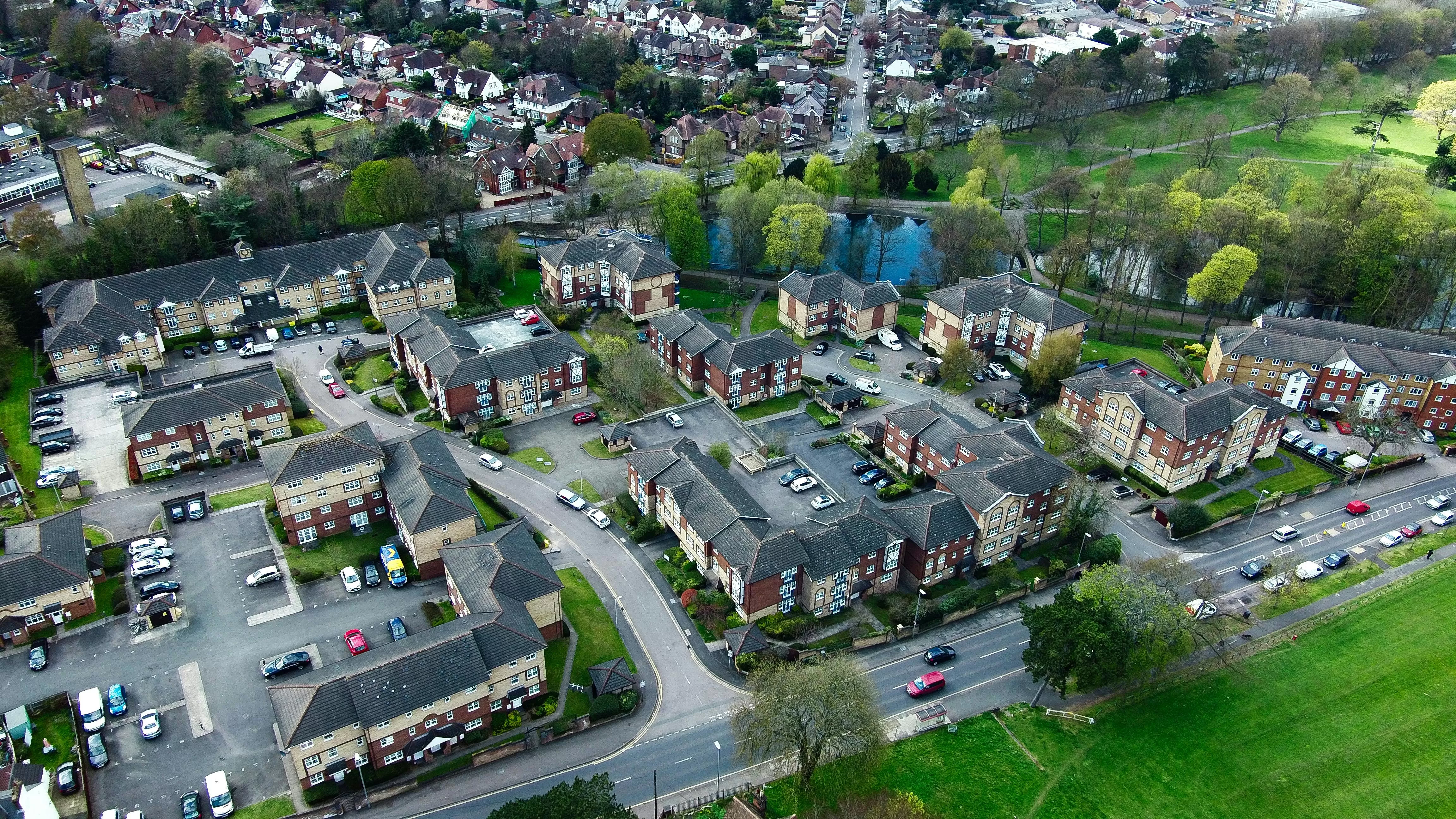
Buying a house in the UK is difficult primarily due to high property prices relative to income, large deposit requirements, strict mortgage affordability rules, and limited housing supply. First-time buyers face additional barriers such as rising interest rates, competition from investors, and increasing living costs that reduce borrowing capacity.
Why Are Houses So Expensive In The UK?
House prices in the UK are high because demand consistently exceeds supply, particularly in economically active regions such as London and the South East. Limited land availability, slow planning approvals, and construction constraints restrict the number of new homes entering the market.
At the same time, population growth, urbanisation, and investor activity increase demand. This imbalance pushes prices upward faster than wage growth, making affordability a structural issue rather than a short-term fluctuation.
Key Drivers of High Property Prices
- Housing Supply Shortage: New builds do not meet long-term demand
- Planning Restrictions: Complex approval processes slow development
- Regional Demand Pressure: Jobs concentrated in high-cost areas
- Investor Competition: Buy-to-let and overseas buyers increase demand
| Factor | Effect on Prices | Impact on First-Time Buyers |
|---|---|---|
| Limited New Housing | Drives prices up | Fewer affordable options |
| High Demand Areas | Inflates regional prices | Forces relocation or compromise |
| Investment Activity | Increases competition | Reduces buying opportunities |
The result is a widening gap between average earnings and property prices, making entry into the market progressively more difficult.
Why Is Saving A Deposit So Difficult?
Saving a deposit is challenging because it requires accumulating a large lump sum while managing high living costs, particularly rent. For many first-time buyers, rent consumes a significant portion of income, limiting the ability to save consistently.
Deposits are typically 5%–20% of the property value. In high-cost areas, even a 10% deposit can exceed £30,000–£50,000, which takes years to save without external support.
Factors That Slow Down Deposit Savings
- High Rental Costs: Reduces disposable income available for saving
- Rising Living Expenses: Energy, transport, and food costs impact savings rate
- Student Loan Repayments: Reduce net income for many buyers
- Wage Growth Lag: Earnings have not kept pace with house prices
| Property Price | 5% Deposit | 10% Deposit | 20% Deposit |
|---|---|---|---|
| £200,000 | £10,000 | £20,000 | £40,000 |
| £300,000 | £15,000 | £30,000 | £60,000 |
| £400,000 | £20,000 | £40,000 | £80,000 |
This financial hurdle often delays homeownership by several years and increases reliance on family support or alternative schemes.
Why Are Mortgage Rules So Strict For First-Time Buyers?
Mortgage rules in the UK are strict because lenders must comply with regulatory affordability checks designed to prevent borrowers from taking on unsustainable debt. These rules became tighter after the 2008 financial crisis and are enforced by the Financial Conduct Authority (FCA).
Lenders assess not just current affordability but also whether borrowers could still afford repayments if interest rates rise. This reduces the maximum loan amount available to many first-time buyers.
Key Affordability Constraints
- Income Multiples: Typically capped at 4–4.5 times annual income
- Stress Testing: Higher assumed interest rates reduce borrowing limits
- Debt-to-Income Ratio: Existing debts reduce mortgage eligibility
- Expenditure Assessment: Detailed review of spending habits
These safeguards protect borrowers but can feel restrictive, particularly for those with rising incomes but limited savings.
As a result, even buyers who can afford monthly repayments may struggle to meet lender criteria, creating a gap between perceived affordability and actual borrowing capacity.
How Do Interest Rates Affect First-Time Buyers?
Interest rates directly affect how much first-time buyers can borrow and what they will pay monthly. When rates rise, mortgage repayments increase and affordability calculations become stricter, reducing the maximum loan size available.
Even small rate changes can significantly impact borrowing capacity. For example, a 1% increase in interest rates can reduce borrowing power by tens of thousands of pounds, depending on income and loan term.
Key Impacts of Higher Interest Rates
- Lower Borrowing Limits: Buyers qualify for smaller mortgages
- Higher Monthly Payments: Increased cost of ownership
- Stricter Stress Tests: Lenders assume even higher future rates
- Reduced Market Activity: Fewer buyers can proceed
| Loan Amount | Interest Rate | Approx Monthly Payment |
|---|---|---|
| £250,000 | 4% | £1,320 |
| £250,000 | 6% | £1,610 |
| £250,000 | 8% | £1,930 |
This sensitivity to rates means timing and product choice (fixed vs variable) are critical factors in affordability.
What Are The Hidden Costs Of Buying A House In The UK?
Beyond the deposit, buying a home in the UK involves several additional costs that can add thousands of pounds to the upfront requirement. These costs are often underestimated by first-time buyers.
Typical Upfront and Ongoing Costs
- Stamp Duty: May apply depending on price and buyer status
- Solicitor Fees: Legal costs for conveyancing
- Survey and Valuation: Property condition and lender checks
- Mortgage Fees: Arrangement and booking fees
- Moving Costs: Removal services and setup expenses
| Cost Type | Estimated Range | When Paid |
|---|---|---|
| Solicitor Fees | £800–£1,500+ | During purchase |
| Survey | £300–£1,000 | Before exchange |
| Mortgage Fees | £0–£2,000 | On application/completion |
| Moving Costs | £300–£1,500 | Completion stage |
These costs can delay purchases if not planned in advance, especially for buyers already struggling to save a deposit.
Why Is Competition So High For Entry-Level Homes?
Competition is high because entry-level properties are the most affordable segment of the market, attracting first-time buyers, investors, and downsizers simultaneously. Limited supply intensifies this competition.
Well-priced properties often receive multiple offers, pushing buyers to bid above asking price or compromise on location and condition.
Who Are First-Time Buyers Competing With?
- Buy-to-Let Investors: Often cash buyers with faster transactions
- Second Steppers: Buyers with existing equity
- Cash Buyers: No mortgage delays, preferred by sellers
This competitive pressure reduces negotiating power and increases the likelihood of failed offers, prolonging the buying process.
Do Government Schemes Really Help First-Time Buyers?
Government schemes such as Shared Ownership, Lifetime ISAs, and First Homes initiatives can improve access to homeownership, but they do not eliminate core affordability challenges.
These schemes typically reduce deposit requirements or offer discounts, but they come with eligibility criteria, property restrictions, or long-term cost implications.
Limitations of Common Schemes
- Eligibility Caps: Income and property price limits apply
- Limited Availability: Not all areas or properties qualify
- Resale Restrictions: Especially in discounted schemes
- Ongoing Costs: Shared ownership includes rent
These schemes are useful tools but should be evaluated alongside long-term financial implications rather than short-term affordability alone.
Common Mistakes First-Time Buyers Make
First-time buyers often make avoidable mistakes that further complicate an already challenging process. Identifying these early can improve success rates and reduce financial strain.
- Underestimating total costs: Focusing only on deposit and ignoring fees
- Overestimating borrowing power: Not accounting for lender stress tests
- Applying to multiple lenders: Damaging credit profile unnecessarily
- Delaying decisions: Missing opportunities in competitive markets
- Ignoring long-term affordability: Choosing properties at financial limits
A structured approach, realistic budgeting, and professional advice can mitigate many of these issues.
How Can First-Time Buyers Overcome These Barriers?
First-time buyers can improve their chances of purchasing a home in the UK by strengthening their financial profile, using targeted schemes, and adopting a flexible property strategy. While structural challenges remain, practical steps can make entry more achievable.
Practical Strategies That Improve Buying Chances
- Increase Deposit Size: Even a small increase can unlock better mortgage rates and lender options
- Improve Credit Profile: Clean payment history and lower debts increase borrowing capacity
- Expand Location Search: Looking beyond high-demand areas improves affordability
- Use Government Schemes: Shared Ownership or Lifetime ISA can reduce upfront costs
- Buy with a Partner: Combining incomes increases affordability
Preparation and flexibility are often the deciding factors between continued renting and successful home purchase.
Is It Getting Easier To Buy A House In The UK?
Buying a house in the UK is not significantly easier, but conditions fluctuate depending on interest rates, housing supply, and economic policy. Some periods offer improved affordability, while others tighten borrowing conditions.
Recent trends show that while house price growth can slow, higher interest rates often offset affordability gains. This creates a mixed environment where entry remains challenging despite market adjustments.
| Factor | Effect on Buyers | Trend Impact |
|---|---|---|
| Interest Rates | Affect borrowing cost | Higher rates reduce affordability |
| House Prices | Determine deposit size | Slower growth offers limited relief |
| Housing Supply | Impacts availability | Persistent shortage keeps pressure high |
Overall, while some barriers shift over time, the fundamental challenges—high costs and limited supply—remain consistent.
Frequently Asked Questions
Why Is It Harder For First-Time Buyers In The UK?
It is harder due to high house prices, large deposit requirements, strict mortgage rules, and strong competition from other buyers.
What Is The Biggest Barrier To Buying A House In The UK?
The biggest barrier is affordability, particularly saving a deposit and meeting mortgage lending criteria.
How Much Deposit Do First-Time Buyers Need In The UK?
Most buyers need at least 5%–10% of the property value, though larger deposits improve approval chances and reduce costs.
Are House Prices In The UK Expected To Fall?
Prices may stabilise or fluctuate, but long-term trends are influenced by supply shortages and demand, making significant sustained drops less predictable.
Is Renting Cheaper Than Buying In The UK?
Renting can be cheaper short term, but buying builds equity over time. The better option depends on individual financial circumstances.
Key Takeaways
- Affordability Gap: House prices continue to outpace wage growth, making entry difficult.
- Deposit Challenge: Saving a deposit remains one of the biggest obstacles.
- Strict Lending Rules: Mortgage affordability checks limit borrowing capacity.
- Market Competition: High demand increases pressure on entry-level buyers.
- Preparation Helps: Strategic planning can improve success despite structural challenges.
References
- UK Finance – Mortgage Market Data
- Financial Conduct Authority – Mortgage Rules and Affordability Guidance
- Office for National Statistics – Housing Affordability Reports
- HM Land Registry – UK House Price Data
- MoneyHelper – First-Time Buyer Guidance