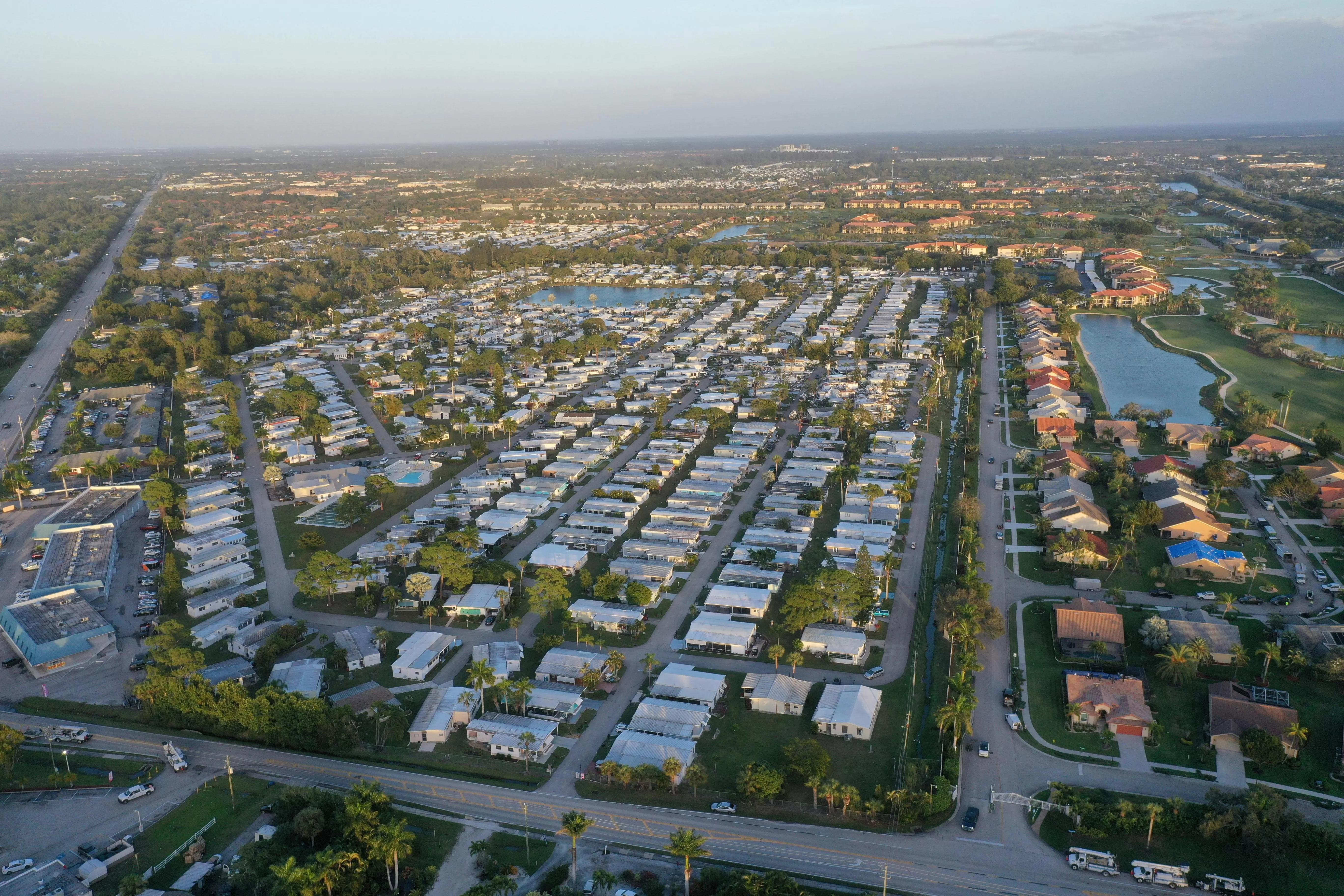
Africa offers some of the most affordable property markets globally, with countries like Kenya, Ghana, Egypt, and Morocco presenting opportunities for buyers aiming for high-growth residential and investment properties. These markets combine low entry prices with urban expansion, increasing middle-class populations, and rising rental demand, making them attractive for both first-time buyers and investors.
Most Affordable Housing Markets In Africa
Africa’s affordability varies widely by region. Among the lowest-cost markets, Kenya (Nairobi outskirts, Mombasa), Ghana (Accra suburbs, Kumasi), Egypt (Alexandria, Giza), and Morocco (Casablanca outskirts, Marrakech) stand out for buyers and investors looking for entry-level property.
Typical residential units in these regions range from $25,000 to $90,000, far below prices in established African capitals or international markets. These affordable prices attract both local buyers seeking housing and investors targeting rental income and capital growth.
High growth potential comes from urban migration, infrastructure projects, and expanding business districts, which drive rental demand and property appreciation over time.
| Country | City/Region | Typical Price Range (USD) | Key Growth Drivers |
|---|---|---|---|
| Kenya | Nairobi outskirts, Mombasa | $30K – $85K | Urban expansion, tourism, expatriate demand |
| Ghana | Accra suburbs, Kumasi | $25K – $80K | Rising middle class, commercial development |
| Egypt | Alexandria, Giza | $35K – $90K | Population growth, tourism, infrastructure |
| Morocco | Casablanca outskirts, Marrakech | $40K – $85K | Tourism, urbanization, international buyers |
Key Factors Driving Property Growth In Africa
Several factors influence property growth in affordable African markets:
- Urbanization: Rapid urban migration increases housing demand in secondary cities and suburbs.
- Economic Expansion: Growing middle class and business development drive demand for residential and rental properties.
- Government Infrastructure Projects: Investments in transport, roads, and utilities improve connectivity and property desirability.
- Tourism and Expat Demand: Coastal and historical cities attract both local and foreign tenants, supporting rental growth.
Understanding these drivers helps buyers and investors identify areas with sustainable growth rather than temporary price fluctuations.
Top African Cities For Investment
Key cities offering affordable, high-growth property include:
Kenya – Nairobi Outskirts & Mombasa
Outskirts of Nairobi and coastal Mombasa provide low entry prices with strong rental demand from young professionals, expats, and tourism-related tenants. Infrastructure projects are enhancing connectivity and urban appeal.
Ghana – Accra Suburbs & Kumasi
Accra’s expanding suburbs and Kumasi offer affordable residential options with growing commercial hubs. Rental demand is driven by professionals and students, supporting predictable income streams.
Egypt – Alexandria & Giza
Alexandria and Giza attract investors with mid-range housing options below Cairo’s premium market. Coastal access and tourism generate both rental and resale opportunities.
Morocco – Casablanca Outskirts & Marrakech
Casablanca and Marrakech offer affordable entry into Morocco’s real estate market. International tourism, short-term rentals, and urban development contribute to growth potential.
For investors, the combination of low purchase prices, urban growth, and strong rental demand makes these cities strategic choices for high-growth property investment in Africa.
Rental Yields And Income Potential In African Markets
Investors in Africa’s affordable property markets can typically expect rental yields ranging from 6% to 12%, depending on location, property type, and tenant demand. Secondary cities often offer higher yields than capital cities due to lower purchase prices combined with growing rental demand.
In Kenya, suburban Nairobi and Mombasa show rental yields around 7–10%, supported by young professionals, expatriates, and tourism-driven tenants. Ghana’s Accra suburbs and Kumasi average 6–9%, fueled by middle-class growth and student rentals. Egypt’s Alexandria and Giza provide yields of 6–8%, while Morocco’s Marrakech and Casablanca outskirts yield 5–8%, benefiting from tourism and short-term rentals.
Analyzing local rent trends, occupancy rates, and property maintenance costs is critical to project realistic cash flow and maximize investment returns.
True Costs Of Buying Property In Africa
Acquiring property in Africa involves more than the listed price. Buyers must account for transaction fees, legal expenses, annual taxes, and ongoing maintenance costs, which vary by country and property type.
| Cost Category | Estimated Range | Notes |
|---|---|---|
| Transfer/Stamp Fees | 2–6% | Varies by country and property value |
| Annual Property Tax | 0.1–1.5% | Generally low in emerging African markets |
| Maintenance / Management | 1–4% annually | Depends on property type and rental management |
| Legal / Notary Fees | 1–3% | Required for secure property transfer and title registration |
Investors should include these costs when calculating net returns and cash flow potential.
Financing Options For Investors In Africa
Financing rules differ across African countries, particularly for foreign investors. Options include local bank mortgages, developer financing, and cash purchases.
Foreign buyers often face higher down payments (20–50%) and stricter lending criteria. Developer financing, especially in new developments, can allow phased payments. Cash purchases remain popular for simplicity and faster acquisition.
Understanding local restrictions on foreign ownership, including land type, leasehold limitations, and repatriation of rental income, is essential before committing to a property.
Common Mistakes When Investing In Affordable African Property
Even low-cost properties carry risks if due diligence is neglected. Common mistakes include:
- Ignoring country-specific property laws and foreign ownership restrictions.
- Failing to account for property management, tenant sourcing, and maintenance challenges.
- Focusing solely on price without analyzing rental demand or growth potential.
- Underestimating hidden costs like taxes, utilities, or legal fees.
- Neglecting to verify developer credibility or property title authenticity.
Partnering with local experts, property managers, and legal advisors helps mitigate these risks and ensures safer investment decisions.
Emerging Market Trends And Opportunities
Emerging African property markets benefit from urbanization, infrastructure expansion, and increasing foreign investment. Secondary cities often experience faster relative growth than capitals due to low entry prices.
Government-backed infrastructure projects, tourism growth, and urban expansion contribute to both rental demand and long-term appreciation. Short-term rental markets are also expanding in tourist-centric cities like Marrakech, Alexandria, and Mombasa.
Investors targeting capital growth should consider cities with ongoing urban development, business hubs, and transportation improvements, as these areas often see property values rise ahead of market trends.
Frequently Asked Questions
Which African countries offer the cheapest properties for high growth potential?
Kenya, Ghana, Egypt, and Morocco are among the most affordable markets with strong potential for capital growth.
Can foreigners buy property in these African countries?
Yes, but regulations vary. Some countries restrict land ownership or require leasehold arrangements. Legal guidance is essential.
What rental yields can investors expect in Africa?
Rental yields typically range from 6% to 12%, depending on location, property type, and tenant demand.
Are there hidden costs when buying property in Africa?
Buyers should account for transfer fees, legal/notary costs, annual property taxes, and ongoing maintenance expenses.
What are common mistakes investors make in African property markets?
Neglecting local laws, ignoring rental demand, underestimating costs, and failing to verify developer credibility are frequent errors.
Key Takeaways
- Affordable Entry: Kenya, Ghana, Egypt, and Morocco provide low-cost properties ideal for first-time buyers and investors.
- High Growth Potential: Urbanization, infrastructure projects, and tourism drive long-term property appreciation.
- Rental Income: Yields range from 6%–12%, higher in secondary cities with growing demand.
- Hidden Costs: Factor in legal fees, transfer taxes, property management, and maintenance when calculating net returns.
- Due Diligence: Verify developer credibility, property titles, and local regulations to reduce investment risks.
References
- Kenya National Bureau of Statistics – Real Estate and Housing Data
- Ghana Statistical Service – Property Market Reports
- Egyptian Ministry of Housing – Residential Market Overview
- Moroccan National Property Information Centre – Market Analysis
- World Bank – African Urbanization and Housing Trends