The Netherlands offers one of Europe’s most stable and transparent commercial real estate markets, with strong tenant demand, predictable legal frameworks, and globally connected urban economies. Investors seeking high returns typically focus on logistics hubs such as Rotterdam, financial and technology centers like Amsterdam, and rapidly expanding mid-sized cities including Utrecht and Eindhoven, where yields often exceed those of core capital markets while maintaining strong long-term appreciation potential.
Why Invest in Commercial Property in the Netherlands?
The Netherlands consistently ranks among Europe’s most attractive commercial real estate destinations because it combines legal security, strong infrastructure, and international business concentration. The country serves as a gateway to the European Union, with ports, logistics corridors, and digital connectivity supporting long-term demand for office, retail, and industrial space.
Commercial investors benefit from a transparent property registration system, reliable enforcement of lease agreements, and a predictable tax environment compared with many other international markets. These structural advantages reduce operational risk and make income streams more stable, particularly for institutional-grade assets.
Another major advantage is the diversity of commercial demand. Technology firms, financial services companies, international headquarters, and logistics operators all maintain significant operations in the Netherlands. This diversified tenant base helps protect investors from sector-specific downturns while sustaining long-term rental growth.
From an investment perspective, the Dutch market is typically divided into “core” cities—Amsterdam, Rotterdam, The Hague, and Utrecht—where capital appreciation is strong but yields are moderate, and “growth” cities such as Eindhoven, Tilburg, and Groningen, where higher yields are often available due to expanding economic clusters and infrastructure development. A balanced portfolio often includes assets in both categories.
Foreign investors can purchase commercial property without major ownership restrictions, although transaction structuring, financing, and tax considerations require professional advice. Because institutional investors are highly active in the Netherlands, competitive bidding is common for prime assets, making location selection and asset strategy critical to achieving above-average returns.
What Drives Commercial Property Returns in Dutch Cities?
Commercial property performance in the Netherlands is primarily determined by five measurable factors: economic concentration, infrastructure accessibility, tenant demand stability, zoning flexibility, and long-term urban development plans. Understanding how these drivers operate helps investors identify cities capable of delivering consistent rental income and capital growth.
Economic concentration is the most influential factor. Cities hosting international headquarters, financial institutions, research universities, or major logistics nodes typically maintain higher occupancy rates and stronger rent growth. Amsterdam and Rotterdam exemplify this pattern, where international trade and business services sustain long-term commercial demand.
Transport and logistics infrastructure significantly affects warehouse, industrial, and distribution property values. Locations connected to the Port of Rotterdam, Schiphol Airport, and the national rail freight network tend to experience steady leasing demand, particularly from e-commerce, manufacturing, and global supply chain operators.
Tenant demand stability depends on sector diversity. Cities with strong technology, education, healthcare, and professional services sectors generally show lower vacancy risk compared with single-industry markets. Investors often analyze employment diversification metrics when selecting Dutch cities for long-term commercial acquisitions.
Urban planning and zoning policies also influence returns. Municipal redevelopment initiatives—such as mixed-use innovation districts, logistics corridor expansions, and office-to-residential conversion restrictions—can significantly affect both property availability and pricing dynamics. Investors who monitor municipal planning strategies often identify high-growth micro-locations before pricing adjusts.
Supply constraints represent another critical driver. In tightly regulated cities where land availability is limited, rental growth often accelerates due to restricted new construction. Amsterdam’s central districts and Utrecht’s office corridors are examples where constrained supply has supported consistent rent increases over time.
When evaluating cities, investors typically analyze yield levels alongside long-term appreciation potential. High-yield markets may provide stronger immediate income, while core cities with lower yields often deliver better long-term capital stability. The most effective strategies balance both components.
Best Dutch Cities for Commercial Real Estate Investment
The most attractive commercial investment cities in the Netherlands combine international connectivity, population growth, and diversified economic activity. While individual asset performance depends on property type and tenant quality, several cities consistently demonstrate strong investment fundamentals.
Amsterdam
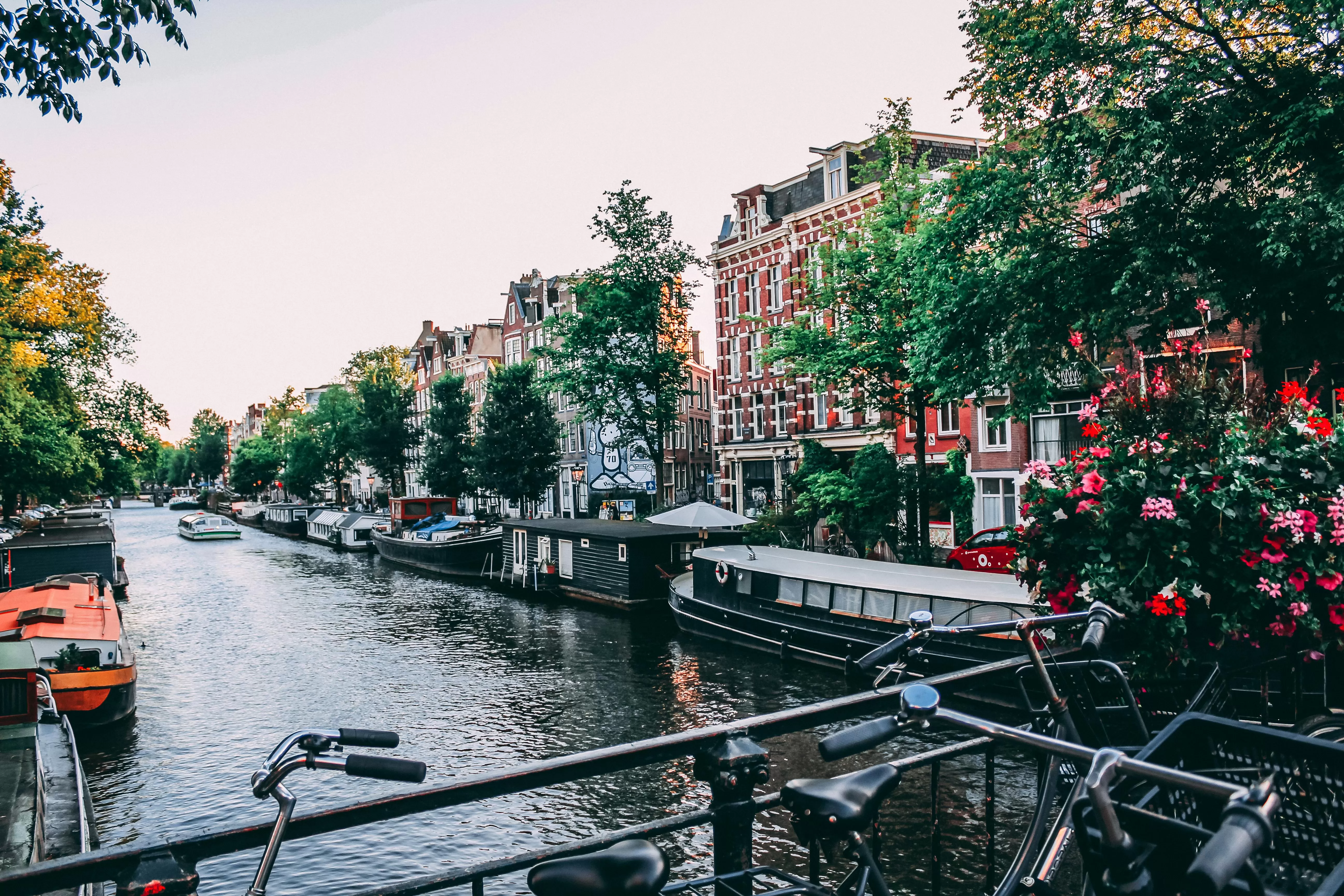
Amsterdam remains the country’s primary financial and business center, attracting multinational headquarters, technology companies, and professional services firms. Office demand is particularly strong in the Zuidas financial district and emerging mixed-use developments near transport hubs. Although entry prices are among the highest in the Netherlands, vacancy rates are typically low, and long-term capital appreciation has historically been strong due to limited development land and sustained international demand.
Rotterdam
Rotterdam is Europe’s largest seaport and one of the continent’s most important logistics hubs, making it highly attractive for warehouse, industrial, and distribution investments. The city’s ongoing redevelopment projects, including waterfront commercial districts and logistics corridor expansions, continue to increase tenant demand. Yields are often higher than in Amsterdam, particularly in logistics and industrial segments, which appeals to income-focused investors.
Utrecht
Utrecht is increasingly viewed as one of the Netherlands’ fastest-growing commercial property markets due to its central geographic location and strong transportation connectivity. The city functions as a major rail and business hub, attracting technology firms, educational institutions, and consulting companies. Office and mixed-use developments near Utrecht Central Station have seen strong occupancy levels, while supply constraints support long-term rental growth.
Beyond these major markets, several secondary cities—including Eindhoven, The Hague, and Tilburg—are gaining investor attention due to technology clusters, government institutions, and expanding logistics activity. These locations often provide higher initial yields while benefiting from long-term regional development strategies.
Investment Strategies by City Type
Successful commercial property investment in the Netherlands depends not only on selecting the right city but also on aligning the acquisition strategy with the city’s economic profile. Core cities, logistics hubs, and innovation centers each require different investment approaches to maximize returns while managing risk exposure.
Core metropolitan markets, including Amsterdam, Utrecht, and The Hague, are generally best suited for long-term capital preservation strategies. Investors typically focus on prime office buildings, mixed-use developments near transport hubs, and assets with long lease terms to multinational tenants. While initial yields may be lower compared with secondary cities, consistent rental growth and strong resale liquidity often support long-term performance.
Logistics-driven cities, particularly Rotterdam, Tilburg, and Breda, attract investors seeking higher income yields. Warehouse and distribution facilities linked to seaports, rail freight terminals, and highway corridors tend to maintain steady tenant demand from e-commerce companies, shipping operators, and manufacturing supply chains. Properties located within established logistics clusters generally experience lower vacancy risk than isolated industrial developments.
Technology and innovation centers, such as Eindhoven and Delft, appeal to investors targeting growth-oriented assets. Office campuses, research facilities, and flexible workspaces serving technology firms and research institutions often benefit from strong tenant expansion and long-term demand generated by innovation ecosystems. These markets may experience faster rental growth compared with mature office districts, although asset selection and tenant quality analysis remain critical.
Investors seeking balanced portfolios often combine assets across these city categories to stabilize income streams while capturing both yield and appreciation potential. Diversification across sectors—office, logistics, and mixed-use—further reduces exposure to sector-specific downturns.
Costs, Taxes, and Financing for Commercial Property
Understanding acquisition costs and financing structures is essential when evaluating the true return potential of commercial real estate investments in the Netherlands. Transaction costs typically include transfer tax, notary fees, valuation costs, legal due diligence, and financing arrangement fees. Transfer tax rates for commercial property are generally higher than those applied to residential assets, making cost modeling a critical part of investment planning.
Financing options are widely available through Dutch and international lenders, although lending criteria often emphasize tenant stability, lease duration, and property location. Prime office and logistics assets with long-term leases typically qualify for more favorable financing terms, while development or repositioning projects may require higher equity contributions.
Corporate ownership structures are commonly used for commercial real estate acquisitions, particularly by international investors, as they can offer tax planning advantages and operational flexibility. However, the appropriate structure depends on the investor’s home jurisdiction, financing strategy, and long-term holding plans. Professional tax advisory support is essential before acquisition to ensure compliance with Dutch tax regulations and cross-border reporting requirements.
Operational costs should also be incorporated into return calculations. Maintenance expenses, property management fees, insurance, and potential vacancy periods directly affect net income performance. Investors focusing solely on headline yields without accounting for these costs may overestimate expected returns.
Legal and Procedural Steps for Buying Commercial Property
The Dutch commercial property acquisition process follows a structured legal framework designed to ensure transparency and ownership security. Transactions generally begin with property identification and preliminary financial analysis, followed by negotiation of a purchase agreement outlining price, due diligence conditions, and completion timelines.
Legal due diligence is a critical stage that includes verifying ownership records, zoning compliance, lease agreements, environmental assessments, and any encumbrances affecting the property. Commercial properties with multiple tenants require detailed lease reviews to evaluate rental stability, break clauses, and indexation provisions.
Once due diligence is completed and financing is confirmed, the final purchase deed is executed before a civil-law notary, who registers the ownership transfer in the Dutch Land Registry. This registration provides legal certainty of ownership and protects the buyer’s property rights. The structured nature of the process significantly reduces title risk compared with many international markets.
Foreign investors often appoint local legal counsel, tax advisors, and property consultants to manage the acquisition process, particularly when transactions involve corporate ownership structures or portfolio acquisitions. Professional coordination ensures compliance with regulatory requirements and reduces transaction delays.
Common Investor Mistakes and How to Avoid Them
Commercial real estate investors entering the Dutch market frequently encounter similar strategic errors that can reduce returns or increase risk exposure. One of the most common mistakes is focusing exclusively on headline yields without evaluating long-term tenant demand and local economic drivers. Properties located in weaker submarkets may initially offer higher yields but experience prolonged vacancy periods that reduce overall performance.
Another frequent error is underestimating the impact of zoning regulations and municipal development plans. Cities in the Netherlands actively manage land use, and redevelopment policies can influence property values significantly. Investors who review municipal planning documents and infrastructure projects before acquisition often gain a strategic advantage in identifying emerging growth zones.
Overlooking tenant quality represents another critical risk. Lease income stability depends heavily on tenant creditworthiness, sector resilience, and lease duration. A property leased to financially stable tenants with long-term agreements generally provides more predictable income than assets dependent on short-term or high-risk occupiers.
Finally, some investors underestimate operational management requirements. Professional property management, maintenance planning, and lease administration are essential for sustaining asset value and tenant retention. Factoring these operational considerations into acquisition decisions improves long-term investment performance.
Emerging High-Return Commercial Locations
Beyond the established core markets, several Dutch cities are increasingly attracting commercial real estate investors seeking higher initial yields combined with strong medium-term growth potential. These emerging markets benefit from infrastructure expansion, university-driven innovation ecosystems, and decentralization of corporate operations from higher-cost metropolitan centers.
Eindhoven is widely recognized as one of Europe’s leading technology and semiconductor innovation hubs. The presence of major research institutions, high-tech manufacturing companies, and international engineering firms has created sustained demand for office, research, and light industrial properties. Continued investment in innovation campuses and technology clusters is expected to support long-term rental growth.
Tilburg has developed into a strategic logistics location due to its proximity to Rotterdam’s port network and major European distribution corridors. Warehousing and distribution facilities in established logistics zones frequently experience strong occupancy rates, making the city attractive for investors seeking stable income-oriented industrial assets.
Groningen, supported by a large university population and expanding regional economic initiatives, is gradually strengthening its office and mixed-use commercial sectors. Although smaller than the Randstad metropolitan region, the city’s lower entry prices often provide yield advantages for investors willing to adopt long-term holding strategies.
Investors targeting these emerging cities often prioritize properties near transport infrastructure, research parks, or industrial clusters where tenant demand is structurally supported. Early entry into such markets can provide stronger yield spreads compared with saturated prime-city investment zones.
Long-Term Outlook for Dutch Commercial Real Estate
The long-term outlook for commercial real estate in the Netherlands remains supported by structural economic strengths, including international trade integration, a highly skilled workforce, and consistent population growth in major urban corridors. Continued investment in transport networks, logistics infrastructure, and innovation districts is expected to reinforce tenant demand across office, logistics, and mixed-use sectors.
Urban densification strategies and land-use planning policies are likely to maintain supply discipline in many major cities, which historically contributes to rental growth stability. At the same time, evolving workplace trends—such as flexible office formats and mixed-use developments—are encouraging redevelopment of aging commercial assets into modern multi-functional spaces, creating additional value-add investment opportunities.
Investors adopting data-driven acquisition strategies, focusing on tenant quality and infrastructure-driven locations, and maintaining diversified property portfolios are generally positioned to benefit from the Netherlands’ stable legal environment and long-term economic resilience. While short-term market cycles can influence yields, the country’s structural fundamentals continue to support sustained commercial property investment activity.
Frequently Asked Questions
Can foreigners buy commercial property in the Netherlands?
Yes. Foreign individuals and companies can purchase commercial real estate in the Netherlands without significant ownership restrictions, although tax structuring and financing arrangements typically require professional advisory support.
Which Dutch city offers the highest commercial property yields?
Secondary logistics and technology-driven cities such as Tilburg, Eindhoven, and certain Rotterdam industrial zones often provide higher initial yields than prime locations like Amsterdam, where returns are typically driven more by long-term capital appreciation.
What types of commercial properties perform best in the Netherlands?
Logistics warehouses near major transport corridors, modern office buildings in business districts, and mixed-use developments in high-growth urban areas generally demonstrate the most consistent long-term performance.
How long does it take to complete a commercial property purchase?
Commercial transactions typically take several weeks to a few months depending on financing approval, legal due diligence, and transaction complexity.
Is financing available for international investors?
Yes. Dutch and international lenders provide financing for qualified investors, particularly for well-located properties with stable tenant income and long-term lease agreements.
Key Takeaways
- Strategic Location Matters: Cities with strong logistics infrastructure, technology clusters, and international business presence consistently attract commercial tenant demand.
- Yield vs. Stability Balance: Prime cities offer long-term appreciation stability, while emerging markets often provide higher initial yields.
- Legal Transparency Supports Investment: The Netherlands’ structured property registration and transaction systems reduce ownership risk for both domestic and foreign investors.
- Diversification Improves Performance: Combining office, logistics, and mixed-use assets across multiple cities helps stabilize long-term income streams.
- Infrastructure and Planning Drive Growth: Monitoring municipal development plans and transport investments helps identify future high-performing commercial locations.
Conclusion: Commercial property investment in the Netherlands remains attractive due to transparent legal systems, diversified economic centers, and infrastructure-driven demand. Investors who align asset selection with city-specific growth drivers—balancing core-market stability with emerging-market yield potential—are best positioned to achieve sustainable long-term returns.
References
- Dutch Land Registry (Kadaster) property transaction framework publications.
- Netherlands Enterprise Agency (RVO) investment environment reports.
- Major commercial real estate market outlook studies from European property consultancies.
- Municipal urban planning and infrastructure development plans across major Dutch cities.