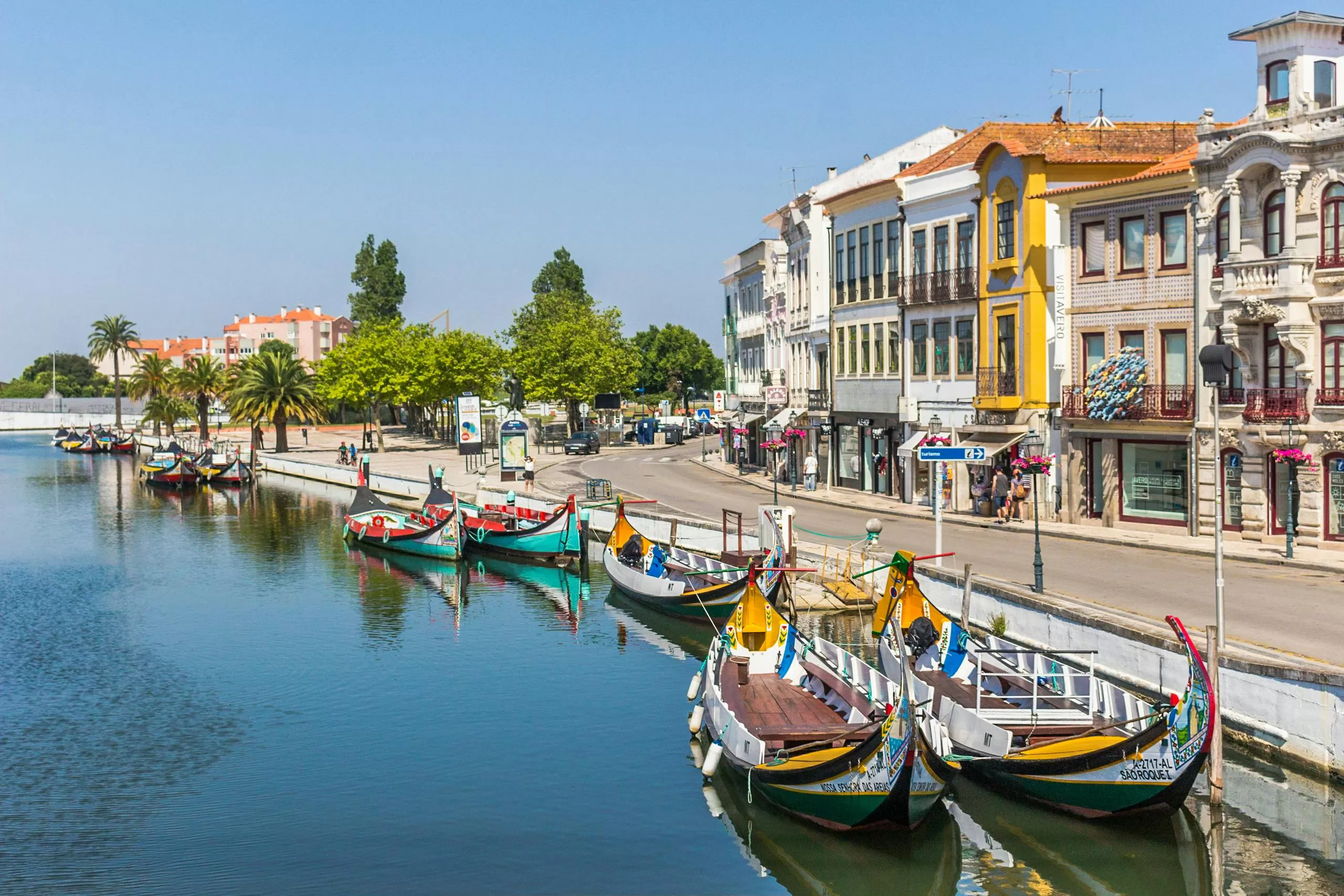
Yes, UK citizens can legally buy property in Portugal without restrictions. There is no residency requirement, and ownership rights are the same as for Portuguese nationals. However, the process involves obtaining a Portuguese tax number, opening a local bank account, appointing a lawyer, conducting legal due diligence, and paying taxes and fees that typically add 6%–10% to the purchase price. Understanding each step, legal obligation, and cost is essential before committing to a transaction.
Can UK Citizens Buy Property in Portugal?
UK citizens can buy residential, commercial, or land property in Portugal without any legal restrictions. Portugal operates an open property market, meaning foreign buyers—including those from outside the European Union—have the same ownership rights as local citizens.
This policy remained unchanged after Brexit. While UK citizens are now classified as non-EU nationals, this affects residency and tax status—not property ownership rights. You do not need Portuguese citizenship, permanent residency, or a visa to purchase real estate.
However, ownership does not automatically grant residency. If you intend to live in Portugal for more than 90 days within 180 days, you must apply for a visa or residency permit under applicable immigration rules.
From a buyer’s perspective, the key takeaway is straightforward: purchasing property is legally simple, but staying in Portugal long-term requires separate immigration compliance.
Key Conditions UK Buyers Must Meet
Although there are no ownership restrictions, you must complete several administrative requirements before purchasing property:
- Obtain a Portuguese tax identification number (NIF)
- Open a Portuguese bank account
- Appoint a legal representative if you are not a resident
- Ensure funds are transferred through compliant banking channels
- Sign contracts in accordance with Portuguese property law
These requirements are procedural rather than restrictive, but failing to complete them properly can delay or invalidate a transaction.
What Types of Property Can You Buy?
UK citizens can purchase all categories of property in Portugal, including:
- Residential homes (apartments, villas, townhouses)
- Commercial real estate (offices, retail units)
- Land (urban or rural plots)
- Investment properties for rental income
There are no limitations on ownership structure either. You can buy individually, jointly, or through a company, depending on your tax strategy and investment goals.
What Laws Govern Property Ownership in Portugal?
Property transactions in Portugal are governed by a well-established civil law system. The legal framework is transparent, document-driven, and designed to protect both buyers and sellers through mandatory registration and notarial oversight.
The core principle is that ownership is only legally recognised once the property is registered in the Portuguese Land Registry (Conservatória do Registo Predial). This ensures that all rights, debts, and restrictions tied to the property are publicly recorded.
Key Legal Components Every Buyer Must Understand
Before purchasing property in Portugal, UK buyers should understand the following legal elements:
- Land Registry (Registo Predial): Confirms ownership, boundaries, and any charges or mortgages
- Tax Office Records (Finanças): Verifies property tax status and official valuation
- Usage License (Licença de Utilização): Confirms the property is legally approved for its intended use
- Energy Certificate: Mandatory document rating the property’s energy efficiency
All of these documents must be reviewed before signing any binding agreement. Skipping this stage exposes buyers to legal and financial risks, including hidden debts or illegal construction.
Role of the Notary and Lawyer
Unlike some property markets where agents dominate transactions, Portugal relies heavily on legal professionals to ensure compliance.
Lawyer: Conducts due diligence, reviews contracts, checks legal status, and protects the buyer’s interests throughout the transaction.
Notary: Officially certifies the transaction, verifies identities, and ensures the deed complies with Portuguese law.
While the notary ensures legality, the lawyer safeguards your interests. Engaging an independent lawyer is strongly recommended, especially for foreign buyers unfamiliar with local regulations.
How Ownership Is Registered
Ownership transfer becomes legally binding only after the final deed (Escritura) is signed and registered. This process includes:
- Signing the deed before a notary
- Paying all applicable taxes and fees
- Registering the property under your name in the Land Registry
Until registration is complete, legal ownership is not fully secured. This is a critical distinction compared to markets where contract exchange alone confers ownership rights.
What Is the Step-by-Step Legal Process to Buy Property in Portugal?
The property buying process in Portugal follows a structured sequence of legal and financial steps. Each stage serves a specific purpose, from verifying ownership to securing funds and finalising the transaction.
For UK buyers, understanding this sequence reduces delays, prevents legal issues, and ensures a smooth purchase.
Step 1: Obtain a Portuguese Tax Number (NIF)
The Número de Identificação Fiscal (NIF) is mandatory for any financial transaction in Portugal, including property purchases.
Non-resident UK buyers typically appoint a fiscal representative to obtain the NIF on their behalf. This number is required to:
- Open a bank account
- Sign contracts
- Pay taxes
Step 2: Open a Portuguese Bank Account
A local bank account is essential for transferring funds, paying taxes, and completing transactions. Most sellers and notaries require payments to be made through a Portuguese account to ensure traceability and compliance.
Step 3: Property Search and Offer
Once you identify a property, you submit an offer—typically through an estate agent. If accepted, the property is usually taken off the market while contracts are prepared.
This stage is informal but important. Verbal agreements may be followed quickly by a reservation agreement or directly by a promissory contract.
Step 4: Legal Due Diligence
This is one of the most critical stages. Your lawyer will verify:
- Legal ownership and title status
- Outstanding debts or mortgages
- Planning permissions and building compliance
- Property boundaries and registry details
Any issues identified must be resolved before proceeding. This step protects you from inheriting legal or financial liabilities.
Step 5: Promissory Contract (Contrato de Promessa de Compra e Venda)
This is a legally binding agreement between buyer and seller outlining the terms of the sale. At this stage, the buyer typically pays a deposit of 10%–30% of the purchase price.
The contract includes:
- Purchase price
- Completion timeline
- Penalties for withdrawal by either party
If the buyer withdraws, the deposit is usually forfeited. If the seller withdraws, they must typically return double the deposit.
Step 6: Final Deed (Escritura) and Completion
The final step involves signing the deed before a notary. At this point:
- The remaining balance is paid
- Ownership is legally transferred
- Taxes and fees are settled
After signing, the property is registered in your name, completing the transaction.
From start to finish, the process typically takes 6 to 12 weeks, depending on financing, due diligence findings, and administrative timelines.
What Are the Total Costs of Buying Property in Portugal?
Buying property in Portugal involves more than just the purchase price. UK buyers should budget an additional 6% to 10% of the property value to cover taxes, legal fees, and administrative costs. The exact percentage depends on the property price, location, and financing structure.
These costs are mandatory and must be paid during the transaction process. Underestimating them can delay completion or affect affordability.
Key Cost Components Explained
Property Transfer Tax (IMT): This is the largest upfront cost. It is calculated on a sliding scale based on the purchase price and property type. Primary residences benefit from lower rates compared to second homes or investment properties.
Stamp Duty (Imposto do Selo): Typically charged at 0.8% of the purchase price. This applies to all property transactions and is payable at completion.
Legal Fees: Lawyers usually charge between 1% and 1.5% of the purchase price, depending on the complexity of the transaction and services provided.
Notary and Registration Fees: These cover the cost of certifying the deed and registering ownership. Fees vary but are generally fixed or moderately scaled.
Mortgage Costs (if applicable): If financing is used, additional costs include bank arrangement fees, valuation fees, and mortgage stamp duty.
All payments must typically be made before or at the time of signing the final deed. Delays in payment can postpone the transaction.
Ongoing Ownership Costs
After purchase, property ownership in Portugal involves recurring costs that buyers must factor into long-term planning:
- IMI (Municipal Property Tax): Annual tax based on the property’s taxable value
- Condominium Fees: Applicable for apartments or shared developments
- Maintenance and Utilities: Vary depending on property size and usage
- Insurance: Mandatory if you have a mortgage; recommended otherwise
These costs are generally lower than in many Western European countries, but they vary significantly by municipality and property type.
What Taxes Do UK Buyers Pay When Purchasing Property?
UK citizens buying property in Portugal are subject to the same tax structure as local buyers. There are no additional taxes imposed specifically on foreign purchasers. However, tax obligations depend on whether the property is used as a primary residence, second home, or rental investment.
Taxes Payable at Purchase
The primary taxes payable during acquisition include:
- IMT (Property Transfer Tax): Progressive rates based on value and usage
- Stamp Duty: Fixed rate applied to the declared purchase price
These taxes must be paid before signing the final deed. Proof of payment is required by the notary to proceed with the transaction.
Taxes After Purchase
Once you own the property, additional taxes may apply depending on how the property is used:
- IMI (Annual Property Tax): Paid yearly to the local municipality
- Rental Income Tax: Applies if the property is rented out
- Capital Gains Tax: Payable when selling the property at a profit
For non-resident UK owners, rental income is typically taxed at a flat rate, while capital gains are taxed on 50% of the gain for residents or fully for non-residents, subject to applicable tax treaties.
Double Taxation Considerations
The UK and Portugal have a double taxation agreement in place. This means income or gains are not taxed twice, although they must still be declared in both jurisdictions.
Professional tax advice is strongly recommended to structure ownership efficiently and remain compliant with both UK and Portuguese tax authorities.
Can UK Citizens Get a Mortgage in Portugal?
Mortgages and Financing Options: Yes, UK citizens can obtain a mortgage from Portuguese banks, even as non-residents. However, lending criteria are stricter compared to residents, and buyers should expect more detailed financial scrutiny.
Typical Mortgage Terms for UK Buyers
Non-resident buyers are generally offered lower loan-to-value (LTV) ratios than residents. Most banks provide:
- Up to 60%–70% financing for non-residents
- Loan terms ranging from 20 to 30 years
- Age limits that may cap the loan term
Interest rates may be fixed, variable, or mixed, depending on the lender and economic conditions.
Eligibility Requirements
To secure a mortgage, UK buyers typically need to provide:
- Proof of income and employment
- Bank statements and credit history
- Tax returns from the UK
- Details of existing financial commitments
The approval process can take several weeks and is often conducted alongside the legal due diligence phase.
Cash vs Mortgage Purchases
Cash buyers benefit from a faster and simpler process, as there is no need for bank approvals or valuations. Mortgage buyers, however, can leverage financing to increase investment capacity but must factor in additional costs and timelines.
The choice depends on liquidity, investment strategy, and long-term financial planning.
How Long Does It Take to Buy Property in Portugal?
The average timeframe to complete a property purchase in Portugal ranges from 6 to 12 weeks. This can vary depending on financing, legal complexity, and administrative efficiency.
Typical Timeline Breakdown
- Week 1–2: Property selection and offer acceptance
- Week 2–4: Legal due diligence and contract preparation
- Week 3–6: Signing the promissory contract and paying deposit
- Week 6–12: Final deed signing and registration
Mortgage approvals can extend the timeline, particularly if additional documentation is required.
Delays may also occur if legal issues arise during due diligence, such as unclear ownership or missing permits. Working with experienced professionals reduces these risks significantly.
What Mistakes Should UK Buyers Avoid?
Foreign buyers often encounter avoidable issues due to unfamiliarity with Portuguese procedures. Understanding common mistakes can prevent costly errors and legal complications.
1. Skipping Independent Legal Advice
Relying solely on estate agents or seller-appointed professionals can expose buyers to conflicts of interest. Always appoint an independent lawyer to represent your interests.
2. Failing to Verify Legal Documentation
Incomplete or incorrect documentation can result in ownership disputes or fines. Ensure all property records, licenses, and tax details are verified before signing contracts.
3. Underestimating Total Costs
Many buyers focus only on the purchase price and overlook taxes and fees. This can lead to budget shortfalls during completion.
4. Ignoring Tax Implications
Cross-border taxation can be complex. Failing to plan properly may result in higher tax liabilities or compliance issues in both countries.
5. Rushing the Process
Speeding through due diligence increases the risk of hidden problems. A careful, methodical approach is essential for a secure transaction.
Avoiding these mistakes significantly improves the likelihood of a smooth and legally sound purchase.
Does Buying Property Grant Residency in Portugal?
Buying property in Portugal does not automatically grant residency rights to UK citizens. Ownership and immigration status are legally separate. While you can own property without restriction, staying in Portugal beyond standard tourist limits requires a valid visa or residency permit.
Following Brexit, UK citizens can stay in Portugal for up to 90 days within 180 days without a visa. For longer stays, a residency route must be chosen.
Common Residency Options for Property Owners
UK buyers who wish to live in Portugal often explore the following visa pathways:
- D7 Visa: Designed for individuals with passive income such as pensions or rental income
- Digital Nomad Visa: Suitable for remote workers earning income from outside Portugal
- Golden Visa (limited scope): Previously linked to property investment, now largely restricted and no longer widely applicable for residential purchases
Each visa has specific financial thresholds, documentation requirements, and residency obligations. Property ownership may support an application, but does not replace immigration criteria.
For buyers planning relocation, aligning property purchase timing with visa approval is a practical strategy to avoid legal or logistical complications.
Where Do UK Buyers Typically Purchase Property in Portugal?
Why Portugal is the Best Market: UK buyers tend to focus on regions offering a balance of lifestyle, accessibility, and investment potential. Location choice often depends on whether the goal is relocation, holiday use, or rental income.
Popular Regions Among UK Buyers
Algarve: Known for its coastal lifestyle, strong rental demand, and established expatriate communities. Ideal for holiday homes and short-term lets.
Lisbon: Portugal’s capital offers strong capital growth potential and a dynamic rental market, though entry prices are higher.
Porto: A growing investment hub with relatively lower property prices compared to Lisbon and increasing international interest.
Silver Coast: Offers better value for money with access to beaches and proximity to Lisbon, making it attractive for long-term living.
Central and Inland Regions: Suitable for buyers seeking lower prices and rural properties, though rental yields and liquidity may be lower.
Each location presents different legal, financial, and market considerations. Buyers should evaluate infrastructure, accessibility, rental regulations, and long-term growth prospects before deciding.
What Should You Know Before Selling Property in Portugal?
Understanding the exit process is essential before purchasing property. Selling property in Portugal involves legal, tax, and market considerations that can impact your overall return on investment.
Capital Gains Tax Implications
UK owners are subject to Portuguese capital gains tax when selling property. The taxable amount depends on residency status:
- Non-residents: Taxed on 100% of the gain at a flat rate
- Residents: Taxed on 50% of the gain, combined with other income
Allowable deductions may include purchase costs, legal fees, and documented improvements, which can reduce the taxable gain.
Sale Process Overview
The selling process typically includes:
- Appointing an estate agent
- Preparing legal documentation
- Negotiating offers
- Signing a promissory contract with the buyer
- Completing the final deed before a notary
The timeline can vary depending on market conditions and buyer financing, but it generally mirrors the purchase process.
Market Liquidity Considerations
Liquidity varies by region and property type. Urban and coastal areas tend to sell faster, while rural properties may take longer to find buyers. Pricing strategy and property condition significantly influence sale speed.
Planning your exit helps align your purchase decision with long-term financial objectives.
Frequently Asked Questions
Can a UK citizen buy property in Portugal after Brexit?
Yes, UK citizens can still buy property in Portugal without restrictions. Brexit does not affect ownership rights, only residency and immigration rules.
Do I need to live in Portugal to buy property?
No, residency is not required. You can purchase property as a non-resident, but you must comply with visa rules if you plan to stay long-term.
What is the minimum deposit required?
The deposit is typically 10% to 30% of the purchase price, paid at the promissory contract stage.
How much tax will I pay when buying property?
Taxes usually range between 6% and 10% of the property value, including transfer tax and stamp duty.
Can I rent out my property in Portugal?
Yes, but you must comply with local rental regulations and declare rental income for tax purposes.
Is it safe to buy property in Portugal as a foreigner?
Yes, Portugal has a transparent legal system with strong protections for property buyers, provided due diligence is properly conducted.
Key Takeaways
- Open Market Access: UK citizens can buy property in Portugal without restrictions or residency requirements.
- Structured Legal Process: Transactions follow a clear legal framework involving due diligence, contracts, and registration.
- Additional Costs Apply: Buyers should budget 6%–10% above the purchase price for taxes and fees.
- Residency Is Separate: Property ownership does not grant the right to live in Portugal long-term.
- Professional Support Is Essential: Legal and tax advice significantly reduces risk and ensures compliance.
References
- Portuguese Civil Code and Property Law Framework
- Portuguese Tax Authority (Autoridade Tributária e Aduaneira)
- UK Government Guidance on Overseas Property Ownership
- Portuguese Land Registry (Conservatória do Registo Predial)
- Bank of Portugal Mortgage Lending Guidelines