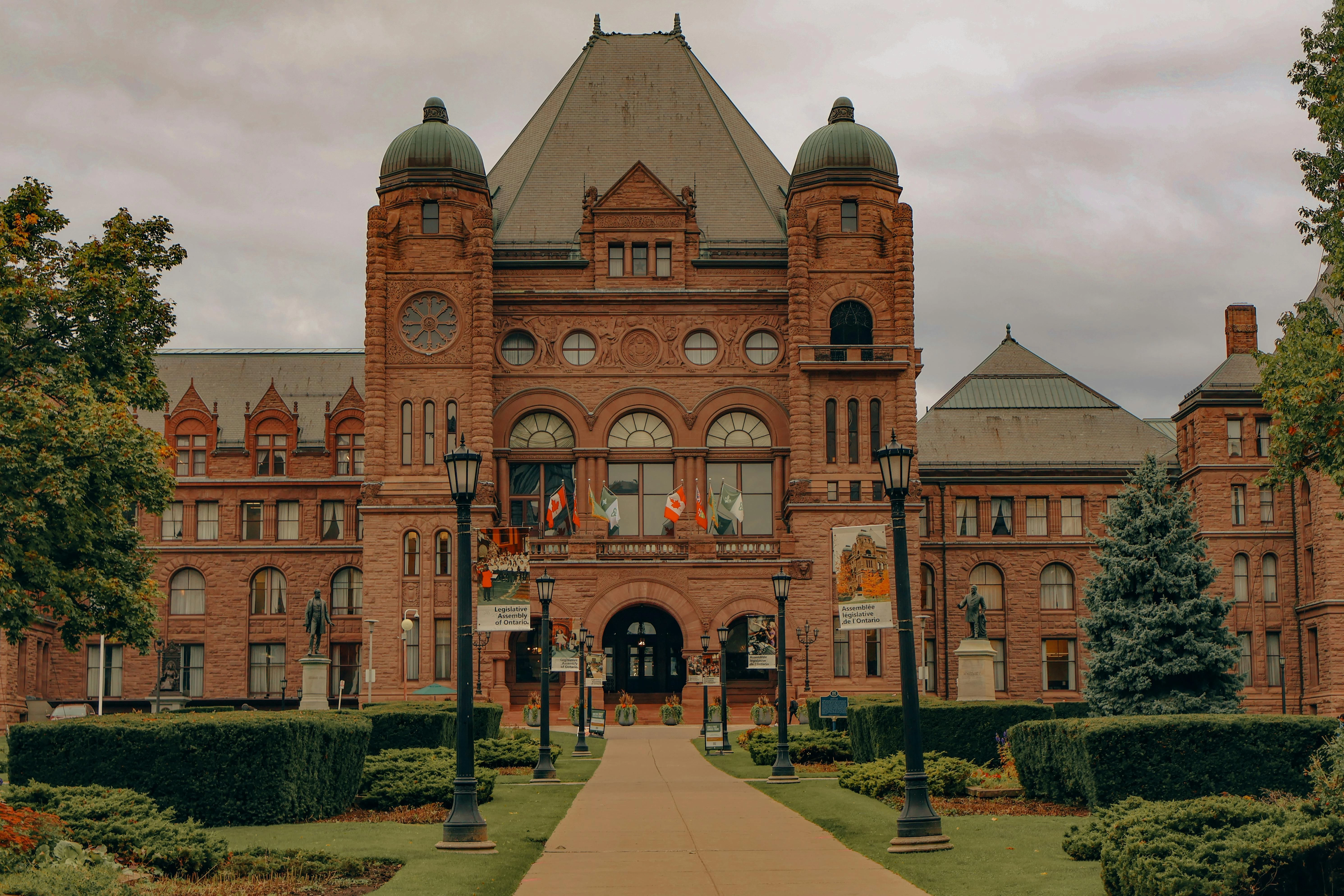
Buying a second home in Ontario is legally permitted for both residents and eligible non-residents, but it triggers additional taxes, financing constraints, and regulatory obligations that differ from primary home purchases. Buyers must account for land transfer taxes, potential non-resident speculation taxes, rental compliance rules, and stricter mortgage qualification criteria. Understanding these elements early allows investors and homeowners to structure purchases correctly, avoid penalties, and align the property with long-term financial goals.
Why Buy a Second Home in Ontario?
A second home in Ontario is typically purchased for one of three reasons: investment income, seasonal or lifestyle use, or long-term capital appreciation. Each purpose carries different financial and legal implications, particularly around taxation, financing, and use restrictions.
Ontario’s real estate market remains one of the most stable in Canada due to population growth, economic diversity, and strong rental demand in urban centres such as Toronto, Ottawa, and Hamilton. For investors, rental properties offer recurring income streams and potential equity growth, while vacation properties in regions like Muskoka or Prince Edward County serve as both lifestyle assets and short-term rental opportunities.
However, buying a second home is not simply a repeat of a primary home purchase. Lenders assess risk differently, municipalities enforce zoning and rental bylaws, and tax authorities distinguish between principal residences and investment properties. These differences directly affect affordability, profitability, and compliance.
From a financial perspective, second homes generally require larger down payments, often starting at 20%, and may involve higher interest rates. Additionally, buyers must consider carrying costs such as property taxes, insurance, maintenance, and vacancy risk if the property is rented.
From a legal standpoint, ownership structure matters. Buyers must decide whether to purchase individually, jointly, or through a corporation. Each option has implications for taxation, liability, and estate planning. For example, holding property in a corporation can provide tax planning advantages but may limit access to certain mortgage products.
Understanding the purpose of the purchase is critical because it determines how the property is taxed, financed, and regulated. A vacation home used occasionally is treated differently from a fully rented investment property, especially when calculating capital gains and eligibility for exemptions.
Who Can Legally Buy a Second Property in Ontario?
Both Canadian residents and certain categories of non-residents can legally purchase a second home in Ontario, but eligibility is governed by federal and provincial regulations that may impose restrictions or additional taxes.
Canadian citizens and permanent residents face no legal limit on the number of properties they can own. However, they must still meet lender requirements and comply with tax obligations. For these buyers, the primary considerations are financial qualification and adherence to municipal rules.
Non-resident buyers are subject to stricter oversight. The federal government has implemented temporary restrictions on foreign home purchases in certain residential categories, with specific exemptions for work permit holders, students, and refugees. Even when eligible, non-residents may be required to pay the Non-Resident Speculation Tax (NRST), which significantly increases the upfront cost of acquisition.
Eligibility also depends on how the property will be used. For example, some municipalities restrict short-term rentals to principal residences only. This means a second home cannot legally be used as a short-term rental in certain areas unless it meets strict criteria.
Buyers should also be aware of anti-money laundering regulations. Real estate transactions in Ontario are subject to federal reporting requirements, and buyers must provide verifiable identification and source-of-funds documentation. This applies to both domestic and international purchasers.
In addition, lenders evaluate second-home applications more conservatively than primary residences. Borrowers must demonstrate sufficient income to cover both properties, including stress-tested mortgage payments. Rental income may be considered, but typically only a portion is included in qualification calculations.
For investors considering joint ownership, legal agreements between co-owners are essential. These agreements define responsibilities, exit strategies, and profit-sharing arrangements, reducing the risk of disputes.
Ultimately, while Ontario remains open to second-home ownership, buyers must navigate a layered regulatory framework that combines federal policies, provincial taxes, and local bylaws.
Key Property Laws Affecting Second-Home Buyers
Second-home purchases in Ontario are governed by a combination of land ownership laws, tax regulations, and municipal bylaws. These rules determine how property can be acquired, used, and taxed over time.
One of the most important legal considerations is the distinction between a principal residence and a secondary property. Only one property per family unit can be designated as a principal residence for tax purposes in a given year. This designation allows owners to avoid capital gains tax when selling that property. Any additional properties, including second homes, are subject to capital gains tax on appreciation.
Land transfer taxes apply to all property purchases in Ontario and are calculated based on the purchase price. Buyers in Toronto face an additional municipal land transfer tax, effectively doubling this cost. For second-home buyers, these taxes represent a significant upfront expense that must be factored into the investment calculation.
Another critical regulation is the Non-Resident Speculation Tax, which applies to foreign buyers in designated regions. This tax is levied as a percentage of the purchase price and is payable at closing. While rebates may be available under certain conditions, they require strict eligibility and documentation.
Municipal bylaws play a major role in how second homes can be used. Zoning regulations determine whether a property can be rented, subdivided, or used for short-term accommodation. For example, some cities restrict short-term rentals to primary residences, effectively limiting the income potential of a second home.
Rent control laws also affect investment properties. In Ontario, rent increases for most residential units are capped annually unless the unit is exempt under specific conditions, such as being newly built. This limits how quickly landlords can adjust rental income in response to market conditions.
Insurance requirements for second homes differ from those for primary residences. Insurers may charge higher premiums due to increased risk, particularly for properties that are vacant for extended periods or used as short-term rentals. Lenders typically require proof of adequate insurance before approving financing.
Finally, property standards and maintenance obligations are enforced at the municipal level. Owners are legally responsible for ensuring their property meets safety and habitability standards, whether occupied by tenants or used personally.
Understanding these legal frameworks is essential before entering the market. Misinterpreting zoning rules, tax obligations, or eligibility criteria can lead to unexpected costs, fines, or restrictions on property use.
How Financing Works for a Second Home in Ontario
Financing a second home in Ontario is more restrictive than financing a primary residence because lenders classify these purchases as higher risk. As a result, borrowers must meet stricter qualification standards, provide larger down payments, and demonstrate stronger financial stability.
Most lenders require a minimum down payment of 20% for a second home, particularly if the property is intended for rental or investment use. In some cases, owner-occupied secondary residences, such as vacation homes, may qualify for lower down payments, but only if they meet specific criteria and are not rented out.
Mortgage stress testing plays a critical role in approval. Borrowers must prove they can afford payments at a higher qualifying interest rate, not just the contract rate. This ensures financial resilience but significantly reduces borrowing capacity compared with a first-home purchase.
Lenders evaluate the borrower’s debt-to-income ratio, factoring in all existing obligations, including the mortgage on the primary residence. Rental income from the second property may be considered, but typically only 50% to 80% of the projected income is included, depending on the lender and the quality of documentation.
Interest rates for second homes are often slightly higher than those for primary residences. The difference reflects increased lender risk, particularly for properties that depend on rental income or are located in seasonal markets.
Buyers also need to account for additional reserve requirements. Many lenders require proof of liquid assets sufficient to cover several months of mortgage payments, property taxes, and insurance for both properties combined.
Alternative financing options exist, including private lenders and home equity lines of credit (HELOCs). These can be useful for investors who already own property with significant equity but may come with higher costs and shorter terms.
Choosing the right financing structure is essential because it directly affects cash flow, return on investment, and long-term financial flexibility. A poorly structured mortgage can limit future borrowing capacity and reduce profitability.
What Are the True Costs of Buying a Second Property?
The total cost of acquiring and owning a second home in Ontario extends well beyond the purchase price. Buyers must account for upfront acquisition costs, ongoing ownership expenses, and long-term tax liabilities.
Upfront costs include land transfer taxes, legal fees, title insurance, appraisal fees, and closing adjustments. In cities like Toronto, municipal land transfer taxes significantly increase initial expenses. For non-residents, the Non-Resident Speculation Tax adds a substantial surcharge.
Ongoing costs are often underestimated. Property taxes vary by municipality and property type, while insurance premiums tend to be higher for secondary or rental properties. Maintenance expenses, including repairs, utilities, and property management, can significantly impact net returns.
If the property is rented, landlords must also consider vacancy periods, tenant turnover costs, and compliance expenses such as safety inspections or licensing fees where applicable.
From a tax perspective, rental income must be reported and is subject to income tax. However, certain expenses, including mortgage interest, maintenance, and property management fees, may be deductible, reducing taxable income.
Capital gains tax is a major consideration when selling a second home. Unlike a principal residence, a second property does not qualify for a full capital gains exemption. Only 50% of the gain is taxable, but this can still represent a significant liability depending on appreciation.
Additionally, some municipalities impose vacancy taxes on properties that are not occupied for a specified period. This is particularly relevant for investors holding properties without tenants.
Understanding the full cost structure is essential for evaluating whether a second home aligns with financial goals. Many buyers focus on purchase price while underestimating the cumulative impact of taxes and operating expenses.
Best Investment Strategies for Second Homes
The most effective investment strategy for a second home in Ontario depends on location, property type, and market conditions. Buyers typically choose between long-term rental, short-term rental, or hybrid usage models.
Long-term rental properties provide stable and predictable income. These are commonly located in urban centres with strong employment markets and consistent tenant demand. While rent control may limit income growth, vacancy risk is generally lower compared to short-term rentals.
Short-term rentals can generate higher income in high-demand tourist areas, but they are heavily regulated. Municipal restrictions often limit eligibility, require licensing, or confine short-term rentals to principal residences. Investors must verify local bylaws before relying on this strategy.
Hybrid strategies involve using the property personally for part of the year while renting it out during peak seasons. This approach can offset costs while maintaining lifestyle benefits, but it requires careful scheduling and compliance with local regulations.
Another approach is value-add investing, where buyers purchase properties below market value and increase their worth through renovations. This strategy can accelerate equity growth but requires capital, expertise, and risk tolerance.
Location remains the most critical factor in any strategy. Properties near transit, employment hubs, or tourist attractions tend to perform better in both rental income and long-term appreciation.
Investors should also consider exit strategies. Market conditions, tax implications, and liquidity needs all influence the timing and method of sale. Planning an exit strategy at the time of purchase reduces uncertainty later.
Common Mistakes Second-Home Buyers Make
Many second-home buyers underestimate the complexity of owning multiple properties, leading to avoidable financial and legal issues. Identifying common mistakes early can significantly improve outcomes.
One of the most frequent errors is underestimating total costs. Buyers often focus on mortgage payments while overlooking taxes, maintenance, and vacancy risks. This can lead to negative cash flow and financial strain.
Another common mistake is ignoring local bylaws. Purchasing a property with the intention of short-term rental without verifying municipal restrictions can result in fines or forced cessation of rental activity.
Improper financing is also a major issue. Choosing a mortgage structure without considering long-term investment goals can limit flexibility and reduce profitability. For example, locking into unfavourable terms may hinder refinancing or future property acquisitions.
Tax mismanagement is another critical risk. Failing to understand capital gains implications, rental income reporting, or eligibility for deductions can result in penalties and unexpected liabilities.
Some buyers also neglect proper tenant screening and property management. Poor tenant selection increases the risk of missed payments, property damage, and legal disputes.
Finally, emotional decision-making often leads to overpaying for properties, particularly in competitive markets. Treating a second home as both an investment and a personal asset requires a balanced, disciplined approach.
Avoiding these mistakes requires thorough research, professional advice, and a clear investment strategy aligned with financial capacity and regulatory requirements.
Resale, Exit Strategy, and Timing Considerations
Every second-home purchase in Ontario should include a defined exit strategy at the time of acquisition. The resale process for a second property differs from a primary residence primarily due to tax exposure, market timing sensitivity, and buyer demand dynamics.
The most important factor affecting resale is capital gains tax. Since second homes are not eligible for the full principal residence exemption, any increase in property valuation is partially taxable upon sale. This makes timing critical. Selling during a strong market can offset tax liability through higher gains, while selling during a downturn may reduce profitability or result in losses.
Liquidity is another key consideration. Unlike stocks or other liquid assets, real estate transactions take time. Property listing, marketing, negotiation, and closing can span several months. Investors who may need quick access to funds must plan accordingly and avoid overexposure to illiquid assets.
Market cycles in Ontario vary by region and property type. Urban condos, suburban homes, and recreational properties each follow different demand patterns. For example, vacation properties often experience seasonal demand fluctuations, which can affect both pricing and time on market.
Renovation and property condition also influence resale outcomes. Well-maintained properties with updated features tend to sell faster and at higher prices. However, over-improving beyond neighbourhood standards may not yield proportional returns.
Another strategic factor is the holding period. Short-term ownership may trigger additional tax scrutiny, especially if the transaction resembles speculative activity. Longer holding periods generally align better with capital appreciation and tax efficiency.
Finally, transaction costs such as agent commissions, legal fees, and discharge penalties on mortgages must be factored into the exit plan. These costs directly impact net proceeds and should be estimated before listing the property.
A disciplined exit strategy ensures that the investment remains aligned with financial goals and reduces the risk of forced sales under unfavourable conditions.
Second Home Compliance Checklist
Ensuring full compliance with Ontario’s legal and financial requirements is essential for avoiding penalties and protecting long-term investment value. The following checklist summarises key obligations that second-home buyers and owners must address.
Before purchase, buyers should verify zoning regulations to confirm permitted property uses. This is especially important for those considering rental income, as restrictions may limit or prohibit certain types of leasing.
Financing approval should be secured with full disclosure of the intended use of the property. Misrepresentation can lead to mortgage default issues or the denial of insurance coverage.
At closing, all applicable taxes, including land transfer taxes and, where relevant, non-resident taxes, must be paid. Legal documentation should be reviewed carefully to ensure the ownership structure aligns with financial and tax planning objectives.
After acquisition, property owners must maintain appropriate insurance coverage. Policies should reflect whether the property is owner-occupied, vacant, or rented, as each carries different risk profiles.
For rental properties, compliance with landlord-tenant regulations is mandatory. This includes lease agreements, rent increase limits, and maintenance standards. Failure to comply can result in legal disputes or financial penalties.
Tax reporting obligations must be met annually. Rental income, deductible expenses, and capital improvements should be accurately documented. Proper record-keeping simplifies tax filing and reduces audit risk.
Municipal requirements, such as licensing for short-term rentals or vacancy declarations, must also be followed where applicable. These rules vary by location and are subject to change, requiring ongoing attention.
A structured compliance approach minimises legal exposure and ensures the property remains a viable and profitable asset over time.
Frequently Asked Questions
Can I buy a second home in Ontario with less than 20% down?
In most cases, a minimum 20% down payment is required for second homes used as investment properties. Lower down payments may be possible for owner-occupied secondary residences, but eligibility is limited and subject to strict lender criteria.
Do I have to pay capital gains tax on a second home?
Yes. Second homes are generally subject to capital gains tax upon sale. Only one property can be designated as a principal residence per year, and that designation determines tax exemption eligibility.
Is rental income from a second property taxable in Ontario?
Yes. Rental income must be reported as part of annual income. However, eligible expenses such as mortgage interest, maintenance, and property management fees can be deducted to reduce taxable income.
Can I use my second home as a short-term rental?
It depends on municipal bylaws. Some cities restrict short-term rentals to principal residences only, meaning a second home may not qualify. Buyers must verify local regulations before purchasing.
Are there additional taxes for foreign buyers?
Yes. Non-resident buyers may be subject to the Non-Resident Speculation Tax in designated regions. This tax is applied at the time of purchase and increases the overall cost significantly.
How does owning a second home affect mortgage eligibility?
Lenders assess total debt obligations, including the first mortgage, when evaluating eligibility. Borrowers must demonstrate sufficient income and financial stability to support both properties under stress-tested conditions.
Key Takeaways
- Legal Structure Matters: Ownership type and intended use determine taxation, financing, and compliance requirements.
- Costs Extend Beyond Purchase: Taxes, insurance, maintenance, and vacancy risks significantly affect total investment performance.
- Financing Is Stricter: Higher down payments, stress testing, and reserve requirements apply to second-home buyers.
- Local Regulations Are Critical: Zoning and rental bylaws directly impact income potential and property use.
- Exit Planning Is Essential: Capital gains tax and market timing must be considered before purchase, not just at sale.
References
- Ontario Land Transfer Tax Guidelines
- Canadian Mortgage Stress Test Rules
- Ontario Residential Tenancies Act
- Non-Resident Speculation Tax Framework
- Municipal Short-Term Rental Regulations in Ontario