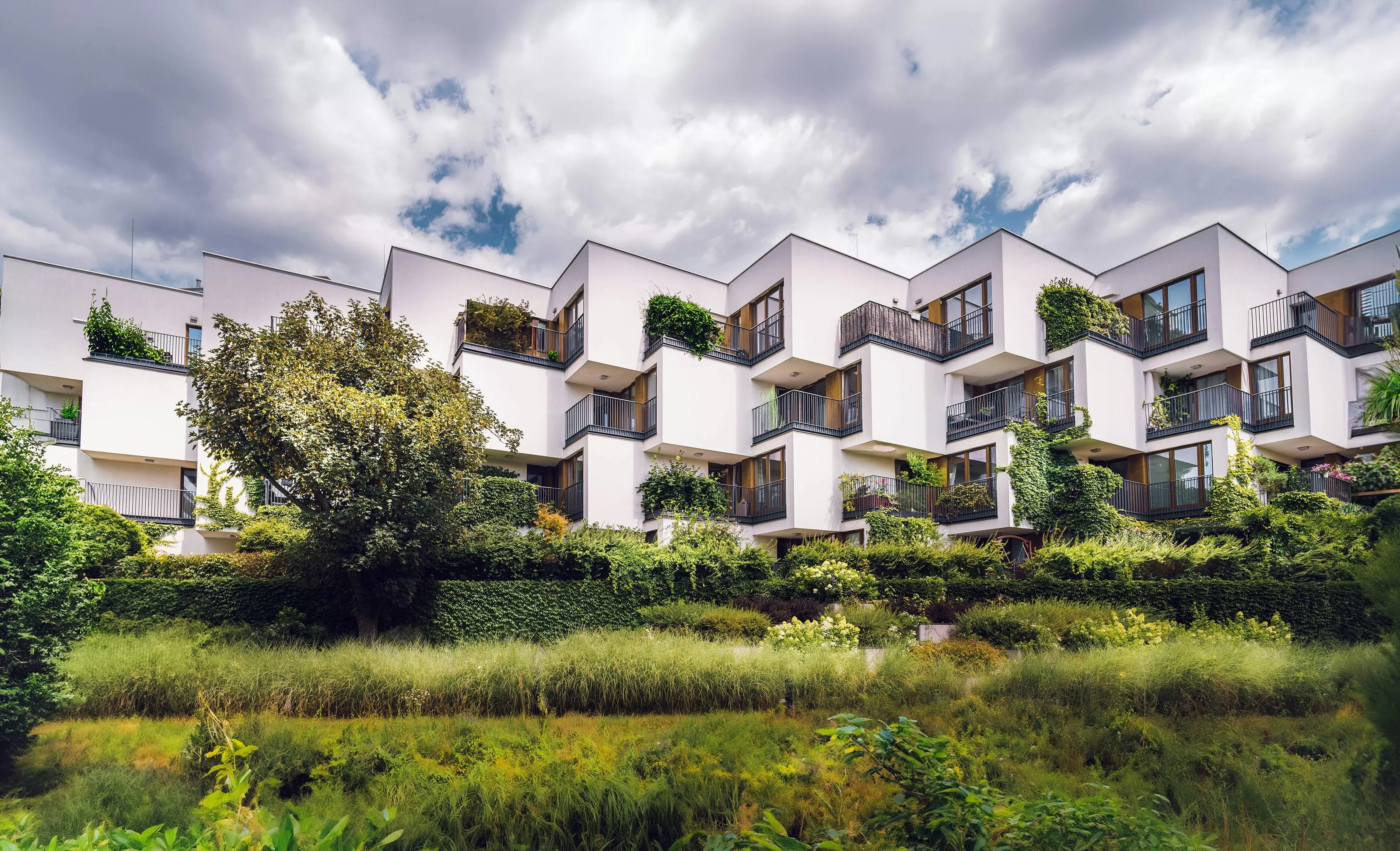
Heaton offers a diverse property market for buyers seeking both houses and flats. Understanding the area's neighbourhoods, property types, pricing trends, and investment potential is essential for making an informed decision.
Heaton Property Overview
Heaton, located in the northeastern part of Newcastle upon Tyne, is a well-established residential area that blends Victorian-era housing with modern developments. It is popular among first-time buyers, families, and investors due to its accessibility, local amenities, and transport links.
The area is divided into smaller neighbourhoods, each with distinctive characteristics. Central Heaton offers a mix of traditional terraced houses and low-rise flats, often within walking distance of schools, parks, and retail areas. Heaton Road and surrounding streets attract professionals and students due to proximity to Newcastle University and city centre transport.
Buyers should be aware that property demand in Heaton is steady, with houses typically maintaining long-term value because of the area's infrastructure, schools, and consistent rental demand. Flats, while slightly more affordable, tend to appreciate more slowly but offer attractive options for investors seeking rental yield.
Types of Properties in Heaton
Heaton's property stock includes a mix of terraced houses, semi-detached homes, and purpose-built flats. Understanding the differences is crucial for buyers aiming for either long-term residence or investment returns.
Houses: Most houses in Heaton are Victorian or Edwardian terraces. They feature two to four bedrooms, traditional layouts, and characteristic features such as bay windows and high ceilings. Semi-detached homes are less common but present larger internal spaces and private gardens.
Flats: Flats in Heaton are found both in converted period houses and modern developments. Studio and one-bedroom flats are common near transport corridors, while larger two- or three-bedroom flats are typically situated in quieter residential streets. Flats often appeal to young professionals or investors targeting the rental market.
When choosing between a house and a flat, buyers should consider maintenance costs, space requirements, and long-term appreciation potential. Houses usually offer higher growth potential due to land ownership and the scarcity of larger family homes, whereas flats provide easier entry points and lower upfront costs.
Heaton Property Market Trends
The property market in Heaton has shown stable growth over the past decade, with houses appreciating at a moderate pace while flats have experienced steadier, incremental increases. Average house prices range from £200,000 to £350,000 depending on location, size, and condition. Flats typically range from £120,000 to £200,000.
Recent trends indicate growing interest from first-time buyers and investors seeking rental properties, particularly around Heaton Road and Chillingham Road. Rental yields remain attractive, averaging 5–6% annually for flats and 4–5% for houses, reflecting strong rental demand from students and young professionals.
Key factors influencing market trends include local regeneration projects, transport infrastructure upgrades, and the ongoing demand for properties near reputable schools. Buyers should monitor planning applications and community developments, as these can affect both property prices and rental potential.
The Buying Process in Heaton
Buying property in Heaton follows the standard UK process but has nuances specific to the area due to mixed housing stock and competitive demand. The main steps are:
- Research and Property Search: Use local estate agents, online portals, and neighbourhood scouting to identify suitable houses or flats. Focus on streets with consistent price trends and access to amenities.
- Property Viewing and Inspection: Arrange multiple viewings. Victorian houses may require structural surveys due to age-related issues like damp, roof integrity, or outdated wiring. Flats may need checks for service charges and lease terms.
- Offer and Negotiation: Property prices in Heaton are negotiable but competitive. Understand recent sales data for comparable properties before making an offer.
- Legal Process (Conveyancing): Engage a local solicitor to manage contracts, title checks, and searches. Leasehold flats may require additional attention to service charges, ground rent, and lease duration.
- Mortgage and Financing: Pre-approval is essential. Banks may require surveys for older properties, and some lenders have restrictions on flats in converted period buildings.
- Completion and Handover: Once all checks are complete, contracts exchanged, and funds transferred, keys are handed over. Budget for Stamp Duty, legal fees, and moving costs.
Understanding each step and its specific implications in Heaton ensures a smoother transaction and reduces risks associated with property age, leasehold arrangements, and market competition.
Financial Considerations for Buyers
Heaton buyers need a realistic financial plan that accounts for upfront costs, ongoing expenses, and potential investment returns. Key considerations include:
- Property Prices: Average house prices range from £200,000 to £350,000; flats from £120,000 to £200,000. Street-specific variations can exceed £50,000 based on size, condition, and proximity to schools or transport.
- Stamp Duty and Taxes: Standard UK Stamp Duty applies, with exemptions for first-time buyers within defined thresholds. Leasehold flats may also involve annual ground rent.
- Maintenance Costs: Older Victorian houses require ongoing maintenance for roofs, plumbing, and heating. Flats may incur service charges covering building insurance, communal repairs, and facilities.
- Mortgage Eligibility: Lenders assess age and condition of the property. Flats in converted buildings sometimes attract stricter lending criteria due to structural considerations.
- Rental Potential: Investors can expect 4–6% yields depending on property type. Houses generally attract long-term tenants, while flats appeal to students and young professionals seeking shorter leases.
Balancing purchase price, ongoing costs, and expected returns is essential for making a financially sound decision in Heaton.
Neighbourhood Comparison in Heaton
Different areas within Heaton offer unique benefits. Buyers should align their choice with lifestyle, budget, and investment goals:
- Central Heaton: Close to shops, schools, and transport links. Properties here command moderate premiums but enjoy consistent demand.
- South Heaton: Mix of older terraces and newer developments. Ideal for families due to proximity to parks and community facilities.
- North Heaton: Generally quieter with larger semi-detached homes and gardens. Prices are slightly higher, reflecting low housing turnover and demand for family homes.
- Heaton Park Vicinity: Attractive for tenants and owner-occupiers alike. Houses bordering parks often appreciate faster due to recreational and aesthetic value.
Choosing the right neighbourhood involves considering commute times, school rankings, and long-term property value stability. Investors may prioritise areas with strong rental demand, while owner-occupiers may value lifestyle and access to amenities.
Common Buyer Mistakes in Heaton
Even experienced buyers sometimes make errors that affect cost, convenience, or resale value. Avoid these common pitfalls:
- Skipping Surveys: Older houses in Heaton may have hidden structural issues; surveys prevent unexpected repair costs.
- Ignoring Lease Terms: Flats in converted buildings can have short leases or high service charges. These affect resale value and mortgage eligibility.
- Overlooking Local Trends: Not reviewing recent sales, planned developments, or zoning changes can lead to overpaying or poor investment returns.
- Underestimating Maintenance: Victorian houses require ongoing upkeep, including roof, guttering, and plumbing checks.
- Focusing Only on Price: Location, transport, schools, and community amenities often impact long-term property value more than initial cost.
Careful research and consultation with local experts reduce risks and ensure buyers make informed, sustainable property decisions.
Long-Term Property Value in Heaton
Heaton has demonstrated steady property value growth over the last decade. Houses tend to appreciate faster than flats due to land ownership and limited supply of larger homes. Key factors influencing long-term value include:
- Proximity to Schools and Universities: Areas near reputable schools and Newcastle University consistently attract families and students, supporting both resale and rental demand.
- Transport and Connectivity: Accessibility via Metro, bus routes, and main roads ensures sustained interest from professionals commuting to the city centre.
- Local Amenities: Retail hubs, cafes, parks, and recreational facilities contribute to desirability and long-term stability of property prices.
- Regeneration and Development: Ongoing public and private investment in infrastructure and housing upgrades enhances both market value and neighbourhood quality.
Understanding these factors allows buyers and investors to choose properties that are resilient to market fluctuations while offering consistent growth potential.
Investment Strategies for Heaton Properties
Investors in Heaton should adopt strategies aligned with property type, tenant demand, and expected yield. Consider the following approaches:
- Buy-to-Let Flats: Ideal for students and young professionals. Focus on areas with transport links, near Newcastle University, and affordable entry prices.
- Houses for Families: Purchase terraced or semi-detached houses near parks and schools. Longer-term tenants reduce vacancy periods and enhance rental stability.
- Renovation and Refurbishment: Older Victorian homes offer potential for value addition through modernisation, extensions, or loft conversions, increasing both rental yield and resale value.
- Long-Term Hold Strategy: Due to consistent demand, properties in Heaton benefit from holding over several years. Short-term speculation may underperform compared to patient, strategic investment.
Investors should also track planning applications and local market reports to identify opportunities for value growth while avoiding areas with potential oversupply of flats.
Frequently Asked Questions
1. What types of houses are available in Heaton?
Heaton mainly offers Victorian and Edwardian terraced houses, some semi-detached homes, and low-rise modern developments. Properties range from two- to four-bedroom layouts, often with gardens and period features.
2. Are flats in Heaton a good investment?
Yes. Flats near transport links and Newcastle University attract students and young professionals, offering consistent rental demand and yields of 5–6% annually.
3. What is the average property price in Heaton?
Average prices for houses range between £200,000–£350,000, while flats typically sell for £120,000–£200,000. Prices vary by street, property size, and condition.
4. What should buyers avoid when purchasing in Heaton?
Common mistakes include skipping property surveys, ignoring lease terms for flats, overlooking local market trends, underestimating maintenance, and focusing solely on price rather than location and amenities.
5. Which Heaton neighbourhoods are best for long-term value?
Central Heaton, South Heaton, and areas near Heaton Park are strong for long-term value due to schools, parks, transport links, and consistent demand.
Key Takeaways
- Heaton offers diverse housing options: Victorian terraced houses, semi-detached homes, and modern flats cater to different buyer needs.
- Property value is stable: Houses generally appreciate faster, while flats offer reliable rental yields.
- Location drives long-term value: Proximity to schools, parks, transport, and amenities is critical.
- Financial planning is essential: Consider purchase price, maintenance, service charges, and mortgage eligibility.
- Professional guidance reduces risk: Surveys, legal advice, and local market insights help avoid costly mistakes.
References
- UK Land Registry – House Price Index Data, Newcastle upon Tyne, 2025
- Newcastle City Council – Heaton Neighbourhood Profiles, 2024
- Rightmove Property Insights – Heaton Market Trends, 2025
- Numbeo – Newcastle Rental Prices & Yield Data, 2025