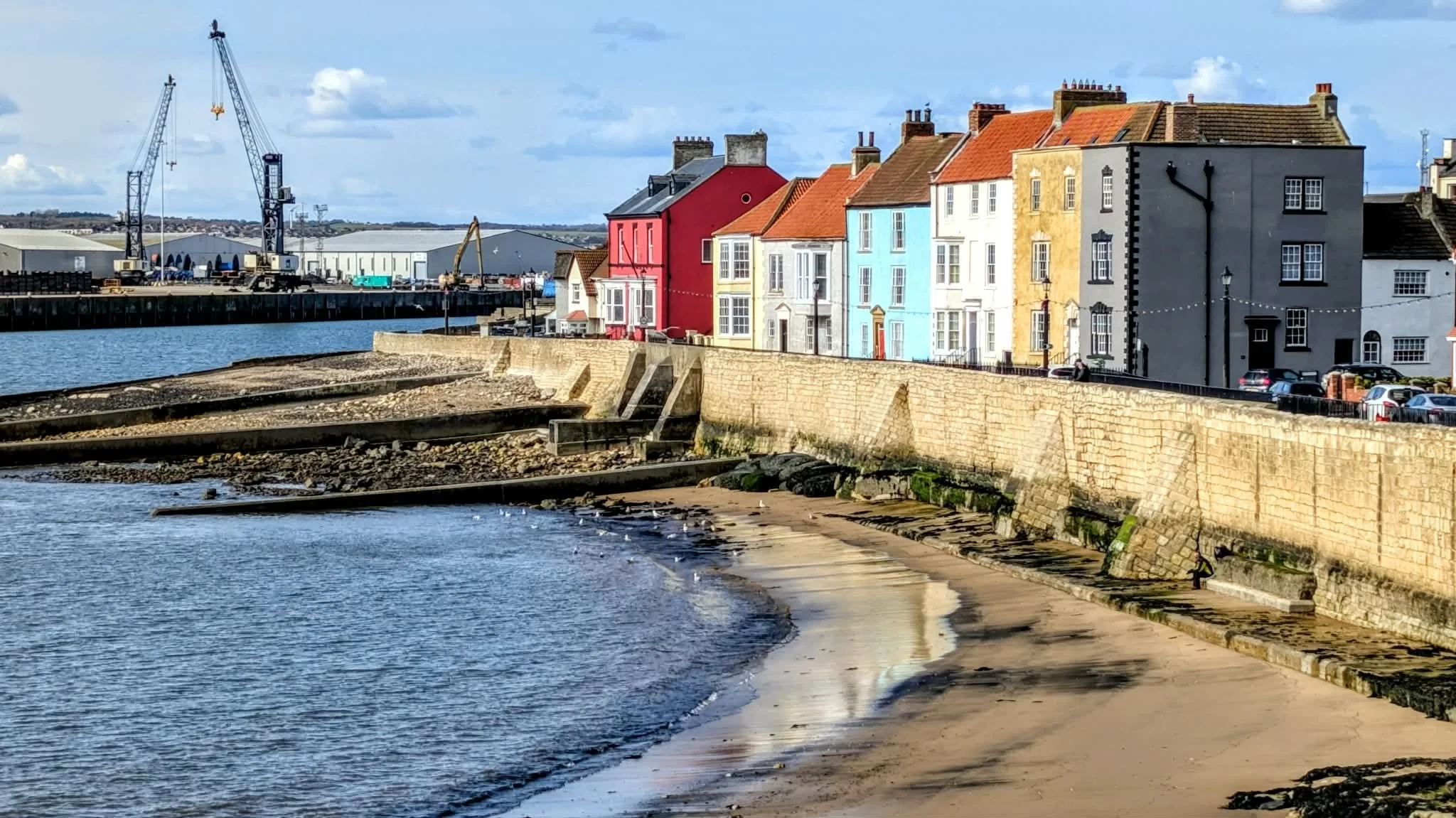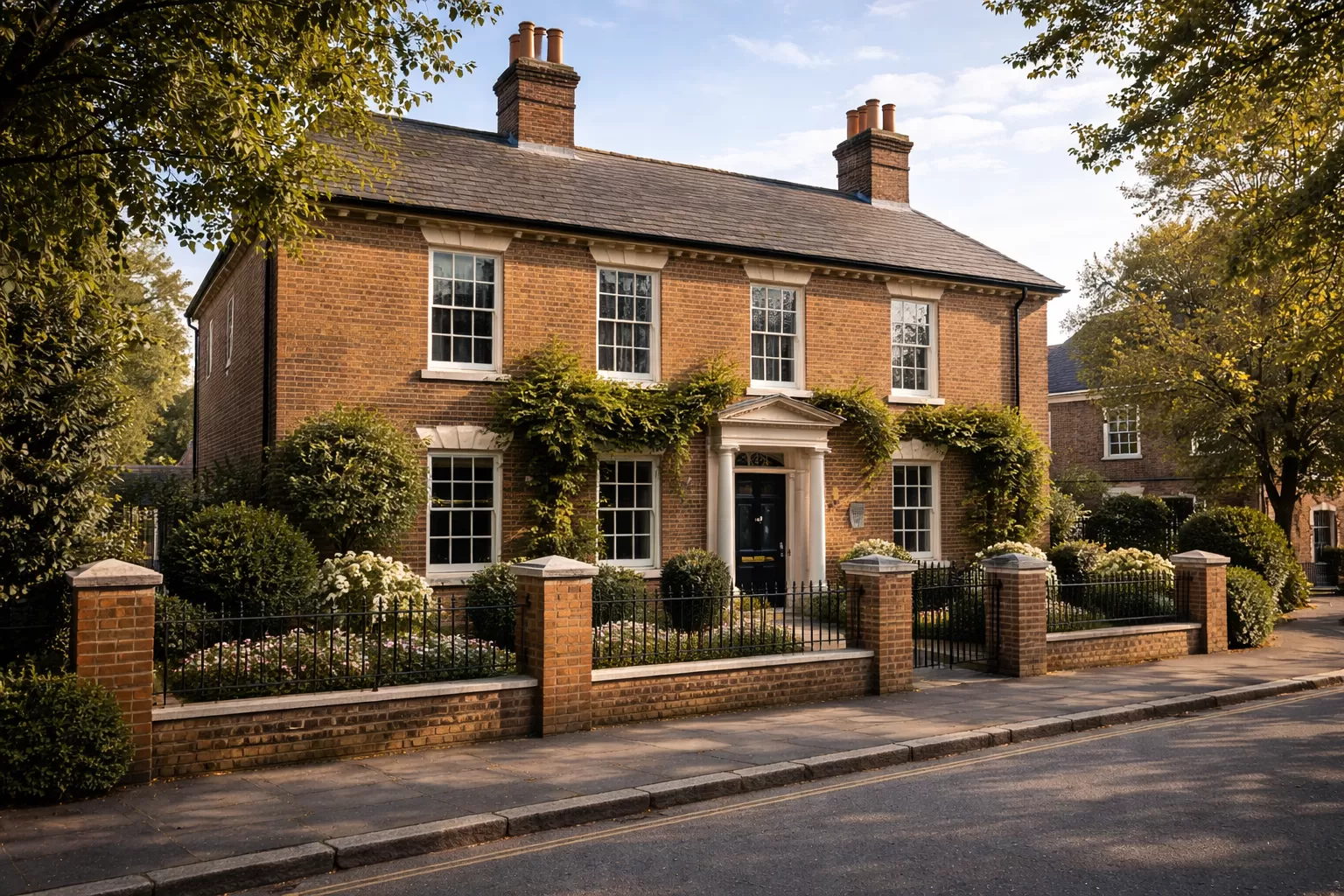
A Grade II listed property in the United Kingdom is a building officially recognised for its special architectural or historic interest and protected under national heritage law. Owners can buy, sell, and live in these properties, but any alterations that affect the building’s character usually require formal consent from the local planning authority. Because Grade II listings make up the vast majority of listed buildings in the UK, buyers frequently encounter them when purchasing period homes such as Victorian terraces, Georgian townhouses, or historic cottages.
What Is a Grade II Listed Property?
A Grade II listed property is a building placed on the UK’s National Heritage List because it has special architectural or historic significance. The designation means the structure is protected by law, and its defining features must be preserved. Owners are responsible for maintaining the property and must obtain approval before making certain changes, particularly those that affect the building’s appearance, structure, or historical character.
In practical terms, listing does not prevent ownership, renovation, or modern living. Instead, it ensures that historically important buildings are protected for future generations. Many listed homes are privately owned residences, and thousands are bought and sold each year across England, Scotland, Wales, and Northern Ireland.
Grade II is the most common category within the UK’s listing system. It applies to buildings considered nationally important and of special interest. While higher grades exist for exceptional landmarks, the majority of heritage homes that buyers encounter fall into the Grade II category.
Common examples of Grade II listed residential properties include:
- Victorian or Georgian townhouses
- Traditional countryside cottages
- Historic farmhouses
- Converted barns with heritage significance
- Early industrial-era terraces
- Architecturally notable suburban homes
For property buyers, the listing status primarily affects what changes can be made to the building. Internal layouts, fireplaces, staircases, windows, roofing materials, and even paint finishes may fall under protection if they contribute to the building’s historical character.
Understanding what Grade II status means is essential before purchasing such a property. While ownership can be rewarding—often involving distinctive architecture and historical charm—it also involves additional legal responsibilities, maintenance considerations, and planning procedures.
How the UK Listed Building System Works
The UK operates a national heritage protection framework that identifies buildings with architectural or historic importance. Once a property is listed, it becomes subject to conservation regulations designed to prevent inappropriate alteration or demolition.
Buildings are entered onto the official heritage register after being assessed by government heritage bodies. These organisations evaluate factors such as architectural quality, historical relevance, rarity, craftsmanship, and the building’s role in local cultural heritage.
The listing process results in three primary categories that indicate the relative importance of a building. While this guide focuses on Grade II properties, understanding the broader system helps clarify how heritage protection is structured.
Three Main Listing Grades in the UK
The UK listing framework uses a tiered classification system to distinguish buildings of varying significance.
- Grade I: Buildings of exceptional national or international importance, often major landmarks or historic monuments.
- Grade II*: Particularly important buildings with more than special interest.
- Grade II: Buildings of special interest that warrant preservation.
Grade II properties represent roughly 90 per cent of all listed buildings across the country. This category includes many homes that form part of historic streets, rural landscapes, and conservation areas.
Once a property receives listed status, the designation applies to the entire structure, including exterior elements, interior architectural features, and sometimes nearby structures such as walls, gates, and outbuildings. In some cases, objects within the property's historic curtilage—such as old stables or garden structures—may also fall under the listing.
Listing does not necessarily freeze a building in time. Owners can still repair, restore, and sometimes modify the property valuation. However, work that alters the building’s character requires a formal process known as Listed Building Consent.
This approval process ensures that renovations respect the historical significance of the property while allowing owners to maintain the building for modern use.
Who Oversees Listed Buildings
Responsibility for listed building protection is shared between national heritage organisations and local planning authorities. These bodies review applications for alterations, monitor heritage preservation, and provide guidance to property owners.
In England, the heritage register and listing recommendations are maintained by the national heritage authority, while local councils administer permissions and enforcement. Similar systems exist in Scotland, Wales, and Northern Ireland through their respective heritage agencies.
For buyers, this means that any renovation plans should be discussed with the relevant local planning department early in the process. Understanding the regulatory environment helps prevent costly mistakes or unauthorised alterations.
Why Buildings Receive Grade II Listing Status
A building becomes Grade II listed when heritage authorities determine that it has sufficient architectural or historic importance to warrant legal protection. Listing decisions are not based solely on age. Instead, they reflect a combination of design quality, cultural significance, rarity, and contribution to the historic environment.
Many Grade II homes date from the eighteenth and nineteenth centuries, but buildings from the early twentieth century—and occasionally more recent structures—can also receive listing status if they represent notable architectural movements or historically significant design.
Key Factors Considered During Listing Assessment
When heritage authorities evaluate a property for listing, several criteria are considered. These criteria help determine whether the building contributes meaningfully to national or regional heritage.
- Architectural interest: Distinctive design, craftsmanship, or use of notable materials.
- Historic importance: Connections to important historical events, periods, or social developments.
- Age and rarity: Buildings that survive from earlier centuries or represent uncommon construction styles.
- Group value: Properties forming part of a historic street, square, or architectural ensemble.
- Integrity: Structures that retain significant original features.
For example, a Georgian terrace that retains its original façade, sash windows, and interior staircase may qualify for listing due to its architectural integrity and its role in defining the character of a historic neighbourhood.
Similarly, rural farmhouses or converted barns may receive Grade II status because they represent traditional building methods and regional heritage.
What Listing Protects Within a Property
Many buyers assume that listing only protects the exterior appearance of a building. In reality, protection often extends much further. Features that contribute to the building’s historical character—both inside and outside—may fall under legal protection.
These features may include:
- Original staircases and structural layouts
- Decorative plasterwork or ceiling mouldings
- Historic fireplaces and chimney pieces
- Traditional timber beams or framing
- Original windows, doors, and joinery
- Stone walls, gates, and boundary structures
Because these elements are protected, property owners must approach renovations carefully. Even seemingly small changes—such as replacing windows or removing internal walls—may require approval.
Understanding exactly what elements are covered by the listing is a crucial step during property due diligence. Buyers typically review the official listing description and consult the local planning authority to clarify which parts of the building are protected.
This early research helps prospective owners plan renovations realistically and avoid unexpected regulatory barriers.
What Responsibilities Come With Owning a Grade II Listed Property?
Owning a Grade II listed property in the UK involves a legal duty to preserve the building’s historic and architectural character. Unlike standard residential properties, listed buildings are protected under heritage legislation, meaning owners must ensure that repairs, maintenance, and alterations respect the building’s original features and historical value.
Ownership does not mean the building must remain unchanged or unused. Many listed homes are adapted for modern living. However, owners must approach changes carefully, ensuring that any work aligns with conservation principles and receives approval when required.
One of the most important responsibilities is maintaining the property in good condition. Heritage authorities expect listed buildings to be preserved, and neglect that causes deterioration can result in enforcement action from local councils.
Key Legal Obligations for Owners
While everyday property ownership responsibilities still apply, listed buildings introduce additional obligations focused on conservation and historical integrity.
- Preservation duty: Owners must protect the building’s character and prevent avoidable damage.
- Consent for alterations: Changes affecting historic features require formal permission.
- Specialist repair methods: Repairs may need traditional materials and craftsmanship.
- Compliance with conservation guidance: Renovations must follow heritage regulations.
- Responsibility for unauthorised changes: Owners can be liable even if alterations were made by previous owners.
Because responsibility transfers with ownership, buyers should review the property’s renovation history carefully. If previous work was carried out without proper approval, the current owner may be required to correct or reverse the changes.
This is one reason property surveys and legal checks are especially important when purchasing a listed home.
When Do You Need Listed Building Consent?
Listed Building Consent is formal approval from the local planning authority required before making changes that could affect a listed building’s character or historical significance. This requirement applies to many alterations that would normally be permitted in standard homes without planning permission.
The purpose of consent is not to prevent improvements, but to ensure that any changes respect the building’s historic fabric and architectural integrity. Planning officers typically work with conservation specialists to evaluate proposed works.
Types of Work That Usually Require Consent
Many alterations—both inside and outside the building—require approval if they alter protected features or the overall character of the property.
- Replacing original windows or doors
- Removing internal walls or altering layouts
- Installing new extensions
- Changing roofing materials
- Removing fireplaces or historic fittings
- Altering staircases or structural beams
- Installing modern cladding or exterior finishes
Even work that might appear minor can require consent if it affects historically important elements. For example, replacing traditional sash windows with modern alternatives could require approval because the windows contribute to the building’s architectural identity.
Work That Often Does Not Require Consent
Routine maintenance that preserves existing features generally does not require Listed Building Consent, provided it does not alter the building’s character.
- Basic repairs using matching materials
- Repainting previously painted surfaces with similar finishes
- Routine structural maintenance
- General upkeep such as clearing gutters or repairing minor damage
However, because each listed property is unique, owners should consult the local planning authority before starting any work. Obtaining confirmation early helps prevent delays or compliance issues later.
Consequences of Unauthorised Alterations
Carrying out work on a listed building without the required consent is considered a criminal offence under UK heritage legislation. Local authorities have the power to require that unauthorised changes be reversed, which can involve restoring the property to its previous state.
In serious cases, enforcement action may include fines or legal proceedings. For this reason, property professionals strongly advise seeking approval before undertaking any structural or design modifications.
What Buyers Should Know Before Purchasing a Grade II Listed Home
Buying a Grade II listed property can offer unique architectural character and historical value, but the purchase process often requires additional due diligence compared with buying a modern home. Buyers must understand how listing status affects renovations, maintenance responsibilities, and long-term costs.
The purchase itself follows the same legal framework as other UK property transactions. However, surveys, legal checks, and planning considerations become more important when dealing with protected buildings.
Due Diligence Steps for Buyers
Before committing to a purchase, prospective owners should carefully investigate the building’s condition, property listing status, and renovation history.
- Review the official listing entry: This document describes the building’s historical significance and key protected features.
- Commission a specialist survey: Older structures may have hidden structural or conservation issues.
- Check planning records: Verify that past renovations received proper approvals.
- Assess repair needs: Heritage properties may require ongoing restoration work.
- Consult conservation experts: Professionals can explain what changes are realistically achievable.
Buyers planning major renovations should also consider discussing their ideas with the local planning authority before completing the purchase. Early conversations can reveal whether certain alterations are likely to receive approval.
This step is particularly important when buyers intend to extend the property, reconfigure interiors, or modernise historic features.
Costs and Maintenance Considerations for Listed Homes
Maintaining a Grade II listed property often involves higher costs than maintaining a standard home. This is primarily because repairs must preserve historical materials and construction techniques, which may require specialist craftsmen and traditional building methods.
For example, replacing traditional timber sash windows with matching heritage designs is significantly more complex than installing modern prefabricated windows. Similarly, stone masonry repairs, lime plaster restoration, and traditional roofing materials often involve skilled conservation specialists.
Although costs can be higher, many homeowners view them as part of preserving a property with cultural and architectural value.
Typical Maintenance Factors for Listed Buildings
- Use of traditional materials such as lime mortar or natural stone
- Specialist craftsmen for heritage restoration
- Custom fabrication for historic architectural elements
- Extended approval timelines for renovation projects
- Ongoing preservation of historic features
Insurance is another factor buyers should evaluate. While most listed homes can be insured through standard providers, some properties may require specialist policies that account for higher restoration costs in the event of damage.
Energy efficiency improvements can also be more complex in listed buildings. Installing modern insulation, replacing windows, or adding renewable energy systems may require approval to ensure that the building’s historic character is preserved.
Despite these challenges, many homeowners find that listed properties offer unique advantages: distinctive architecture, cultural significance, and homes that stand apart from modern housing developments.
Advantages of Owning a Grade II Listed Property
Although Grade II listed properties involve regulatory responsibilities, many buyers actively seek them because of the architectural character, historical significance, and long-term desirability they offer. These homes often stand out from modern developments, providing distinctive design features and a strong sense of place within historic neighbourhoods.
For buyers interested in heritage homes, listed status can also help protect the surrounding environment. Because alterations are controlled, historic streets and architectural character are more likely to be preserved over time.
Key Benefits of Listed Homes
- Architectural uniqueness: Many listed homes feature craftsmanship, layouts, and materials rarely found in modern construction.
- Historic character: Owners live within buildings that form part of the UK's cultural and architectural history.
- Protected neighbourhoods: Conservation protections help preserve the appearance of historic streets and villages.
- Long-term desirability: Well-maintained heritage properties often remain attractive to buyers seeking distinctive homes.
- Potential access to grants: In certain cases, heritage restoration projects may qualify for conservation grants or specialist funding schemes.
For many homeowners, the appeal of a listed property lies in the combination of historic authenticity and modern usability. With careful restoration and thoughtful upgrades, these homes can offer comfortable living spaces while maintaining their original character.
Common Mistakes Buyers Make With Listed Buildings
While listed properties can be rewarding investments, buyers sometimes underestimate the responsibilities involved. A lack of preparation can lead to unexpected renovation costs, delays in approval processes, or compliance issues with planning authorities.
Understanding the most common mistakes helps buyers approach the purchase process more carefully and avoid complications after moving in.
Frequent Buyer Missteps
- Assuming only the exterior is protected: Many buyers are surprised to learn that interior features may also fall under listing protection.
- Underestimating renovation timelines: Approval processes for heritage properties can extend project schedules.
- Ignoring specialist surveys: Older buildings may have structural issues that standard surveys fail to identify.
- Planning major changes before checking regulations: Some renovations may not receive approval.
- Overlooking maintenance obligations: Historic properties require regular care to prevent deterioration.
Professional advice can help avoid these problems. Solicitors, conservation specialists, and heritage surveyors often play an important role in helping buyers understand the responsibilities associated with listed ownership.
By approaching the purchase with thorough research and realistic expectations, buyers can enjoy the benefits of owning a historic property while avoiding preventable difficulties.
Frequently Asked Questions
Can you renovate a Grade II listed property?
Yes, renovations are allowed, but any work that affects the building’s character typically requires Listed Building Consent from the local planning authority. Routine maintenance that preserves existing features usually does not require approval.
Can you change the interior of a Grade II listed house?
Interior alterations may require permission if they affect historically significant features such as staircases, fireplaces, structural layouts, or decorative elements. Because many interior features contribute to the building’s character, approval is often required before making structural changes.
Do Grade II listed properties cost more to maintain?
Maintenance costs can be higher than those of modern homes because repairs often require traditional materials and specialist craftsmen. However, the exact cost depends on the building’s age, condition, and the extent of restoration needed.
Is it harder to sell a Grade II listed property?
Selling a listed home generally follows the same process as selling any residential property. While some buyers may be cautious about renovation restrictions, others actively seek listed buildings for their historical value and architectural character.
Can you extend a Grade II listed house?
Extensions may be possible, but they typically require both planning permission and Listed Building Consent. Authorities assess whether the proposed extension preserves the historic character of the building and surrounding environment.
Do listed buildings qualify for special grants?
In some circumstances, conservation grants or heritage funding programmes may be available to support restoration or preservation projects. Availability varies by location and depends on the building’s condition and significance.
Key Takeaways
- Point 1: A Grade II listed property is a building recognised for special architectural or historic interest and protected under UK heritage law.
- Point 2: Listing does not prevent ownership, renovation, or sale, but certain alterations require Listed Building Consent.
- Point 3: The majority of listed buildings in the UK fall within the Grade II category.
- Point 4: Buyers should review the official listing description, conduct specialist surveys, and verify past renovations before purchasing.
- Point 5: Maintenance may involve traditional materials and specialist skills, which can affect renovation timelines and costs.
- Point 6: With proper care and planning, Grade II listed homes offer distinctive architecture and long-term cultural value.
References
- UK Listed Building legislation and heritage protection guidance.
- National heritage listing documentation and building classification frameworks.
- Local planning authority conservation guidance for listed buildings.
- Historic building conservation and restoration practice guidelines.
- UK residential property regulations related to heritage structures.