Buy a Property in Croatia: Legal Requirements and Market Trends
Apr 29, 2026
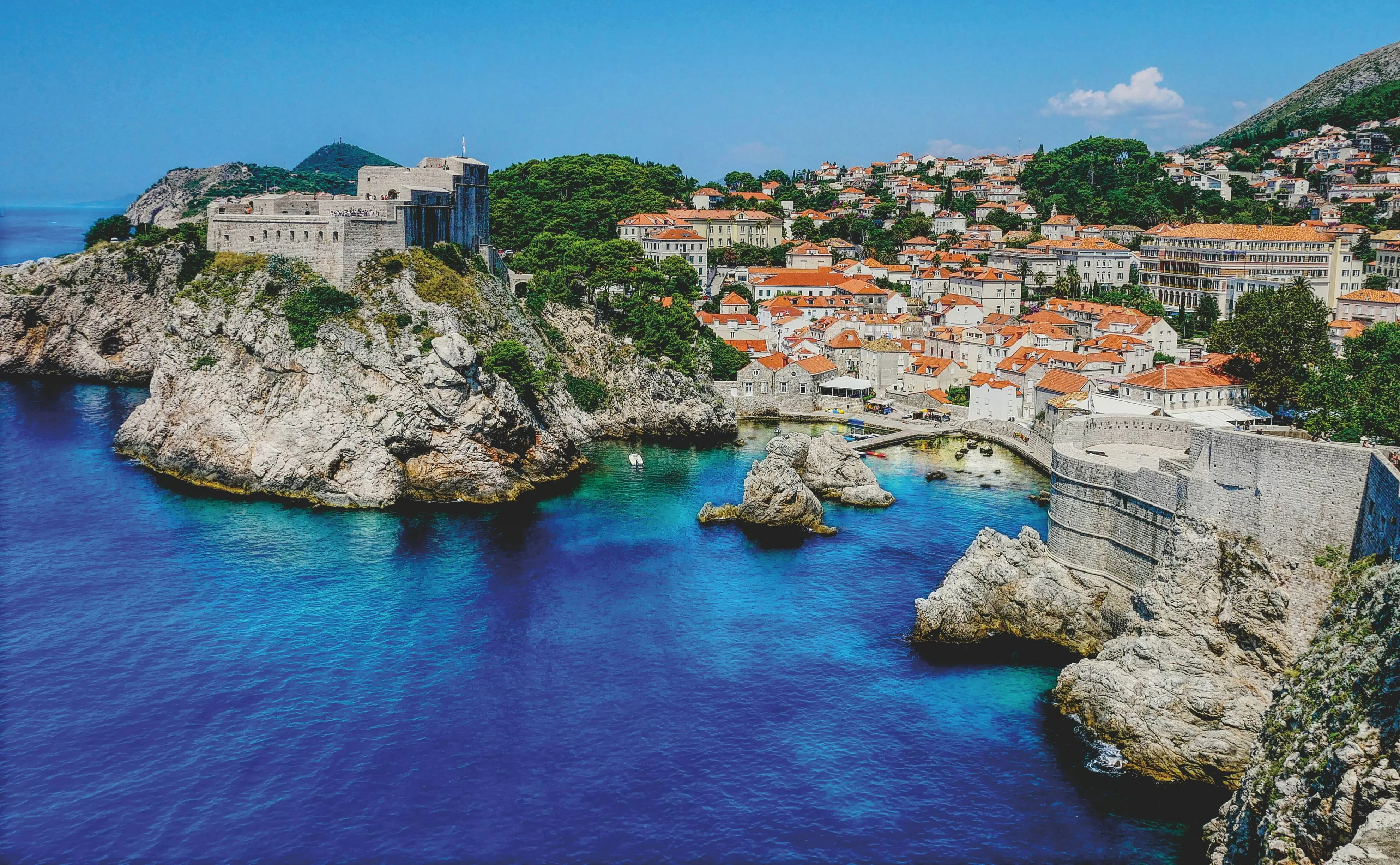
Buying a property in Croatia feels like unlocking a part of the Adriatic. Stone villages, olive groves, sunlit terraces, and the clink of café cups, it’s romantic, but it’s also a serious investment. If you’re thinking of buying here, you need the facts, not the postcard.
This guide strips away the fluff. It focuses on clear steps about legal requirements, practical market trends, and numbers you can actually use. Real-world insights will help you decide where and when to buy.
You’ll learn who can buy what, what permissions and taxes you need to handle, which areas are performing well, and what market signals to watch. The aim is to make this process simple, clear, and realistic.
No waffle. Just honest, usable advice written like you’re talking to someone who’s done it before.
Who Can Buy Property in Croatia
When you are a European Union or European Economic Area citizen, it is easy to purchase property in Croatia. The citizens of these areas tend to have equal opportunities like the natives, in terms of real estate ownership.
In case you are not an EU citizen, you will be required to seek the approval of the Ministry of Justice before the purchase. This is primarily necessary in houses, apartments, or pieces of land. Agricultural land and woodland are also limited and cannot be readily sold to foreigners.
The process of approval does not involve a very complicated procedure and may take several months. A decent Croatian attorney would be able to take the paperwork of the matter and would make everything in order.
The rule of thumb is simple. The EU nationals can make purchases with minimal hassle, whereas the non-EU citizens require processing and waiting to be granted permission before the purchase is completed.
Taxes and Fees to Expect
When you buy a property, the taxes and transaction costs can affect your overall return. The most important one is the Real Estate Transfer Tax, which is three per cent of the higher value between the sale price and the official market valuation.
For new builds purchased directly from developers, Value Added Tax usually applies instead of the transfer tax. You’ll need to confirm with your agent or lawyer which one applies to your purchase.
Costs must also be incurred continuously, such as municipal utility bills, property taxes, and insurance. Maintenance and management charges should also be added in case you intend to rent out your house. Croatia has just changed its property taxation policies; therefore, be sure you are using up-to-date policies.
Always figure your total price and not only the price on the listing. Most of the first-time purchasers overlook legal costs, notary charges and repair.
Market Prices and Trends
The housing market in Croatia has remained very stable, as the rest of Europe grapples with the economic crisis. In fact, since 2016, prices of houses have gradually increased, particularly in the large cities and coastal regions. By the beginning of the year 2024, a new house in Croatia would cost greatly depending on its location, yet the average price was 2000-2800 euros per square meter.
Zagreb is still the most vibrant city market, where there is a great demand for flats in the city. Istria, Split, and Dubrovnik are some of the attractive coastal places that are pulling in foreign buyers, especially those who want to invest in holiday rentals or buy a home for their retirement.
Price increases are not substantial everywhere. At the beginning of 2025, the number of transactions had fallen while prices kept going up in most areas. It indicates that fewer sales are being made, but properties are sold at higher values. The trend points towards a market with a high demand for a certain type of home that is well-located.
The Impact of Tourism
One of the major contributors to the changes in the housing market in Croatia is tourism. As a result of the country's ever-rising number of tourists, it manages to attract year after year, the demand for short-term rentals as well as for properties located along the coast is increasing.
In case you are planning to make money from property rental, think first of the tourist season, which is very evident in the tourism industry. Actually, a beach property can generate a lot of money during the summer months when it can be rented at full capacity, but during the off-season, very few people will stay there.
Though tourism can increase the profitability of your investment, it also brings along additional regulations and risks.
Where to Look for the Best Opportunities
Your location selection should be based on what your goals are — lifestyle, long-term growth, or rental returns.
Zagreb is the best choice for demand all year round, thus providing a steady rental market and modern facilities. It is perfect for those who want to get their money’s worth in the long run and have stability.
Istria, the northern region, is very attractive to foreign buyers due to its combination of the sea and the mountains. It has good infrastructure, a strong expat community, and a steady buyer interest.
The Dalmatian Coast, which includes Split, Šibenik, and the islands around them, is the right place to buy a holiday home and get a high rental income in the summer. However, it is very much dependent on the season.
The smaller towns that are located inland might be cheaper and have the potential to grow in the long run as more people get involved in remote work. But the liquidity is low, and you may have to wait for a while before you can resell.
If buying, try to visit during both the high and low seasons. The difference will indicate to you what life and the rental potential actually look like throughout the year.
The Legal Buying Process
- Croatia has a gradual legal procedure in the purchase of real estate. Missing one step will result in massive delays.
- First, locate a property that suits you and inquire who the owner is by using the cadastral map.
- Ask a lawyer to review the deed to identify any debts or conflicts.
- Agree in principle and usually make a deposit.
- Due diligence will be done by your lawyer, including checking permits, boundaries, and property values.
- This is because, unless you are a citizen of the EU, you are not allowed to proceed without permission from the Ministry of Justice.
- After you do all the approvals, sign the final contract before a notary.
- Get the taxes paid, and have your ownership registered in the land registry.
- Do not finalise the full payment until all the legal checks and notarization are completed.
Mortgages and Financing Options
Foreigners can get a mortgage in Croatia; however, banks usually ask for a bigger down payment for people who live outside of the country. There are a lot of cases where loans are given in euros, which removes the risk due to currency fluctuation, as Croatia has become a member of the eurozone.
In case you are buying with cash, it is better that the money is transferred via official banking channels and is in accordance with anti-money laundering regulations. These are normal steps and are included in every lawful transaction.
Interest rates are quite attractive when compared with other European countries, but a loan condition can be different from one bank to another, so you should do a thorough bank comparison before making a decision.
Renting Out Your Property
Would you rent out your property? In such a case, you must be registered with the tax authorities. In addition, in some municipalities, you may need to receive the green light from your local tourism office.
The rental returns are the most significant next to the sea, during the peak season. In contrast, the properties that are situated inland generate more stable, but lower, returns.
Conducting a purchase in Croatia is a gradual, lawful procedure. If you overlook only one stage, it may require a lot of time to rectify the error, and therefore it is a matter of great importance to comprehend every phase.
Common Risks to Watch
Croatia is undeniably charming, and it is easy to get caught up in it, but there are risks associated with property investing that need to be taken seriously.
For example, things can take longer than you expect if you are not a citizen of the EU because of the required approvals. There may also be hidden encumbrances tightly wrapped around properties, unpaid taxes, or fuzzy boundary lines that can become problematic. Changes in policies around taxes or rental laws can also affect your return on investment.
Tourism is the main driver of demand, but it also brings volatility. The market is very active during the summer, and there is less activity in the winter. Liquidity can be limited for less attractive properties, in particular, those that are located far from the coast.
most secure way is to have a trustworthy attorney on your side, be well-informed about the recent local legislation, and figure out your finances using cautious estimates.
A Quick Pre-Purchase Checklist
First of all, make sure that you meet the requirements by nationality before signing anything. Find out if your real estate is liable for VAT or the three per cent transfer tax. Confirm the ownership of the title via the land registry and, at the same time, make sure there are no mortgages or liens on the property.
Besides, it is recommended that you visit the property at least once out of the peak season to see how the place looks when there is no tourist activity.
Hire a professional to give you a valuation of the property. This will not only enlighten your decision but will also be a way of fair taxation.
At last, be certain that your deal is signed in front of a notary and then, take the registration to be completed without delay.
Final Thoughts
Purchasing a home in Croatia is a lovely mix of sentiment and rationality. The pictures can sell themselves, but the actual key is getting prepared.
The market is still going up in value, in particular along the coast and in Zagreb, but the highest profits are made by those buyers who comprehend the legal procedure, taxation, and the effect of the tourism sector.
Croatia is intentionally managing its skyrocketing tourism while ensuring the availability of housing for the local people. This means that investors have to stick to the rules very closely; however, the promise is still there for those who are doing it the right way.
Basically, Croatia is a place where you, the buyer, are rewarded when you are careful and well-informed. Study the market yourself, get help from reliable professionals, and purchase with your eyes wide open.