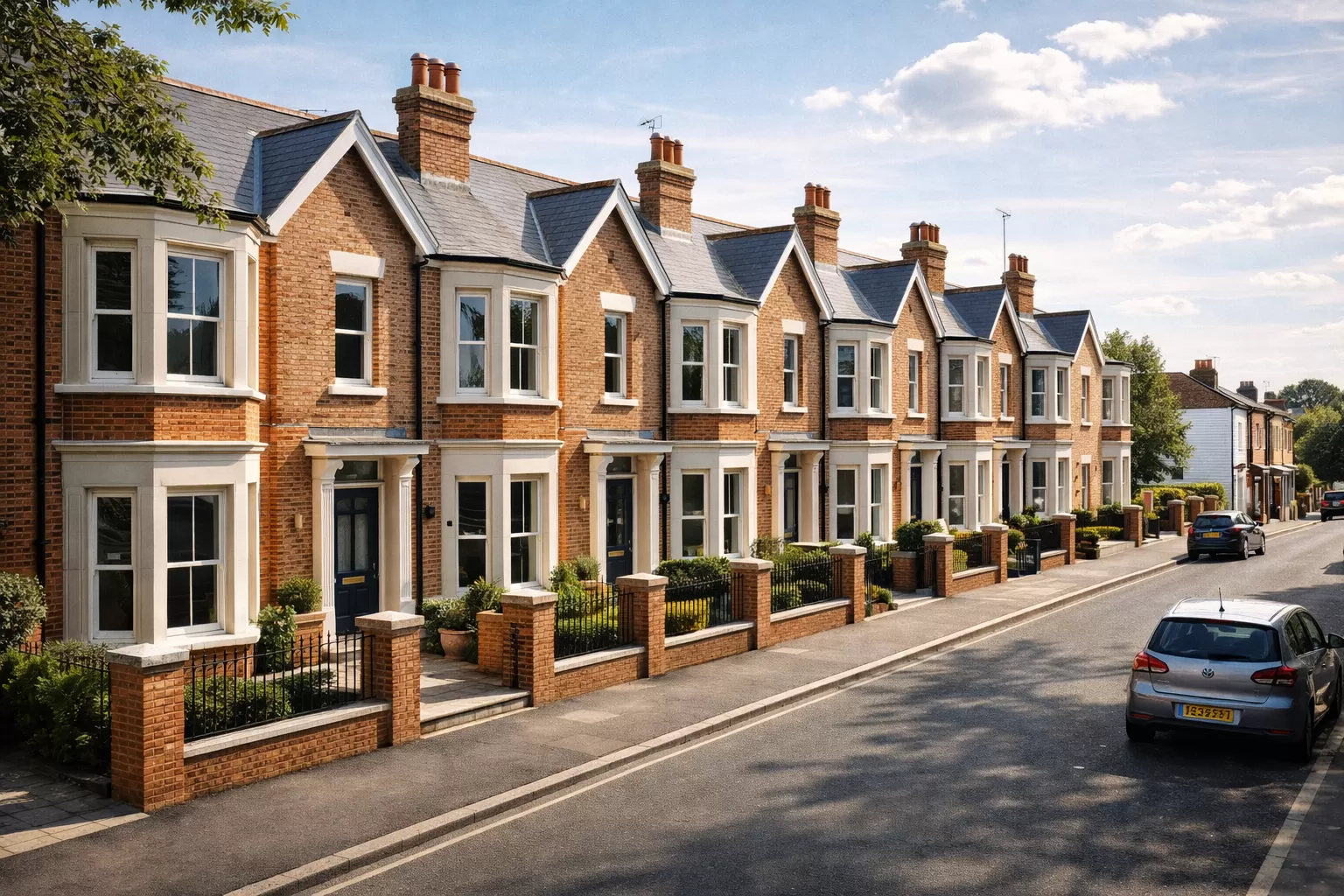
A turnkey property in the UK is a fully completed, ready-to-live-in or ready-to-rent home that requires little or no additional work before occupation. The property is typically sold with all essential installations finished—such as kitchens, bathrooms, flooring, utilities, and sometimes furnishings—so buyers or investors can move in or start generating rental income immediately. Turnkey properties are particularly attractive to first-time buyers, overseas investors, and landlords who want a simplified property purchase without renovation delays. However, while the convenience is appealing, turnkey properties can involve higher upfront prices, varying build quality, and reliance on the developer or provider’s claims about readiness and rental performance.
Understanding how turnkey properties work in the UK property market is essential before purchasing one. Buyers should know what “turnkey” actually includes, how these homes differ from new builds or refurbished investment properties, and what risks or legal considerations may apply. The following guide explains the meaning of turnkey property in the UK, how these investments function, and what buyers should evaluate before committing.
What Is a Turnkey Property in the UK?
A turnkey property in the UK refers to a home that is fully completed and immediately usable without renovation or installation work. The term “turnkey” comes from the idea that the buyer only needs to turn the key in the door to start using the property. These homes are delivered ready for occupation, with essential systems and fixtures already installed.
In practical terms, turnkey properties are most commonly associated with:
- Newly built homes sold fully finished by developers
- Refurbished properties prepared specifically for rental investors
- Investment properties packaged with property management services
- Homes sold fully furnished for immediate occupancy
The concept is particularly common in buy-to-let investment markets where investors want properties capable of generating rental income immediately after purchase. In these cases, the turnkey package may include renovation, furnishing, and tenant placement arranged by a property investment company.
However, the meaning of “turnkey” is not legally standardised in the UK. This means the level of completion can vary significantly between sellers or developers. Some turnkey properties include only structural completion and fixtures, while others include full furniture packages, management services, and even pre-arranged tenants.
Because of this variation, buyers should always confirm exactly what is included in the turnkey offering before purchasing.
How Turnkey Properties Work in the UK Property Market
Turnkey properties are usually delivered through one of three common structures in the UK property market: developer-built homes, refurbished investment properties, or packaged property investment opportunities. Each model follows a slightly different process but shares the same core concept—delivering a property that is ready for immediate use.
Developer-Built Turnkey Homes
Many new build developments effectively function as turnkey properties. The developer completes construction, installs kitchens and bathrooms, finishes flooring, and ensures all utilities are connected before selling the property. Buyers receive a fully finished home ready for immediate occupation.
This model is common in residential developments marketed to owner-occupiers or first-time buyers.
Refurbished Turnkey Investment Properties
Some turnkey properties are older homes that have been renovated specifically for property investors. A developer or property investment company purchases a distressed or outdated property, completes refurbishment work, and sells it as a ready-to-rent asset.
These properties may include upgrades such as:
- New kitchens and bathrooms
- Updated electrical and plumbing systems
- Fresh decoration and flooring
- Compliance with landlord safety regulations
The goal is to provide an income-producing property with minimal preparation required by the investor.
Fully Packaged Property Investment Deals
Some companies offer turnkey investment packages that include more than just the property itself. These packages may combine refurbishment, furnishing, tenant sourcing, and ongoing management.
In these arrangements, investors often purchase properties remotely—sometimes without visiting the property in person—while the provider manages the preparation and rental process.
While this approach can simplify property investment, it also requires careful due diligence to verify renovation quality, tenant demand, and realistic rental income expectations.
What Is Typically Included in a Turnkey Property?
Although the exact features vary between sellers, most turnkey properties in the UK include the core elements required to make the home immediately habitable or rentable. These components eliminate the need for additional renovation work before occupancy.
Common inclusions in turnkey properties often cover:
- Fully installed kitchen units and appliances
- Completed bathroom installations
- Flooring and interior decoration
- Connected utilities such as electricity, water, and heating
- Compliance with building regulations
- Safety certificates where required
Some turnkey investment properties also include optional additions designed to accelerate rental readiness.
- Furniture packages
- White goods such as washing machines or refrigerators
- Tenant sourcing services
- Property management arrangements
However, buyers should verify whether these extras are included in the purchase price or sold as optional upgrades. A property described as “turnkey” may still require additional purchases or services before it is fully rental-ready.
Reviewing the property specification, sales contract, and completion checklist is essential to confirm the level of completion promised by the seller.
Who Typically Buys Turnkey Properties in the UK?
Turnkey properties appeal to several categories of buyers because they simplify the property purchase and preparation process. By removing the need for renovation or installation work, these homes allow buyers to focus on ownership, occupancy, or rental income.
The most common turnkey property buyers include:
Buy-to-Let Investors
Property investors often favour turnkey properties because they reduce the time required to start generating rental income. A refurbished property that already meets rental standards can be advertised to tenants immediately after purchase.
Overseas Property Investors
International buyers frequently choose turnkey investments because managing renovations remotely can be difficult. A completed property with management services reduces logistical challenges.
First-Time Buyers
Some first-time buyers prefer turnkey homes because they eliminate renovation stress. Moving into a completed home allows buyers to focus on settling in rather than coordinating contractors or renovations.
Landlords Expanding Their Portfolio
Experienced landlords sometimes purchase turnkey properties when they want to expand quickly without managing refurbishment projects themselves.
However, while turnkey properties offer convenience, buyers should still approach them with the same level of investigation applied to any property purchase. Structural quality, location, pricing, and long-term value remain critical considerations.
Benefits of Buying a Turnkey Property
The primary appeal of turnkey properties is convenience. Because the property is already finished and ready to use, buyers avoid the time, uncertainty, and coordination required for renovation or refurbishment projects.
For many buyers, this convenience translates into practical advantages.
Immediate Occupancy or Rental Income
Turnkey homes can usually be occupied or rented immediately after completion. Investors may begin marketing the property to tenants without waiting for renovation work to finish.
Reduced Renovation Risk
Renovation projects often involve unexpected costs, delays, and contractor management. Turnkey properties remove most of these risks because the work has already been completed before purchase.
Simplified Purchase Process
Buying a property that is already finished can make the overall buying process simpler. Buyers do not need to arrange construction budgets, planning permissions, or renovation schedules.
Predictable Initial Costs
Because the property is sold fully completed, buyers typically know the purchase price and basic setup costs from the beginning. This can make financial planning easier compared with refurbishment projects, where final costs are uncertain.
Despite these advantages, turnkey properties are not automatically the best option for every buyer or investor. Pricing structures, developer quality, and local market conditions can significantly influence whether a turnkey property represents good value.
What Are the Risks of Buying a Turnkey Property?
Turnkey properties offer convenience, but buyers should understand the potential risks before committing to a purchase. Because the property is marketed as ready for immediate use, some buyers assume that every aspect of the home has been completed to a high standard. In reality, the quality, pricing, and investment performance of turnkey properties can vary widely.
The most common risks involve pricing transparency, renovation quality, and reliance on third-party providers who prepared the property for sale.
Higher Purchase Prices
Turnkey properties are often priced higher than comparable homes that require renovation. Developers and investment providers include refurbishment costs, project management, and profit margins in the final sale price. As a result, buyers may pay a premium for the convenience of avoiding renovation work.
In some cases, investors purchasing turnkey rental properties may find that the price already reflects anticipated rental demand, leaving less room for capital growth.
Variable Renovation Quality
Not all refurbishment work is completed to the same standard. Some turnkey properties are renovated quickly to maximise profit margins, which can result in cosmetic improvements that hide underlying structural issues.
Examples of potential issues include:
- Low-quality materials used during refurbishment
- Electrical or plumbing work that requires future upgrades
- Insufficient insulation or energy efficiency improvements
- Cosmetic decoration covering structural defects
A professional property survey remains essential even when a property is marketed as fully renovated.
Overstated Rental Returns
Some turnkey investment providers promote expected rental income or yield projections when marketing properties to investors. These projections may rely on optimistic assumptions about tenant demand, rent levels, or occupancy rates.
Buyers should independently verify local rental market conditions, comparable rental listings, and long-term tenant demand before relying on projected returns.
Limited Customisation
Turnkey homes are already finished when sold, which means buyers usually have little opportunity to customise layouts, finishes, or materials. While this may not matter for investors, owner-occupiers may prefer homes where they can choose their own finishes.
Understanding these risks does not mean turnkey properties should be avoided. It simply highlights the importance of conducting the same level of due diligence required for any property purchase.
Turnkey Property vs New Build vs Fixer-Upper
Turnkey properties are sometimes confused with other property types in the UK market. While there is overlap between categories, each option involves different levels of preparation, risk, and buyer involvement.
Understanding these distinctions helps buyers decide which type of property best fits their goals.
Turnkey Property
A turnkey property is delivered fully completed and ready for immediate use. It may be newly built or recently refurbished, but the defining feature is that no additional work is required before occupancy or rental.
New Build Property
New build homes are newly constructed properties sold directly by developers. Many new builds are effectively turnkey because they are completed before handover, but some developments may still require buyers to install flooring, appliances, or finishes.
In those cases, the property is technically new but not fully turnkey.
Fixer-Upper Property
A fixer-upper is a home that requires renovation or repair before it becomes comfortable to live in or suitable for rental. These properties often sell at lower prices but require additional capital investment and project management.
Investors sometimes prefer fixer-uppers because renovation can increase property value, but this approach involves greater complexity and risk compared with turnkey investments.
The main difference lies in how much work the buyer must complete after purchasing the property.
Legal Checks Before Buying a Turnkey Property in the UK
Purchasing a turnkey property still involves the same legal responsibilities and checks as any other property transaction in the UK. Buyers should ensure that the property complies with building regulations, ownership documentation is valid, and no legal issues affect the title.
Because many turnkey properties are recently built or recently refurbished, verifying compliance with regulatory standards is particularly important.
Title and Ownership Verification
A conveyancing solicitor should confirm that the seller has clear legal ownership of the property and that no restrictions are preventing the transfer of ownership. Title checks also confirm whether the property is freehold or leasehold and identify any charges or rights affecting the land.
Planning Permission and Building Regulations
If the property has been recently renovated or extended, the work should comply with UK planning permission rules and building regulations. Buyers should request documentation confirming that any structural changes were approved and inspected.
Energy Performance Certificate (EPC)
All residential properties sold in the UK must provide a valid Energy Performance Certificate. For rental investors, EPC ratings are especially important because minimum energy efficiency standards apply to rented properties.
Safety Certification for Rental Properties
Investors purchasing turnkey rental homes should confirm that the property complies with landlord safety requirements, including electrical safety checks, gas safety certification where applicable, and smoke or carbon monoxide alarms.
These checks ensure the property is legally ready to be rented without additional compliance work.
Financial Considerations and Hidden Costs
Although turnkey properties simplify the renovation process, buyers should carefully evaluate the total financial commitment involved in the purchase. The purchase price alone does not represent the full cost of acquiring and operating a property.
Several additional financial factors should be considered before committing to a turnkey purchase.
Stamp Duty Land Tax
Most property purchases in England and Northern Ireland are subject to Stamp Duty Land Tax. The amount payable depends on the purchase price and whether the buyer already owns other properties.
Buy-to-let investors typically pay higher stamp duty rates due to the additional property surcharge.
Furniture Packages
Some turnkey properties are marketed with optional furniture packages designed for rental use. These packages may include beds, sofas, appliances, and décor. While convenient, they can significantly increase the total investment cost.
Property Management Fees
If the turnkey property includes management services, ongoing property management fees will apply. These fees are usually charged as a percentage of monthly rent.
Investors should calculate expected net income after deducting management fees, maintenance costs, and potential vacancy periods.
Maintenance and Repairs
Even newly renovated properties require maintenance over time. Boilers, appliances, and fixtures eventually need servicing or replacement. Buyers should plan for ongoing maintenance costs when calculating the long-term affordability of a property.
Common Mistakes Buyers Make With Turnkey Properties
Many buyers are attracted to turnkey properties because they promise a simple path to property ownership or rental income. However, some buyers overlook important details when evaluating these properties.
Avoiding the following mistakes can help buyers make better investment decisions.
Assuming “Turnkey” Means Perfect Condition
The term “turnkey” simply indicates that the property is ready to use. It does not guarantee premium construction quality or long-term durability. Buyers should still commission an independent survey to identify any defects.
Failing to Research the Local Market
Some investors purchase turnkey properties without fully analysing the local property market. Rental demand, property values, and economic conditions vary widely between locations, even within the same city.
Researching comparable sales and rental listings helps determine whether the property price reflects realistic market conditions.
Relying Solely on Marketing Materials
Marketing brochures and investment presentations often highlight best-case scenarios. Buyers should verify all claims independently, including renovation quality, rental estimates, and management services.
Skipping Professional Advice
Property purchases involve legal, financial, and structural considerations. Working with a conveyancing solicitor, surveyor, and independent financial adviser can help buyers identify potential risks before completing the purchase.
How to Evaluate a Turnkey Property Before Buying
Evaluating a turnkey property requires the same level of due diligence as any other property purchase. Although the home may appear ready for immediate use, buyers should independently verify the property's condition, market value, and long-term viability before committing to the transaction.
A systematic evaluation process helps buyers confirm whether the property truly delivers the convenience and value expected from a turnkey investment.
Verify the Property Specification
The first step is confirming exactly what the seller includes in the turnkey package. Some properties include only essential fixtures and finishes, while others include furniture, appliances, and management services.
Buyers should review the official specification document provided by the developer or seller to confirm:
- Which fixtures and appliances are included
- Whether furniture is included or optional
- Whether tenant placement services are included
- Whether property management services are offered
This documentation helps ensure there is no misunderstanding about what the purchase price actually covers.
Commission an Independent Property Survey
Even if a property has recently been renovated or newly built, a professional survey remains essential. Independent surveyors can identify structural issues, unfinished work, or substandard materials that may not be visible during standard viewings.
A survey also confirms whether the property complies with building standards and whether any repairs or maintenance issues are likely to arise in the near future.
Analyse Local Rental Demand
Investors purchasing turnkey rental properties should assess whether tenant demand in the area supports the expected rental income. This analysis should include reviewing local rental listings, vacancy rates, and average rent levels for similar properties.
Understanding the local rental market helps investors determine whether projected rental returns are realistic.
Assess the Developer or Provider’s Reputation
If the turnkey property is being sold by a developer or investment provider, researching their reputation is important. Buyers should examine previous projects, customer reviews, and evidence of completed developments.
Experienced developers with a track record of delivering quality properties tend to present lower risk than unfamiliar providers.
Are Turnkey Properties a Good Investment in the UK?
Turnkey properties can be a practical investment option in the UK property market, particularly for investors who prioritise convenience and speed over renovation-driven value increases. However, their suitability depends on the buyer’s goals, risk tolerance, and investment strategy.
For some investors, turnkey properties provide a straightforward way to enter the rental market without managing construction projects or refurbishment work.
Advantages for Investors
Turnkey investments allow landlords to begin renting out a property almost immediately after purchase. This can reduce vacancy periods and eliminate the delays associated with renovation projects.
Additional advantages include:
- Minimal preparation time before renting
- Reduced renovation management responsibilities
- Predictable upfront investment costs
- Faster portfolio expansion for experienced landlords
Limitations Compared With Renovation Investments
Although turnkey properties offer convenience, they may offer less opportunity for investors to increase property valuation through renovation or redevelopment. Investors who prefer value-add strategies often purchase properties that require improvement work.
Turnkey investments are therefore more commonly associated with income-focused strategies rather than aggressive capital growth strategies.
Ultimately, whether a turnkey property represents a good investment depends on local market conditions, property pricing, and the buyer’s long-term investment objectives.
Frequently Asked Questions
What does turnkey mean in UK property?
In UK property terminology, a turnkey home is a property that is fully completed and ready for immediate occupation or rental. Essential installations such as kitchens, bathrooms, flooring, and utilities are already finished, allowing buyers to move in or rent the property without further work.
Are turnkey properties only for investors?
No. While turnkey properties are commonly marketed to buy-to-let investors, they are also suitable for owner-occupiers and first-time buyers who prefer a home that requires no renovation before moving in.
Do turnkey properties include furniture?
Some turnkey properties include furniture packages, particularly when marketed as rental investments. However, furniture is not always included in the base purchase price and may be offered as an optional upgrade.
Are turnkey properties more expensive?
Turnkey properties often cost more than comparable homes requiring renovation because the sale price includes refurbishment costs and developer profit margins. Buyers should compare prices with similar properties in the same area before purchasing.
Should you get a survey on a turnkey property?
Yes. Even when a property is newly renovated or recently built, commissioning an independent survey helps identify potential structural issues, workmanship concerns, or unfinished work that may not be visible during standard viewings.
Key Takeaways
- Definition: A turnkey property in the UK is a fully completed home that can be occupied or rented immediately after purchase.
- Convenience: These properties eliminate the need for renovation or installation work, making them attractive to investors and first-time buyers.
- Variable Scope: The exact features included in a turnkey property vary between developers and sellers.
- Due Diligence: Buyers should still conduct surveys, legal checks, and market research before purchasing.
- Investment Fit: Turnkey properties tend to suit investors focused on immediate rental income rather than renovation-driven value growth.
References
- UK Government Guidance on Property Buying Process
- UK Building Regulations and Residential Construction Standards
- HM Revenue & Customs – Stamp Duty Land Tax Guidance
- UK Landlord Safety Regulations and Rental Property Compliance
- Energy Performance Certificate Requirements for Residential Property