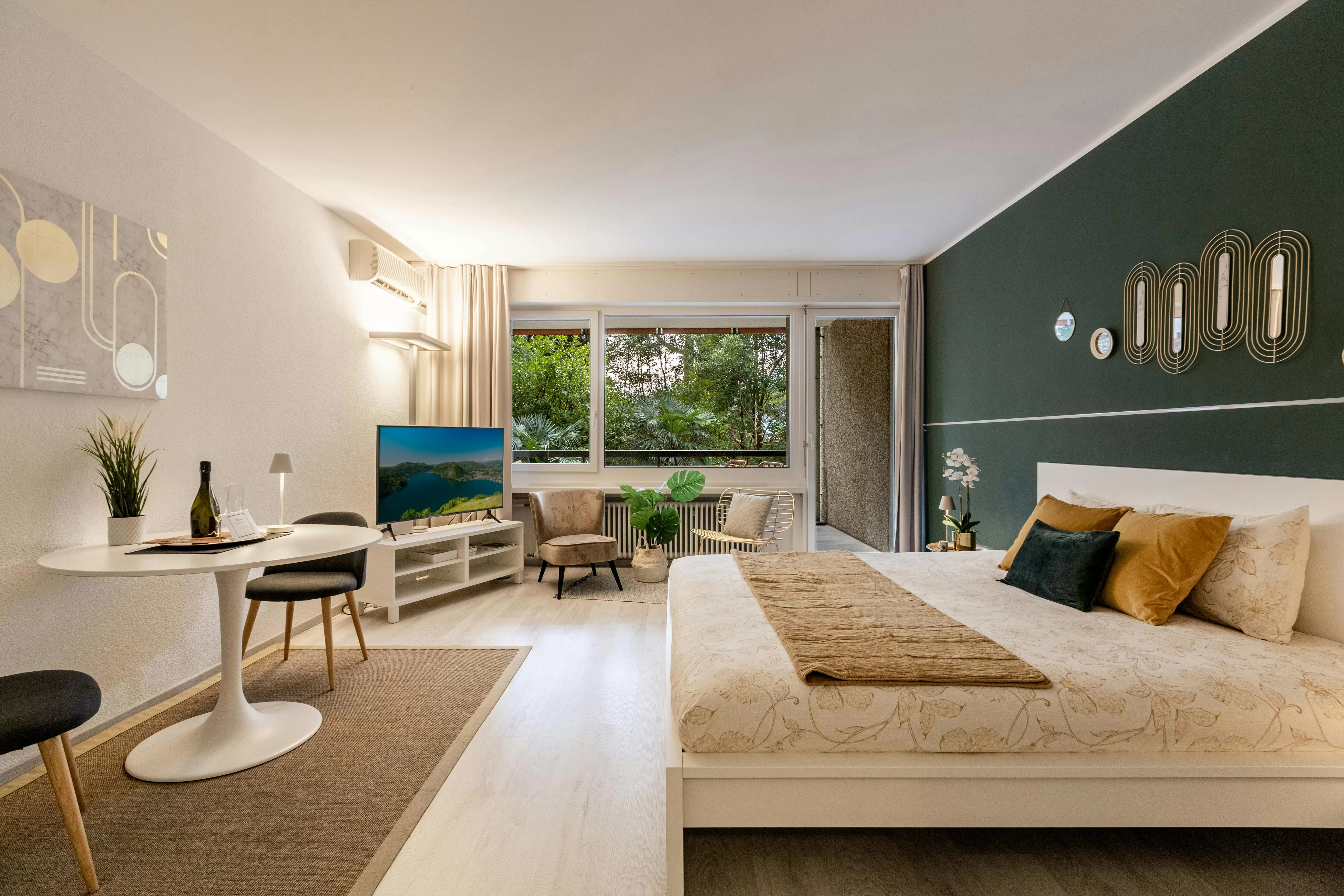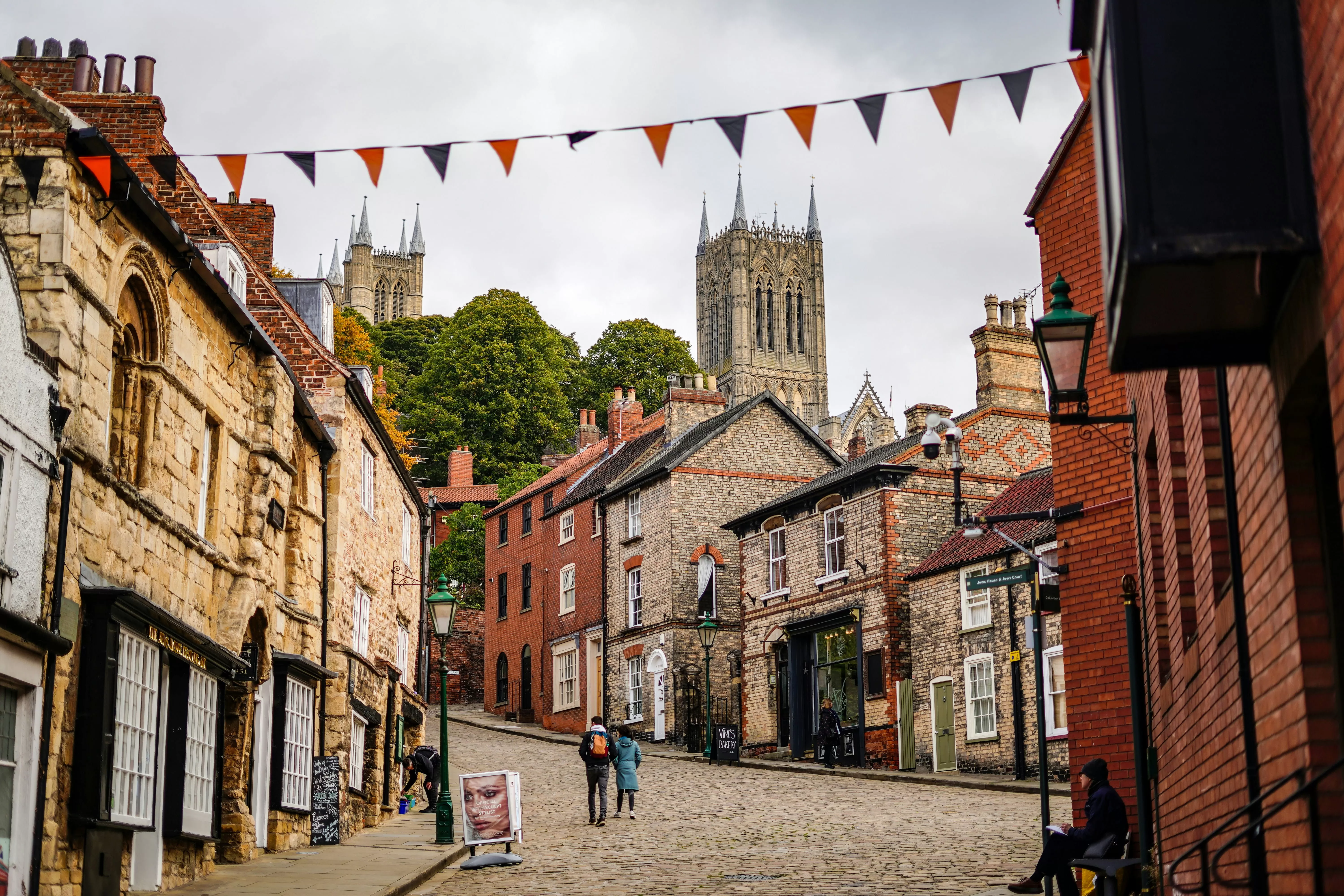
New build properties in Lincolnshire offer buyers modern construction standards, strong energy efficiency ratings, and comparatively lower price points than many southern regions, making them attractive for first-time buyers, families, downsizers, and investors seeking long-term value. From Lincoln and Grantham to Boston, Sleaford, and expanding coastal developments, new housing schemes combine contemporary layouts with warranty protection and predictable maintenance costs. However, buyers must evaluate pricing structures, developer incentives, planning contexts, and resale positioning before committing.
What Are New Build Properties and How Do They Differ from Older Homes?
A new build property is a home that has never been lived in and is typically purchased directly from a developer. These properties must comply with the latest UK Building Regulations, including updated requirements for insulation, ventilation, fire safety, and energy performance. Most come with a structural warranty (commonly 10 years) from providers such as NHBC, LABC Warranty, or Premier Guarantee.
The primary difference between new builds and older homes lies in construction standards, energy efficiency, and layout design. Modern homes are built with higher thermal performance targets, double or triple glazing, and improved airtightness. This usually results in lower heating costs and higher EPC ratings compared to period or mid-20th-century housing stock.
Key Characteristics of New Builds in Lincolnshire
- Energy efficiency: Commonly EPC ratings of A or B in recent developments.
- Modern layouts: Open-plan kitchens, integrated storage, en-suite bathrooms.
- Warranty coverage: 10-year structural protection plus 2-year developer defects period.
- Lower short-term maintenance: New roofs, plumbing, and electrical systems reduce early repair costs.
- Developer incentives: Stamp duty contributions, flooring packages, or deposit boosts (subject to scheme availability).
However, new builds can command a price premium compared to comparable second-hand homes in the same area. Buyers should assess price per square foot, plot positioning, and long-term resale potential rather than focusing solely on incentives.
New Build vs Older Property: Practical Comparison
| Factor | New Build | Older Property |
|---|---|---|
| Energy Efficiency | High (modern insulation & glazing) | Varies; often lower EPC ratings |
| Maintenance | Low initially | May require upgrades or repairs |
| Purchase Price | Often premium over local resales | Typically lower entry price |
| Character Features | Contemporary styling | Period detailing possible |
| Warranty | Yes (structural warranty) | No structural warranty |
For buyers prioritising efficiency, predictable costs, and minimal renovation, new builds offer practical advantages. Those seeking architectural character or larger plot sizes may find stronger value in established housing stock.
Why Is Lincolnshire Experiencing Growth in New Build Developments?
Lincolnshire’s new build growth is driven by affordability, regional regeneration, transport connectivity improvements, and local authority housing targets. Compared to many southern counties, average property prices remain lower, allowing developers to deliver larger homes at price points attractive to both local residents and relocating buyers.
Affordability Compared to National Averages
Lincolnshire consistently reports average property prices below the UK national average. This creates an entry point for:
- First-time buyers priced out of higher-cost regions
- Remote workers relocating from London and the South East
- Retirees seeking lower living costs
- Investors targeting steady rental demand
Towns such as Grantham benefit from rail connections to London King’s Cross, while Lincoln continues to expand as a university and employment centre. These factors support sustained housing demand.
Local Authority Housing Targets
District councils across Lincolnshire, including North Kesteven, South Holland, and East Lindsey, have strategic housing delivery plans. These frameworks allocate land for residential development to meet projected population growth and affordability needs.
New estates are often located on the outskirts of market towns, combining commuter access with proximity to schools, healthcare services, and retail centres.
Infrastructure and Employment Drivers
Economic drivers influencing development include:
- Renewable energy and agri-tech industries
- Defence and RAF-related employment in areas such as Coningsby
- University of Lincoln expansion
- Logistics growth along the A1 and A46 corridors
Where infrastructure and employment increase, residential development typically follows. Buyers should assess planning documents and infrastructure commitments to understand long-term growth patterns around specific developments.
What Types of New Build Homes Are Available in Lincolnshire?
Lincolnshire’s new build market includes starter homes, family houses, executive detached properties, and retirement-focused bungalows. Developments vary from small infill schemes of under 20 units to large master-planned communities exceeding several hundred homes.
Starter Homes and First-Time Buyer Properties
Two- and three-bedroom semi-detached or terraced homes dominate entry-level new build supply. These typically include:
- Open-plan kitchen-dining areas
- Downstairs WC
- Allocated parking
- Private rear gardens
Affordability schemes may be integrated into developments, including shared ownership or discounted market sale units, depending on council requirements.
Family Homes
Four-bedroom detached and larger three-bedroom homes form a significant segment of Lincolnshire’s new build offering. These properties often provide:
- Integral or detached garages
- En-suite master bedrooms
- Energy-efficient heating systems
- Larger plots compared to urban developments in other counties
Suburban areas of Lincoln, Sleaford, and Boston commonly feature this housing type, appealing to growing families.
Bungalows and Retirement-Oriented Housing
Lincolnshire has a comparatively strong bungalow market due to its ageing demographic profile. Single-storey new builds are attractive for downsizers seeking accessibility and reduced maintenance responsibilities.
Specialist retirement developments may include managed services, communal facilities, and age-restricted occupancy conditions. Buyers should review service charge structures and long-term management arrangements before purchase.
Custom and Self-Build Plots
Some Lincolnshire councils maintain registers for individuals seeking self-build or custom-build plots. While not traditional developer-built stock, these opportunities allow buyers to commission bespoke homes within structured planning frameworks.
This route requires greater financial planning and construction oversight but can offer long-term value control and design flexibility.
In summary: Lincolnshire’s new build sector is expanding due to affordability, infrastructure investment, and regional demand shifts. Buyers benefit from modern standards and predictable costs but must carefully evaluate pricing, incentives, and long-term positioning within each development.
How Much Do New Build Properties Cost in Lincolnshire?
New build prices in Lincolnshire typically range from lower entry-level pricing for two-bedroom homes to significantly higher values for large detached family properties. Prices vary by town, developer, plot size, and specification level, but Lincolnshire remains comparatively affordable when measured against many UK regions.
As a general market pattern:
- Two-bedroom homes: Commonly positioned at the lower end of the new build price spectrum.
- Three-bedroom semi-detached: Mid-market pricing, popular with first-time buyers and young families.
- Four-bedroom detached: Higher bracket, often located on larger edge-of-town developments.
Location significantly influences value. Lincoln city developments may command a premium compared to rural South Holland or parts of East Lindsey. Proximity to rail links (such as Grantham) or established school catchments can also influence pricing.
What Drives Price Differences?
| Factor | Impact on Price |
|---|---|
| Town/Location | Commuter towns and city developments often price higher. |
| Plot Position | Corner plots, open views, or non-overlooked gardens may carry premiums. |
| Specification | Upgraded kitchens, flooring packages, and appliances increase cost. |
| Development Phase | Early-phase buyers may secure lower prices than later phases. |
| Developer Incentives | Incentives may offset upfront cost but do not always reduce headline price. |
Buyers should calculate price per square foot and compare it with nearby resale properties. A higher headline price may still represent fair value if energy savings, warranties, and modern layout efficiency are considered.
What Is the Buying Process for a New Build Property?
The new build purchase process differs from buying an existing home because contracts are often exchanged before construction is complete. Buyers must be prepared for defined reservation timelines and staged build progress updates.
Step-by-Step Overview
| Stage | What Happens |
|---|---|
| Reservation | Buyer pays a reservation fee to secure a specific plot. |
| Mortgage Application | Formal mortgage application submitted; valuation arranged. |
| Exchange of Contracts | Typically within 28 days; deposit paid. |
| Construction Period | Property completed; buyer receives updates. |
| Completion | Funds transferred; keys released. |
One critical difference is the “long stop date.” This is the contractual deadline by which the developer must complete the home. Buyers should ensure this clause is clearly defined.
What Is a Snagging Inspection?
A snagging inspection identifies minor defects before or shortly after completion. Common snagging issues include:
- Paintwork inconsistencies
- Door alignment issues
- Silicone seal defects
- Loose fittings
While structural warranties cover major issues, early identification of cosmetic or finishing defects ensures timely correction under the developer’s initial liability period.
What Financial and Legal Considerations Should Buyers Understand?
New build purchases require attention to mortgage validity periods, valuation risks, leasehold terms (where applicable), and estate management charges.
Mortgage Expiry Risk
If construction is delayed, mortgage offers may expire. Buyers should confirm extension policies with lenders, especially for off-plan purchases where build completion may take several months.
Estate Management Charges
Many modern developments include shared green spaces or private roads. Maintenance costs are often recovered through annual estate management fees. Buyers should request:
- Annual charge estimates
- Management company details
- Long-term maintenance obligations
Leasehold vs Freehold
Most houses in Lincolnshire are sold freehold. However, some properties, particularly flats or specific schemes, may be leasehold. Buyers must review:
- Ground rent terms
- Service charge structure
- Lease length
Understanding these costs protects long-term affordability and resale value.
What Are Common Mistakes Buyers Make With New Builds?
The most common mistakes involve overpaying for upgrades, overlooking future resale positioning, and underestimating additional costs.
Frequent Buyer Errors
- Focusing only on incentives: Incentives may not offset a high initial valuation.
- Ignoring plot orientation: Garden direction and parking layout affect long-term desirability.
- Skipping independent legal advice: Developer-recommended solicitors may not always represent buyer interests fully.
- Failing to compare square footage: New builds can vary significantly in internal size.
- Underestimating completion timelines: Delays can affect moving plans and mortgage arrangements.
Careful due diligence ensures that modern design advantages translate into lasting value rather than short-term appeal.
Are New Build Properties in Lincolnshire Good for Investment?
New build properties in Lincolnshire can offer stable long-term investment potential, particularly in towns with transport links, employment growth, and consistent rental demand. However, returns depend on purchase price, financing structure, local supply levels, and tenant profile.
Rental Demand Drivers
Rental demand in Lincolnshire is influenced by:
- University of Lincoln student and staff housing needs
- RAF and defence-related employment in areas such as Coningsby
- Healthcare and public sector employment
- Commuter tenants in Grantham and surrounding villages
Modern homes often appeal to professional tenants seeking energy efficiency and low running costs. For landlords, lower early maintenance expenses can support net yield stability during the initial years of ownership.
Investor Considerations
| Factor | Why It Matters |
|---|---|
| Gross Yield | Measures rental income relative to purchase price. |
| Supply Pipeline | High local development volume may affect short-term rental growth. |
| Tenant Type | Professional tenants often favour new homes with modern layouts. |
| Exit Strategy | Resale demand influences long-term capital growth. |
Investors should review comparable rental listings within the same development and surrounding postcode sectors to avoid overestimating achievable rent.
Do New Builds in Lincolnshire Hold Their Value?
New builds may experience a short-term price adjustment after first occupation, often referred to as the “new build premium.” However, well-located properties in stable markets typically align with wider regional price trends over time.
Factors That Support Value Retention
- Proximity to transport routes such as the A1 and A46
- Strong school catchments
- Established community infrastructure (shops, GP surgeries, schools)
- Balanced development density rather than oversupply
Homes positioned on quieter plots, with favourable garden orientation or open outlooks, often perform better at resale than those facing busy access roads or closely overlooked boundaries.
Energy efficiency may become increasingly relevant as environmental performance standards tighten. Properties with higher EPC ratings could remain comparatively attractive in future resale markets.
Which Areas in Lincolnshire Show Strong New Build Demand?
Demand varies by local economic activity, amenities, and connectivity. Several areas consistently attract attention from buyers and investors.
Lincoln
Lincoln combines university demand, employment opportunities, and retail infrastructure. Suburban developments continue to expand around the city perimeter.
Grantham
Grantham benefits from direct rail services to London, making it attractive to commuters seeking affordability relative to southern counties.
Sleaford and North Hykeham
These towns offer family-oriented housing developments with access to local schools and road networks.
Boston and Coastal Districts
These areas can present lower entry prices but require careful assessment of flood risk zones, employment base, and long-term demand stability.
Reviewing local authority planning portals and infrastructure commitments helps buyers understand whether supply levels align with sustainable demand.
Frequently Asked Questions
Are new build homes in Lincolnshire more energy efficient?
Yes. New builds are constructed under current Building Regulations, which require higher insulation standards and improved glazing. This typically results in stronger EPC ratings than older housing stock.
Do new builds come with a warranty?
Most new build homes include a 10-year structural warranty and a shorter initial developer defect period, providing protection against major structural issues.
Can you negotiate the price of a new build?
Developers may be less flexible on headline price but may offer incentives such as upgrades or contributions. Negotiation potential varies by development stage and sales pace.
Are estate management fees common on new developments?
Yes. Many developments include shared green spaces or private roads maintained through annual management charges.
Is Lincolnshire a good area for first-time buyers?
Lincolnshire’s comparatively lower property prices and availability of modern starter homes make it accessible for many first-time buyers, subject to mortgage affordability criteria.
Key Takeaways
- Modern Standards: New builds in Lincolnshire comply with updated construction and energy regulations.
- Affordability: Prices remain comparatively lower than many UK regions.
- Due Diligence Matters: Buyers must assess incentives, management fees, and resale positioning.
- Investment Potential: Rental demand exists in employment-driven towns.
- Location Is Critical: Connectivity and infrastructure strongly influence long-term value.
References
- UK Building Regulations – Approved Documents
- NHBC Warranty Overview
- Lincolnshire Local Authority Planning Portals
- UK Energy Performance Certificate (EPC) Guidance
New build properties in Lincolnshire present a balance of modern construction, regional affordability, and expanding infrastructure. Buyers and investors who assess location fundamentals, long-term demand, and total ownership costs are best positioned to secure sustainable value.