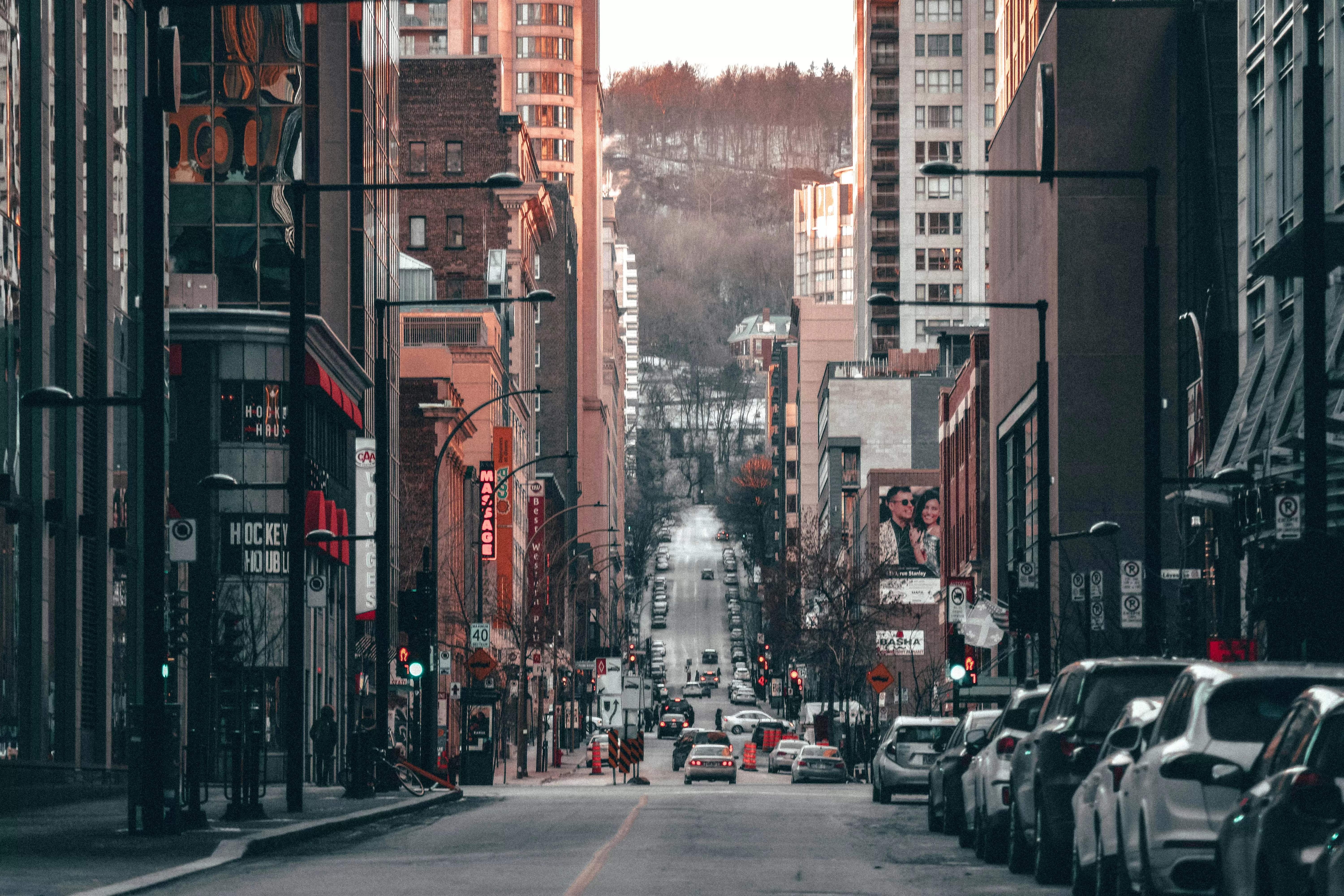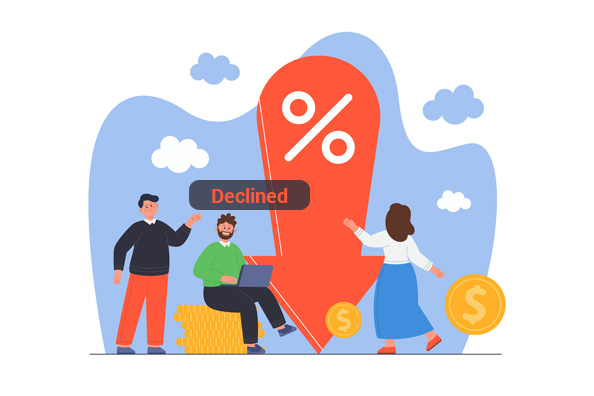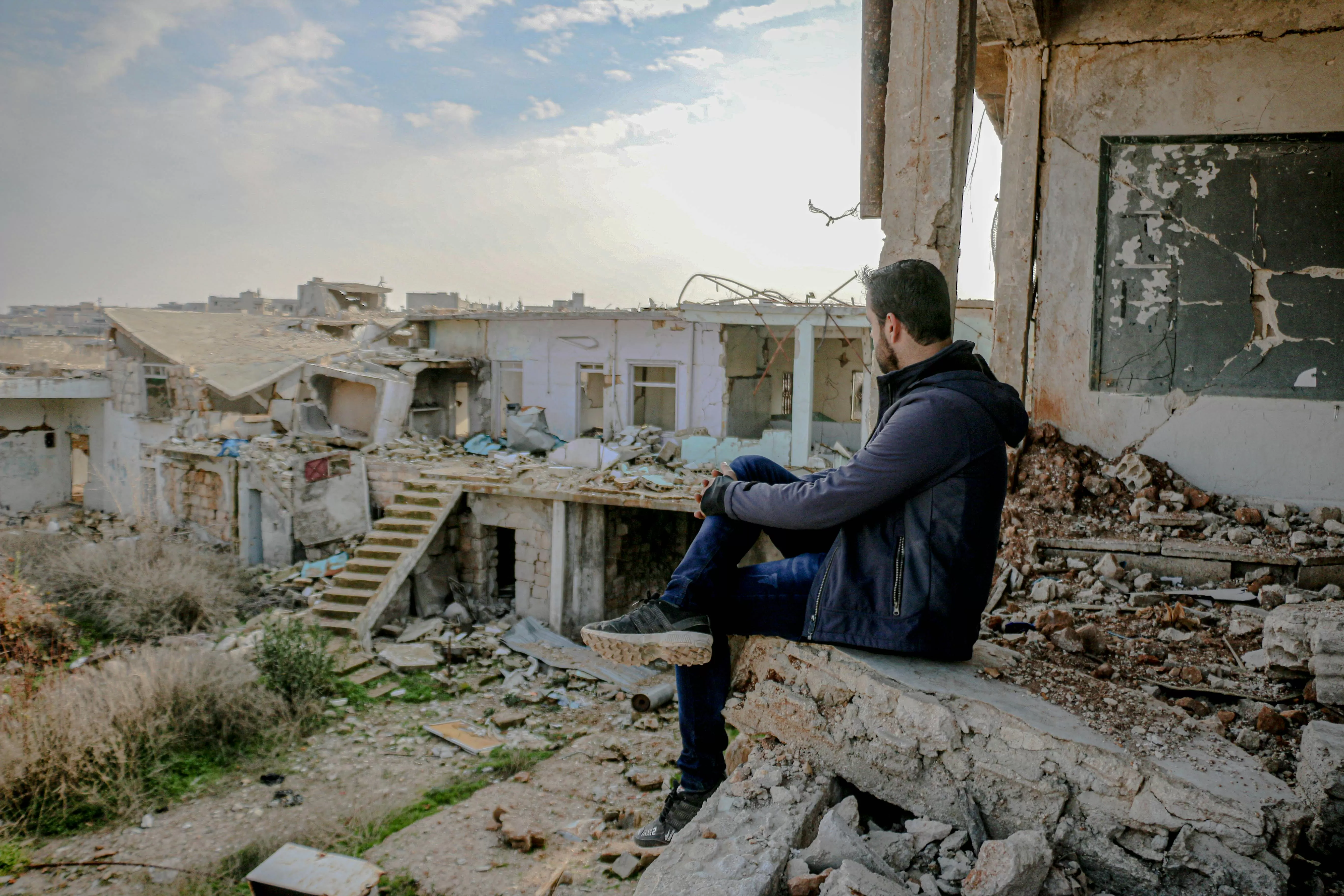
The immediate impact of conflict in the Middle East on global property demand is a measurable shift in capital flows, investor sentiment, and housing demand patterns across key international markets. Property demand typically increases in politically stable regions as investors seek safety, while uncertainty suppresses transaction volumes in affected or nearby regions. Currency volatility, oil price fluctuations, and migration trends further reshape both residential and commercial real estate dynamics worldwide.
How Does War in the Middle East Affect Global Property Markets?
War in the Middle East affects global property markets primarily through economic uncertainty, energy price shocks, and risk reallocation. These factors directly influence buyer behaviour, investment timing, and asset pricing across continents.
First, geopolitical instability raises global risk perception. When uncertainty rises, institutional and private investors reduce exposure to volatile regions and redirect funds into stable property markets. This often leads to increased demand in cities known for political stability, legal transparency, and strong property rights.
Second, energy markets play a critical role. The Middle East is central to global oil supply. Any disruption can increase oil prices, which in turn raises construction costs, transportation expenses, and inflation. Higher inflation often leads to increased interest rates, which can slow down mortgage borrowing and reduce affordability in some markets.
Third, global liquidity patterns shift. Central banks may adjust monetary policies in response to inflationary pressure caused by energy price spikes. Tighter monetary policy reduces real estate financing availability, impacting both residential and commercial sectors.
Finally, conflict influences migration patterns. Displacement or expatriate relocation increases demand in specific regions, particularly in countries with established diaspora communities or favourable visa policies. This creates localised housing demand surges, often visible in rental markets first before affecting property prices.
Why Do Investors Shift Real Estate Capital During Conflict?
Investors shift real estate capital during conflict to preserve wealth, reduce risk exposure, and maintain liquidity. Real estate is considered a relatively stable asset, but its attractiveness depends heavily on location stability and economic predictability.
During periods of geopolitical tension, capital typically moves toward “haven” markets. These include countries with strong legal frameworks, transparent property ownership laws, and stable currencies. Investors prioritise capital preservation over high returns, which changes demand patterns significantly.
Currency volatility is another major driver. When regional currencies weaken due to conflict, investors seek assets denominated in stronger currencies. This often increases demand for property in countries with stable or appreciating currencies, as real estate becomes both a hedge against inflation and a store of value.
Institutional investors, including sovereign wealth funds and large asset managers, tend to rebalance portfolios during such periods. They may reduce exposure to emerging markets perceived as risky and increase allocation in mature markets. This creates a ripple effect, influencing pricing trends, rental yields, and transaction volumes globally.
Private investors and high-net-worth individuals also respond quickly. In many cases, they accelerate property purchases abroad to secure residency options, diversify assets, or hedge against domestic instability. This behaviour is particularly visible in the luxury and prime real estate segments.
Which Property Markets Gain or Lose Demand During Geopolitical Instability?
Property demand does not decline globally during the Middle East conflict—it redistributes. Some markets experience increased demand due to perceived safety, while others face reduced activity due to proximity or economic exposure.
Markets that typically gain demand include:
Countries with stable governance, strong financial systems, and investor-friendly regulations often see a rise in foreign property purchases. Cities known for international appeal and established real estate infrastructure attract both institutional and private investors seeking stability.
Secondary markets within stable countries also benefit. As primary cities become expensive due to increased demand, investors look toward emerging urban centres offering better yields and lower entry costs.
On the other hand, markets that may lose demand include:
Regions geographically close to conflict zones or economically linked through trade and energy dependence often experience reduced investor confidence. Transaction volumes may slow, and price growth can stagnate or decline.
Emerging markets with weaker currencies or political uncertainty may face capital outflows. Investors typically reduce exposure to these areas, especially if they rely heavily on foreign investment to sustain property demand.
Tourism-dependent property markets can also be affected. If travel declines due to regional instability, short-term rental demand weakens, impacting investor returns and property valuations in those areas.
It is important to note that these shifts are not uniform. The extent of impact depends on the scale of conflict, duration, and global economic conditions at the time. Short-term volatility may differ significantly from long-term structural changes in property demand.
How Should Property Investors Respond to Middle East Conflict?
Investors should respond to the Middle East conflict by prioritising risk-adjusted returns, geographic diversification, and liquidity planning rather than speculative gains. The focus shifts from aggressive growth to capital preservation and strategic positioning.
The first step is reassessing geographic exposure. Investors with concentrated portfolios in high-risk or economically exposed regions often rebalance toward stable markets. This includes reallocating capital into countries with consistent legal frameworks, lower geopolitical exposure, and reliable demand fundamentals.
Diversification across asset types becomes equally important. Residential properties—especially in urban areas with strong population growth—tend to remain more resilient than speculative commercial developments. Rental housing, workforce housing, and mid-market residential assets often provide steady income even during volatility.
Liquidity planning is another critical consideration. During uncertain periods, access to cash or liquid assets allows investors to act quickly when opportunities arise. Distressed sales, motivated sellers, and temporary price corrections often create entry points, but only for investors with available capital.
Investors should also reassess risk exposure linked to currency fluctuations. Buying property in strong, stable currencies can act as a hedge against depreciation in home-country currency, but it also introduces exchange-rate risk if not managed carefully.
Finally, due diligence standards must increase. Political developments can rapidly influence regulations, taxes, and foreign ownership rules. Investors who rely on outdated assumptions risk mispricing assets or entering unfavourable markets.
How Do Property Prices and Rents React Globally?
Property prices and rents react unevenly to Middle East conflict, with short-term volatility followed by localised demand-driven adjustments. The direction of movement depends on capital inflows, migration trends, and financing conditions.
In high-demand safe-haven markets, property prices often increase due to sudden capital inflows. Prime residential areas, luxury segments, and globally recognised cities typically see faster appreciation as international buyers compete for limited inventory.
Rental markets usually respond faster than sales markets. An influx of expatriates, displaced individuals, or relocating professionals can drive immediate demand for rental housing. This leads to rising rents, particularly in cities with limited housing supply or strict development pipelines.
Conversely, markets experiencing reduced investor confidence may see price stagnation or slower growth rather than sharp declines. Real estate tends to adjust gradually, especially in markets with strong domestic demand.
Commercial real estate reacts differently depending on sector exposure. Office spaces in globally connected cities may remain stable, while retail or hospitality properties in tourism-sensitive areas can face pressure due to reduced travel demand.
Long-term effects often depend on how sustained the conflict is. Short disruptions may create temporary spikes or dips, while prolonged instability can reshape global investment patterns and permanently shift demand toward new regions.
What Happens to Mortgages, Interest Rates, and Financing?
Middle East conflict indirectly affects mortgages and financing through inflationary pressure, central bank responses, and global credit conditions. Borrowing costs are one of the most important channels through which geopolitical events influence real estate demand.
Rising oil prices often lead to higher inflation. In response, central banks may increase interest rates to control inflation. Higher interest rates directly raise mortgage costs, reducing affordability for buyers and slowing transaction volumes.
Lenders also become more risk-sensitive during uncertain periods. This can result in stricter lending criteria, lower loan-to-value ratios, and increased scrutiny of borrower profiles. First-time buyers and highly leveraged investors are typically the most affected.
For investors, financing structures may shift toward fixed-rate loans to reduce exposure to future rate increases. However, fixed rates themselves may be higher during volatile periods, increasing overall borrowing costs.
International financing becomes more complex as currency fluctuations impact repayment costs. Borrowers earning in one currency but servicing debt in another face additional risk if exchange rates move unfavourably.
Despite these challenges, periods of tightening credit can create opportunities. Reduced competition may allow well-capitalised buyers to negotiate better purchase terms, particularly in markets experiencing temporary slowdowns.
What Should Buyers, Sellers, and Landlords Do Right Now?
Buyers, sellers, and landlords should adjust strategies based on risk tolerance, time horizon, and local market conditions rather than reacting solely to headlines about geopolitical conflict.
For buyers: Focus on affordability, long-term value, and financing stability. Locking in mortgage rates early can reduce exposure to future increases. Buyers should prioritise properties in areas with strong fundamentals—employment growth, infrastructure development, and consistent housing demand.
For sellers: Pricing strategy becomes critical. Overpricing in uncertain markets can lead to extended listing periods. Sellers should rely on recent comparable transactions and remain flexible in negotiations, especially if buyer activity slows.
For landlords: Rental demand may increase in certain markets, creating opportunities to optimise yield values. However, landlords should balance rent increases with tenant retention, as economic uncertainty can also affect tenant stability.
For international investors: Legal and tax implications require careful review. Cross-border property ownership involves compliance with both local and home-country regulations, which may evolve during periods of geopolitical change.
Across all groups, the key is avoiding reactive decisions. Real estate operates on longer cycles than financial markets, and short-term geopolitical events do not always translate into immediate or permanent market changes.
Common Mistakes to Avoid During Geopolitical Real Estate Shifts
The most common mistakes during periods of geopolitical instability stem from overreaction, lack of due diligence, and misinterpretation of short-term signals.
One frequent mistake is making rushed investment decisions based on headlines rather than data. While conflict can influence markets, its impact varies widely depending on location and economic conditions. Acting without analysing local fundamentals can lead to poor investment outcomes.
Another mistake is ignoring financing risks. Buyers who assume stable interest rates may face higher borrowing costs if rates increase unexpectedly. This can affect both affordability and investment returns.
Overconcentration in a single market is also risky. Investors who fail to diversify geographically or across asset types are more vulnerable to localised downturns triggered by global events.
Some investors underestimate currency risk. Purchasing property in foreign markets without considering exchange rate fluctuations can erode returns or increase costs over time.
Finally, neglecting legal and regulatory changes can create complications. Governments may adjust foreign ownership rules, taxation policies, or capital controls in response to economic pressure, directly affecting property investments.
A disciplined, research-driven approach remains the most effective way to navigate real estate decisions during geopolitical uncertainty.
What Is the Long-Term Outlook for Global Property Demand?
The long-term outlook for global property demand following the Middle East conflict is shaped by structural shifts rather than short-term volatility. While immediate reactions include capital reallocation and price fluctuations, long-term impacts tend to redefine where and how investors allocate real estate capital.
One of the most consistent long-term effects is the strengthening of “safe-haven” markets. Countries with stable governance, transparent legal systems, and diversified economies continue to attract sustained foreign investment long after the conflict subsides. This creates durable demand, particularly in residential and mixed-use developments.
Another structural shift is the diversification of investment destinations. Investors increasingly avoid over-reliance on a single region and instead build geographically balanced portfolios. This trend supports the rise of secondary global cities and emerging property markets that offer stability combined with growth potential.
Urbanisation trends remain largely intact despite geopolitical disruptions. Population growth, internal migration, and infrastructure development continue to drive housing demand globally. These factors often outweigh the temporary effects of conflict when assessing long-term real estate value.
Additionally, global mobility patterns are evolving. Remote work, flexible residency programs, and investor visas are influencing where people choose to live and invest. This creates new demand corridors that did not exist a decade ago, particularly in cities offering a combination of lifestyle, connectivity, and economic opportunity.
Overall, while the Middle East conflict introduces uncertainty, it does not eliminate global property demand. Instead, it redistributes and reshapes it, often accelerating existing trends rather than creating entirely new ones.
Where Are the Emerging Opportunities for Investors?
Emerging opportunities during geopolitical instability typically arise in markets that combine stability, affordability, and growth potential. Investors who identify these conditions early can position themselves ahead of broader market shifts.
One key opportunity lies in secondary cities within stable economies. As demand concentrates in major metropolitan areas, rising prices push investors toward nearby cities with improving infrastructure and economic activity. These markets often offer better rental yields and lower entry costs.
Another area of opportunity is rental housing. Increased mobility and relocation driven by geopolitical uncertainty create sustained demand for rental properties. Build-to-rent developments, multifamily housing, and professionally managed rental assets are gaining attention from institutional investors.
Distressed or undervalued assets may also become available in markets experiencing temporary slowdowns. Investors with strong liquidity positions can acquire properties at favourable prices, particularly when sellers face financial pressure or reduced demand.
Cross-border investment opportunities are expanding as countries introduce policies to attract foreign capital. Residency-by-investment programs, tax incentives, and streamlined property ownership processes can make certain markets more accessible during periods of global uncertainty.
Finally, sustainability and energy-efficient developments are becoming increasingly relevant. Rising energy costs linked to geopolitical tensions are pushing both developers and buyers toward properties with lower operating costs and higher environmental performance.
Frequently Asked Questions
Does war in the Middle East always increase global property demand?
No. It does not increase total global demand but redistributes it. Stable markets often see increased demand, while high-risk or exposed regions may experience declines.
Which countries benefit most from geopolitical instability?
Countries with strong legal systems, stable currencies, and transparent property markets typically attract the most investment during periods of conflict.
Is it a good time to buy property during global conflict?
It can be, depending on market conditions. Buyers with long-term perspectives and stable financing may find opportunities, especially in markets experiencing temporary slowdowns.
How does conflict affect rental markets?
Rental markets often experience increased demand due to relocation and migration, leading to higher rents in certain cities.
Should investors avoid emerging markets during conflict?
Not necessarily. While risk increases, some emerging markets may still offer strong fundamentals. Careful analysis and diversification are essential.
Do property prices fall during geopolitical crises?
Not always. Prices may rise in safe-haven markets while stabilising or slowing in others. Real estate typically reacts more gradually than financial markets.
Key Takeaways
- Capital Redistribution: Global property demand shifts toward stable markets rather than declining overall.
- Investor Behaviour: Investors prioritise risk management, diversification, and liquidity during geopolitical uncertainty.
- Price Dynamics: Property prices and rents respond differently across regions, with safe-haven markets often seeing growth.
- Financing Impact: Interest rates and lending conditions play a critical role in shaping real estate demand.
- Long-Term Trends: Urbanisation, global mobility, and diversification continue to drive property demand despite conflict.
- Opportunities: Secondary cities, rental housing, and distressed assets present potential investment advantages.
References
- International Monetary Fund – Global Economic Outlook Reports
- World Bank – Global Financial Stability Data
- Bank for International Settlements – Housing Market Indicators
- OECD – Real Estate Market Trends
- Major Global Real Estate Consultancy Market Reports