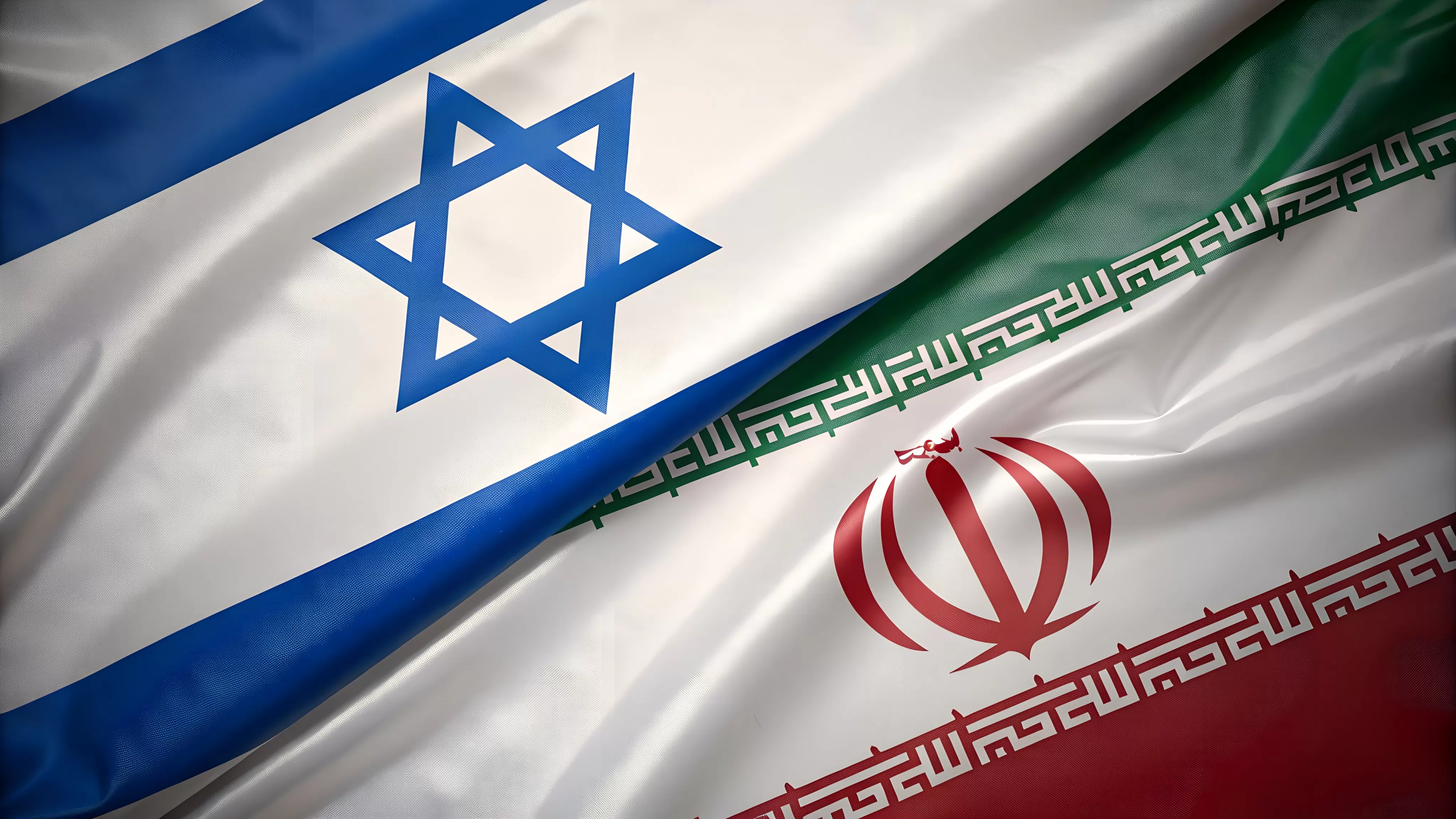
The Iran-Israel war impacts Dubai’s real estate market primarily through investor inflows, oil-driven economic shifts, and global risk sentiment. In most scenarios, Dubai benefits from increased demand as it is viewed as a politically stable, tax-efficient, and globally connected safe haven. However, prolonged conflict can also raise borrowing costs, increase construction expenses, and introduce short-term volatility. Overall, the market tends to remain resilient, with selective growth in prime and rental segments.
How Does the Iran-Israel War Directly Affect Dubai Real Estate?
The direct impact of the Iran-Israel war on Dubai real estate is generally positive in terms of demand, but mixed in terms of costs and financing. Dubai is geographically close to the conflict region but politically and economically positioned as a neutral and stable hub, which attracts capital during uncertainty.
Increased Demand: High-net-worth individuals and international investors often shift capital into Dubai property to preserve wealth. This drives demand in luxury, waterfront, and branded residences.
Short-Term Volatility: Transaction volumes may fluctuate temporarily as buyers assess risk, but this effect is usually short-lived.
Higher Financing Costs: Global interest rate pressure—often linked to inflation during conflict—can increase mortgage rates, affecting affordability.
| Impact Area | Short-Term Effect | Market Outcome |
|---|---|---|
| Investor Demand | Increase | Price support and growth in prime areas |
| Mortgage Rates | Rise or remain elevated | Reduced affordability for financed buyers |
| Construction Costs | Increase due to inflation | Higher property prices over time |
| Market Sentiment | Mixed but resilient | Selective investment activity |
Overall, Dubai’s positioning as a global investment hub allows it to absorb geopolitical shocks better than many regional markets.
Why Dubai Attracts Investors During Geopolitical Conflict
Dubai attracts investors during geopolitical conflict because it offers a combination of political stability, favourable tax policies, strong infrastructure, and global connectivity. These factors position it as a preferred destination for capital preservation and relocation.
Safe-Haven Perception: Investors often view Dubai as a relatively secure environment compared to other parts of the region. This perception increases capital inflows during periods of instability.
Tax Advantages: The absence of income tax and relatively low property-related taxes make Dubai attractive for international buyers seeking efficiency.
Residency Incentives: Property ownership can provide access to residency visas, further increasing demand from global investors.
Luxury and Lifestyle Appeal: High-quality developments, global brands, and lifestyle amenities attract affluent buyers seeking both investment and residence.
These structural advantages mean that geopolitical conflict often redirects capital toward Dubai rather than away from it.
How Oil Prices and Regional Economics Influence Dubai Property
Oil prices are a key channel through which the Iran-Israel war affects Dubai’s real estate market. While Dubai itself is less dependent on oil than other emirates, the broader UAE economy benefits from higher oil revenues.
When conflict drives oil prices higher, regional liquidity increases. This often leads to greater investment activity, including in real estate. Government spending and infrastructure investment may also rise, indirectly supporting the property market.
However, higher oil prices also contribute to global inflation. This can lead to higher interest rates, increasing mortgage costs and moderating demand from financed buyers.
Dual impact of rising oil prices:
- Positive: Increased regional wealth and investment inflows
- Negative: Higher inflation and borrowing costs
The net effect depends on the balance between these forces. In many cases, Dubai’s market benefits from capital inflows more than it is harmed by higher financing costs.
Which Property Segments in Dubai Are Most Affected?
The Iran-Israel war affects different property segments in Dubai unevenly, with luxury and prime residential markets typically benefiting the most from geopolitical uncertainty.
Luxury and Ultra-Prime Properties: These segments often see increased demand from high-net-worth individuals seeking asset protection and relocation options. Waterfront villas, branded residences, and premium apartments are primary beneficiaries.
Mid-Market Residential: This segment experiences more balanced effects. While demand remains steady due to population growth, higher mortgage rates can limit affordability for end-users.
Affordable Housing: Demand remains stable or increases as rising costs push more residents toward budget-friendly options.
Commercial Real Estate: Office and retail demand depends on business activity. While Dubai remains a regional hub, global uncertainty can slow expansion decisions.
| Segment | Impact Level | Key Driver |
|---|---|---|
| Luxury Residential | High Positive | Safe-haven demand |
| Mid-Market Housing | Moderate | Affordability constraints |
| Affordable Housing | Stable | Population-driven demand |
| Commercial Property | Mixed | Business sentiment |
This segmentation highlights that while overall demand may increase, the strongest gains are concentrated in high-value, globally attractive assets.
How Prices and Rents Are Shifting During the Conflict
Property prices and rents in Dubai typically show upward pressure during geopolitical conflict due to increased demand and limited supply in key areas. However, the pace of growth can vary depending on broader economic conditions.
Price trends: Prime locations often experience accelerated price growth driven by international capital inflows. Secondary markets may see more moderate increases.
Rental market: Rents tend to rise as population inflows increase and homeownership becomes less affordable due to higher mortgage rates.
Supply constraints: Delays in construction, often linked to higher material costs—can limit new supply, further supporting prices.
Short-term volatility: Transaction activity may fluctuate temporarily, but long-term trends are generally supported by structural demand.
Overall, Dubai’s property market tends to maintain upward momentum during periods of regional instability, particularly in high-demand areas.
Impact on Foreign Buyers and Cross-Border Investment
Foreign buyers play a central role in Dubai’s real estate market, and their activity often increases during geopolitical conflict. The Iran-Israel war reinforces Dubai’s position as a global investment destination.
Capital inflows: Investors from regions affected by instability may relocate assets to Dubai, increasing demand for residential and investment properties.
Currency considerations: Dubai’s currency peg to the US dollar provides stability, making it attractive for international investors seeking predictable returns.
Diversification strategy: Global investors often use Dubai real estate to diversify portfolios and reduce exposure to volatile markets.
Residency benefits: Property-linked visa programs further incentivize foreign investment.
These factors contribute to sustained international demand, which can offset local market fluctuations.
Mortgage Trends and Financing Conditions in Dubai
Mortgage rates in Dubai are influenced by global interest rate trends, particularly those set by the US Federal Reserve due to the UAE dirham’s peg to the US dollar. During geopolitical conflict, inflationary pressures often keep rates elevated.
Higher Borrowing Costs: Rising global rates increase mortgage costs, reducing affordability for financed buyers.
Shift Toward Cash Buyers: High-net-worth investors purchasing without financing become more dominant in the market.
Loan Approval Standards: Banks may adopt more cautious lending practices during uncertain periods.
Refinancing Limitations: Opportunities to refinance at lower rates may be limited if inflation persists.
This environment favors well-capitalized investors while creating challenges for first-time buyers relying on financing.
What Is the Long-Term Outlook for Dubai Real Estate?
The long-term outlook for Dubai real estate remains structurally strong despite geopolitical tensions, including the Iran-Israel conflict. The market is supported by population growth, global investor demand, infrastructure development, and policy stability.
Dubai’s position as a global hub for finance, tourism, and business continues to attract residents and investors. Long-term initiatives such as economic diversification and visa reforms further strengthen the housing market.
While short-term fluctuations may occur due to interest rate changes or global sentiment shifts, the underlying fundamentals suggest continued resilience, particularly in prime and well-located assets.
Potential risks include prolonged high interest rates, global economic slowdown, and overdevelopment in certain segments. However, these risks are moderated by strong regulatory oversight and demand-driven growth.
Overall, the long-term trajectory favors steady expansion rather than sharp volatility, with periodic adjustments reflecting global economic cycles.
How Should Buyers and Investors Respond in 2026?
Buyers and investors should respond to the Iran-Israel conflict by focusing on financial discipline, market fundamentals, and long-term positioning rather than short-term speculation.
Prioritize Prime locations: Areas with strong demand, infrastructure, and limited supply tend to perform better during uncertainty.
Assess Affordability Carefully: Ensure mortgage payments remain manageable even if rates stay elevated.
Leverage Negotiation Opportunities: Temporary market slowdowns can create opportunities for better pricing or terms.
Diversify Investment Exposure: Avoid concentrating capital in a single segment or property type.
Plan for Long-Term Holding: Real estate investments are more resilient when held through market cycles.
This approach allows investors to benefit from Dubai’s strengths while managing risks associated with global uncertainty.
Frequently Asked Questions
Does the Iran-Israel War Increase Property Prices in Dubai?
In many cases, yes. Increased investor demand and capital inflows can push prices higher, especially in prime and luxury segments.
Is Dubai Real Estate a Safe Investment During Regional Conflict?
Dubai is generally considered a relatively safe market due to political stability, strong regulations, and global investor demand.
Will Mortgage Rates Rise in Dubai Due to the Conflict?
Mortgage rates may remain elevated or increase due to global inflation and interest rate trends linked to geopolitical uncertainty.
Which Areas in Dubai Benefit the most During Geopolitical Instability?
Prime areas such as Downtown Dubai, Palm Jumeirah, Dubai Marina, and waterfront developments tend to see the strongest demand.
Should Investors Buy Property in Dubai during the Iran-Israel conflict?
Investors with strong financial positions and long-term goals may find opportunities, particularly in high-demand segments.
Key Takeaways
- Safe-Haven Effect: Dubai attracts increased investment during geopolitical conflict due to stability and global appeal.
- Segment Variation: Luxury and prime properties benefit most from rising demand.
- Rate Pressure: Higher global interest rates can reduce affordability for financed buyers.
- Long-Term Strength: Strong fundamentals support continued growth despite short-term volatility.
- Strategic Investing: Focus on prime locations, affordability, and long-term holding strategies.
References
- Dubai Land Department (DLD) Market Reports
- UAE Central Bank Interest Rate Data
- International Monetary Fund (IMF) – Regional Economic Outlook
- Global Property Consultancy Reports (CBRE, JLL, Knight Frank)
- UAE Government Economic and Housing Policies