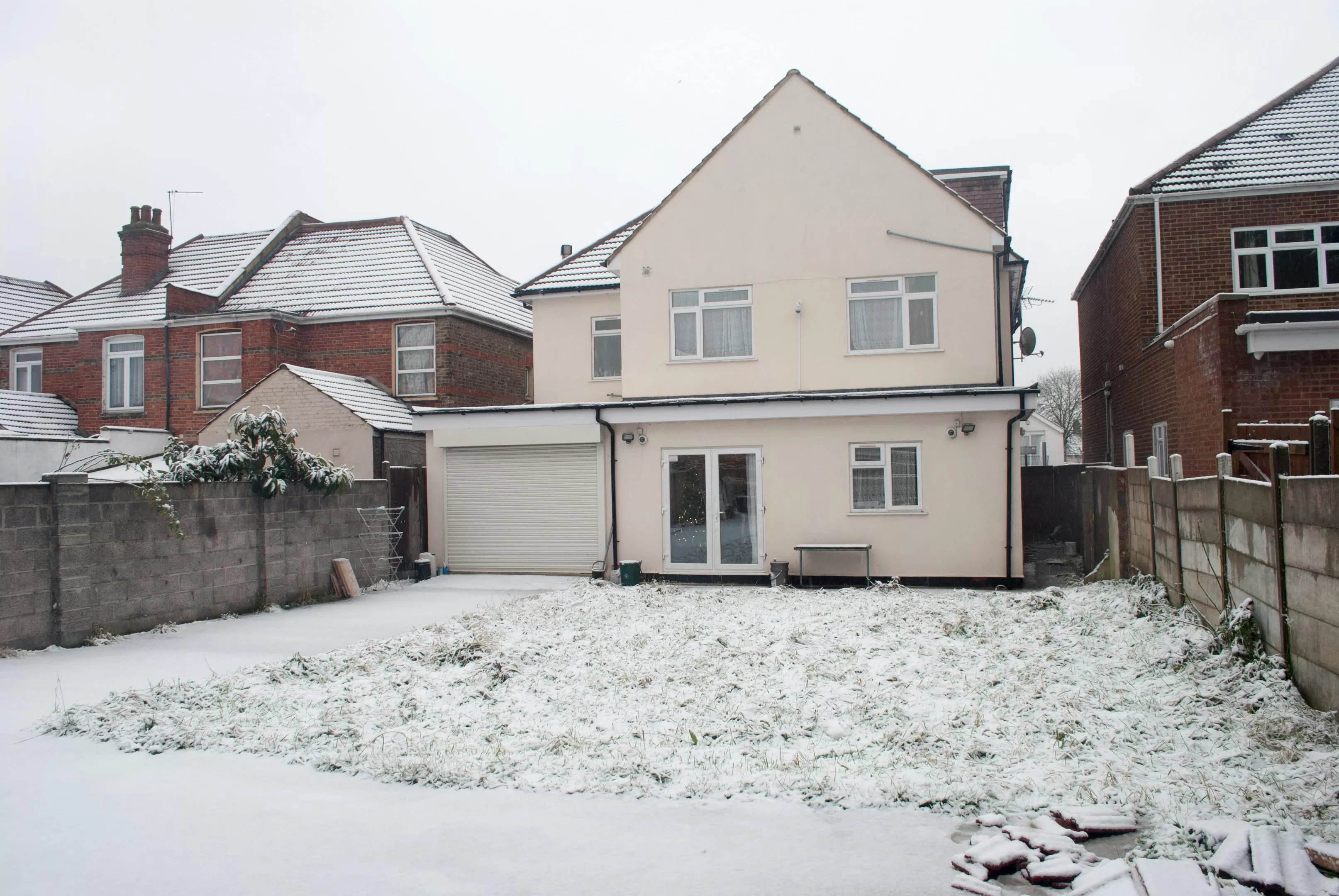
Homes with garages in Glasgow offer measurable advantages: secure parking in high-demand urban zones, lower insurance risks, added resale value, and flexible space for storage or conversion. In central districts, garages are limited and often command a price premium, while suburban areas provide a wider selection, including detached homes with private driveways and integrated garages. Buyers should expect higher competition for properties with secure parking, especially near transport hubs and tenement-heavy neighbourhoods where on-street parking is constrained.
What Counts as a Garage Property in Glasgow?
A “home with a garage” in Glasgow typically refers to a property that includes a dedicated enclosed structure designed for vehicle storage, either attached to the main building or located within the property boundary. However, the classification varies in practice, and understanding these distinctions is essential before evaluating listings or making offers.
There are four primary garage types encountered in Glasgow’s residential market. First, integral garages are built into the house structure, commonly found in post-war and modern suburban developments. These offer direct internal access and are highly valued for convenience and security. Second, detached garages sit separately within the garden or plot, often in older suburban homes and villas. Third, communal or courtyard garages appear in tenement blocks and modern flats, where individual units are allocated within a shared structure. Finally, lock-up garages - standalone units located nearby but not necessarily on the same title—are sometimes included in the sale or leased separately.
Not all garages provide the same functional or financial value. Ceiling height, door width, electrical connections, and structural condition directly affect usability. Many older garages in Glasgow were designed for smaller vehicles and may not accommodate modern SUVs without modification. Buyers should also confirm whether the garage is included in the title deeds or subject to separate ownership, which is a common issue in flats and converted buildings.
From a valuation perspective, a functional, secure garage can add meaningful appeal, particularly in areas with limited parking availability. However, the premium varies by location. In densely built urban neighbourhoods, a garage may significantly influence buyer decisions, while in suburban areas with driveways, its relative value may be more moderate.
City vs Suburban Garage Homes: Key Differences
The availability, cost, and practicality of garage-equipped homes differ sharply between Glasgow’s city centre and its surrounding suburbs. Buyers must align their expectations with these structural realities to avoid overpaying or compromising on essential criteria.
In central Glasgow, including areas dominated by traditional tenements, garages are relatively scarce. Most properties rely on on-street parking or permit systems, and purpose-built garages are typically found in newer developments or converted spaces. As a result, homes with private garages in these zones often carry a premium due to scarcity. Additionally, access can be constrained by narrow lanes, shared courtyards, or planning limitations.
Suburban Glasgow presents a different landscape. Neighbourhoods developed during the late 20th century and beyond commonly include properties with driveways and integrated garages. Detached and semi-detached homes frequently offer larger plots, making it easier to accommodate multiple vehicles. In these areas, garages are less about scarcity and more about added convenience, storage capacity, or potential for conversion into living space.
From a lifestyle standpoint, city buyers prioritise security and proximity, making garages particularly valuable for professionals and investors targeting rental demand. Suburban buyers, including families, often view garages as multi-purpose extensions - used for storage, workshops, or future renovations.
Cost differences are also significant. In the city, a garage may represent a higher percentage of the total property value due to limited supply. In contrast, suburban properties may include garages as a standard feature, resulting in a lower relative premium. However, larger homes with double garages or enhanced security features can still command higher prices.
Ultimately, the choice between city and suburban garage homes depends on priorities: convenience and scarcity-driven value in central locations versus space, flexibility, and broader availability in suburban settings.
Where to Find Homes with Garages in Glasgow
Homes with garages are distributed unevenly across Glasgow, and location selection plays a decisive role in availability, price, and long-term value. Understanding which districts align with specific needs - investment, family living, or first-time buying - can significantly improve outcomes.
In the West End, garage availability is limited due to the prevalence of historic tenement buildings. When present, garages are typically located in rear lanes or converted from former service structures. These properties appeal to buyers seeking proximity to universities, cultural amenities, and strong rental demand, but competition is high.
The Southside offers a broader mix, with certain areas featuring traditional homes that include detached garages or rear access structures. Buyers may find better value here compared to the West End, particularly in neighbourhoods undergoing regeneration, though availability remains inconsistent.
In East Glasgow, post-war developments and newer housing estates provide more consistent access to homes with integral garages. These properties often cater to buyers seeking affordability combined with practical features such as off-street parking and larger internal layouts.
Suburban districts such as Bearsden, Milngavie, and Newton Mearns stand out for their high concentration of garage-equipped homes. These areas typically feature detached or semi-detached properties with driveways, making them attractive to families and long-term owner-occupiers. Garages in these locations are often larger and more adaptable, supporting storage or conversion projects.
New-build developments across Glasgow and its outskirts also prioritise secure parking, frequently incorporating integrated garages or designated parking spaces. However, buyers should assess build quality, developer reputation, and estate management conditions before proceeding.
Location choice should ultimately balance three factors: parking scarcity, budget constraints, and intended use of the garage. A centrally located garage may offer stronger resale and rental appeal, while a suburban property may provide greater functional value and long-term flexibility.
How Much Do Homes with Garages Cost in Glasgow?
Homes with garages in Glasgow typically command a price premium, but the scale of that premium depends on location, property type, and garage usability. In high-density urban areas, the presence of a secure garage can significantly increase property value due to limited parking availability. In suburban districts, garages are more common, so the premium is generally lower but still relevant for larger or higher-spec properties.
For flats and tenement properties, garages - if included - can add a notable uplift because they are rare. In some cases, the garage itself may be valued separately if held under a different title. Buyers should compare similar properties with and without garages in the same postcode to understand the true incremental cost rather than relying on listing prices alone.
For semi-detached and detached homes, garages are often included as standard in suburban developments. Here, pricing is influenced more by overall property size, condition, and neighbourhood demand than by the garage alone. However, double garages, heated garages, or those with upgraded security features can increase property value and market appeal.
It is also important to factor in ongoing costs. Garages may require maintenance, insurance adjustments, or upgrades such as improved lighting, electric door systems, or insulation. Buyers planning to use the garage for purposes beyond parking - such as storage or workspace - should account for these additional costs in their budget.
From an investment perspective, a garage can improve rental attractiveness, particularly in areas where tenants rely on secure parking. However, the return on investment depends on tenant demographics and local demand patterns. In central locations, parking availability can be a decisive factor for tenants, while in suburban areas, it may be considered a standard expectation rather than a premium feature.
Legal and Title Considerations for Garage Properties
Before purchasing a home with a garage in Glasgow, buyers must verify the legal status of the garage. Not all garages are automatically included in the main property title, and overlooking this detail can lead to disputes or unexpected costs.
The first step is confirming ownership through the title deeds. In some flats and tenement buildings, garages are held under separate titles or shared ownership arrangements. Buyers should ensure that the garage is explicitly included in the sale and that there are no restrictions on its use.
Access rights are another critical factor. Some garages are located in shared courtyards or accessed via private lanes, which may involve servitude rights or maintenance obligations. Buyers should clarify who is responsible for upkeep and whether there are any limitations on vehicle size or access times.
Planning and building regulations also apply, particularly if the garage has been modified or converted. Unauthorised alterations can create legal and financial risks, including enforcement action or difficulties during resale. A qualified solicitor should review all relevant documentation to confirm compliance.
Insurance considerations should not be overlooked. A garage used for vehicle storage may affect home insurance policies, particularly if high-value items are stored within. Buyers should ensure that both the structure and its contents are adequately covered.
In summary, legal due diligence for garage properties involves verifying ownership, access rights, planning compliance, and insurance coverage. These checks are essential for avoiding complications and ensuring that the garage delivers its intended value.
Can You Convert a Garage in Glasgow?
Yes, many garages in Glasgow can be converted into living space, but feasibility depends on planning regulations, property type, and structural considerations. Garage conversions are common in suburban areas where homeowners seek to increase usable space without extending the property footprint.
In most cases, converting a garage into a habitable room requires planning permission or building warrant approval, particularly if structural changes are involved. This includes insulation upgrades, ventilation, electrical work, and compliance with fire safety standards. Properties located in conservation areas or listed buildings may face additional restrictions.
The value impact of a garage conversion is not always straightforward. While additional living space can increase property value, the loss of secure parking may reduce appeal in areas where parking is limited. Buyers and owners should assess local demand carefully before proceeding.
Practical considerations include ceiling height, damp-proofing, and access to natural light. Older garages may require significant upgrades to meet modern living standards. Costs can vary widely depending on the extent of work required and the intended use of the space.
From a resale perspective, properties that retain some form of parking - such as a driveway - may be less affected by the loss of a garage. However, in dense urban areas, removing a garage without alternative parking can negatively impact marketability.
Common Buyer Mistakes When Purchasing Garage Homes
Buyers often overestimate the value or usability of a garage without conducting proper due diligence. One of the most common mistakes is assuming that all garages can accommodate modern vehicles. Many older structures have limited dimensions, making them unsuitable for larger cars.
Another frequent issue is failing to verify legal ownership and access rights. Garages that appear to be part of the property may, in fact, be separately owned or subject to shared agreements. This can lead to complications after purchase.
Buyers also tend to overlook structural conditions. Issues such as dampness, poor roofing, or outdated electrical systems can require costly repairs. A thorough inspection is essential to identify potential problems before committing to a purchase.
Overpaying for a garage in areas where parking is not constrained is another risk. In suburban locations with ample parking, the added value of a garage may not justify a significantly higher purchase price.
Finally, some buyers focus solely on current needs without considering future flexibility. A garage that cannot be adapted for alternative uses—such as storage or workspace—may offer limited long-term value.
Are Homes with Garages a Good Investment in Glasgow?
Homes with garages in Glasgow generally offer stable long-term value, particularly in areas where parking is limited or regulated. The investment case is strongest in central and high-demand neighbourhoods, where secure parking can differentiate a property in both sales and rental markets.
In city locations, garages can improve liquidity—properties may sell faster because they address a practical constraint faced by many buyers and tenants. This is particularly relevant in districts with controlled parking zones or limited on-street availability. In such areas, a garage is not merely a convenience but a functional necessity.
In suburban markets, the investment case is more nuanced. While garages are common, properties that offer larger, secure, or multi-car garages still maintain a competitive edge. These features appeal to families, tradespeople, and buyers seeking flexible space for storage or hobbies.
Rental demand also supports the investment case. Tenants in urban areas often prioritise secure parking, especially where vehicle ownership is high. A garage can justify slightly higher rental yields or reduce vacancy periods. However, investors should assess tenant profiles and local demand rather than assuming uniform benefits across all areas.
Overall, garages contribute to property resilience rather than rapid appreciation. They enhance usability, broaden buyer appeal, and provide practical advantages that support long-term value retention.
Who Should Prioritize a Garage Property?
Garage-equipped homes are not essential for every buyer, but they are particularly valuable for specific groups based on lifestyle, location, and long-term plans.
City-based professionals benefit from secure parking in areas where availability is limited. For these buyers, a garage reduces daily friction and mitigates risks associated with on-street parking.
Families in suburban areas often prioritise garages for storage, additional workspace, or future conversion. The flexibility offered by a garage can support changing household needs over time.
Property investors targeting rental markets in high-density areas may find garages a valuable differentiator. Secure parking can attract tenants willing to pay a premium or commit to longer leases.
First-time buyers should evaluate whether the added cost aligns with their budget and priorities. In some cases, allocating funds toward location or property condition may provide greater long-term benefits than a garage.
Homeowners planning future modifications may view a garage as an opportunity for expansion. However, this should be balanced against planning constraints and the potential impact on resale value.
The decision to prioritise a garage should be based on practical need, local market conditions, and long-term flexibility rather than assumption of universal value.
Frequently Asked Questions
Do all homes with garages in Glasgow include them in the title?
No. Some garages, especially in flats or tenements, may be separately titled or leased. Always verify ownership in the title deeds.
Are garages common in Glasgow city centre properties?
No. Garages are relatively rare in central areas dominated by tenement buildings. When available, they typically command a premium.
Can a garage increase property value in Glasgow?
Yes. The impact is strongest in areas with limited parking. In suburban locations, the value increase is usually more moderate.
Is planning permission required to convert a garage?
In most cases, yes. Conversions must comply with local planning and building regulations, particularly for structural changes.
Are garages important for rental properties?
In many urban areas, yes. Secure parking can attract tenants and improve rental competitiveness, depending on location.
Key Takeaways
- Location Matters: Garages are more valuable in central Glasgow, where parking is limited.
- Legal Checks Are Essential: Always confirm ownership, access rights, and planning compliance.
- Suburban Advantage: Garages are more common and versatile in suburban areas.
- Investment Value: Garages enhance property appeal and long-term resilience rather than short-term gains.
- Practical Use: Consider size, condition, and adaptability before purchasing.
References
- UK Government Planning Portal – Guidance on building regulations and garage conversions.
- Registers of Scotland – Property title and ownership information.
- Local Glasgow City Council Planning Policies.
- Residential property market reports and valuation studies.