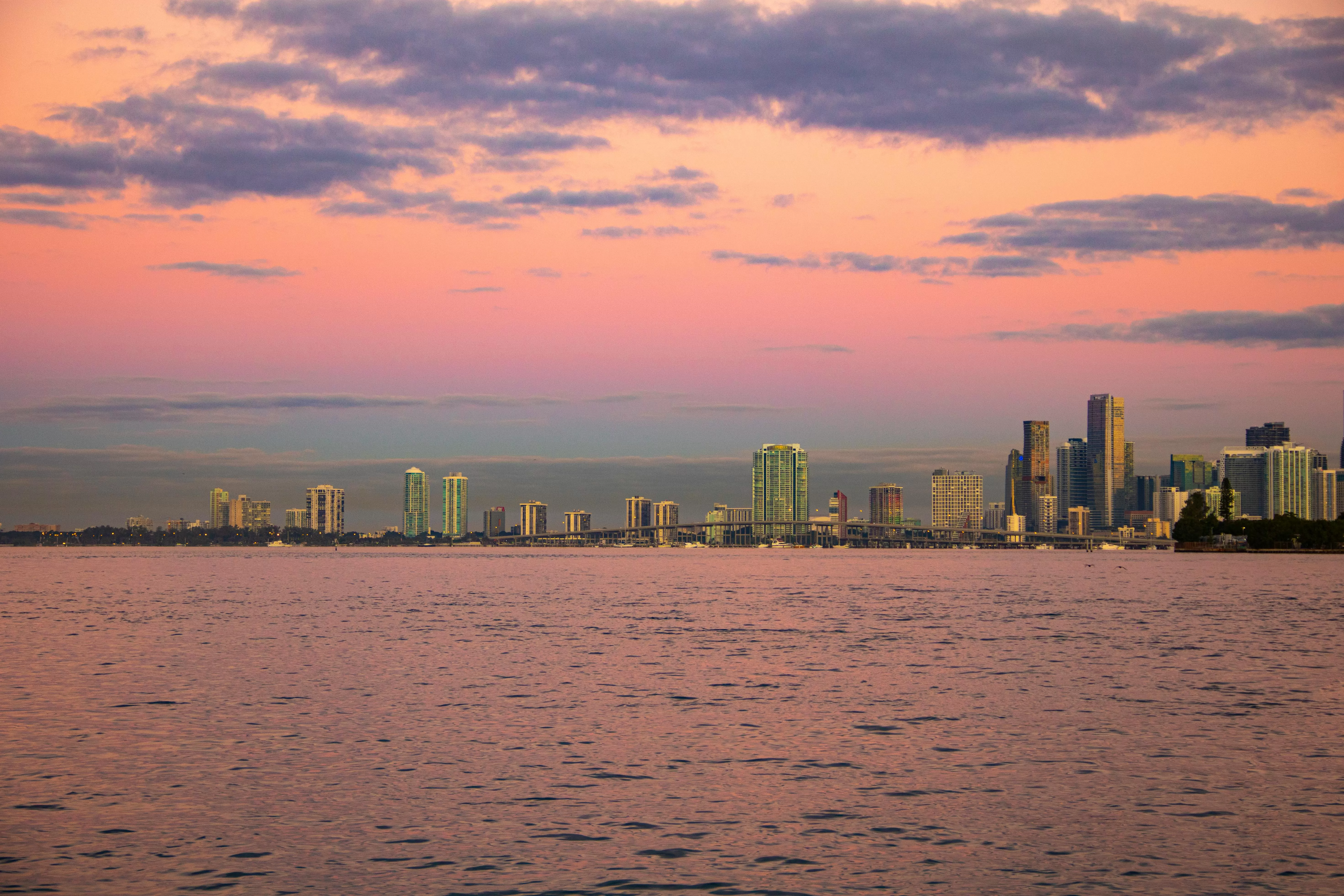
Buying a short term rental property in Florida can generate strong seasonal cash flow, but success depends on understanding local zoning rules, licensing requirements, tax obligations, insurance costs, and realistic return projections. Florida permits short term rentals statewide, yet cities and counties regulate how, where, and how often properties may be rented. Before purchasing, investors must verify zoning, calculate operating expenses, assess hurricane risk, and model occupancy rates based on location-specific demand.
Why Florida Is a Leading Short Term Rental Market
Florida consistently ranks among the highest-performing U.S. states for short term rental revenue due to year-round tourism, no state income tax, and diverse demand drivers including beaches, theme parks, cruise ports, golf tourism, and seasonal “snowbird” migration.
What drives short term rental demand in Florida?
Demand is driven by domestic tourism, international visitors, corporate travel, medical tourism, cruise departures, sporting events, and winter migration from northern states. Cities such as Orlando, Miami, Tampa, Fort Lauderdale, Naples, Destin, and Key West each serve distinct travel segments, creating varied pricing and occupancy patterns.
Orlando benefits from theme park tourism and convention travel. Miami and Fort Lauderdale capture international and nightlife-driven demand. Gulf Coast markets such as Naples and Sarasota attract seasonal retirees and beach-focused travellers. The Florida Panhandle sees strong summer occupancy driven by family vacations.
How strong are average returns?
Returns vary significantly by city, property type, and regulation environment. In high-demand zones, well-managed properties can achieve occupancy rates between 55% and 75% annually. However, hurricane exposure, insurance costs, and local restrictions materially impact net yield.
Gross rental income alone does not determine profitability. Investors must subtract cleaning fees, management fees, utilities, platform commissions, insurance premiums, property taxes, and maintenance reserves to determine true net operating income.
Is Florida suitable for first-time short term rental investors?
Florida can be suitable for first-time investors if they purchase in a legally approved short term rental zone and budget conservatively. Markets with established vacation rental communities and clear permitting processes are generally lower risk than residential neighbourhoods with HOA restrictions.
Are Short Term Rentals Legal in Florida?
Yes, short term rentals are legal in Florida, but they are regulated at both state and local levels. The state provides the overarching legal framework, while cities and counties impose zoning, licensing, and operational rules.
What is the state-level rule?
Under Florida law, short term rentals are typically defined as rentals of less than 30 days or one calendar month. The Florida Department of Business and Professional Regulation (DBPR) requires many vacation rentals to obtain a state license, particularly when renting entire units more than three times per year for periods under 30 days.
Do cities restrict short term rentals?
Yes. Local governments control zoning and may restrict short term rentals in certain residential areas. Some cities allow them broadly in designated districts, while others impose caps, registration requirements, inspection rules, occupancy limits, parking minimums, and quiet-hour enforcement.
For example:
- Some municipalities require annual registration and safety inspections.
- Others limit the number of guests per bedroom.
- Condominium associations and HOAs may prohibit short term rentals entirely.
What licenses and registrations are required?
Most investors must obtain:
- A Florida DBPR vacation rental license (if applicable)
- A local business tax receipt or occupational license
- A short term rental registration permit from the city or county
- State and local tax registration for transient occupancy taxes
Failure to comply can result in daily fines, permit revocation, or legal action.
What taxes apply to short term rentals in Florida?
Short term rental operators generally collect and remit:
- Florida state sales tax
- Local discretionary sales surtax (county-dependent)
- Tourist development tax (also known as bed tax)
Tax rates vary by county and can materially affect pricing strategy. Platforms such as Airbnb and Vrbo may collect certain taxes automatically in some jurisdictions, but owners remain legally responsible for compliance.
How Location Impacts Profitability in Florida
Location determines occupancy rate, nightly pricing, seasonality, insurance costs, and regulatory complexity. Two properties purchased at the same price in different cities can produce materially different net returns.
Which Florida markets are considered high-demand?
High-demand markets typically include:
- Orlando (theme parks and convention traffic)
- Miami (international tourism and events)
- Tampa and St. Petersburg (sports and waterfront tourism)
- Naples and Sarasota (seasonal snowbird market)
- Destin and Panama City Beach (summer family travel)
However, high demand often corresponds with higher purchase prices, stricter regulation, and increased competition.
How does seasonality affect income?
Seasonality varies by region. South Florida tends to have stronger winter occupancy due to snowbird migration. The Panhandle sees peak occupancy during late spring and summer. Orlando maintains relatively stable demand year-round due to theme parks and conventions.
Investors should evaluate monthly occupancy trends rather than relying on annual averages. Cash flow gaps during hurricane season or off-peak months must be factored into debt servicing calculations.
Does hurricane risk affect investment returns?
Yes. Coastal properties may command higher nightly rates but carry increased insurance premiums, stricter building requirements, and potential weather-related vacancy. Windstorm and flood insurance can materially increase annual operating costs, especially in high-risk coastal zones.
Before purchasing, buyers should obtain insurance quotes specific to the property’s elevation, construction year, and distance from the shoreline. Insurance costs in Florida have risen significantly in recent years and can affect long-term return projections.
Should investors prioritise condos or single-family homes?
Condos often have lower maintenance responsibility but may impose HOA rental restrictions and additional fees. Single-family homes provide greater operational flexibility but require full maintenance budgeting and potentially higher insurance costs.
The correct choice depends on the local regulatory framework, HOA rules, guest demand profile, and investor management strategy.
What Does It Cost to Buy and Operate a Short Term Rental in Florida?
The total cost of owning a short term rental in Florida includes acquisition costs, furnishing expenses, licensing fees, insurance, taxes, utilities, maintenance, and management. Investors must evaluate both upfront capital requirements and recurring operating expenses before calculating expected yield.
What are the upfront purchase costs?
Upfront costs vary by market and property type, but typically include:
| Cost Category | Typical Range |
|---|---|
| Down Payment | 15%–30% (investment property loans) |
| Closing Costs | 2%–5% of purchase price |
| Initial Furnishing | $10,000–$40,000+ depending on size |
| Licensing & Registration | $200–$1,000+ (location dependent) |
| Safety & Compliance Upgrades | Variable (alarms, egress, inspections) |
Furnishing quality directly impacts nightly rates. Guests expect hotel-level bedding, reliable Wi-Fi, equipped kitchens, and professional cleaning standards.
What are the recurring annual operating costs?
Recurring costs determine whether gross income converts into sustainable net income. Typical expenses include:
- Mortgage payments (if financed)
- Property taxes (county-based)
- Homeowners insurance (including windstorm/flood where required)
- Utilities (electricity, water, internet, trash)
- Cleaning and turnover costs
- Property management fees (10%–25% of gross revenue)
- Maintenance and repair reserves
- Platform service fees
Insurance is a major variable in Florida. Coastal properties may face significantly higher premiums than inland homes.
How much should investors budget for maintenance?
A conservative guideline is reserving 5%–10% of gross rental income annually for repairs, appliance replacement, repainting, and wear-and-tear. High guest turnover increases maintenance frequency compared to long-term rentals.
What Returns Can Investors Expect?
Short term rental returns in Florida depend on occupancy rate, average daily rate (ADR), expense control, and regulatory stability. Investors should evaluate both gross yield and net operating income (NOI), not just projected revenue.
How is gross rental income calculated?
Gross annual income is typically calculated as:
Average Daily Rate × Occupancy Rate × 365 days
For example, a property averaging $275 per night at 65% occupancy could generate approximately:
$275 × 0.65 × 365 ≈ $65,218 annually (gross revenue)
This figure must be reduced by operating costs to determine net profit.
What is a realistic net yield?
Net yields vary widely. In stable, high-demand areas with effective management, investors may target mid-to-high single-digit net yields after expenses. However, leveraged purchases, high insurance costs, or restrictive regulations can reduce net returns significantly.
How does short term rental income compare to long-term leasing?
Short term rentals typically produce higher gross revenue but also carry:
- Higher operating costs
- Greater income volatility
- More regulatory exposure
- Increased time commitment
Long-term rentals provide more predictable monthly income but generally lower gross earning potential.
How to Finance a Florida Short Term Rental Property
Financing options for short term rental properties differ from primary residences. Lenders assess risk differently due to income variability and regulatory exposure.
What loan types are commonly used?
- Conventional investment property mortgages
- Debt service coverage ratio (DSCR) loans
- Portfolio loans from local banks
- Cash purchases
DSCR loans are popular among investors because approval is often based on projected rental income rather than personal income documentation.
What down payment is required?
Most lenders require 15%–30% down for investment properties. Interest rates are typically higher than primary residence mortgages.
Should investors use projected Airbnb income to qualify?
Some lenders allow projected short term rental income to qualify under DSCR programs. However, underwriting standards vary. Buyers should confirm that the property is legally approved for short term rental use before relying on projected income.
Step-by-Step Legal and Setup Process
Before listing a property, investors must complete a structured compliance process to reduce regulatory risk.
- Confirm zoning permits short term rental use.
- Review HOA or condominium association rules.
- Obtain required state DBPR license (if applicable).
- Register for local short term rental permits.
- Apply for tax registration certificates.
- Install required safety equipment (smoke alarms, fire extinguishers).
- Secure appropriate insurance coverage.
Skipping verification at the zoning stage is one of the most common and costly errors.
Common Mistakes Investors Make
Investors frequently underestimate regulation, overestimate occupancy, or fail to model insurance volatility.
Key mistakes include:
- Buying in HOA communities that prohibit short term rentals
- Ignoring local inspection requirements
- Underestimating hurricane-related vacancy risk
- Failing to build maintenance reserves
- Relying solely on peak-season revenue projections
Conservative underwriting and local legal verification are essential for long-term viability.
How to Manage Risk in a Florida Short Term Rental
Risk management in Florida short term rentals requires regulatory compliance, insurance protection, conservative financial modelling, and operational controls. Investors must treat short term rentals as regulated hospitality assets rather than passive residential properties.
How should investors handle insurance risk?
Owners should obtain specialised short term rental insurance rather than relying on a standard homeowner policy. Coverage typically includes:
- Commercial liability protection
- Loss of income coverage
- Windstorm and hurricane endorsements
- Flood insurance (if property is in a FEMA flood zone)
Premiums vary significantly based on elevation, roof age, construction type, and proximity to coastline. Annual reviews are essential due to volatility in Florida’s insurance market.
How can income volatility be reduced?
Income volatility can be reduced by:
- Diversifying booking platforms
- Implementing dynamic pricing strategies
- Offering mid-term rentals during off-season months
- Maintaining strong guest reviews to support occupancy
Cash reserves covering at least 3–6 months of expenses provide additional financial stability.
What operational controls protect the property?
Professional cleaning protocols, noise monitoring systems (without violating privacy laws), exterior security cameras in compliance with platform rules, and detailed guest screening policies reduce property damage risk and regulatory complaints.
What Is the Exit Strategy for Short Term Rental Investors?
A defined exit strategy improves long-term investment clarity. Short term rental properties in Florida can be repositioned, converted, or sold depending on market conditions.
What exit options are available?
- Sale as a furnished, income-producing asset
- Conversion to long-term rental
- Personal use conversion
- 1031 exchange into another investment property
Properties in legally designated short term rental zones often command stronger resale interest among investors compared to homes in uncertain regulatory areas.
Does regulation affect resale value?
Yes. If a municipality tightens short term rental rules, projected income may decline, affecting valuation. Buyers should prioritise areas with established, stable regulatory frameworks rather than emerging grey-zone markets.
What Is the Long-Term Outlook for Florida Short Term Rentals?
Florida’s long-term outlook remains supported by population growth, tourism demand, and favourable tax structure. However, regulatory tightening and insurance cost inflation are structural risks that investors must monitor.
Markets with diversified tourism drivers — such as theme parks, business travel, cruise ports, and healthcare hubs — tend to demonstrate greater resilience compared to purely seasonal beach markets.
Future performance will depend on:
- Local government enforcement trends
- Insurance market stabilisation
- Interest rate environment
- Tourism demand growth
Frequently Asked Questions
Is it legal to run an Airbnb in Florida?
Yes, short term rentals are legal statewide in Florida, but cities and counties regulate zoning, permits, and operational rules. Owners must confirm local compliance before listing.
How much money do I need to start a short term rental in Florida?
Most investors require a 15%–30% down payment, plus closing costs, furnishing expenses, licensing fees, and cash reserves. Total upfront capital often exceeds 20%–35% of the purchase price.
Do I need a license for a short term rental in Florida?
Many properties require a Florida DBPR vacation rental license and local registration. Requirements depend on rental frequency and property type.
Are short term rentals more profitable than long-term rentals in Florida?
Short term rentals can generate higher gross income but carry higher expenses, regulatory risk, and income volatility. Net profitability depends on location and cost control.
What taxes apply to Florida short term rentals?
Owners typically collect Florida state sales tax, local discretionary surtax, and county tourist development tax. Tax obligations vary by county.
Key Takeaways
- Legal Verification Is Essential: Always confirm zoning, HOA rules, and licensing before purchasing.
- Insurance Costs Matter: Windstorm and flood premiums can materially impact net yield.
- Model Conservative Occupancy: Base projections on realistic annual averages, not peak season.
- Cash Reserves Are Critical: Maintain liquidity to manage seasonality and unexpected repairs.
- Location Determines Profitability: Demand drivers and regulatory stability directly affect returns.
References
- Florida Department of Business and Professional Regulation (DBPR)
- Florida Department of Revenue – Sales and Tourist Development Taxes
- County-Level Tourist Development Tax Offices
- Local Municipal Zoning and Planning Departments
Buying a short term rental property in Florida can be financially viable when investors prioritise regulatory compliance, realistic financial modelling, and disciplined risk management. The opportunity exists, but sustainable returns depend on location selection, insurance strategy, and conservative underwriting rather than optimistic projections.