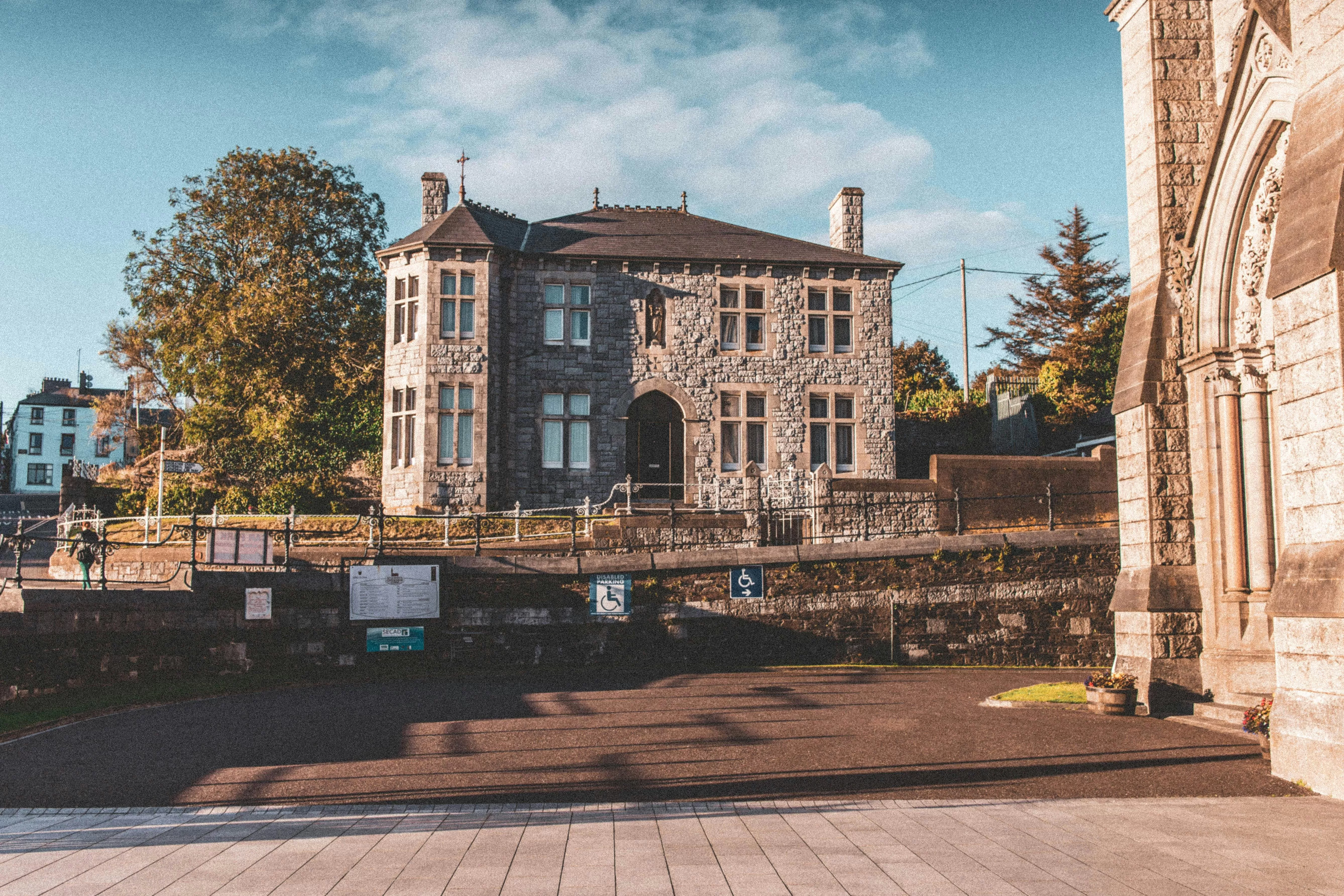
Buying a Victorian house in the UK means purchasing a property built between 1837 and 1901, typically characterised by solid brick construction, high ceilings, sash windows, decorative detailing, and period layouts. These homes offer architectural character and long-term demand resilience, but they also require careful assessment of structural condition, insulation performance, legal constraints, and renovation costs before exchange of contracts.
What Is a Victorian House?
A Victorian house is a residential property built during Queen Victoria’s reign (1837–1901). These homes reflect rapid urban expansion, industrial development, and evolving architectural styles across England, Wales, Scotland, and Northern Ireland.
Core Architectural Features
Most Victorian houses share recognisable structural and design elements:
- Solid brick walls (typically no cavity wall insulation)
- High ceilings (often 2.7m or higher)
- Bay windows and tall sash windows
- Decorative cornicing and ceiling roses
- Fireplaces in multiple rooms
- Narrow hallways in terraces
- Steep staircases
Construction methods relied on load-bearing brickwork and timber floor joists. Damp-proof courses were introduced later in the Victorian era, meaning early properties may lack modern damp protection.
How Victorian Homes Differ from Modern Properties
| Feature | Victorian House | Modern House |
|---|---|---|
| Wall Construction | Solid brick (no cavity) | Cavity wall with insulation |
| Energy Efficiency | Typically lower EPC (D–G) | Higher EPC (A–C) |
| Room Sizes | Larger ceiling height | More compact proportions |
| Layout | Separated reception rooms | Open-plan living |
| Maintenance | Higher ongoing upkeep | Lower short-term maintenance |
Understanding this structural distinction is essential because financing, insurance, and renovation budgets are directly influenced by construction type and energy performance.
Are Victorian Houses Listed?
Some Victorian homes are listed buildings, particularly those with architectural or historic significance. If listed, buyers must obtain Listed Building Consent before altering structural elements, windows, fireplaces, or façades. However, most Victorian terraces and semis are not listed but may fall within conservation areas, which still impose planning restrictions.
Why Buy a Victorian House in the UK?
Buyers choose Victorian houses for architectural character, prime urban locations, and strong long-term resale appeal. These properties dominate established neighbourhoods in London, Manchester, Birmingham, Leeds, Bristol, and other major cities.
1. Established Prime Locations
Victorian homes were built during periods of industrial expansion and railway growth. As a result, they are typically located:
- Close to city centres
- Near train stations and transport links
- Within mature residential communities
- Adjacent to parks and high streets
For investors, this location advantage supports rental demand stability and resale liquidity.
2. Architectural Character and Buyer Demand
Original period features—such as sash windows, encaustic tiled hallways, cast iron fireplaces, and ornate plasterwork—create emotional appeal that modern builds cannot replicate. This aesthetic demand often sustains price resilience during slower market cycles.
3. Value-Add Renovation Potential
Many Victorian homes have undergone partial modernisation. Buyers can unlock value through:
- Rear kitchen extensions
- Loft conversions
- Basement conversions (subject to planning)
- Energy efficiency upgrades
Well-executed renovations that preserve character while improving functionality tend to command premium resale values.
4. Rental Market Strength
Victorian terraces and conversions are popular in the private rental sector due to:
- Large room sizes suitable for sharers
- Proximity to employment hubs
- High tenant turnover flexibility
Landlords must, however, factor in EPC compliance rules and maintenance planning.
Types of Victorian Properties Available
Victorian housing stock in the UK varies by region and urban density. Understanding property type helps buyers estimate maintenance obligations and price positioning.
Victorian Terraced Houses
Terraces are the most common format. Built in rows, they share side walls and often feature two reception rooms with a rear kitchen extension.
Best for: First-time buyers, investors, city professionals.
Watch for: Party wall issues, damp, roof age, chimney stack condition.
Victorian Semi-Detached Houses
Semis offer more side access and garden space. They are common in suburban belts developed in the late Victorian period.
Best for: Growing families seeking space and period charm.
Watch for: Structural movement in bay windows and shared drainage systems.
Victorian Detached Villas
Large detached Victorian homes are often found in affluent conservation areas. They typically feature multiple reception rooms, high ceilings, and substantial plots.
Best for: High-net-worth buyers or those converting to multi-unit accommodation (subject to planning).
Watch for: Significant heating costs and full roof replacement risk.
Victorian Conversions (Flats)
Many large houses have been converted into flats. Buyers must assess lease length, service charges, and structural division quality.
Key considerations:
- Leasehold vs share of freehold
- Roof repair liability
- Sound insulation between units
Buying a Victorian house is not simply a style preference; it is a structural, financial, and legal commitment. Understanding construction type, location fundamentals, and property format is the foundation for making an informed decision.
What to Check Before Buying a Victorian House
A full structural assessment is essential when buying a Victorian property because age-related defects are common and not always visible during viewings. A Level 3 Building Survey (formerly full structural survey) is strongly recommended.
1. Damp and Moisture Issues
Victorian homes often lack modern damp-proof courses. Common issues include rising damp, penetrating damp, and condensation due to solid walls.
- Check for tide marks on walls
- Inspect skirting boards for rot
- Review ventilation in kitchens and bathrooms
2. Roof Condition
Original slate roofs may exceed 100 years in age. While slate is durable, battens, flashing, and chimney stacks may require repair.
- Look for slipped slates
- Assess chimney stack stability
- Confirm last roof replacement date
3. Structural Movement
Bay windows and shallow foundations can cause cracking. Not all cracks indicate subsidence, but structural engineer review may be required if movement is ongoing.
4. Electrical and Plumbing Systems
Many Victorian houses have outdated wiring or pipework. Full rewiring can be necessary if the system predates modern regulations.
5. Energy Performance
Solid brick walls reduce insulation efficiency. Check EPC rating and upgrade potential, especially if buying as a landlord due to minimum energy standards.
How Much Does It Cost to Buy and Renovate a Victorian House?
The total cost of purchasing a Victorian home includes acquisition costs, renovation allowances, and ongoing maintenance planning. Buyers should budget beyond the purchase price.
Typical Upfront Costs
| Cost Item | Estimated Range |
|---|---|
| Survey (Level 3) | £600–£1,500 |
| Conveyancing Fees | £1,000–£2,000+ |
| Stamp Duty | Varies by price band |
| Mortgage Valuation | £300–£800 |
Renovation Cost Estimates
| Project | Typical Cost Range |
|---|---|
| Full Rewire | £4,000–£10,000 |
| New Roof | £8,000–£20,000 |
| Loft Conversion | £30,000–£60,000+ |
| Rear Extension | £40,000–£90,000+ |
| Damp Treatment | £2,000–£8,000 |
Costs vary by region, property size, and structural complexity. London and South East projects typically exceed national averages.
Legal Process & Conveyancing Considerations
Buying a Victorian property follows the standard UK conveyancing process, but additional legal checks may apply due to age and location.
Key Legal Checks
- Conservation area restrictions
- Listed building status
- Planning permission for past extensions
- Building regulation certificates
- Party wall agreements (for terraces/semi-detached)
Failure to verify historic alterations can expose buyers to enforcement risk or remedial costs after completion.
Mortgage & Financing Considerations
Most Victorian houses are mortgageable, but lenders assess structural integrity and habitability.
Standard Residential Mortgage
Suitable if the property is in good condition and meets lender valuation standards.
Renovation or Bridging Finance
Appropriate where extensive works are required before the property becomes habitable.
Buy-to-Let Mortgage
Landlords must ensure compliance with EPC regulations and tenant safety standards.
Common Buyer Mistakes to Avoid
- Relying solely on mortgage valuation instead of commissioning a full survey
- Underestimating renovation timelines
- Ignoring energy efficiency upgrade costs
- Failing to review conservation restrictions
- Over-improving beyond local market ceiling price
A Victorian house can be a strong long-term investment, but financial prudence and technical due diligence are essential before exchange of contracts.
What Is It Like Living in a Victorian House?
Living in a Victorian house typically means larger room proportions, higher ceilings, and architectural detailing, but also higher heating costs and more ongoing maintenance compared to modern homes.
Space and Layout
Victorian properties were designed with formal separation between rooms. While this provides privacy and sound separation, it may feel compartmentalised compared to contemporary open-plan layouts. Many owners reconfigure ground floors to create kitchen-dining spaces while retaining period features at the front of the property.
Thermal Comfort
Solid brick walls lose heat faster than insulated cavity walls. Without upgrades such as internal wall insulation, secondary glazing, or draught-proofing, winter heating bills can be significantly higher. However, high ceilings and thick masonry can keep interiors cooler during warmer months.
Maintenance Expectations
Owners should expect cyclical maintenance including:
- Repointing brickwork with lime mortar
- Maintaining timber sash windows
- Roof inspections every 3–5 years
- Gutter and chimney upkeep
Preventative maintenance is more cost-effective than reactive structural repair.
Are Victorian Houses a Good Investment?
Victorian houses can perform strongly as long-term investments due to location fundamentals, architectural scarcity, and buyer demand for period features. However, performance depends on purchase price discipline and renovation control.
Capital Growth Considerations
Properties in established inner-city neighbourhoods tend to benefit from:
- Limited new-build competition
- High owner-occupier demand
- Strong school catchments
Growth potential is maximised when improvements align with local market standards rather than exceeding them.
Rental Yield Considerations
For landlords, Victorian terraces often attract professional tenants and sharers. Yield calculations must factor in:
- Energy efficiency upgrade costs
- Licensing (if operating as HMO)
- Ongoing repair reserves
Cash flow projections should include conservative maintenance assumptions due to property age.
How to Maximise Resale Value
Resale value in Victorian homes increases when modern functionality is integrated without removing original character.
High-Impact Improvements
- Sympathetic kitchen extensions with roof lights
- Restoration of original fireplaces and cornicing
- Energy efficiency improvements that preserve façade appearance
- Loft conversions with compliant head height
Improvements to Avoid
- Removing period features unnecessarily
- Installing inappropriate uPVC windows in conservation areas
- Over-customisation beyond neighbourhood price ceiling
Buyers in this segment typically value authenticity combined with practical upgrades.
Frequently Asked Questions
Are Victorian Houses Expensive to Maintain?
They generally require higher maintenance than modern homes due to age-related repairs, roof upkeep, and energy inefficiencies, but costs vary based on prior renovations and condition.
Can you get a Mortgage on a Victorian house?
Yes. Most Victorian houses are mortgageable if structurally sound and habitable. Lenders may require additional surveys if significant defects are identified.
Do Victorian Houses have Damp Problems?
Some do, particularly earlier builds without damp-proof courses. Proper ventilation and appropriate lime-based repairs are essential to prevent moisture issues.
Are Victorian Homes Energy Efficient?
Typically less efficient than modern builds due to solid walls, but insulation upgrades, draught-proofing, and efficient boilers can significantly improve performance.
Is Buying a Victorian House a Good Long-Term Decision?
In strong locations with controlled renovation costs, Victorian properties can provide durable long-term value and stable buyer demand.
Key Takeaways
- Construction Matters: Solid brick walls and ageing infrastructure require specialist surveys.
- Location Advantage: Victorian homes are often in prime, transport-linked neighbourhoods.
- Renovation Discipline: Budget realistically for structural and energy upgrades.
- Legal Checks: Always verify conservation status and historic planning compliance.
- Long-Term Appeal: Character properties maintain consistent demand when properly maintained.
References
- UK Government Planning Portal – Listed Buildings and Conservation Areas
- Historic England – Traditional Building Construction Guidance
- RICS Home Survey Standard Guidance
- UK EPC and Minimum Energy Efficiency Standards Regulations