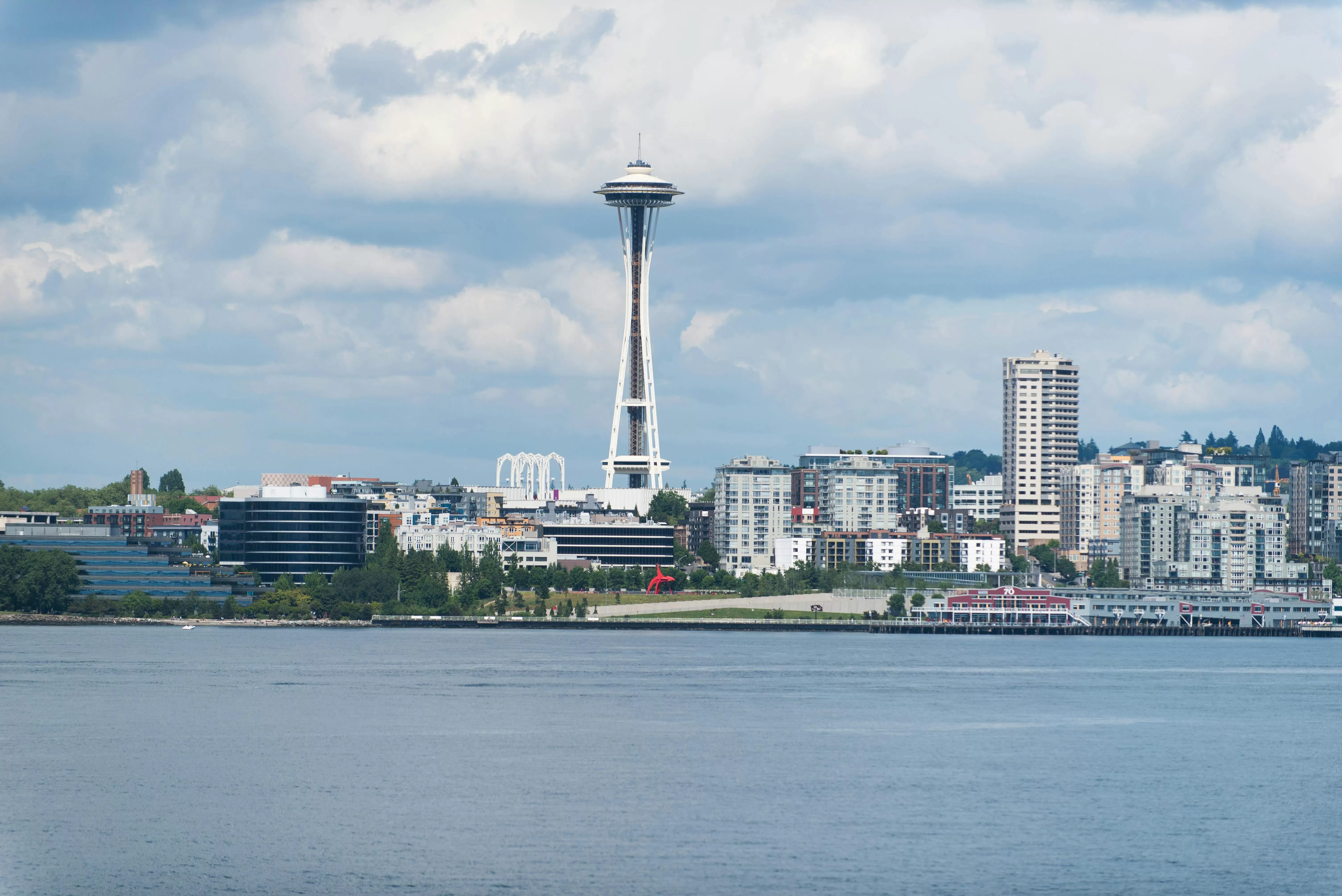
The best neighbourhoods in Seattle for strong resale value typically combine limited housing supply, consistent buyer demand, high-quality schools, access to employment centres, and strong long-term development fundamentals. Areas such as Ballard, Green Lake, West Seattle, Queen Anne, and Capitol Hill historically maintain competitive appreciation rates and liquidity because they offer desirable lifestyles, stable property demand, and proximity to Seattle’s major job corridors. Buyers who prioritise these fundamentals often see more reliable resale performance compared with neighbourhoods driven only by short-term market trends.
Seattle’s housing market is shaped by a mix of geographic constraints, technology-driven employment growth, and strong population inflows. These factors create persistent competition for homes in well-located neighbourhoods. However, not every area performs equally when it comes to resale strength. Some neighbourhoods command durable buyer demand year after year, while others experience more volatile appreciation or longer selling times.
Understanding where long-term demand concentrates allows buyers and investors to reduce risk when purchasing property. The following guide explains which Seattle neighbourhoods tend to retain strong resale value and why, including the economic, demographic, and location factors that influence long-term property performance.
How Resale Value Works in Seattle’s Housing Market
Resale value refers to the ability of a property to sell quickly and at a competitive market price relative to similar homes in the area. In Seattle, strong resale performance is usually associated with neighbourhoods that consistently attract new buyers due to lifestyle amenities, reliable transport access, employment proximity, and limited development capacity.
Several structural characteristics shape resale value across Seattle neighbourhoods. Geography is one of the most influential factors. The city is surrounded by water bodies, including Puget Sound, Lake Washington, and Lake Union, which restricts land availability and concentrates housing demand in certain districts. As a result, neighbourhoods with established infrastructure and zoning stability tend to experience stronger long-term price resilience.
Employment concentration also plays a central role. Seattle hosts major employers, including technology firms, aerospace companies, research institutions, and healthcare systems. Neighbourhoods located within convenient commuting distance of these employment centres often maintain a steady flow of potential buyers.
Buyer demographics further influence resale strength. Many Seattle buyers prioritise walkability, public transit access, and proximity to parks and waterfront areas. Neighbourhoods that provide these amenities tend to maintain higher demand even during slower market cycles.
Key Drivers of Strong Resale Value in Seattle Neighbourhoods
Homes located in neighbourhoods with strong resale value usually share several characteristics that attract long-term buyer demand.
- Proximity to employment centres: Easy access to Downtown Seattle, South Lake Union, and major technology campuses increases buyer interest.
- Walkability and local amenities: Restaurants, retail corridors, parks, and public gathering spaces improve neighbourhood desirability.
- Quality schools and community infrastructure: Families often prioritize school districts and neighborhood stability.
- Transit connectivity: Access to light rail, frequent bus routes, or bike infrastructure supports consistent demand.
- Limited housing supply: Established neighbourhoods with restricted development capacity tend to retain value more effectively.
These factors create a durable demand base. Even during periods of market slowdown, homes in high-demand neighbourhoods typically sell faster and experience smaller price adjustments than homes in less established areas.
For buyers planning future resale, understanding these structural drivers is often more important than short-term market fluctuations. Neighbourhood fundamentals tend to influence long-term property value more strongly than temporary housing cycles.
Why Ballard Consistently Performs Well for Resale
Ballard is widely considered one of Seattle’s most reliable neighbourhoods for long-term resale value due to its combination of historic character, waterfront access, strong retail corridors, and proximity to major employment hubs. The neighbourhood has evolved from a maritime and industrial district into a vibrant residential community with sustained buyer demand.
One reason Ballard performs well in the resale market is its balanced housing mix. The neighbourhood includes single-family homes, townhouses, condominiums, and small multifamily buildings. This diversity attracts a broad range of buyers, including first-time homeowners, young professionals, and investors.
Ballard’s location also contributes significantly to resale strength. The neighbourhood sits northwest of Downtown Seattle and offers relatively convenient access to employment centres such as South Lake Union, Fremont, and the University District. Commuting options include major arterial roads, public transit routes, and bicycle infrastructure connecting to the city’s employment corridors.
Neighbourhood Characteristics That Support Ballard’s Property Demand
Ballard’s consistent housing demand is supported by a combination of lifestyle amenities and economic accessibility.
- Active commercial district: Ballard Avenue hosts restaurants, boutiques, cafés, and local markets that attract both residents and visitors.
- Waterfront access: The Ballard Locks, Shilshole Bay, and nearby marina provide recreational opportunities that increase neighbourhood appeal.
- Strong cultural identity: Historic architecture and Nordic heritage give the area a distinctive character valued by many buyers.
- Public transit connectivity: Bus routes link Ballard with Downtown Seattle and other employment centres.
- High walkability: Many daily services are accessible without a car.
Because of these characteristics, Ballard homes often attract multiple buyer segments. Properties appealing to diverse buyers generally maintain stronger resale value because demand remains stable even if one buyer segment becomes less active.
Another factor supporting Ballard’s long-term housing performance is continued neighbourhood investment. Infrastructure improvements, commercial development, and ongoing residential construction reinforce the area’s reputation as a desirable place to live.
While housing prices in Ballard are higher than in many suburban neighbourhoods, the area’s consistent demand historically reduces resale risk for owners planning to sell in the future.
Why Green Lake Homes Maintain Strong Long-Term Demand
Green Lake is one of Seattle’s most consistently desirable residential areas because it combines natural amenities with central city accessibility. Homes near the lake often retain strong resale value due to limited housing supply and sustained demand from buyers seeking outdoor recreation and walkable community environments.
The defining feature of the neighbourhood is the Green Lake Park area, which includes a popular walking and cycling path surrounding the lake. This amenity functions as a year-round recreational destination for residents across the city. Properties located within walking distance of major parks often command higher resale demand because outdoor access remains a long-term lifestyle priority for many buyers.
Green Lake’s central location further contributes to property performance. The neighbourhood sits near several major Seattle districts, including Fremont, Wallingford, and the University District. This location allows residents to reach technology offices, research institutions, and medical centres within relatively short commuting distances.
Factors That Strengthen Green Lake’s Housing Resale Market
Several characteristics support a strong long-term demand for homes in the Green Lake area.
- Limited land availability: Most of the neighbourhood is already developed, which restricts new housing supply.
- Proximity to major parks: Access to Green Lake Park significantly increases lifestyle appeal.
- Stable residential environment: The neighbourhood contains many established single-family homes and tree-lined streets.
- Access to surrounding commercial areas: Nearby retail districts in Fremont and Wallingford provide restaurants and local services.
- Appeal to multiple buyer groups: Families, professionals, and long-term residents all compete for housing in the area.
Because inventory remains relatively limited, Green Lake homes often receive sustained buyer interest whenever properties become available. This scarcity tends to support both price stability and faster resale timelines compared with areas experiencing rapid new construction.
Buyers who prioritise long-term value frequently focus on neighbourhoods with strong natural amenities and established residential character. Green Lake exemplifies this type of market environment, which helps explain its continued resale strength over many housing cycles.
Why Queen Anne Remains One of Seattle’s Most Stable Resale Markets
Queen Anne consistently ranks among Seattle’s strongest neighbourhoods for property resale value because of its central location, architectural character, and limited housing inventory. Positioned immediately north of Downtown Seattle, the area offers convenient access to major employment centres while maintaining a quiet residential atmosphere.
One of the primary drivers of Queen Anne’s resale strength is its long-established housing stock. Many homes in the neighbourhood feature historic architecture, well-preserved streetscapes, and mature landscaping. These characteristics create a distinctive residential environment that cannot easily be replicated through new development.
The neighbourhood is typically divided into Upper Queen Anne and Lower Queen Anne. Upper Queen Anne is known for single-family homes, quiet streets, and views of the city skyline, while Lower Queen Anne provides more condominium developments and direct access to cultural institutions, restaurants, and entertainment venues.
Characteristics That Support Queen Anne’s Long-Term Property Demand
Several neighbourhood fundamentals make Queen Anne attractive to buyers planning long-term ownership.
- Central location: Short commuting distance to Downtown Seattle, South Lake Union, and major employment districts.
- Architectural heritage: Many homes feature early twentieth-century designs that contribute to neighbourhood character.
- Walkable local centre: Upper Queen Anne Avenue provides grocery stores, restaurants, cafés, and everyday services.
- Views and topography: Elevated terrain offers views of Puget Sound, downtown skyscrapers, and surrounding mountains.
- Limited redevelopment capacity: Zoning and topography restrict large-scale construction, helping maintain property scarcity.
Because Queen Anne combines residential stability with city accessibility, it continues to attract professionals, families, and long-term homeowners. Properties in neighbourhoods with a broad buyer base generally maintain stronger resale potential across different housing cycles.
Why Capitol Hill Attracts Consistent Buyer Demand
Capitol Hill is one of Seattle’s most dynamic housing markets and continues to demonstrate strong resale performance due to its dense urban amenities, cultural significance, and excellent public transit connectivity. The neighbourhood appeals to buyers seeking walkability, nightlife, access to employment, and a vibrant community.
The district sits just east of Downtown Seattle and borders major employment areas such as South Lake Union and the Central Business District. This location makes it particularly attractive to professionals working in technology, healthcare, education, and research institutions.
Public transit also plays a major role in the area’s housing demand. The presence of light rail stations and extensive bus routes allows residents to travel throughout the city without relying heavily on personal vehicles. Neighbourhoods with strong transit connectivity often retain higher resale demand because transportation access remains valuable regardless of economic conditions.
Key Drivers of Capitol Hill’s Housing Market Strength
Capitol Hill’s property demand is supported by a combination of urban lifestyle advantages and economic accessibility.
- High walkability: Residents can reach restaurants, entertainment venues, grocery stores, and services within short distances.
- Public transit access: Light rail and bus routes connect the neighbourhood to major employment centres.
- Strong rental market: Investors often purchase properties due to consistent rental demand.
- Cultural significance: The area hosts arts venues, music spaces, and community events that reinforce its identity.
- Employment proximity: Close distance to Downtown Seattle and South Lake Union technology offices.
Although Capitol Hill contains a higher proportion of condominiums and smaller homes than some other neighbourhoods, these property types often attract younger buyers entering the housing market. Strong entry-level demand frequently contributes to reliable resale activity.
Why West Seattle Continues to Offer Strong Long-Term Value
West Seattle has increasingly gained attention from homebuyers seeking a balance between urban access and coastal living. Located southwest of Downtown Seattle across Elliott Bay, the area offers scenic waterfront views, residential neighbourhoods, and a community-oriented environment that appeals to families and long-term residents.
One of the most significant advantages of West Seattle is its natural setting. Neighbourhoods such as Alki, Admiral, and Fauntleroy provide access to beaches, waterfront parks, and expansive views of the Puget Sound. These features make the area attractive to buyers who prioritise outdoor recreation and quieter residential surroundings.
Housing inventory in West Seattle consists largely of single-family homes and townhouses, which tend to attract buyers planning longer-term residence. Properties intended for long-term ownership frequently show stronger resale performance because homeowners invest in maintaining property quality and neighbourhood stability.
Advantages That Support West Seattle’s Property Demand
Several characteristics contribute to the neighbourhood’s growing resale appeal.
- Waterfront lifestyle: Access to beaches and waterfront parks enhances long-term desirability.
- Family-friendly environment: Residential streets and community schools attract long-term homeowners.
- Distinct neighbourhood centres: Areas such as Alaska Junction provide retail, dining, and daily services.
- Relative housing affordability: Prices can be more accessible compared with central Seattle districts.
- Strong community identity: Residents often remain in the neighborhood for extended periods.
Infrastructure improvements and transportation investments continue to influence West Seattle’s housing market. When connectivity to Downtown Seattle improves, buyer demand often increases, which can support long-term property value growth.
Key Property Factors That Influence Resale Value in Seattle
Beyond neighbourhood selection, several property-level characteristics can influence a home’s resale performance in Seattle. Buyers evaluating long-term value should consider these factors when comparing potential purchases.
- Walkability and nearby amenities: Homes near grocery stores, parks, schools, and restaurants often attract stronger buyer interest.
- Transit proximity: Access to light rail stations, major bus corridors, or bike infrastructure improves resale appeal.
- Lot size and expansion potential: Larger lots or properties with redevelopment potential may attract future buyers.
- Home condition and renovation quality: Well-maintained homes generally sell faster and require fewer buyer concessions.
- Natural light and views: Seattle buyers often prioritise properties with large windows, views, or outdoor space.
- Energy efficiency and modern systems: Updated electrical, heating, and insulation systems can increase long-term value.
Homes that combine these characteristics with a desirable neighbourhood location usually experience stronger demand when owners eventually decide to sell.
Common Buyer Mistakes That Hurt Future Resale Value
Some homebuyers focus exclusively on current pricing without considering long-term resale implications. This approach can lead to purchasing properties that become more difficult to sell later. Avoiding several common mistakes can help protect resale potential.
Overlooking Neighborhood Fundamentals
Buyers sometimes prioritise interior upgrades while ignoring broader neighbourhood trends. Even a well-renovated property may struggle in resale markets if the surrounding area lacks consistent demand drivers such as transit access, employment proximity, or community amenities.
Buying in Areas With Excessive New Construction
Neighbourhoods experiencing large volumes of new housing supply can temporarily weaken resale demand because buyers have many competing options. While development can improve long-term infrastructure, oversupply may reduce short-term resale pricing power.
Ignoring Transportation and Commute Patterns
Seattle’s geography and traffic patterns significantly influence property desirability. Homes with difficult commutes to major employment centres may attract fewer buyers, particularly if alternative neighbourhoods offer better transportation access.
Overpaying for Highly Customized Homes
Extensive custom renovations designed for specific tastes may limit the pool of potential buyers later. Properties with neutral layouts and broadly appealing features typically perform better in resale markets.
Evaluating both neighbourhood fundamentals and property-specific characteristics can help buyers reduce long-term risk and position their home for stronger resale performance.
Emerging Seattle Neighborhoods With Growing Resale Potential
While established districts such as Ballard, Queen Anne, and Green Lake historically maintain strong resale performance, several emerging neighbourhoods across Seattle are attracting increasing buyer attention. These areas often combine improving infrastructure, expanding commercial activity, and relative affordability compared with long-established districts. Buyers who enter these markets early sometimes benefit from future appreciation as neighbourhood amenities expand.
One example is Columbia City in southeast Seattle. The neighbourhood has experienced gradual revitalisation driven by small businesses, restaurants, and improved transit access. Its light rail connectivity allows residents to reach downtown employment centres efficiently, which supports steady housing demand.
Another area gaining interest is Beacon Hill. Its central location and transit accessibility make it appealing for buyers seeking more attainable home prices compared with nearby urban neighbourhoods. Over time, infrastructure improvements and residential development have strengthened buyer confidence in the area’s long-term prospects.
North Seattle neighbourhoods such as Maple Leaf and Roosevelt have also seen rising demand. Proximity to transit stations, parks, and schools attracts both families and professionals seeking quieter residential streets while maintaining access to central Seattle.
Characteristics Shared by High-Potential Emerging Neighborhoods
Neighbourhoods that transition into strong resale markets often share several early indicators.
- Transit investment: New light rail stations or bus corridors improve accessibility.
- Growth in local businesses: Independent retail, restaurants, and cafés increase neighbourhood activity.
- Residential redevelopment: Renovation of older homes and moderate new construction improves housing quality.
- Community investment: Park upgrades, pedestrian improvements, and streetscape projects signal long-term development.
- Increasing buyer interest: Rising sales activity often indicates a neighbourhood gaining market attention.
Although emerging neighbourhoods may offer stronger growth potential, they can also involve greater uncertainty than established districts. Buyers typically benefit from researching local development plans, transportation projects, and zoning regulations before purchasing property in these areas.
How Smart Buyers Evaluate Resale Value Before Purchasing
Experienced buyers and property investors often analyse several practical indicators when assessing a home’s future resale potential. These indicators help determine whether a property is likely to attract future buyers and maintain value over time.
Review Historical Market Performance
Analysing historical price appreciation and sales activity within a neighbourhood provides insight into long-term market stability. Areas that demonstrate consistent growth over multiple economic cycles often indicate resilient housing demand.
Examine Neighborhood Supply Constraints
Limited developable land frequently supports stronger property values because the new housing supply cannot easily expand. In Seattle, natural boundaries such as lakes, hills, and waterways often restrict development, which helps maintain scarcity in certain districts.
Evaluate Infrastructure and Transit Access
Public transit, walkability, and proximity to employment hubs strongly influence resale demand. Buyers frequently prioritize neighborhoods with reliable transportation options because these locations remain desirable even as commuting patterns evolve.
Assess Community Amenities
Parks, schools, waterfront access, and neighbourhood retail centres all contribute to long-term housing demand. Areas that offer a balanced mix of residential and community amenities typically attract a wider range of buyers.
Consider Property Flexibility
Homes with adaptable layouts, additional living space, or renovation potential often appeal to more buyers in the future. Flexibility allows future owners to modify the property to suit changing lifestyle needs.
By evaluating these factors before purchasing, buyers can make more informed decisions and reduce the risk associated with future resale.
Long-Term Outlook for Seattle Property Values
Seattle’s long-term housing outlook remains closely tied to economic growth, population trends, and infrastructure development. The city continues to function as a major technology and innovation hub, attracting skilled workers and new residents each year. Population growth tends to increase housing demand, particularly in neighbourhoods located near employment centres and transit corridors.
Geographic limitations also play a key role in shaping long-term property values. Seattle’s landscape includes significant natural barriers such as Puget Sound, Lake Washington, and hilly terrain. These features restrict outward expansion and concentrate housing demand within established urban districts.
Infrastructure investment may further influence property markets over time. Expanding transit networks, including light rail extensions, can reshape commuting patterns and increase accessibility for previously overlooked neighbourhoods. Areas that gain improved connectivity often experience rising demand from buyers seeking convenient transportation options.
However, housing markets remain cyclical. Interest rates, broader economic conditions, and construction activity can influence short-term price movements. Buyers focused on long-term ownership often benefit from prioritizing neighborhood fundamentals rather than attempting to predict short-term market fluctuations.
Historically, Seattle neighbourhoods that combine strong employment access, walkable amenities, and limited housing supply have demonstrated resilient resale performance across multiple housing cycles. These fundamentals continue to shape the city’s property market and influence where buyers choose to invest.
Frequently Asked Questions
Which Seattle neighbourhoods typically have the strongest resale value?
Top cities in neighbourhoods such as Ballard, Green Lake, Queen Anne, Capitol Hill, and parts of West Seattle are often associated with strong resale value. These areas combine limited housing supply, central locations, established amenities, and consistent buyer demand.
What factors most affect resale value when buying a home in Seattle?
Key factors include neighbourhood desirability, proximity to employment centres, transit access, walkability, school quality, and housing supply constraints. Property condition, layout flexibility, and lot characteristics can also influence resale performance.
Are emerging neighbourhoods in Seattle good investments for resale?
Emerging neighbourhoods can offer growth potential when infrastructure improvements, transit expansion, and community investment increase buyer demand. However, these areas may involve more uncertainty compared with established neighbourhoods that already have proven market stability.
Does proximity to light rail improve resale value?
Properties located near reliable transit infrastructure often attract strong buyer demand because convenient transportation remains valuable to many homeowners. Transit accessibility can broaden the pool of potential buyers when selling a property.
Is Seattle still a strong real estate market for long-term property value?
Seattle’s long-term housing demand has historically been supported by population growth, technology sector employment, and geographic supply constraints. While short-term market conditions fluctuate, neighbourhoods with strong fundamentals often maintain resilient property valuation.
Key Takeaways
- Location drives resale value: Seattle neighbourhoods close to employment hubs, transit systems, and amenities typically maintain stronger housing demand.
- Established districts remain reliable: Areas such as Ballard, Queen Anne, Green Lake, Capitol Hill, and West Seattle consistently attract buyers.
- Emerging neighbourhoods can offer growth: Areas experiencing transit investment and community development may see increasing resale potential.
- Property features still matter: Home condition, layout flexibility, natural light, and lot characteristics influence buyer interest.
- Long-term fundamentals outweigh short-term trends: Neighbourhood demand, infrastructure access, and supply constraints usually determine resale performance over time.
References
- Seattle housing market reports and neighbourhood data published by regional real estate associations.
- Urban planning and housing supply studies related to Seattle metropolitan development.
- Regional transit expansion plans and transportation infrastructure documentation.
- Population and employment growth reports for the Seattle metropolitan area.
- Long-term residential property market analyses for major U.S. cities.