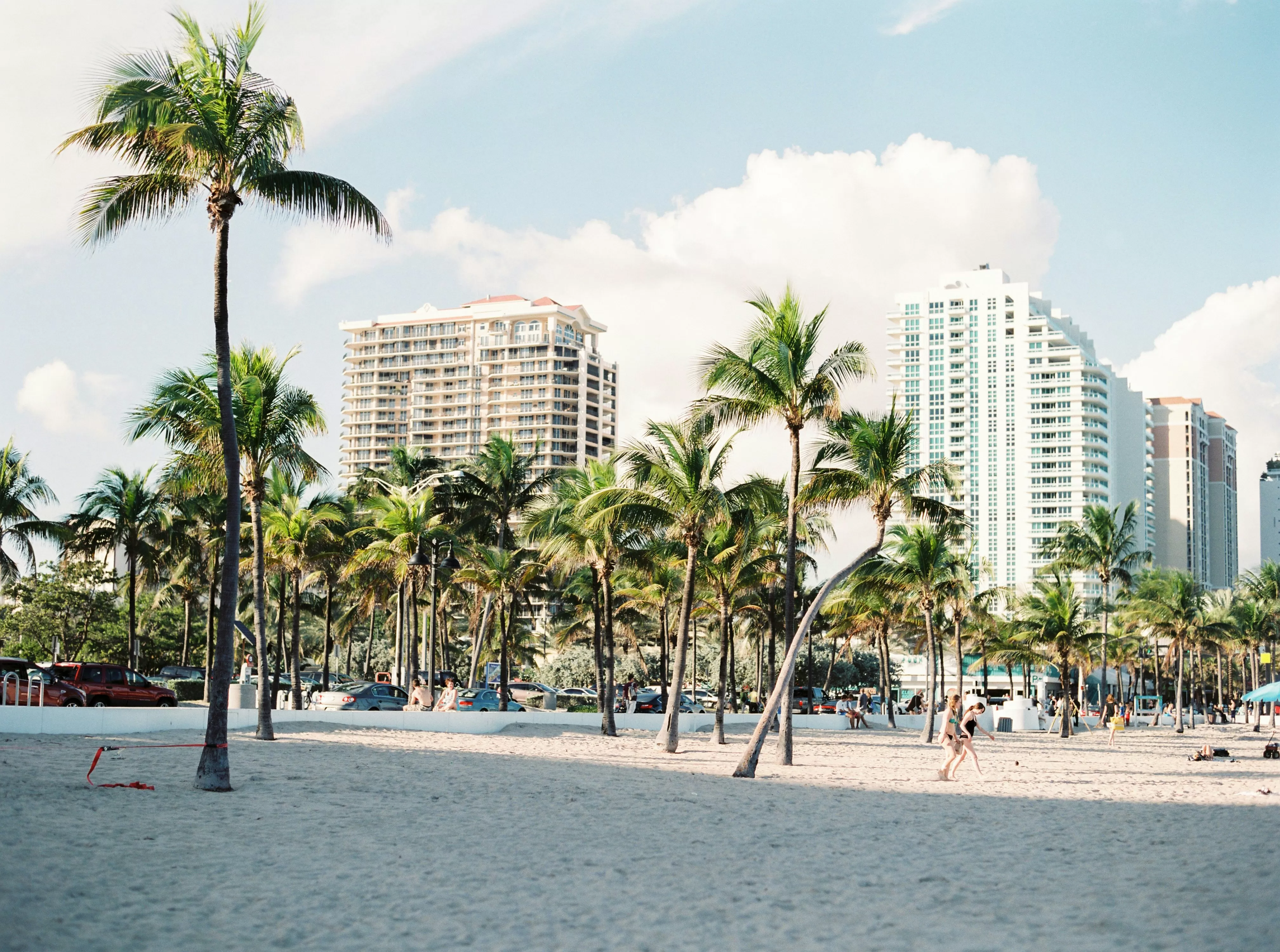
Miami offers a diverse range of neighbourhoods that cater to both lifestyle preferences and long-term investment goals. The best areas to buy a house depend on your priorities—whether that’s waterfront living, rental income potential, appreciation rates, or community atmosphere. High-demand neighbourhoods like Brickell, Coconut Grove, Coral Gables, Wynwood, and Miami Beach consistently attract buyers due to strong property values, lifestyle amenities, and rental demand. Choosing the right location requires balancing budget, growth potential, and livability.
Why Miami Is a Prime Market for Buyers and Investors
Miami remains one of the most active real estate markets in the United States due to population growth, international demand, and tax advantages. The absence of state income tax, combined with a strong tourism economy and global appeal, continues to drive both residential purchases and rental property investments.
From a lifestyle perspective, Miami offers year-round warm weather, coastal access, and a diverse cultural environment. For buyers, this translates into sustained housing demand across multiple segments—from luxury waterfront estates to urban condominiums.
For investors, Miami’s strength lies in three key factors: rental demand, appreciation potential, and liquidity. Short-term rental markets, especially in areas near the beach or downtown, generate consistent income. Meanwhile, long-term appreciation is supported by limited land availability in prime coastal zones and ongoing infrastructure development.
However, market entry requires careful analysis. Insurance costs, property taxes, and climate-related risks (such as flooding) are critical considerations that vary significantly by neighborhood.
How to Choose the Right Miami Neighborhood
The best neighbourhood in Miami is not universal—it depends on your financial goals, risk tolerance, and intended use of the property. Buyers should evaluate neighbourhoods through three primary lenses: lifestyle fit, investment performance, and long-term sustainability.
1. Define Your Primary Objective
If your goal is personal use, prioritise livability factors such as safety, schools, commute times, and community atmosphere. If your goal is investment, focus on rental yields, occupancy rates, and appreciation trends.
2. Evaluate Property Price vs. Growth Potential
Established neighbourhoods like Coral Gables and Miami Beach typically offer stability but higher entry costs. Emerging areas such as Little River or Allapattah may provide lower entry points with stronger upside potential, albeit with higher risk.
3. Analyze Rental Demand
Short-term rental demand is strongest in tourist-driven areas like Miami Beach and Downtown. Long-term rental demand is more stable in residential neighbourhoods near employment centres, universities, and transport hubs.
4. Consider Regulatory Environment
Miami has specific zoning and short-term rental regulations that vary by neighborhood. Buyers must verify whether vacation rentals are permitted, as this directly affects income potential.
5. Assess Climate and Insurance Factors
Flood zones, hurricane exposure, and rising insurance premiums are critical considerations. Properties in elevated areas or newer constructions may offer lower long-term risk and cost.
Ultimately, selecting a neighborhood requires aligning your financial strategy with local market realities rather than relying solely on popularity or trends.
Top Neighborhoods in Miami: Overview and Positioning
Miami’s real estate landscape is segmented into distinct neighbourhood profiles, each serving different buyer types. Understanding how these areas are positioned helps narrow down the most suitable options.
Brickell: Urban Living and High Rental Demand
Brickell is Miami’s financial district and a hub for young professionals. It offers high-rise living, walkability, and proximity to major employers. Rental demand is strong, particularly for luxury apartments, making it attractive for investors seeking consistent occupancy.
However, entry prices are relatively high, and competition among rental units can impact yields. Brickell is best suited for buyers prioritising liquidity and urban lifestyle.
Coconut Grove: Lifestyle Appeal and Long-Term Stability
Coconut Grove is known for its greenery, waterfront parks, and residential character. It attracts families and buyers seeking a quieter environment without leaving the city.
Property values here tend to be stable, with steady appreciation over time. While rental yields may be lower than in tourist-heavy areas, the neighbourhood offers strong long-term value and lower volatility.
Coral Gables: Premium Residential Investment
Coral Gables is one of Miami’s most established and prestigious neighbourhoods. It features historic architecture, top-rated schools, and strict zoning regulations that preserve its character.
This area appeals to high-net-worth buyers and long-term investors. While entry costs are high, properties in Coral Gables often retain value well, making them suitable for capital preservation.
Wynwood: Growth and Creative Economy
Wynwood has transformed from an industrial district into a vibrant arts and entertainment hub. It attracts younger demographics and benefits from ongoing commercial development.
For investors, Wynwood offers strong appreciation potential. However, it is still evolving, which introduces some market risk. Buyers should assess development pipelines and zoning changes before investing.
Miami Beach: Tourism-Driven Investment Opportunities
Miami Beach remains one of the most recognisable real estate markets globally. It offers beachfront properties, luxury condos, and strong short-term rental demand.
This area is ideal for investors targeting vacation rentals. However, it comes with higher exposure to regulatory changes and climate-related risks, which must be factored into any purchase decision.
Each of these neighbourhoods serves a distinct purpose. The optimal choice depends on whether the priority is lifestyle quality, rental income, or long-term appreciation.
Detailed Neighborhood Analysis for Buyers and Investors
Each top Miami neighbourhood performs differently depending on whether the goal is rental income, appreciation, or primary residence. A closer analysis reveals how buyer profiles align with specific areas.
Brickell: Best for Liquidity and Rental Turnover
Brickell’s strength lies in its consistent tenant demand driven by finance, tech, and international business sectors. Units here typically experience shorter vacancy periods compared to suburban areas.
Investors benefit from strong rental absorption, but must account for high HOA fees and new inventory entering the market. This creates a competitive environment where pricing strategy becomes critical.
Coconut Grove: Best for End-Users and Long-Term Value
Coconut Grove appeals to owner-occupiers more than short-term investors. Buyers here prioritise lifestyle—green spaces, proximity to the bay, and a community-oriented atmosphere.
While rental yields are moderate, the area demonstrates consistent long-term appreciation, making it suitable for wealth preservation strategies.
Coral Gables: Best for Stability and Low Volatility
Coral Gables operates as a controlled market due to strict zoning and limited new development. This constraint supports property values even during broader market fluctuations.
Investors should view this area as a defensive asset class rather than a high-yield opportunity. Demand is driven by families and professionals seeking stability.
Wynwood: Best for Appreciation and Commercial Synergy
Wynwood continues to evolve as a mixed-use district combining residential, retail, and entertainment. Its growth is fueled by infrastructure investment and a strong creative economy.
Investors targeting appreciation may find opportunities in early-stage developments. However, due diligence is essential, particularly regarding zoning, future supply, and tenant profiles.
Miami Beach: Best for Short-Term Rental Income
Miami Beach offers one of the strongest short-term rental markets in the region. Seasonal demand from tourists creates high income potential for properly managed properties.
However, regulatory enforcement is strict in certain zones. Investors must verify licensing requirements and building rules before purchasing.
Emerging Miami Neighborhoods with High Growth Potential
Beyond established areas, several emerging neighbourhoods are attracting investor attention due to lower entry costs and redevelopment activity. These locations carry a higher risk but can deliver stronger returns if timed correctly.
Little River: Early-Stage Growth Market
Little River is undergoing a transformation driven by new residential and commercial projects. Property prices remain relatively accessible compared to central Miami.
The area appeals to investors willing to hold assets long-term while redevelopment matures. Infrastructure improvements and business activity are key indicators to monitor.
Allapattah: Industrial to Residential Transition
Allapattah is shifting from an industrial base to a mixed-use environment. Its proximity to Downtown and Wynwood enhances its investment appeal.
Early investors may benefit from price appreciation as redevelopment continues, but short-term rental demand remains limited compared to more established districts.
North Beach: Value Opportunity Near Prime Locations
North Beach offers comparatively lower prices than South Beach while still providing coastal access. Ongoing redevelopment initiatives are expected to increase its attractiveness.
This area suits buyers seeking a balance between affordability and long-term upside within a beachside setting.
Emerging neighbourhoods require a longer investment horizon and tolerance for market fluctuations. Buyers should focus on infrastructure projects, developer activity, and zoning changes when evaluating these areas.
Costs, Returns, and Key Investment Drivers
Understanding the financial structure of a Miami property purchase is essential for accurate return projections. Costs extend beyond the purchase price and directly influence profitability.
Key Cost Components
Buyers should account for property taxes, insurance premiums, maintenance, and where applicable, homeowners association (HOA) fees. Waterfront and high-rise properties typically incur higher insurance and maintenance costs.
Closing costs in Miami generally include title insurance, legal fees, and lender charges. These costs can vary depending on financing structure and property type.
Rental Yield Considerations
Gross rental yields in Miami vary by neighborhood and property type. High-demand urban areas may deliver consistent occupancy but slightly lower yields due to higher acquisition costs. Conversely, emerging neighbourhoods may offer stronger yields but less stability.
Appreciation Drivers
Long-term property value growth in Miami is influenced by limited land supply, international investment inflows, and infrastructure development. Areas with new transit links, commercial expansion, or waterfront access tend to outperform over time.
Investors should evaluate both income potential and appreciation prospects rather than relying on a single metric.
Legal and Financial Considerations When Buying in Miami
Purchasing property in Miami involves legal and financial processes that differ from those in other markets, particularly for international buyers.
Property Ownership and Title Verification
Buyers must ensure clear title ownership and verify that there are no liens or disputes attached to the property. Title insurance is commonly used to mitigate risk.
Financing Options
Both domestic and international buyers can access financing, although terms may vary. Foreign buyers often face higher down payment requirements and stricter lending criteria.
Tax Implications
Property taxes in Miami are based on assessed value and local tax rates. Additionally, rental income is subject to federal taxation, and international buyers may be subject to withholding requirements.
Short-Term Rental Regulations
Not all neighbourhoods permit short-term rentals. Buyers must confirm zoning laws, licensing requirements, and building-specific rules before purchasing.
Failure to comply with local regulations can result in fines or restrictions that significantly impact investment returns.
Common Mistakes Buyers Make in Miami Real Estate
Even experienced buyers can misjudge Miami’s unique market dynamics. Avoiding common mistakes is critical to achieving both lifestyle satisfaction and financial success.
Overlooking Total Ownership Costs
Many buyers focus on purchase price while underestimating insurance, HOA fees, and maintenance expenses. These costs can materially affect affordability and returns.
Ignoring Flood Zones and Climate Risk
Properties in flood-prone areas may carry higher insurance premiums and long-term risk. Buyers should review flood maps and building elevations before making a decision.
Assuming Short-Term Rentals Are Allowed Everywhere
Short-term rental restrictions vary widely across Miami. Assuming universal eligibility can lead to costly compliance issues.
Chasing Trends Without Market Analysis
Buying in a “hot” neighbourhood without understanding supply pipelines, pricing trends, and demand drivers can result in overpaying or reduced returns.
Underestimating Market Cycles
Miami’s market can be cyclical. Buyers should plan for fluctuations and avoid relying on short-term price movements when making long-term investments.
Best Miami Neighborhoods by Buyer Type
The most effective way to select a Miami neighbourhood is to match it with your buyer profile. Each area serves a distinct purpose, and aligning your goals with the right location improves both lifestyle satisfaction and financial outcomes.
Best for First-Time Buyers
First-time buyers should focus on affordability, steady appreciation, and manageable ownership costs. Neighbourhoods like North Beach and Allapattah provide lower entry prices compared to premium districts while still offering access to key employment areas.
These areas allow buyers to enter the market without overextending financially, while still benefiting from long-term growth potential.
Best for Luxury Buyers
Luxury buyers typically prioritise exclusivity, waterfront access, and premium amenities. Coral Gables and Miami Beach remain top choices due to their established prestige and high-end property offerings.
These neighbourhoods offer strong value retention and global appeal, making them suitable for both personal use and capital preservation.
Best for Rental Income Investors
Investors focused on rental income should prioritize neighborhoods with strong occupancy rates and tenant demand. Brickell and Miami Beach are leading options due to their appeal to professionals and tourists.
Short-term rental strategies perform best in tourist-driven zones, while long-term leasing is more stable in urban business districts.
Best for Long-Term Appreciation
Buyers seeking capital growth should consider emerging areas like Wynwood, Little River, and Allapattah. These neighbourhoods benefit from redevelopment and infrastructure investment.
While they carry a higher risk, they also present opportunities for above-average appreciation over time.
Best for Families
Family-oriented buyers often prioritise safety, schools, and community environment. Coconut Grove and Coral Gables consistently rank highly due to their residential character and access to quality education.
These areas provide a balance between urban convenience and suburban livability.
Final Considerations Before Buying in Miami
Buying a home in Miami requires a strategic approach that accounts for both lifestyle preferences and financial realities. Market conditions, regulatory frameworks, and environmental factors all play a role in determining the success of a purchase.
Buyers should conduct thorough due diligence, including property inspections, title verification, and neighbourhood analysis. Engaging local professionals—such as real estate agents, attorneys, and financial advisors—can help navigate complexities and reduce risk.
Timing is also important. While Miami offers long-term growth potential, short-term fluctuations can affect pricing and availability. A well-informed purchase decision should be based on data, not urgency.
Ultimately, the best neighbourhood aligns with your specific goals—whether that is generating income, building equity, or enhancing quality of life.
Frequently Asked Questions
What is the best neighbourhood in Miami for investment?
Brickell, Wynwood, and Miami Beach are among the top choices for investment due to strong rental demand and appreciation potential. The best option depends on whether the focus is short-term income or long-term growth.
Is Miami a good place to buy property in 2026?
Miami remains a strong market due to population growth, international demand, and tax advantages. However, buyers should carefully evaluate costs such as insurance and property taxes.
Which Miami neighbourhoods are safest for families?
Coconut Grove and Coral Gables are widely considered among the safest and most family-friendly neighbourhoods, offering strong community infrastructure and schools.
Can foreigners buy property in Miami?
Yes, foreign buyers can purchase property in Miami without major restrictions. Financing options may differ, and additional tax considerations may apply.
Are short-term rentals allowed in Miami?
Short-term rental regulations vary by neighbourhood. Some areas permit them, while others impose strict restrictions. Buyers must verify local zoning laws before purchasing.
Key Takeaways
- Location Strategy: The best Miami neighbourhood depends on whether your goal is lifestyle, rental income, or long-term appreciation.
- Top Areas: Brickell, Coconut Grove, Coral Gables, Wynwood, and Miami Beach each serve distinct buyer profiles.
- Emerging Opportunities: Neighbourhoods like Allapattah and Little River offer lower entry prices with higher growth potential.
- Risk Awareness: Insurance costs, flood risks, and regulatory restrictions must be carefully evaluated before purchase.
- Buyer Alignment: Matching your financial goals with the right neighbourhood is the most critical factor in long-term success.
References
- Miami-Dade County Property Appraiser Data
- U.S. Census Bureau Housing Reports
- Florida Department of Economic Opportunity Housing Data
- National Association of Realtors Market Insights
- Local Miami Zoning and Short-Term Rental Regulations