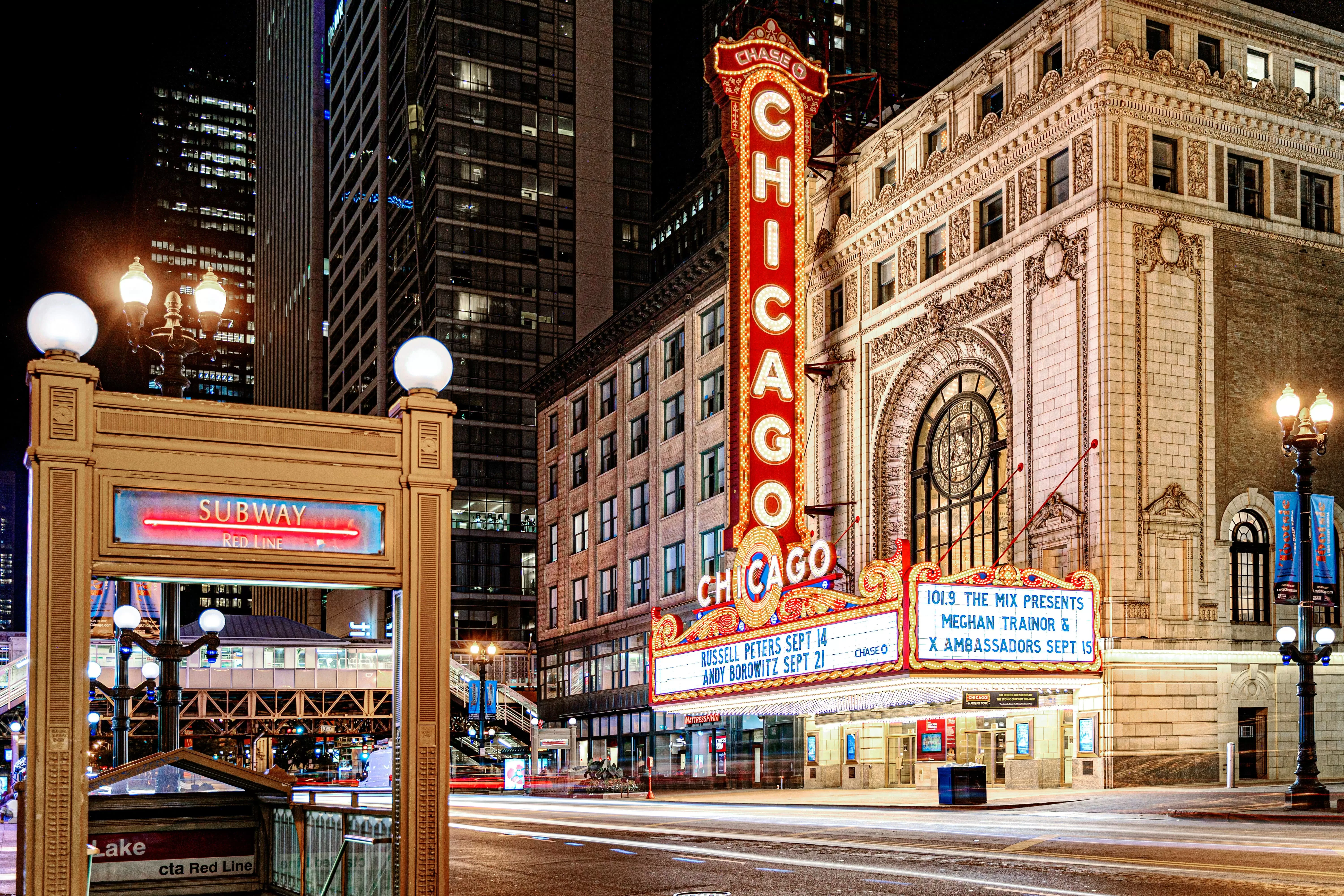
Chicago offers a wide range of neighbourhoods that suit different budgets, investment goals, and lifestyle preferences. The best areas to buy a house depend on whether you prioritise affordability, long-term appreciation, rental income, or proximity to employment hubs. High-demand neighbourhoods such as Lincoln Park and Lakeview provide stability and strong resale value, while emerging areas like Logan Square and Bronzeville present higher growth potential at comparatively lower entry prices. Choosing the right neighbourhood requires evaluating price trends, local amenities, safety, infrastructure, and future development plans.
Understanding Chicago’s Housing Market for Buyers
Chicago’s real estate market is diverse and segmented, meaning there is no single "best" neighbourhood for all buyers. Instead, value depends on the alignment between your financial capacity, risk tolerance, and long-term goals. The city combines established residential zones with mature infrastructure and emerging districts undergoing redevelopment, offering opportunities across price tiers.
From a pricing perspective, Chicago remains more accessible than coastal markets like New York or San Francisco, yet it still provides strong urban fundamentals such as job density, public transportation, and cultural amenities. This balance makes it attractive for both first-time buyers and seasoned investors seeking stable returns.
Market conditions are shaped by several key factors:
1. Price Variation by Location
Property valuation differs significantly between neighborhoods. North Side areas typically command higher prices due to proximity to downtown, established amenities, and perceived safety. South and West Side neighbourhoods often offer lower entry points but may carry higher perceived risk or longer appreciation timelines.
2. Rental Demand and Investment Potential
Neighbourhoods near universities, employment hubs, and transit lines tend to generate consistent rental demand. Areas such as Lakeview and Logan Square are particularly attractive for landlords due to steady tenant turnover and relatively strong yields.
3. Property Types and Inventory
Chicago offers a mix of condos, townhomes, and single-family houses. Buyers should note that single-family homes are more limited in dense urban areas, often increasing competition and price pressure in desirable neighbourhoods.
4. Long-Term Appreciation Trends
Established neighbourhoods typically show steady, moderate appreciation, while transitional areas may offer higher upside but come with greater uncertainty. Buyers focused on capital growth often target neighbourhoods undergoing infrastructure upgrades or commercial development.
For most buyers, the optimal approach is not chasing the “cheapest” or “most popular” area, but identifying neighbourhoods where demand drivers—such as transport access, schools, and local amenities—are improving.
How to Choose the Right Neighborhood in Chicago
The best neighborhood is determined by your objectives. A first-time buyer prioritising affordability will evaluate different criteria than an investor seeking rental income or a family looking for long-term stability. The following framework helps buyers make a structured decision.
1. Define Your Primary Goal
Start by identifying whether your purchase is for primary residence, rental income, or long-term investment. This decision influences everything from budget allocation to neighbourhood selection.
For example:
- Primary residence: Focus on safety, schools, commute, and lifestyle.
- Investment property: Prioritize rental demand, yield, and tenant demographics.
- Appreciation strategy: Look for areas with redevelopment and infrastructure growth.
2. Evaluate Affordability Beyond Purchase Price
Buying a house in Chicago involves more than the listing price. Buyers must account for property taxes, insurance, maintenance, and closing costs. Property taxes in Chicago can vary significantly by neighbourhood and should be factored into long-term affordability.
3. Assess Connectivity and Commute
Neighbourhoods with access to public transit—particularly CTA train lines—tend to maintain stronger demand. Easy connectivity to downtown employment centres is a key factor influencing both resale value and rental appeal.
4. Review Safety and Community Stability
Crime rates and neighbourhood stability are critical considerations. Buyers should analyse recent data trends rather than relying on outdated perceptions, as many Chicago neighbourhoods have undergone significant transformation.
5. Examine Amenities and Lifestyle Fit
Access to parks, restaurants, retail, and entertainment enhances both livability and property value. Neighbourhoods with walkable amenities often command higher prices but also retain demand during market fluctuations.
6. Study Development and Future Growth
Planned developments, zoning changes, and infrastructure projects can significantly impact property values. Areas experiencing commercial investment or transit expansion often see increased demand over time.
In practical terms, buyers should aim for a balance: a neighbourhood that meets current needs while offering future upside. Overpaying for peak-market locations can limit returns, while buying in underdeveloped areas without clear growth indicators increases risk.
Top Chicago Neighborhoods: Overview by Buyer Type
Chicago’s neighbourhoods can be grouped based on buyer priorities. This section provides a clear, structured overview to help different types of buyers identify suitable areas quickly.
Best Neighborhoods for First-Time Buyers
First-time buyers typically prioritise affordability, safety, and access to transportation. These neighbourhoods offer relatively lower entry prices while maintaining livability.
- Portage Park: Offers single-family homes at more accessible prices, with a suburban feel and good community infrastructure.
- Jefferson Park: Known for strong transit connections and quieter residential streets, making it suitable for long-term ownership.
- Avondale: A transitional area with growing demand, balancing affordability with proximity to trendier neighbourhoods.
These areas are particularly suitable for buyers seeking stability without entering the highest price brackets.
Best Neighbourhoods for Investment and Rental Income
Investors typically focus on neighbourhoods with strong rental demand, tenant turnover, and price appreciation potential.
- Logan Square: High demand among young professionals, with consistent rental activity and ongoing development.
- Pilsen: Cultural appeal and proximity to downtown contribute to increasing demand and appreciation potential.
- Uptown: Offers relatively lower entry prices with strong rental demand due to transit access and entertainment venues.
These neighbourhoods combine income potential with long-term growth prospects, though competition can be strong in high-demand areas.
Best Neighborhoods for Families
Families often prioritise safety, schools, green spaces, and community environment. These neighbourhoods are known for stability and livability.
- Lincoln Square: Offers a strong community atmosphere, good schools, and family-friendly amenities.
- Beverly: Known for larger homes, quieter streets, and a suburban feel within city limits.
- Edison Park: Popular for its safety, schools, and residential character.
These areas may come with higher purchase prices, but they tend to retain value due to consistent demand from family buyers.
Best High-End Neighborhoods for Long-Term Value
Buyers seeking premium properties with stable appreciation often focus on established, high-demand neighbourhoods.
- Lincoln Park: Offers premium housing, proximity to downtown, and strong resale value.
- Lakeview: Combines vibrant lifestyle amenities with consistent property demand.
- Gold Coast: Known for luxury properties and long-term prestige value.
While entry costs are higher, these neighbourhoods provide stability and liquidity, making them suitable for buyers with long-term investment horizons.
Understanding how neighbourhoods align with your objectives is essential. Rather than selecting based on popularity alone, smart buyers evaluate each area through the lens of affordability, demand drivers, and future growth potential.
Chicago Neighborhood Pricing and Value Insights
Property prices in Chicago vary widely depending on location, property type, and neighbourhood maturity. Buyers should focus less on median price alone and more on price-to-value alignment, which considers appreciation potential, rental income, and long-term desirability.
North Side neighbourhoods such as Lincoln Park and Lakeview typically command higher prices due to established demand, proximity to downtown, and access to amenities. In contrast, areas like Pilsen, Bronzeville, and parts of the West Side offer lower entry prices with higher appreciation potential, though they may involve greater risk and longer holding periods.
Buyers should interpret pricing through three lenses:
1. Entry Price vs. Growth Potential
Lower-priced neighbourhoods are not always “cheaper” in the long run. If an area lacks clear growth drivers—such as infrastructure, job access, or commercial investment—it may experience limited appreciation. Conversely, slightly higher entry prices in developing neighbourhoods can deliver stronger returns over time.
2. Price Stability vs. Volatility
Established neighbourhoods tend to show consistent price stability. Emerging neighbourhoods can experience faster price increases, but they may also be more sensitive to economic shifts.
3. Cost of Ownership
Chicago’s property tax structure plays a significant role in affordability. Buyers must evaluate not just purchase price but also ongoing costs, including taxes, insurance, and maintenance. Some neighbourhoods have notably higher tax burdens, which can impact overall returns.
Understanding these dynamics allows buyers to make decisions based on long-term value rather than short-term pricing trends.
Comparing Neighborhoods: Which One Fits Your Strategy
Choosing between Chicago neighbourhoods requires aligning your financial goals with the characteristics of each area. Buyers should compare neighbourhoods based on use case rather than general popularity.
For First-Time Buyers
Neighbourhoods like Portage Park and Jefferson Park offer a balanced combination of affordability, livability, and long-term stability. These areas allow buyers to enter the market without overextending financially, while still benefiting from steady demand.
For Cash Flow Investors
Logan Square and Uptown stand out due to strong rental demand and consistent tenant turnover. Investors targeting rental income should prioritise areas with access to public transit, employment hubs, and lifestyle amenities.
For Appreciation-Focused Buyers
Emerging neighbourhoods such as Pilsen and Bronzeville offer higher appreciation potential due to ongoing redevelopment and increasing demand. However, these markets require careful analysis of local trends and future development plans.
For Luxury and Long-Term Stability
Lincoln Park, Lakeview, and Gold Coast remain top choices for buyers seeking long-term value preservation. These neighbourhoods typically experience lower volatility and maintain strong resale demand even during market downturns.
The key is to avoid a one-size-fits-all approach. A neighbourhood that performs well for rental income may not be ideal for long-term appreciation, and vice versa.
Legal, Tax, and Financial Considerations for Buyers
Buying property in Chicago involves several legal and financial steps that can significantly impact both upfront costs and long-term returns. Understanding these factors is essential before selecting a neighbourhood.
1. Property Taxes
Chicago property taxes are among the most important ongoing costs. Tax rates vary by location and property classification, and reassessments can lead to changes in annual liabilities. Buyers should review historical tax data for any property under consideration.
2. Closing Costs
Closing costs in Chicago typically include title insurance, attorney fees, lender charges, and transfer taxes. These costs can add a meaningful percentage to the purchase price and should be factored into budgeting.
3. Zoning and Property Use
Zoning regulations determine how a property can be used. Investors planning to rent or redevelop should verify zoning compliance and any restrictions that may affect their strategy.
4. Financing Considerations
Mortgage rates, loan types, and lender requirements vary based on buyer profile and property type. Condominiums, for example, may have stricter lending criteria compared to single-family homes.
5. Inspection and Due Diligence
Professional inspections are critical in identifying structural issues, deferred maintenance, or compliance concerns. Skipping this step can lead to unexpected costs after purchase.
Buyers who approach the process with a clear understanding of these factors are better positioned to avoid financial surprises and make informed decisions.
Common Mistakes Buyers Make in Chicago
Even experienced buyers can make costly errors when navigating Chicago’s diverse real estate market. Avoiding these common mistakes can improve both short-term outcomes and long-term returns.
1. Overprioritizing Price Alone
Focusing solely on the lowest purchase price often leads buyers to neighbourhoods with limited demand or weak growth prospects. Value should be assessed in relation to long-term potential.
2. Ignoring Property Taxes
Failing to account for property taxes can significantly distort affordability calculations. Buyers should evaluate the total cost of ownership rather than just mortgage payments.
3. Misjudging Neighborhood Trends
Relying on outdated perceptions or incomplete data can lead to poor decisions. Neighbourhoods evolve, and buyers should base their decisions on current data and future development plans.
4. Skipping Local Research
Online research alone is not sufficient. Visiting neighbourhoods, assessing commute times, and evaluating local amenities provide a more accurate picture of livability and demand.
5. Lack of Clear Strategy
Entering the market without a defined objective—whether for living, renting, or investing—often results in mismatched purchases that do not meet long-term goals.
A disciplined, research-driven approach helps mitigate these risks and ensures better alignment between property choice and financial objectives.
Expert Insights for Smart Property Buyers
Smart buyers approach Chicago real estate with a combination of data analysis, local insight, and long-term planning. The following principles are commonly used by experienced investors and professionals.
Focus on Demand Drivers
Neighbourhoods with strong demand drivers—such as proximity to employment centres, transit access, and lifestyle amenities—tend to outperform over time.
Balance Risk and Return
Higher returns often come with higher risk. Buyers should ensure that potential rewards justify the level of uncertainty associated with emerging neighbourhoods.
Think Long-Term
Real estate is typically a long-term investment. Short-term market fluctuations are less important than sustained demand and growth potential.
Diversify When Possible
Investors with the capacity to own multiple properties should consider diversifying across neighbourhoods to balance risk exposure.
Work with Local Experts
Real estate agents, attorneys, and property managers with local experience can provide insights that are not immediately visible through market data alone.
By applying these principles, buyers can navigate Chicago’s market more effectively and make decisions grounded in both strategy and data.
Future Outlook: Where Chicago Neighborhoods Are Heading
Chicago’s housing market continues to evolve based on infrastructure investment, population movement, and economic development. Buyers evaluating neighbourhoods today should consider not only current conditions but also how areas are expected to perform over the next 5 to 10 years.
1. Continued Growth in Transit-Oriented Areas
Neighbourhoods with strong public transportation access are expected to maintain consistent demand. Areas along major CTA lines will likely continue to attract interest from both buyers and renters due to convenient commuting.
2. Expansion of Mixed-Use Developments
Neighbourhoods experiencing commercial and residential redevelopment—such as parts of Logan Square and Bronzeville—are likely to benefit from increased property values as amenities expand.
3. Rising Demand for Walkable Communities
Walkability remains a key factor influencing buyer decisions. Neighbourhoods offering access to retail, dining, parks, and services within short distances are expected to outperform less accessible areas.
4. Stability in Established Neighbourhoods
Premium neighbourhoods such as Lincoln Park and Lakeview are expected to maintain steady appreciation due to sustained demand and limited housing supply.
Buyers who align their purchase decisions with these trends are better positioned to benefit from long-term appreciation and market resilience.
Which Neighborhood Should You Choose Based on Your Profile
Choosing the right neighbourhood becomes clearer when aligned with your buyer profile. The following guidance provides direct, actionable direction for different types of buyers.
First-Time Buyers
If affordability and stability are your priorities, neighbourhoods like Portage Park, Jefferson Park, and Avondale offer practical entry points. These areas allow you to enter the market without excessive financial strain while still benefiting from steady demand.
Buy-to-Let Investors
For rental income, Logan Square, Uptown, and Pilsen provide strong tenant demand. These areas benefit from proximity to employment centres, cultural attractions, and public transit.
Families
Buyers seeking long-term livability should focus on Lincoln Square, Beverly, and Edison Park. These neighbourhoods provide a balance of safety, schools, and community environment.
High-Net-Worth Buyers
Luxury buyers targeting stability and prestige should consider Lincoln Park, Lakeview, and Gold Coast. These areas consistently attract demand and offer strong resale potential.
Appreciation-Focused Investors
For those willing to accept higher risk for potential upside, emerging neighbourhoods such as Bronzeville and Pilsen present opportunities tied to redevelopment and infrastructure improvements.
Matching your profile to the right neighbourhood reduces the likelihood of misaligned expectations and improves overall investment outcomes.
Frequently Asked Questions
What is the best neighbourhood in Chicago to buy a house?
The best neighbourhood depends on your goals. Lincoln Park and Lakeview are ideal for long-term stability, while Logan Square and Pilsen offer stronger growth potential at lower entry prices.
Is Chicago a good place to invest in real estate?
Chicago offers a balanced real estate market with relatively affordable entry prices compared to major coastal cities, strong rental demand, and diverse neighbourhood options, making it suitable for various investment strategies.
Which Chicago neighbourhoods are most affordable?
Neighbourhoods such as Portage Park, Jefferson Park, and parts of Avondale are considered more affordable while still offering livability and access to amenities.
Where should families buy a home in Chicago?
Lincoln Square, Beverly, and Edison Park are popular among families due to their community environment, schools, and residential character.
What should I consider before buying a house in Chicago?
Buyers should evaluate property taxes, neighbourhood trends, safety, connectivity, long-term growth potential, and total cost of ownership before making a decision.
Key Takeaways
- Neighbourhood choice drives value: The right location depends on your financial goals, not just popularity.
- Chicago offers diverse opportunities: From affordable entry points to luxury markets, buyers have multiple options.
- Emerging areas carry higher potential: Neighbourhoods like Pilsen and Bronzeville may offer stronger appreciation with higher risk.
- Established areas provide stability: Lincoln Park and Lakeview maintain consistent demand and resale value.
- Total cost matters: Property taxes and ongoing expenses significantly impact affordability and returns.
References
- Chicago Association of Realtors – Market Reports
- U.S. Census Bureau – Housing and Population Data
- City of Chicago – Property Tax and Zoning Information
- Federal Reserve Economic Data – Housing Market Trends
- Local MLS Data and Real Estate Market Analysis Reports