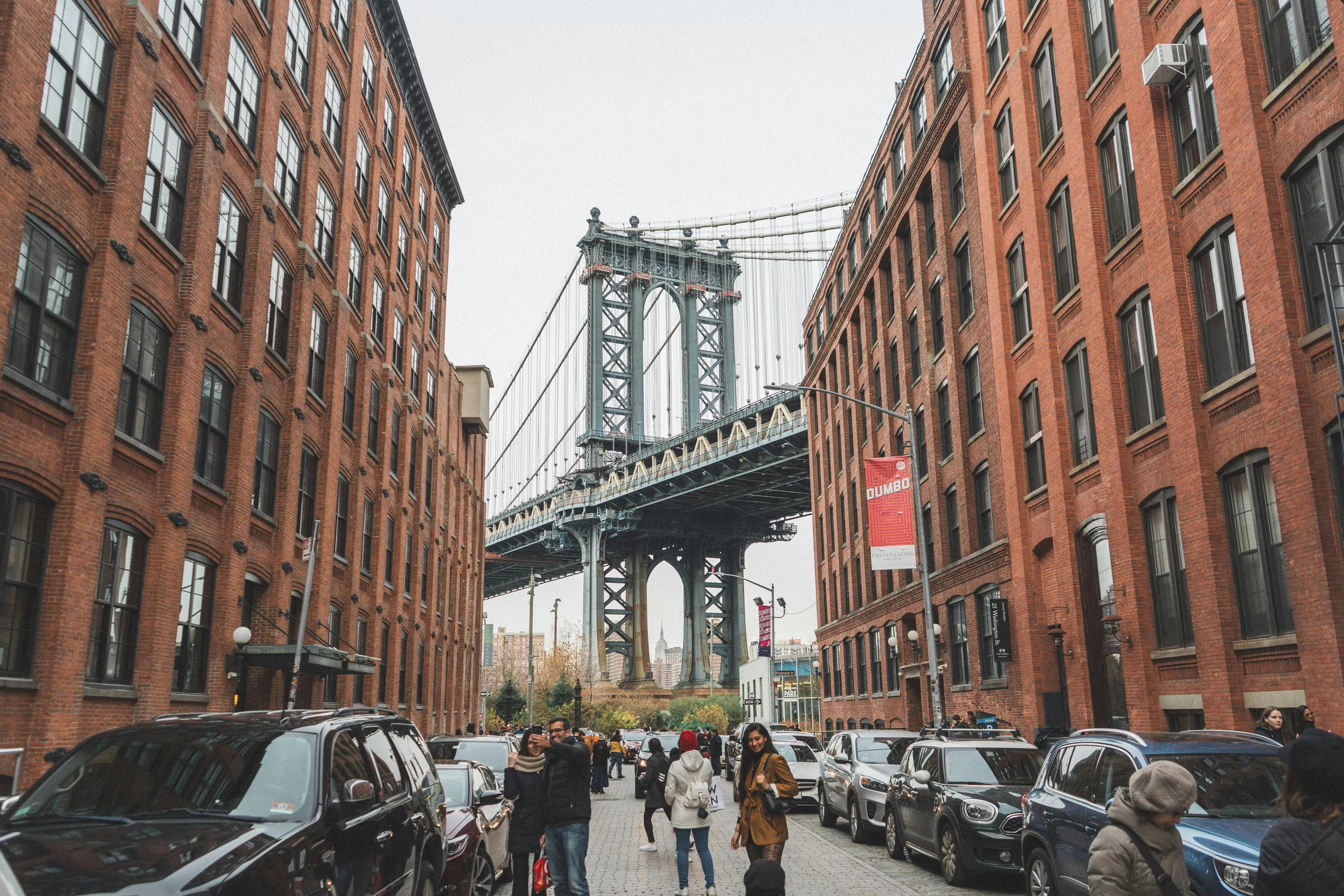
Brooklyn offers some of the strongest long-term residential appreciation opportunities in New York City, but not every neighbourhood performs equally. Areas with improving transit access, cultural momentum, new housing investment, and stable residential demand tend to produce the most consistent property value growth. For buyers seeking both financial upside and quality of life, neighbourhoods such as Park Slope, Williamsburg, Fort Greene, Prospect Heights, and Bed-Stuy stand out due to their combination of historic housing stock, strong buyer demand, walkable amenities, and ongoing development that continues to support price appreciation.
Why Brooklyn Real Estate Continues to Appreciate
Brooklyn has evolved from a secondary housing option to one of the most competitive real estate markets in the United States. Several structural factors contribute to the borough’s steady property appreciation, including housing supply constraints, demographic shifts, cultural growth, and infrastructure improvements.
The borough’s housing supply remains limited compared with demand. Many Brooklyn neighbourhoods are dominated by historic brownstones, landmarked buildings, and low-density residential zoning that restricts new development. Because new inventory cannot easily be added, rising buyer demand often pushes property values higher over time.
Population and income growth have also played a major role. Brooklyn has attracted professionals, entrepreneurs, and creative industries relocating from Manhattan and other major cities. This influx of residents has increased purchasing power in neighbourhoods that were historically more affordable, accelerating home price growth.
Another factor influencing appreciation is transportation access. Neighbourhoods located near multiple subway lines, express trains, or ferry routes often outperform the market because commuting convenience significantly affects buyer demand. As transit infrastructure expands or improves, surrounding residential areas frequently experience price increases.
Brooklyn’s cultural and lifestyle appeal further strengthens its housing market. Restaurants, independent retail, parks, arts venues, and waterfront redevelopment have transformed many districts into desirable residential environments. Buyers often prioritize neighborhoods offering a strong community identity alongside urban convenience.
These combined factors create a market where long-term property ownership can benefit from both lifestyle advantages and sustained capital growth. However, appreciation rates still vary widely depending on local conditions, making neighbourhood selection a critical part of the buying process.
How to Evaluate Brooklyn Neighborhoods for Property Growth
Choosing the right Brooklyn neighbourhood requires evaluating multiple indicators that influence property appreciation. Buyers and investors typically analyse long-term housing trends, local infrastructure, demographic changes, and neighbourhood livability before purchasing a home.
One of the most reliable indicators is historical price performance. Best NYC neighbourhoods that consistently demonstrate steady price increases over multiple market cycles tend to maintain strong buyer demand even during slower economic periods. Stability often indicates a balanced mix of residential appeal, limited housing supply, and consistent market interest.
Development activity also provides insight into future property values. The construction of new residential buildings, office spaces, parks, or cultural venues can signal growing demand for an area. When investment flows into a neighbourhood, nearby property valuations frequently follow as amenities and employment opportunities expand.
School quality and family amenities can significantly influence housing demand. Neighbourhoods with strong public schools, playgrounds, and community services often attract long-term homeowners rather than short-term renters. Stable residential populations contribute to more predictable price growth.
Walkability and neighbourhood design also matter. Areas with dense clusters of cafes, restaurants, grocery stores, and independent retail generally maintain higher desirability. Buyers increasingly prioritise communities where daily needs can be met within a short walk.
Safety and neighbourhood reputation are equally important. Improvements in public safety, street activity, and local investment can quickly change the perception of an area, bringing new buyers and increasing home values.
Finally, housing stock plays a role in appreciation potential. Brooklyn’s historic brownstones, townhouses, and pre-war buildings often command strong demand because they offer architectural character rarely found in newer developments. Properties with unique design, outdoor space, or renovation potential frequently see stronger resale value.
By combining these indicators, buyers can identify neighbourhoods that balance lifestyle advantages with long-term property investment potential.
Park Slope: Stable Appreciation with Exceptional Livability
Park Slope is widely considered one of Brooklyn’s most stable residential markets, offering consistent property appreciation alongside a high quality of life. Located along the western edge of Prospect Park, the neighbourhood combines historic architecture, excellent schools, and strong community infrastructure that continues to attract long-term homeowners.
The area is known for its tree-lined streets and preserved brownstone homes dating back to the late nineteenth century. These historic properties create a limited housing supply because zoning and landmark protections restrict large-scale redevelopment. As a result, demand for single-family houses and townhomes remains consistently strong.
Park Slope’s proximity to Prospect Park is a major lifestyle advantage. The park provides extensive green space, sports facilities, and recreational programming that appeal to families and outdoor enthusiasts. Access to such amenities often supports higher property values in surrounding residential areas.
Education is another driver of demand. Several highly regarded public and private schools are located in or near Park Slope, making the neighbourhood particularly attractive to families seeking long-term residence. Strong school zones frequently contribute to stable housing prices because buyers prioritise educational access when choosing a home.
The neighbourhood’s commercial corridors along Fifth Avenue and Seventh Avenue provide a diverse mix of restaurants, speciality shops, and daily services. This walkable retail environment allows residents to meet everyday needs without relying heavily on transportation, enhancing neighbourhood convenience and desirability.
Transit accessibility also supports property demand. Park Slope residents have access to multiple subway lines connecting to Manhattan and other parts of Brooklyn, making commuting relatively efficient. Reliable transit connectivity typically strengthens housing market resilience during economic fluctuations.
For buyers seeking long-term stability rather than speculative growth, Park Slope represents one of Brooklyn’s most dependable housing markets. While property prices are higher than in many other neighbourhoods, the combination of historic homes, strong schools, park access, and community appeal has historically supported steady appreciation over time.
Williamsburg: High Demand, Cultural Energy, and Strong Price Growth
Williamsburg has transformed over the past two decades into one of Brooklyn’s most recognisable and competitive housing markets. Located along the East River with direct transit access to Manhattan, the neighbourhood attracts professionals, entrepreneurs, and international buyers seeking both an urban lifestyle and long-term property value growth.
The neighbourhood’s appreciation history is closely tied to its redevelopment from a former industrial district into a mixed residential and cultural hub. Warehouse conversions, waterfront redevelopment, and zoning changes allowed new residential buildings to emerge while preserving the area’s creative identity.
Waterfront development along Kent Avenue and surrounding streets has significantly influenced housing demand. Modern condominium buildings with skyline views, riverfront parks, and pedestrian promenades have increased Williamsburg’s global visibility among buyers seeking high-end urban housing.
Williamsburg also benefits from exceptional transit connectivity. The L subway line provides direct service to Manhattan’s Union Square, making commuting convenient for professionals working in the city’s business districts. Easy transportation access consistently strengthens housing demand in New York neighbourhoods.
The neighbourhood’s lifestyle environment is another major driver of residential interest. Williamsburg offers a dense concentration of restaurants, music venues, galleries, independent retail, and nightlife destinations. These amenities attract younger buyers and professionals who prioritise cultural vibrancy and walkable neighbourhoods.
However, buyers considering Williamsburg should also understand its market dynamics. Property prices have risen significantly, and competition for well-located homes can be intense. While appreciation has historically been strong, the neighbourhood now functions as a mature market where price growth may be steadier rather than rapid.
For buyers who value urban energy, proximity to Manhattan, and continued demand from renters and homeowners alike, Williamsburg remains one of Brooklyn’s most influential housing markets.
Fort Greene: Historic Charm with Cultural and Transit Advantages
Fort Greene combines historic architecture, cultural institutions, and excellent transportation access, making it one of Brooklyn’s most desirable residential neighbourhoods. Located near Downtown Brooklyn, the area has long attracted artists, academics, and professionals who value both architectural character and proximity to employment centres.
The neighbourhood’s housing landscape is defined by beautifully preserved brownstones, townhouses, and smaller residential buildings from the nineteenth century. Many of these properties are located within historic districts, limiting new construction and preserving the area’s distinctive streetscapes.
Fort Greene Park serves as the neighbourhood’s central green space and community gathering place. Designed in part by Frederick Law Olmsted and Calvert Vaux, the park offers walking paths, sports facilities, and open lawns that enhance the residential quality of life.
Cultural institutions also contribute to the neighbourhood’s strong identity. The Brooklyn Academy of Music, independent theatres, and art venues attract visitors and residents alike, reinforcing the district’s reputation as a cultural destination.
Transportation connectivity further strengthens the local housing market. Multiple subway lines converge near Atlantic Terminal and surrounding stations, allowing residents to reach Manhattan and other boroughs efficiently. This transit accessibility supports consistent buyer demand.
Fort Greene appeals to buyers seeking historic homes in a culturally vibrant environment. While property prices can be substantial, the neighbourhood’s architectural heritage and central location have historically supported steady property value stability.
Prospect Heights: Boutique Residential Appeal Near Major Cultural Institutions
Prospect Heights offers a balanced combination of historic character, cultural attractions, and residential calm. Situated between Prospect Park, Crown Heights, and Fort Greene, the neighbourhood provides convenient access to Brooklyn’s most significant public spaces and cultural venues.
The housing stock primarily consists of brownstones, townhouses, and smaller apartment buildings constructed in the late nineteenth and early twentieth centuries. Compared with some neighbouring districts, Prospect Heights remains relatively compact, which limits housing supply and supports stable property demand.
One of the area’s defining features is its proximity to major cultural landmarks such as the Brooklyn Museum, the Brooklyn Botanic Garden, and the Brooklyn Public Library’s central branch. These institutions bring regular visitors and cultural programming that enhance neighbourhood visibility and desirability.
The Barclays Centre and surrounding commercial development have also influenced the neighbourhood’s housing market. The arena hosts concerts, sports events, and large-scale entertainment programming, increasing economic activity in nearby residential districts.
Residents of Prospect Heights benefit from strong subway connectivity, including several major transit lines that link the neighbourhood to Manhattan and other boroughs. Reliable transportation access continues to be a key factor supporting homebuyer demand.
Buyers interested in Prospect Heights often value its quieter residential atmosphere compared with more nightlife-oriented neighbourhoods while still benefiting from access to Brooklyn’s cultural core.
Bedford-Stuyvesant: Strong Appreciation Potential in a Transforming Market
Bedford-Stuyvesant, commonly known as Bed-Stuy, has emerged as one of Brooklyn’s most closely watched housing markets for long-term appreciation potential. The neighbourhood is known for its extensive collection of historic brownstones and townhouses, many of which date to the late nineteenth century.
Over the past decade, Bed-Stuy has experienced substantial investment through home renovations, new residential developments, and expanding retail corridors. As buyers seek alternatives to higher-priced neighbourhoods such as Park Slope and Fort Greene, demand for housing in Bed-Stuy has increased.
The neighbourhood offers architectural quality rarely found in many modern developments. Ornate facades, large interior spaces, and historic detailing make these homes attractive to buyers willing to undertake renovation projects.
Transit access continues to improve housing demand. Several subway lines connect Bed-Stuy to Manhattan and Downtown Brooklyn, making the area viable for commuters working in major employment centres.
Community identity remains an important aspect of the neighbourhood. Bed-Stuy has a rich cultural history and strong local community networks that continue to shape the area’s development.
Buyers considering Bed-Stuy should carefully evaluate individual blocks and property conditions. Because the neighbourhood is still evolving, property values can vary significantly depending on location, renovation status, and nearby amenities.
For investors and buyers seeking long-term appreciation rather than immediate stability, Bed-Stuy represents one of Brooklyn’s most dynamic housing markets.
Comparing Key Brooklyn Neighborhood Investment Characteristics
Each Brooklyn neighbourhood offers a different balance of lifestyle advantages and investment potential. Buyers should evaluate how factors such as housing prices, historic preservation, cultural amenities, and future development influence long-term property value.
Park Slope is widely regarded as a stable, family-oriented neighbourhood with strong schools and consistent housing demand. Appreciation tends to be steady rather than speculative.
Williamsburg, by contrast, offers a fast-paced urban environment with strong rental demand and international visibility. Property prices are higher, but the neighbourhood benefits from continued cultural relevance and waterfront redevelopment.
Fort Greene combines architectural beauty with proximity to major transportation hubs and cultural institutions. This balance often attracts professionals seeking historic homes near employment centres.
Prospect Heights offers a quieter residential atmosphere with close access to cultural landmarks and Prospect Park. Limited housing inventory helps maintain stable buyer demand.
Bedford-Stuyvesant represents a market where appreciation potential remains tied to ongoing neighbourhood investment and renovation activity. Buyers who enter earlier in development cycles may benefit from longer-term price growth.
Understanding these differences helps buyers select neighbourhoods aligned with both lifestyle priorities and financial objectives.
Financial Considerations When Buying a House in Brooklyn
Purchasing a home in Brooklyn involves several financial factors beyond the purchase price. Buyers should account for closing costs, property taxes, maintenance expenses, and potential renovation budgets when evaluating affordability.
Closing costs in New York City can include attorney fees, title insurance, mortgage recording taxes, and various administrative charges. These expenses can represent a meaningful portion of the total transaction cost and should be factored into budgeting decisions.
Property taxes vary depending on property type and assessed value. Townhouses, condominiums, and cooperative apartments are taxed differently under New York City’s property tax system, making it important for buyers to understand how ownership structure influences long-term expenses.
Maintenance costs can also vary significantly. Older brownstone homes may require periodic structural repairs, roof maintenance, and plumbing upgrades. Buyers should carefully review inspection reports and renovation estimates before committing to a purchase.
Financing conditions also influence purchasing power. Mortgage interest rates, lender requirements, and down payment expectations can affect which neighbourhoods and property types remain financially viable for buyers.
Working with experienced real estate attorneys, inspectors, and mortgage professionals helps buyers navigate these financial considerations with greater confidence.
Common Mistakes Buyers Make When Choosing Brooklyn Neighborhoods
Even experienced buyers can make costly mistakes when evaluating Brooklyn housing markets. Avoiding these common errors helps improve the likelihood of purchasing a property that performs well financially and supports long-term lifestyle needs.
One frequent mistake is focusing exclusively on property price while overlooking neighbourhood trends. Lower-priced homes may initially appear attractive, but could be located in areas with limited transit access or fewer long-term development prospects.
Another mistake involves underestimating renovation costs. Many historic homes require structural upgrades, electrical modernisation, or plumbing improvements. Buyers should carefully assess the condition of older buildings before finalising a purchase.
Some buyers also underestimate the impact of transportation access. Properties located near reliable subway lines often maintain stronger resale value because commuting convenience remains a top priority for many residents.
Ignoring neighbourhood lifestyle factors can also lead to dissatisfaction after purchase. Noise levels, nightlife activity, and tourism traffic can vary widely across Brooklyn neighbourhoods.
Finally, buyers sometimes overlook the importance of long-term resale appeal. Even if a property suits current needs, it should also attract future buyers when the time comes to sell.
Careful research and professional guidance can help buyers avoid these pitfalls and make more informed purchasing decisions.
Emerging Brooklyn Neighborhoods to Watch for Future Appreciation
While established neighbourhoods such as Park Slope and Williamsburg already command strong prices, several Brooklyn districts are gaining attention for their long-term growth potential. Buyers seeking earlier entry points into the market often monitor neighbourhoods where infrastructure investment, redevelopment, and demographic shifts are beginning to reshape local housing demand.
Sunset Park has seen increasing interest due to its waterfront redevelopment and proximity to Industry City, a large mixed-use complex that has introduced creative offices, retail spaces, and restaurants. Improvements to public spaces and continued commercial investment may support gradual housing demand in surrounding residential blocks.
Greenpoint continues to evolve as a northern extension of Williamsburg’s housing market. New residential towers along the East River waterfront and expanding retail corridors have increased the neighbourhood’s appeal among buyers seeking riverfront living with a slightly quieter environment.
Crown Heights has also experienced steady interest from homebuyers attracted to historic brownstone architecture and proximity to Prospect Park. As renovation activity and new businesses expand along key corridors, the neighbourhood continues to attract both investors and long-term residents.
These emerging areas may not yet offer the same stability as Brooklyn’s most established neighbourhoods, but they illustrate how investment patterns can gradually reshape property markets over time.
How Buyers Can Choose the Right Brooklyn Neighborhood
Selecting the right Brooklyn neighbourhood requires balancing financial goals with lifestyle priorities. Buyers who approach the process methodically are better positioned to identify areas where both quality of life and property value growth align.
The first step is clarifying personal priorities. Some buyers prioritise proximity to Manhattan employment centres, while others value park access, school quality, or cultural amenities. Understanding these priorities helps narrow the search to neighbourhoods that genuinely support daily living needs.
Buyers should also evaluate transportation access carefully. Subway availability, commuting times, and alternative transit options such as ferries or bus routes can significantly influence long-term housing demand and resale value.
Walking through neighbourhoods at different times of day can provide valuable insight into the community atmosphere. Observing street activity, retail patterns, and local services helps buyers understand how an area functions beyond property listings.
Another important factor is property type. Brooklyn neighbourhoods vary widely in housing stock, including historic brownstones, townhouses, condominium buildings, and cooperative apartments. Each property type has different ownership structures, maintenance responsibilities, and financing requirements.
Finally, working with experienced real estate professionals—particularly agents and attorneys familiar with Brooklyn transactions—can help buyers navigate complex market conditions, property regulations, and contract negotiations.
By combining careful research with professional guidance, buyers can identify neighbourhoods that offer both long-term residential satisfaction and reliable property investment potential.
Frequently Asked Questions
Which Brooklyn neighbourhoods have the strongest property appreciation?
Neighbourhoods such as Park Slope, Williamsburg, Fort Greene, and Prospect Heights have historically shown steady appreciation due to strong buyer demand, limited housing supply, and excellent transit access. Emerging areas like Bedford-Stuyvesant and Crown Heights may also offer long-term growth potential.
Is Brooklyn a good place to buy a house for investment?
Brooklyn remains one of the most resilient real estate markets in the United States. Strong rental demand, proximity to Manhattan, and limited housing supply often support long-term property value stability, making the borough attractive for both homeowners and investors.
What factors influence property appreciation in Brooklyn neighbourhoods?
Key factors include transportation access, school quality, housing supply constraints, cultural amenities, economic development, and neighbourhood reputation. Areas with improved infrastructure and increasing commercial investment often experience stronger housing demand.
Are Brooklyn brownstones a good long-term investment?
Historic brownstones are often considered valuable assets because of their architectural uniqueness, limited supply, and strong demand from buyers seeking traditional New York housing. Well-maintained brownstones in desirable neighbourhoods can maintain strong resale appeal.
What should first-time buyers consider before purchasing in Brooklyn?
First-time buyers should evaluate total ownership costs, including property taxes, maintenance expenses, closing costs, and potential renovations. Understanding neighbourhood trends and transportation access is also essential when choosing a location.
Key Takeaways
- Brooklyn offers diverse housing markets: Neighbourhoods vary widely in price, appreciation patterns, and lifestyle environment.
- Established neighbourhoods provide stability: Areas such as Park Slope and Fort Greene typically show consistent long-term property demand.
- Emerging neighbourhoods may offer growth potential: Districts experiencing redevelopment or demographic change can provide earlier investment opportunities.
- Transit access strongly influences property values: Proximity to subway lines and transportation hubs remains one of the most important drivers of buyer demand.
- Careful neighbourhood research matters: Evaluating schools, amenities, housing supply, and future development plans helps buyers make informed decisions.
References
- New York City Department of City Planning — Brooklyn Housing and Neighbourhood Data
- NYC Department of Finance — Property Tax and Assessment Information
- Brooklyn Chamber of Commerce — Economic and Development Reports
- NYC Open Data — Housing Market Statistics
- Urban Land Institute — Residential Market Trends in Major U.S. Cities