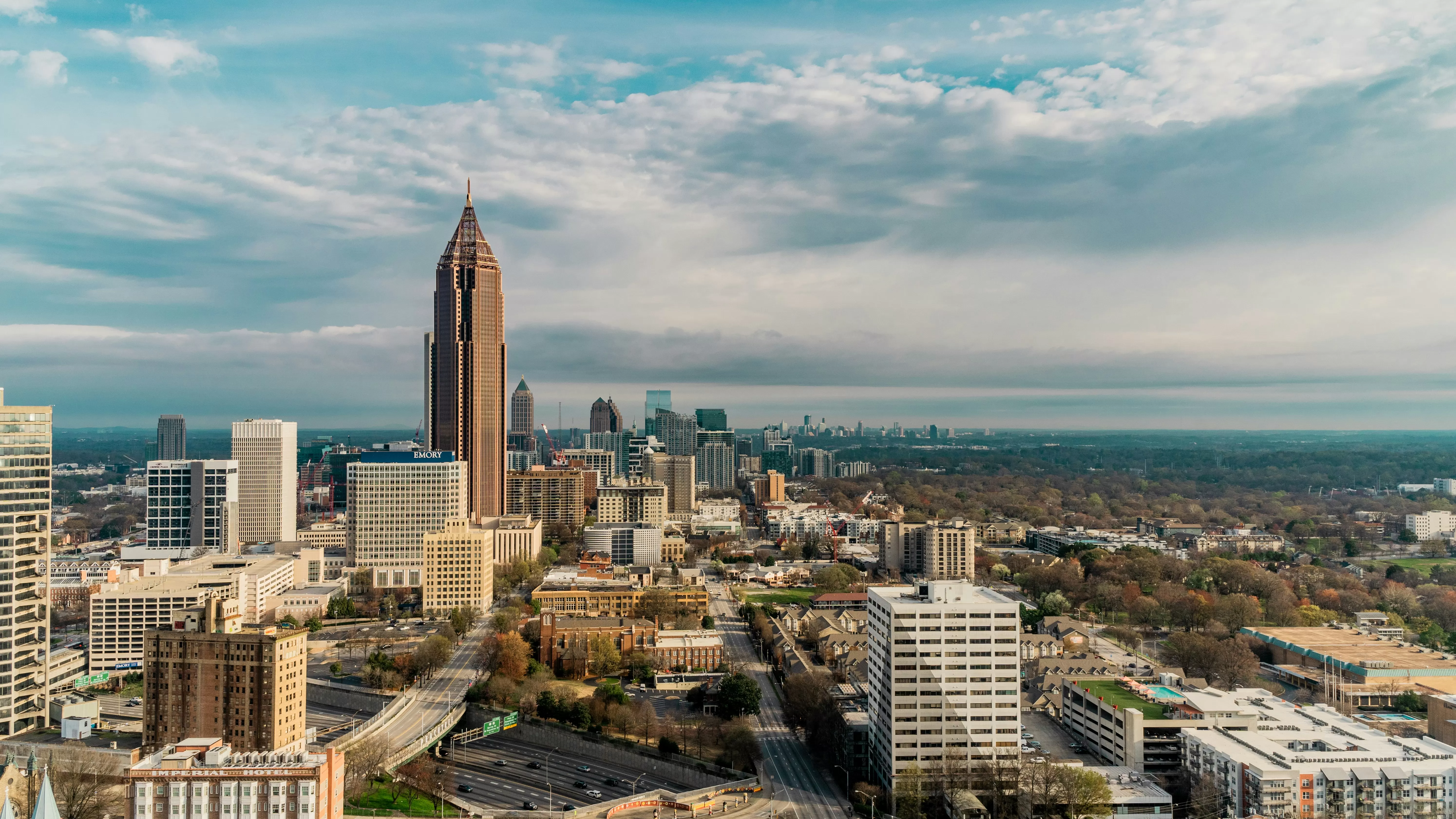
Boston remains one of the most resilient real estate markets in the United States, supported by strong employment sectors, world-class universities, limited land supply, and consistent housing demand. For buyers focused on long-term property appreciation, the best neighbourhoods in Boston combine stable housing demand, infrastructure investment, neighbourhood revitalisation, and access to employment hubs. Areas such as East Boston, Dorchester, Jamaica Plain, and South Boston are frequently identified by housing analysts and local market professionals as locations where home values have demonstrated strong historical growth and continued future potential.
Why Boston Real Estate Continues to Deliver Long-Term Growth
Boston’s housing market has historically experienced steady price appreciation because the city combines a constrained housing supply with persistent demand from professionals, students, researchers, and international investors. Unlike many U.S. cities where suburban expansion increases supply rapidly, Boston’s historic urban layout, zoning regulations, and geographical boundaries limit large-scale development. As a result, well-located neighbourhoods often experience sustained price pressure over time.
Several structural factors continue to support long-term housing growth across Boston. The city hosts one of the most diversified knowledge economies in the United States, driven by biotechnology, healthcare, finance, education, and technology. Major employers and research institutions draw thousands of highly skilled workers annually, creating consistent demand for housing close to employment centres and public transit corridors.
Boston’s strong rental market also contributes to long-term property value stability. Investors frequently target neighbourhoods with access to subway lines, universities, and employment districts because rental demand remains high year-round. This demand allows homeowners and landlords to generate income while property values appreciate over time.
Infrastructure investments further reinforce growth patterns. Transit upgrades, waterfront redevelopment, and mixed-use urban projects have transformed several Boston neighbourhoods over the past two decades. Areas once considered peripheral have become high-demand residential zones due to improved accessibility and new commercial activity.
For long-term buyers, this means that neighbourhood selection often matters more than short-term market timing. Identifying districts where redevelopment, transit access, and demographic shifts are occurring can significantly improve the probability of sustained property value growth.
Key Factors That Drive Long-Term Property Appreciation in Boston
Understanding why certain Boston neighbourhoods outperform others requires evaluating a combination of economic, geographic, and urban planning factors. These indicators often reveal which districts are positioned for long-term growth before prices fully reflect their potential.
Transit connectivity is one of the most reliable drivers of property demand in Boston. Homes located near MBTA subway lines, commuter rail stations, or major bus routes tend to experience stronger appreciation because buyers prioritise convenient access to employment centres such as Downtown Boston, Cambridge, and the Longwood Medical Area.
Employment proximity also plays a critical role. Neighbourhoods near technology clusters, universities, and hospitals often attract both owner-occupiers and renters. Areas located within commuting distance of institutions like major hospitals, research campuses, and universities typically maintain stable housing demand even during broader market fluctuations.
Urban redevelopment and zoning changes frequently trigger long-term appreciation. City planning initiatives that introduce mixed-use developments, waterfront access, public parks, and pedestrian infrastructure often transform neighbourhoods into desirable residential locations. Early buyers in these districts often benefit from price appreciation as the area matures.
Housing supply constraints also influence long-term values. Boston’s historic architecture and strict zoning regulations limit large-scale housing construction in many established neighbourhoods. Limited inventory combined with high demand tends to support steady price growth.
Demographic shifts can signal future demand patterns. Neighbourhoods attracting young professionals, graduate students, and families often experience sustained demand growth. This demographic influx frequently brings new retail, dining, and cultural amenities that further strengthen property valuation.
Buyers evaluating long-term growth potential typically analyse these factors together rather than relying solely on current home prices. A neighbourhood with improving transit access, new commercial investment, and increasing housing demand may offer stronger long-term appreciation than a more expensive but fully mature district.
East Boston: Infrastructure Investment and Waterfront Transformation
East Boston has emerged as one of the most closely watched neighbourhoods for long-term housing growth. Historically known for its immigrant communities and working-class housing stock, the area has undergone significant redevelopment driven by improved transit connectivity, waterfront revitalisation, and new residential construction.
The neighbourhood’s accessibility is one of its strongest advantages. The MBTA Blue Line connects East Boston directly to Downtown Boston in minutes, providing convenient commuting for professionals working in the Financial District and surrounding employment centres. Easy access to Logan International Airport also supports strong rental demand from airline staff, hospitality workers, and business travellers.
Waterfront redevelopment has further increased the area’s appeal. New parks, harborwalk pathways, and residential developments have transformed previously underutilised industrial areas into modern residential communities with scenic views and outdoor amenities. These projects have helped attract young professionals and first-time buyers seeking more affordable alternatives to central Boston neighbourhoods.
Compared with historically expensive districts such as Back Bay or Beacon Hill, East Boston has traditionally offered lower entry prices for homebuyers. While prices have increased over the past decade, many analysts still consider the neighbourhood relatively accessible compared with other waterfront locations in the city.
Investors often highlight East Boston’s housing mix as another strength. The neighbourhood includes classic triple-deckers, renovated condominiums, and new multifamily developments. This variety creates opportunities for both owner-occupiers and investors seeking rental income properties.
However, buyers should also consider potential risks when evaluating East Boston for long-term investment. Flood risk in certain waterfront areas, ongoing development pressures, and zoning changes can influence future housing dynamics. Conducting detailed property inspections, reviewing local flood maps, and evaluating long-term city planning initiatives are essential steps before purchasing.
Despite these considerations, East Boston remains one of the neighbourhoods most frequently identified by Boston housing professionals as a district with significant long-term growth potential due to its transit access, redevelopment momentum, and waterfront transformation.
Jamaica Plain: Lifestyle Appeal and Rising Property Demand
Jamaica Plain is one of the most attractive Boston neighbourhoods for long-term property growth because it combines strong transit access, lifestyle amenities, and a growing residential market that attracts both buyers and renters.
Located just southwest of downtown Boston, Jamaica Plain is known for its tree-lined streets, historic homes, and proximity to green spaces such as the Emerald Necklace park system. Over the last decade, the neighbourhood has experienced steady price appreciation as more professionals and families seek communities with walkability, parks, and transit connectivity.
One of Jamaica Plain’s strongest growth drivers is its balanced housing mix. Buyers can find Victorian single-family homes, triple-deckers, modern condos, and renovated historic properties. This diversity creates a broad demand base, which helps maintain long-term market resilience.
Why Jamaica Plain attracts long-term buyers
- Transit connectivity: Multiple MBTA Orange Line stations provide direct access to downtown Boston.
- Green space: Parks, trails, and the Jamaica Pond area increase livability and property desirability.
- Community identity: A strong local culture and neighbourhood-oriented businesses support long-term demand.
- Rental market strength: High rental demand from young professionals and graduate students.
Because of these fundamentals, Jamaica Plain often appeals to buyers who want to live in the property initially and benefit from long-term appreciation later.
South Boston: Waterfront Redevelopment and Equity Growth
South Boston has transformed dramatically over the past twenty years and remains one of the most important areas for long-term property appreciation in the Boston metropolitan market.
Historically a working-class neighbourhood, South Boston—often called “Southie”—has undergone extensive redevelopment. New waterfront projects, residential towers, office campuses, and public infrastructure have expanded the local economy and attracted higher-income residents.
The Seaport District, located within South Boston’s broader area, has become one of the fastest-growing innovation and technology hubs in the United States. This concentration of employment has significantly increased demand for nearby housing.
Investment advantages in South Boston
- Waterfront development: Continuous redevelopment creates long-term appreciation potential.
- Employment proximity: Major employers and tech companies increase demand for nearby housing.
- Luxury and mid-range housing mix: Condos, townhomes, and renovated historic buildings attract diverse buyers.
- Rental income potential: Young professionals working in Seaport and downtown often rent locally.
While entry prices can be higher than in some emerging neighbourhoods, South Boston remains attractive for buyers who prioritise stability, strong rental demand, and proximity to Boston’s expanding economic centres.
East Boston: Boston’s Fastest Transforming Housing Market
East Boston has become one of the city’s most closely watched real estate markets due to rapid redevelopment, improved transit access, and increasing investor interest.
Situated across Boston Harbour from downtown, East Boston historically offered more affordable housing compared to central neighbourhoods. Over the last decade, infrastructure improvements and waterfront development have accelerated property demand.
The MBTA Blue Line connects East Boston directly to downtown, making it a convenient location for commuters. At the same time, new residential developments, restaurants, and waterfront parks have reshaped the neighbourhood’s reputation.
Why East Boston attracts long-term investors
- Relative affordability: Home prices historically lower than central Boston neighborhoods.
- Waterfront redevelopment: New housing projects and public spaces increase long-term desirability.
- Transit connectivity: Direct subway access to downtown Boston employment hubs.
- Rental demand: Strong tenant demand from airport employees, young professionals, and city workers.
Although East Boston still offers entry points for investors compared to other parts of the city, continued redevelopment suggests that long-term growth potential remains significant.
Fenway–Kenmore: Institutional Anchors Driving Property Stability
Fenway–Kenmore is one of Boston’s most institutionally anchored neighbourhoods, making it a stable long-term housing market supported by universities, healthcare institutions, and cultural landmarks.
The area surrounds Fenway Park and sits close to several major universities and medical centres. This concentration of educational and healthcare institutions creates consistent housing demand from students, faculty, researchers, and healthcare professionals.
Recent redevelopment projects have modernised the neighbourhood while preserving historic architecture. Mixed-use developments, residential towers, and new retail spaces have strengthened the local economy.
Growth drivers in Fenway–Kenmore
- University proximity: Housing demand from students and faculty remains constant.
- Healthcare employment: Nearby medical institutions support stable job growth.
- Transit accessibility: Multiple MBTA lines connect the neighbourhood with downtown and surrounding districts.
- High rental occupancy: Strong student and professional rental market.
For investors prioritising consistent rental income and stable long-term property value, Fenway–Kenmore offers one of the most reliable demand bases in Boston.
Key Factors That Drive Long-Term Property Growth in Boston Neighborhoods
Neighbourhood selection is the single most important factor influencing long-term real estate returns. In Boston, several structural drivers consistently influence property appreciation and housing demand.
1. Transit accessibility
Proximity to MBTA subway lines, commuter rail stations, and major bus routes significantly increases housing demand. Buyers and renters prioritize neighborhoods where commuting to downtown employment centres is simple and predictable.
2. Employment hubs
Boston’s economy is anchored by healthcare, higher education, technology, and financial services. Neighbourhoods located near major employers—such as hospitals, universities, or innovation districts—typically experience sustained housing demand.
3. Limited housing supply
Boston faces long-term housing supply constraints due to zoning regulations, historic preservation, and geographic limits. Areas where new construction is limited often experience stronger appreciation because demand exceeds available inventory.
4. Infrastructure and redevelopment
Neighbourhoods benefiting from public investment, waterfront redevelopment, or large mixed-use projects often experience accelerated price growth as amenities improve and new residents move in.
5. Lifestyle and walkability
Modern buyers increasingly prioritise walkable neighbourhoods with parks, restaurants, local retail, and cultural amenities. Areas that combine these features with transit access tend to sustain higher long-term property values.
Dorchester: Boston’s Largest Neighborhood With Expanding Investment Potential
Dorchester is Boston’s largest residential neighbourhood and one of the most closely analysed areas by long-term real estate investors. Its large housing supply, improving transit access, and steady redevelopment activity have created strong interest among buyers seeking long-term appreciation.
Historically known for its diverse communities and classic triple-decker housing, Dorchester offers a wide range of property types, including multifamily homes, renovated condominiums, and new residential developments. This housing diversity allows both owner-occupiers and investors to enter the market at different price levels.
Transit access plays a major role in Dorchester’s long-term growth outlook. The neighbourhood is served by the MBTA Red Line as well as several commuter rail and bus routes. These connections allow residents to commute efficiently to Downtown Boston, Cambridge, and major employment districts.
Over the past decade, Dorchester has also experienced increasing redevelopment activity along key corridors. Renovated multifamily homes, new retail spaces, and infrastructure improvements have gradually raised property values while maintaining relative affordability compared with central Boston neighbourhoods.
For buyers focused on long-term investment horizons, Dorchester’s combination of transit access, housing supply, and ongoing neighbourhood revitalisation continues to make it one of Boston’s most important growth markets.
Allston–Brighton: University Influence and Long-Term Rental Stability
Allston–Brighton remains one of Boston’s most consistent housing markets due to its proximity to major universities and employment centres. Located along the western edge of the city, the area attracts students, faculty members, young professionals, and researchers.
The presence of nearby universities contributes to strong and stable rental demand. Many students and early-career professionals choose to live in Allston–Brighton because it offers relatively accessible housing while maintaining convenient transit connections to central Boston and Cambridge.
From a long-term growth perspective, Allston–Brighton benefits from ongoing redevelopment and infrastructure investment. Several major mixed-use developments, housing projects, and institutional expansions are reshaping parts of the neighbourhood.
The housing market in this district includes classic apartment buildings, condominium developments, and renovated multifamily homes. This variety provides options for both long-term homeowners and property investors seeking rental income.
Because of the area’s strong tenant demand and continuous influx of students and young professionals, Allston–Brighton has historically maintained high rental occupancy rates. For investors prioritising steady rental income alongside property appreciation, this stability is a major advantage.
How Buyers Can Identify Boston Neighborhoods With Strong Future Growth
Choosing the right neighbourhood for long-term property growth requires more than comparing current home prices. Buyers who evaluate economic indicators, infrastructure investments, and demographic trends are more likely to identify areas with sustained appreciation potential.
One of the most reliable indicators is proximity to major employment centres. Boston’s strongest housing demand is concentrated near healthcare campuses, universities, financial districts, and technology hubs. Neighbourhoods within reasonable commuting distance of these centres typically experience long-term price stability.
Transit accessibility is another critical factor. Areas located near MBTA subway lines or commuter rail stations often attract higher buyer interest because reliable transportation increases convenience and supports rental demand.
Buyers should also evaluate redevelopment activity. Large-scale housing projects, waterfront revitalisation efforts, or new commercial developments often signal long-term neighbourhood transformation. Early buyers in these locations sometimes benefit from appreciation as infrastructure and amenities improve.
Finally, demographic shifts can provide valuable insights. Neighbourhoods attracting young professionals, graduate students, and growing families often see increasing demand for housing, new retail businesses, and improved public services. These changes frequently support long-term property value growth.
Combining these indicators with professional property inspections, local market research, and long-term financial planning allows buyers to make more informed real estate decisions.
Frequently Asked Questions
Which Boston neighbourhoods have the strongest long-term property growth potential?
Neighbourhoods such as East Boston, Jamaica Plain, South Boston, Dorchester, and Allston–Brighton are frequently identified as areas with strong long-term growth potential due to transit access, redevelopment projects, and sustained housing demand.
Is Boston a good city for long-term real estate investment?
Boston is often considered a stable long-term housing market because it has limited housing supply, strong employment sectors, and consistent demand from students, professionals, and international residents.
What factors influence home price appreciation in Boston neighbourhoods?
Property appreciation in Boston is typically influenced by transit access, proximity to employment centres, redevelopment activity, housing supply constraints, and lifestyle amenities such as parks and walkable retail areas.
Are emerging neighbourhoods in Boston better investments than established areas?
Emerging neighbourhoods may offer stronger long-term growth potential because prices are often lower before redevelopment and infrastructure improvements increase demand. However, established neighbourhoods can provide greater stability and lower investment risk.
Do Boston rental markets support long-term property investment?
Boston’s rental market remains strong due to the city’s large student population, healthcare workforce, and technology sector employees. High rental demand helps investors generate income while property values appreciate over time.
Key Takeaways
- Location matters most: Neighbourhoods with strong transit access and employment proximity typically experience the strongest long-term appreciation.
- Redevelopment drives growth: Waterfront revitalisation, mixed-use projects, and infrastructure improvements often increase property demand.
- Rental demand supports investors: Boston’s large student and professional population creates consistent housing demand.
- Emerging neighbourhoods can offer opportunity: Areas like Dorchester and East Boston have seen significant redevelopment and buyer interest.
- Market fundamentals remain strong: Limited housing supply and a knowledge-based economy continue to support long-term Boston property values.
References
- Boston Planning and Development Agency housing market reports
- Massachusetts housing supply and affordability studies
- Regional real estate market analysis reports
- Urban redevelopment planning publications
- Housing demand research from metropolitan Boston universities