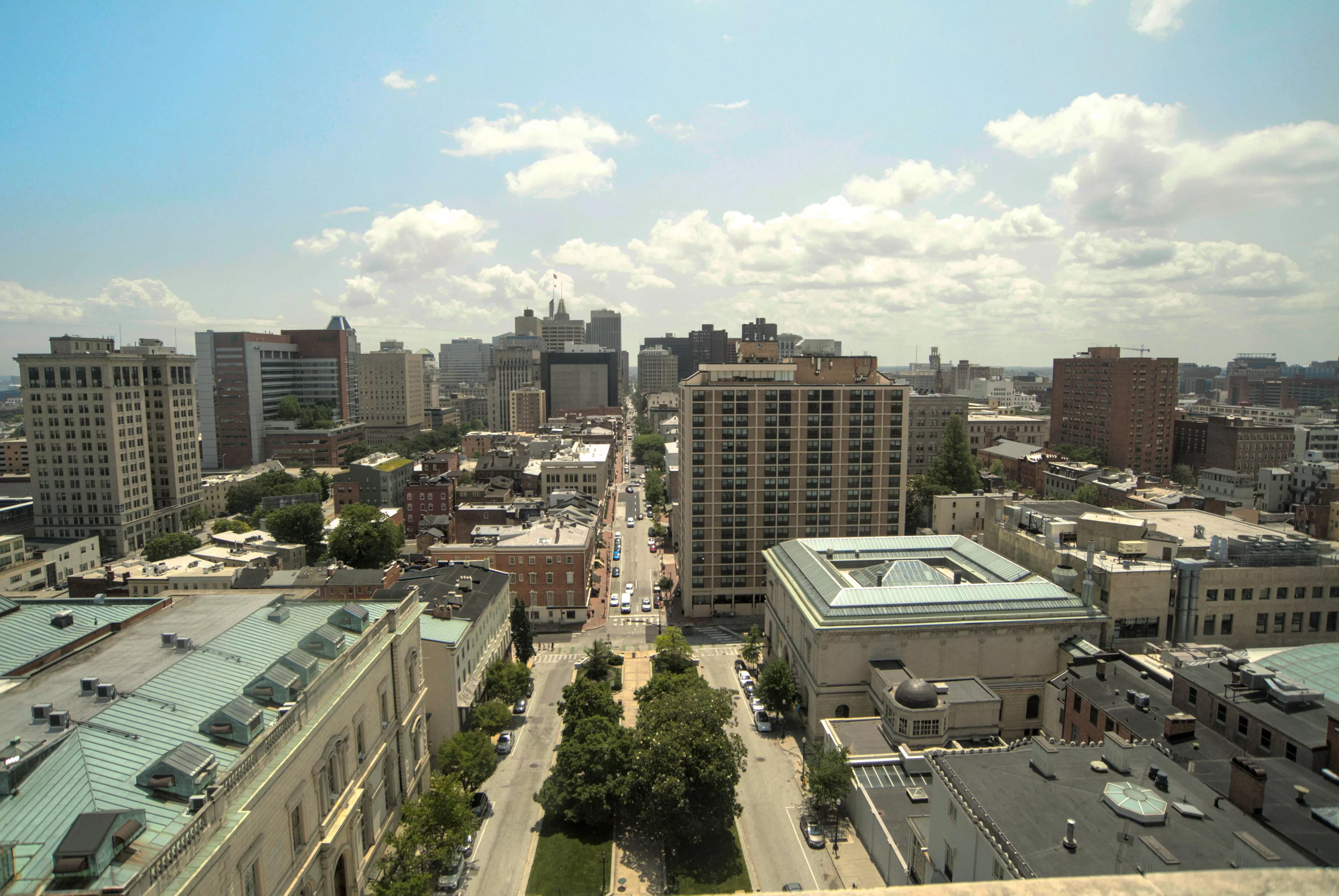
The best neighbourhoods in Baltimore to buy a house for value and rental income are areas where property prices remain relatively affordable while rental demand stays strong. Locations such as revitalising historic districts, transit-connected communities, and neighbourhoods close to major employers tend to offer the strongest combination of purchase affordability, appreciation potential, and reliable tenant demand. Investors and homebuyers evaluating Baltimore typically focus on neighbourhoods where housing costs remain below major East Coast markets, vacancy rates are manageable, and long-term redevelopment continues to improve property values.
Baltimore’s housing market attracts investors because it offers lower entry prices than nearby metropolitan areas such as Washington, D.C., while still benefiting from strong regional employment, healthcare institutions, universities, and port activity. For landlords and first-time buyers seeking rental income, the city presents opportunities in both established neighbourhoods and transitional districts where property values are still catching up with demand. However, successful investment depends heavily on neighbourhood selection, rental demographics, infrastructure access, and long-term redevelopment patterns.
This guide explains where buyers are finding the best housing value in Baltimore and which neighbourhoods investors frequently evaluate when looking for rental income potential. It also explains how neighbourhood fundamentals—pricing, tenant demand, transportation access, and redevelopment—affect property performance over time.
Why Baltimore Attracts Real Estate Investors
Baltimore remains one of the most closely watched housing markets on the East Coast for buyers seeking relatively affordable property prices with stable rental demand. Compared with many large metropolitan areas, Baltimore offers lower median home prices while still maintaining a large renter population. This combination allows investors to enter the market with smaller capital requirements while still achieving competitive rental yields.
Several economic and demographic factors contribute to Baltimore’s investment appeal. The city hosts major healthcare systems, universities, government agencies, and logistics operations tied to the Port of Baltimore. These institutions create steady employment and bring students, medical staff, and professionals who frequently rent housing rather than purchase immediately.
Another important factor is Baltimore’s urban structure. Many neighbourhoods consist of historic rowhouses that can be purchased at prices far below those in nearby Washington metropolitan areas. When renovated or well-maintained, these properties can generate high rental income relative to their acquisition cost.
Investors typically focus on three types of Baltimore neighbourhoods:
- Established rental markets where long-term tenant demand is stable.
- Transitional neighborhoods experiencing redevelopment and property appreciation.
- University or employment hubs where renter turnover remains consistent.
Baltimore’s affordability also attracts first-time buyers who intend to live in one unit while renting another portion of the property. Multi-family rowhouses, duplex conversions, and properties with finished basements are commonly used for this strategy.
However, the city also contains significant variation between neighbourhoods. Some districts benefit from infrastructure improvements, waterfront development, and institutional investment, while others still face challenges related to vacancy rates and housing conditions. Buyers who analyse local housing conditions carefully are far more likely to find properties that balance affordability with reliable tenant demand.
How to Evaluate Neighborhood Value and Rental Potential
Choosing the right neighbourhood is the most important decision when buying a rental property in Baltimore. Property valuation alone does not determine whether a house will produce consistent income. Investors typically evaluate a combination of pricing trends, rental demand, infrastructure access, and neighbourhood stability before purchasing.
The first factor is purchase affordability relative to rental income. Baltimore neighbourhoods with lower property prices often allow investors to achieve stronger rental yield ratios. However, extremely low property prices can sometimes indicate high vacancy rates or slower redevelopment, which may affect long-term appreciation.
The second factor is local rental demand. Areas close to universities, hospitals, downtown employment centres, or transit corridors usually attract a steady flow of tenants. These tenants may include students, medical workers, young professionals, and government employees.
Transportation access also influences rental demand. Neighbourhoods located near commuter rail lines, metro stations, or major road corridors often appeal to renters who work in downtown Baltimore or commute to nearby cities. Reliable transit access can significantly increase tenant interest and reduce vacancy periods.
Buyers should also consider redevelopment activity. Neighbourhoods experiencing new housing construction, commercial revitalisation, or infrastructure upgrades may see property values rise over time. Early entry into these areas can provide both rental income and long-term appreciation potential.
Other practical considerations include:
- Local crime statistics and neighborhood stability
- Proximity to grocery stores, schools, and parks
- Condition of surrounding housing stock
- City redevelopment initiatives and zoning changes
- Long-term population trends
Investors who study these fundamentals often discover that the best rental opportunities are not always located in the most expensive neighbourhoods. Instead, the strongest investment locations frequently lie in areas where housing remains affordable, but demand from renters continues to increase.
Best Neighborhoods in Baltimore for Property Value and Rental Income
Several Baltimore neighbourhoods consistently appear on investor shortlists because they combine relatively accessible purchase prices with strong rental demand. These areas differ in character—some are historic districts attracting young professionals, while others are transitional neighbourhoods drawing interest from long-term investors.
Hampden
Hampden is widely known for its distinctive local culture, independent shops, and walkable commercial streets. Located north of downtown, the neighbourhood attracts young professionals, university staff, and healthcare workers employed at nearby institutions.
The area’s popularity with renters is supported by its proximity to Johns Hopkins University and major hospitals. Rental properties in Hampden often include renovated rowhouses and smaller historic homes that appeal to tenants seeking character housing close to urban amenities.
For investors, Hampden represents a relatively stable market where demand for rental housing remains strong. Property prices have increased over time due to the neighbourhood’s reputation and redevelopment, but rental demand has remained consistent.
Canton
Canton is a waterfront neighbourhood that has experienced extensive redevelopment during the past two decades. Its harbour views, restaurants, and walkable streets attract professionals working in downtown Baltimore and nearby employment districts.
Rental demand in Canton is supported by its lifestyle appeal. Many renters are young professionals who prefer to live near waterfront parks, nightlife districts, and fitness facilities. The neighbourhood also benefits from relatively easy commuting access to downtown offices.
Although purchase prices in Canton can be higher than in many Baltimore neighbourhoods, rental demand and property appreciation have historically remained strong. Investors often evaluate the area for long-term stability rather than purely high yield.
Charles Village
Charles Village sits adjacent to the Johns Hopkins University Homewood campus, making it one of the most recognisable student-housing markets in Baltimore. Large historic rowhouses in the neighbourhood are frequently rented to groups of students or university staff.
This location produces steady rental demand because university enrollment generates a consistent flow of tenants each academic year. Many properties in Charles Village contain multiple bedrooms, making them suitable for shared housing arrangements that increase rental income potential.
Investors considering Charles Village should carefully evaluate property condition and local rental regulations, as many homes are older structures requiring ongoing maintenance. However, the neighbourhood’s proximity to the university continues to support strong occupancy rates.
Additional Baltimore Neighborhoods Investors Evaluate
Beyond well-known districts such as Hampden, Canton, and Charles Village, several other Baltimore neighbourhoods frequently attract attention from buyers looking for affordable housing prices and strong rental demand. These areas often offer different investment profiles, ranging from stable middle-class communities to districts experiencing gradual redevelopment.
Federal Hill
Federal Hill is one of Baltimore’s most recognizable neighborhoods, known for its historic streets, waterfront parks, and proximity to downtown offices. The area attracts young professionals who work in the city’s financial and technology sectors.
Rental demand in Federal Hill tends to remain strong because of its lifestyle appeal and central location. Restaurants, bars, and public spaces create an environment where many renters prefer to live without relying heavily on cars. Investors typically view Federal Hill as a stable long-term investment market rather than a location focused purely on high rental yield.
Remington
Remington has emerged as one of Baltimore’s more closely watched redevelopment neighbourhoods. Located between Hampden and Charles Village, the area benefits from its proximity to major universities, arts districts, and technology hubs.
In recent years, new restaurants, creative workspaces, and residential renovations have contributed to rising interest among renters and homebuyers. Property prices in Remington have historically been lower than those in nearby neighbourhoods, which has attracted investors seeking appreciation potential alongside rental income.
Pigtown
Pigtown, officially known as Washington Village, sits just southwest of downtown Baltimore and close to several major transportation corridors. The neighbourhood’s location near the city’s sports stadiums and employment centres makes it appealing to renters who work in downtown offices or nearby logistics facilities.
Housing prices in Pigtown remain lower than in waterfront districts, which allows investors to purchase rowhouses at relatively accessible entry points. Renovation activity has increased over the past decade, and many investors focus on improving older housing stock to meet modern rental expectations.
Highlandtown
Highlandtown is a diverse neighbourhood located east of the Inner Harbour area. It has become known for its arts community, historic housing stock, and cultural districts. The area attracts renters seeking relatively affordable housing within reach of the city’s waterfront employment zones.
For investors, Highlandtown often offers a balance between affordability and steady rental demand. Many properties are traditional Baltimore rowhouses that can be renovated or updated to increase rental appeal. The neighbourhood’s creative economy and cultural identity continue to draw residents seeking an urban lifestyle at a lower cost than waterfront districts.
Comparing Investment Strategies by Neighborhood Type
Baltimore neighbourhoods support several distinct real estate investment strategies. Buyers often choose a location based on whether they prioritise rental yield, long-term appreciation, or lower purchase costs. Understanding these differences can help investors align neighbourhood selection with their financial goals.
Neighbourhoods close to universities and hospitals typically support a high-occupancy rental strategy. In these areas, demand from students, medical staff, and academic professionals tends to remain consistent. Properties with multiple bedrooms or shared housing layouts are often used to maximise rental income.
Waterfront and lifestyle-focused neighbourhoods frequently support an appreciation-focused strategy. Buyers may accept lower rental yields initially because property values historically rise in areas with strong amenities, waterfront access, and walkable commercial districts.
Transitional neighbourhoods undergoing redevelopment often support a value-add strategy. Investors purchase older homes at lower prices and increase property value through renovation or modernisation. These areas may offer higher potential appreciation but also require careful analysis of local redevelopment trends.
Each strategy involves different risk levels. Stable rental districts typically offer predictable tenant demand but higher entry costs. Transitional neighbourhoods may provide lower purchase prices but require more patience and active property management.
Successful investors often analyse multiple neighbourhoods simultaneously, comparing price trends, renovation activity, and tenant demographics before deciding where to purchase.
Costs of Buying a Rental Property in Baltimore
Buying a rental property in Baltimore involves more than the purchase price of the home. Investors must account for several additional costs that affect the overall return on investment and long-term financial performance of the property.
One of the largest expenses is the down payment. Investment property loans typically require larger down payments than owner-occupied mortgages. Lenders often expect investors to provide between 15 per cent and 25 per cent of the purchase price, depending on loan structure and credit profile.
Another important cost is property renovation or repair. Many Baltimore homes are historic rowhouses that may require updates to plumbing, electrical systems, roofing, or interior finishes before they meet modern rental expectations. Renovation budgets should always include contingency funds to address unexpected structural or mechanical issues.
Ongoing ownership expenses also influence rental profitability. Property taxes, insurance coverage, maintenance costs, and property management fees can significantly affect net income from the investment. Buyers should calculate these expenses carefully before estimating potential rental yield.
Vacancy periods represent another financial consideration. Even in neighbourhoods with strong tenant demand, there may be periods between leases when a property generates no rental income. Investors typically set aside reserve funds to cover mortgage payments and maintenance costs during these intervals.
Understanding the full cost structure of rental ownership allows buyers to evaluate whether a particular neighbourhood provides the financial performance they expect.
Legal and Regulatory Considerations for Baltimore Landlords
Property owners in Baltimore must comply with several local regulations governing rental housing. Understanding these rules before purchasing a property helps investors avoid legal complications and ensures that rental operations remain compliant with city requirements.
One of the most important regulations involves rental licensing. Many Baltimore rental properties must be registered with the city and meet safety and habitability standards before they can be legally leased to tenants. This process typically includes inspections that verify compliance with building codes and safety requirements.
Landlords must also comply with lead paint regulations, particularly when renting homes built before modern lead safety standards were implemented. Owners may need to complete lead risk reduction inspections or certification, depending on the age of the property and the occupancy status.
Local housing codes also establish requirements for property maintenance, sanitation, heating systems, and emergency safety features. These standards exist to ensure that rental housing remains safe and livable for tenants.
Investors often work with local property managers or real estate attorneys to navigate these regulatory requirements. Professional guidance can help ensure that a property meets all necessary compliance standards before tenants move in.
Common Mistakes When Buying Rental Property in Baltimore
Rental Property Investment: Many first-time investors enter the Baltimore housing market because property prices appear relatively affordable compared with other East Coast cities. However, purchasing a rental property without careful analysis can lead to unexpected costs and management challenges.
One common mistake is focusing solely on purchase price rather than total investment performance. A property that appears inexpensive may require extensive repairs, face high vacancy rates, or exist in a neighbourhood with limited rental demand.
Another frequent error is underestimating renovation costs. Older Baltimore homes can contain hidden structural issues, outdated electrical systems, or ageing plumbing that require significant investment before a property becomes suitable for tenants.
Some investors also overlook the importance of neighbourhood research. Rental demand can vary dramatically between districts, even when they are located only a short distance apart. Understanding tenant demographics, transportation access, and redevelopment plans can help buyers choose areas with stronger long-term prospects.
Finally, new landlords sometimes underestimate the responsibilities associated with property management. Maintaining a rental property requires regular maintenance, tenant communication, legal compliance, and financial recordkeeping. Buyers who prepare for these responsibilities are more likely to manage their properties successfully.
How to Choose the Right Baltimore Neighbourhood for Your Investment Strategy
Selecting the right neighbourhood in Baltimore depends on the investor’s financial objectives, risk tolerance, and management capacity. While some buyers prioritise steady rental income, others focus on long-term property appreciation or redevelopment opportunities. Evaluating these priorities first helps narrow the list of neighbourhoods worth considering.
Investors seeking predictable rental income often look for areas with stable tenant demand and established housing markets. Neighbourhoods near universities, hospitals, or large employment centres typically produce consistent leasing activity because new tenants enter the market each year. These areas may not always offer the lowest purchase prices, but they frequently provide more reliable occupancy levels.
Buyers focused on appreciation potential usually evaluate neighbourhoods undergoing redevelopment or infrastructure improvements. In these locations, property values may rise as new businesses, housing projects, and public investments attract additional residents. However, these opportunities require patience because appreciation often occurs gradually over several years.
Another consideration is property type. Many Baltimore investments involve historic rowhouses, which vary significantly in condition and renovation needs. Investors should carefully inspect structural integrity, roofing systems, plumbing infrastructure, and electrical upgrades before finalising a purchase. A lower acquisition price may not represent a true bargain if substantial renovation costs follow.
Local amenities also influence tenant interest. Renters typically prefer neighbourhoods with accessible grocery stores, restaurants, parks, and reliable public transportation. Properties located near these conveniences often lease faster and maintain stronger long-term demand.
Finally, successful investors typically analyse several neighbourhoods simultaneously before committing to a purchase. Comparing rental demand, property conditions, and local redevelopment activity allows buyers to identify locations where housing value and rental income potential align with their investment goals.
Long-Term Outlook for Baltimore Housing and Rental Demand
Baltimore’s housing market continues to attract attention because it offers a combination of relatively affordable housing and proximity to major East Coast economic centres. The city benefits from strong institutional anchors, including universities, medical systems, government agencies, and maritime commerce tied to the Port of Baltimore.
These employment sectors contribute to consistent demand for rental housing. Students, medical professionals, port workers, and early-career professionals frequently rent homes before purchasing property. As a result, many Baltimore neighbourhoods maintain a stable renter population.
Urban redevelopment has also influenced the housing outlook in several districts. Waterfront revitalisation, new mixed-use developments, and improvements to transportation infrastructure have gradually strengthened housing demand in previously overlooked areas. While these changes vary by neighbourhood, they contribute to long-term interest among investors and homebuyers.
Population trends also play a role in the city’s housing dynamics. Baltimore’s proximity to Washington, D.C., and other Mid-Atlantic employment centres allows residents to commute or relocate between markets more easily than in many regions. Buyers priced out of nearby metropolitan areas sometimes explore Baltimore as a more affordable alternative.
Despite these opportunities, the city remains highly neighbourhood-specific. Some districts have experienced rapid redevelopment, while others continue to address vacancy issues or ageing housing stock. Investors who study neighbourhood-level trends carefully are generally better positioned to identify properties that balance purchase affordability with dependable rental demand.
Overall, Baltimore continues to offer opportunities for buyers willing to research neighbourhood conditions, evaluate renovation needs, and plan for long-term property management. In markets where housing affordability remains limited, cities with relatively lower entry costs and strong institutional employment bases often maintain sustained interest from investors.
Frequently Asked Questions
Is Baltimore a good city for rental property investment?
Baltimore is often considered attractive for rental property investment because housing prices are lower than in many nearby East Coast metropolitan areas, while rental demand remains strong due to universities, healthcare institutions, and government employment. Investors typically evaluate neighbourhood-specific conditions carefully because rental demand and property values vary widely across the city.
Which Baltimore neighbourhoods have the strongest rental demand?
Neighbourhoods near universities, hospitals, and downtown employment centres tend to generate the strongest rental demand. Areas such as Charles Village, Hampden, Canton, and Federal Hill frequently attract students, medical workers, and young professionals who prefer to rent housing close to work or campus.
What type of housing is most common for Baltimore rental investments?
Historic rowhouses are the most common residential property type used for rental investments in Baltimore. Many investors purchase and renovate these homes to create modern living spaces while maintaining the historic character that attracts renters seeking urban housing.
Do landlords need a rental license in Baltimore?
Many rental properties in Baltimore must be registered and licensed through the city’s rental housing program. This process typically includes inspections to ensure the property meets safety and habitability standards before tenants can legally occupy the home.
What risks should investors consider when buying property in Baltimore?
Investors should evaluate property condition, renovation costs, neighbourhood vacancy rates, and local housing regulations before purchasing a rental property. Older housing stock may require significant upgrades, and rental demand can vary considerably depending on neighbourhood infrastructure and redevelopment trends.
Key Takeaways
- Neighbourhood selection matters most: Rental demand, redevelopment activity, and proximity to major employers significantly influence property performance in Baltimore.
- Historic rowhouses dominate the housing market: Many investment properties are traditional Baltimore rowhouses that may require renovation or modernisation.
- University and healthcare districts support rental demand: Areas near major institutions frequently maintain stable tenant populations.
- Affordability attracts investors: Baltimore’s housing prices remain lower than many nearby East Coast cities, allowing buyers to enter the market with smaller capital requirements.
- Regulatory compliance is essential: Landlords must follow rental licensing, inspection, and housing safety requirements before leasing property.
References
- Baltimore City Department of Housing and Community Development
- U.S. Census Bureau Housing Data
- Maryland Department of Planning Housing Statistics
- Local Baltimore Housing Market Reports
- Urban redevelopment and neighborhood planning publications