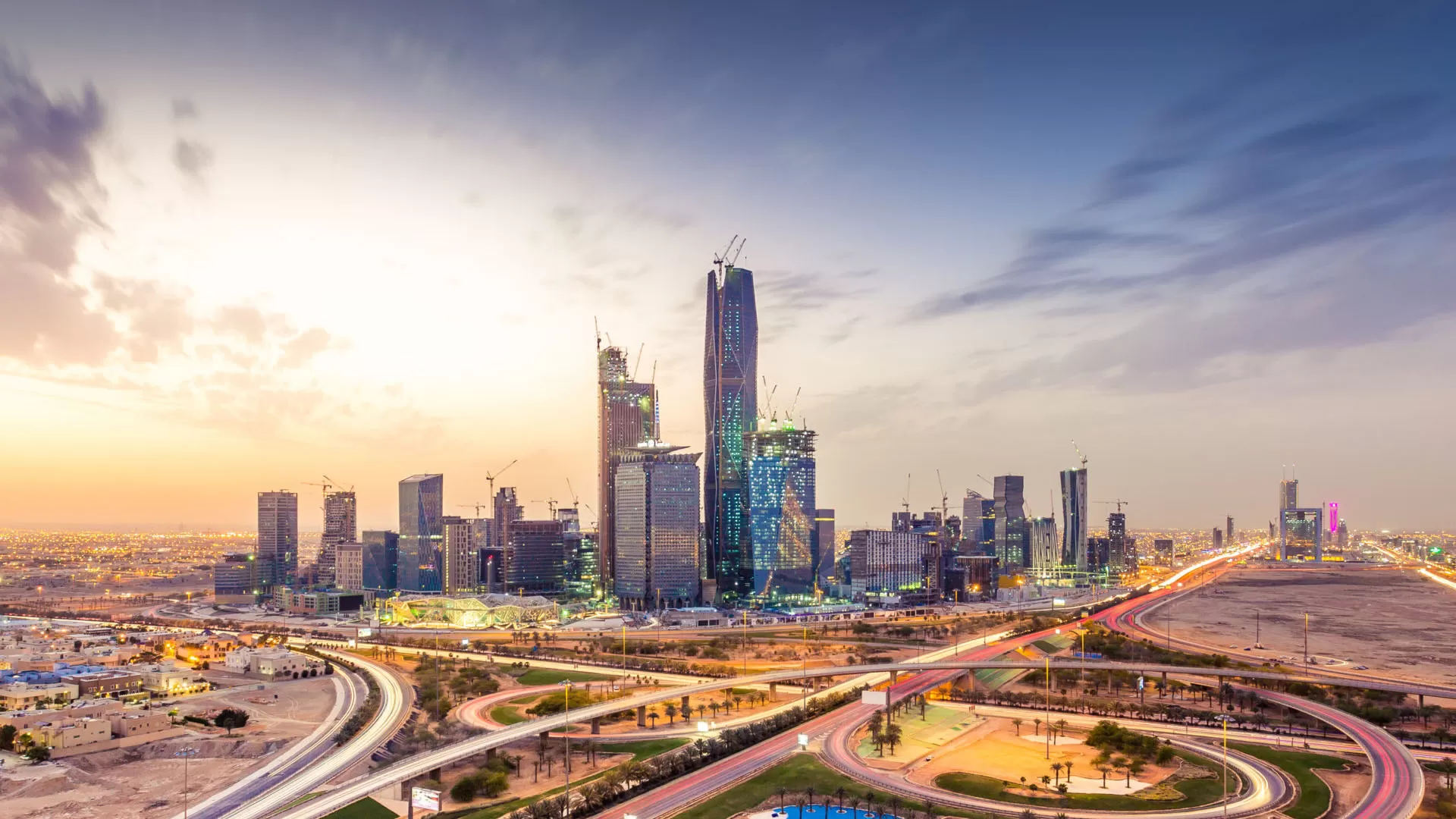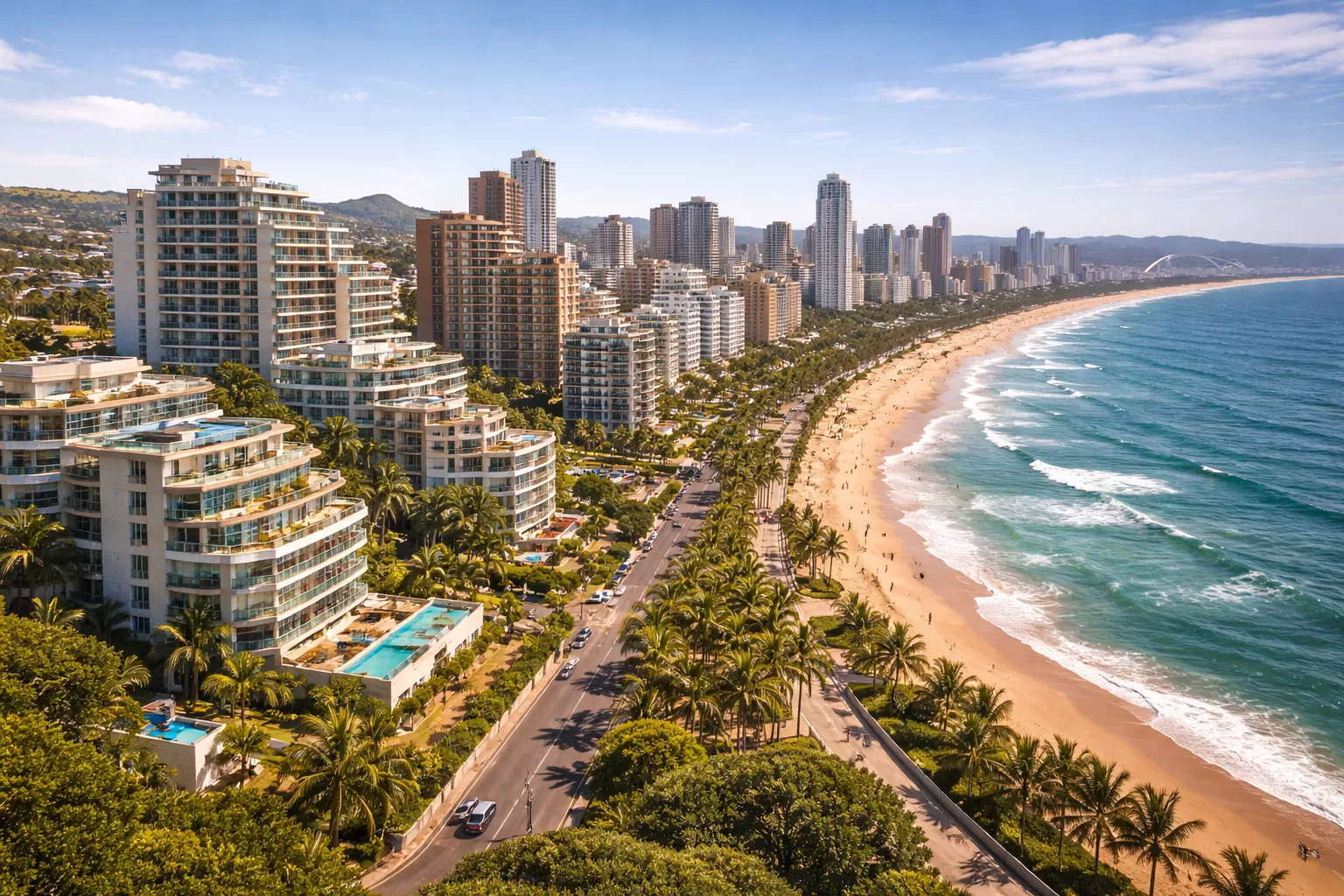
Durban offers one of South Africa’s most balanced property markets for buyers seeking both lifestyle quality and long-term value. The best areas to buy a house in Durban typically combine stable property demand, access to employment and schools, coastal or suburban lifestyle benefits, and consistent capital growth. Neighbourhoods such as Umhlanga, Durban North, and Hillcrest stand out because they deliver strong residential demand, well-maintained infrastructure, and a mix of family living, investment potential, and lifestyle amenities. Understanding how each suburb performs in terms of affordability, convenience, safety, and growth potential helps buyers select a location that aligns with their budget and long-term goals.
Why Durban Is a Strategic Property Market for Buyers
Durban’s residential property market attracts buyers because it combines coastal lifestyle advantages with property prices that are generally more accessible than those in Cape Town or Johannesburg’s prime suburbs. The city’s warm climate, established infrastructure, and expanding economic zones continue to support steady demand for residential housing.
For property buyers, Durban presents several practical advantages. First, the city offers a diverse range of neighbourhoods—from beachfront luxury communities to leafy suburban family areas and quieter inland towns. This variety allows buyers to match location with lifestyle priorities, whether that means ocean access, proximity to schools, or quieter suburban living.
Second, Durban’s regional economy continues to be supported by logistics, port operations, tourism, and growing service industries. The Port of Durban remains one of the busiest shipping hubs in Africa, supporting employment and economic stability in surrounding areas. Residential neighbourhoods close to employment centres often benefit from sustained housing demand and rental activity.
Third, the metropolitan area includes well-developed transport corridors linking northern suburbs, central Durban, and inland communities. Buyers who choose homes in well-connected suburbs often benefit from stronger long-term property liquidity, meaning homes are easier to sell when market conditions change.
Another factor contributing to Durban’s property appeal is lifestyle value. Coastal suburbs offer beach access, restaurants, and leisure activities, while inland suburbs provide larger properties, quieter environments, and access to nature reserves and green spaces. For many homebuyers, this balance between lifestyle and affordability is the city’s strongest attraction.
These factors collectively shape the types of neighbourhoods that consistently attract buyers, investors, and families relocating within KwaZulu-Natal.
What Makes a Durban Suburb a Good Place to Buy a House
Not every suburb delivers the same property performance. Buyers evaluating Durban neighbourhoods should focus on several core indicators that influence both lifestyle quality and long-term property value.
Infrastructure reliability is one of the most important factors. Areas with stable municipal services, reliable roads, and well-maintained public spaces typically experience stronger buyer demand and better price stability.
Proximity to employment hubs also plays a major role. Suburbs located near commercial centres, business districts, and industrial zones tend to maintain consistent housing demand because professionals prefer shorter commute times.
School access is another critical driver of property value. Neighbourhoods near respected private and public schools often maintain strong demand among family buyers, which supports long-term price resilience.
Safety and community management influence both lifestyle satisfaction and investment performance. Areas with active neighbourhood associations, security patrols, and well-organised residential communities often maintain higher buyer confidence.
Local amenities such as shopping centres, restaurants, healthcare facilities, and recreational spaces also increase an area’s residential appeal. Walkable communities or suburbs with easy access to these amenities often command stronger resale demand.
Finally, future development potential should not be overlooked. Infrastructure upgrades, new commercial developments, or transport improvements can significantly influence future property values. Buyers who identify suburbs benefiting from planned development often position themselves for stronger long-term capital growth.
When these factors align—location convenience, safety, schools, and amenities—a suburb becomes attractive both for homeowners and investors.
Top Durban Areas That Balance Value and Lifestyle
Several Durban suburbs consistently stand out because they deliver both residential quality and long-term property stability. These areas attract a mix of families, professionals, and investors seeking reliable neighbourhoods with strong lifestyle appeal.
Umhlanga
Umhlanga is widely regarded as one of Durban’s most desirable residential areas. Located north of the city centre, the suburb combines luxury coastal living with proximity to major business hubs. Its modern infrastructure, ocean views, and access to premium retail centres make it particularly attractive to professionals and high-income buyers.
The area has experienced significant commercial growth, with office parks, hotels, and retail developments creating a strong employment base. This demand supports both property purchases and rental activity. Many buyers are drawn to Umhlanga because it offers a walkable coastal lifestyle with restaurants, beaches, and entertainment venues located within a compact area.
Homes in Umhlanga range from luxury beachfront apartments to large freestanding houses in gated communities. While prices are higher than in many Durban suburbs, the area has historically maintained strong demand and resale liquidity.
Durban North
Durban North is a well-established residential suburb known for its family-friendly environment and convenient location. Positioned between the Durban city centre and the northern growth corridor, the area offers quick access to both commercial and coastal districts.
One of Durban North’s strongest advantages is its access to respected schools, parks, and community amenities. Families often prioritise the suburb because it provides a suburban atmosphere while still being close to beaches and business districts.
Property types in Durban North include traditional houses on large plots, renovated family homes, and newer residential developments. The suburb has maintained stable demand for decades, largely due to its combination of location convenience and residential character.
Hillcrest
Hillcrest appeals to buyers seeking quieter suburban living without leaving the greater Durban metropolitan area. Located inland in the Upper Highway region, the suburb offers larger properties, green surroundings, and a more relaxed pace of life.
Many buyers choose Hillcrest because it provides more space compared with coastal suburbs. Homes often include larger gardens, scenic views, and proximity to nature reserves and outdoor recreational areas.
The suburb also benefits from good schools, retail centres, and established community services. While commute times to central Durban are longer than in northern coastal suburbs, the lifestyle trade-off—space, greenery, and tranquillity—makes Hillcrest highly attractive to families and retirees.
Because demand remains consistent and available land is limited, properties in Hillcrest have demonstrated steady value retention over time.
Additional Durban Neighbourhouds Offering Strong Value
While suburbs such as Umhlanga, Durban North, and Hillcrest frequently dominate discussions about Durban’s residential market, several other areas offer compelling value for buyers seeking affordability, community stability, or long-term investment potential. These neighbourhoods may not always attract the same international attention, but they often deliver strong lifestyle benefits and realistic price points for buyers entering the market.
Westville
Westville has long been considered one of Durban’s most reliable residential suburbs. Located west of the city centre, it offers a balance between suburban living and convenient access to business districts. The area is particularly attractive to professionals working in Durban’s central and western economic corridors.
Westville is known for its leafy streets, established family homes, and strong community infrastructure. The suburb also benefits from proximity to respected schools and the University of KwaZulu-Natal’s Westville campus, which contributes to consistent rental demand in certain pockets.
Buyers are often drawn to Westville because property prices remain relatively stable compared with more premium coastal suburbs. Larger homes with established gardens are common, and the neighbourhood’s residential character has been maintained through thoughtful development planning.
Ballito
Located north of Durban within the rapidly expanding North Coast region, Ballito has become one of the fastest-growing residential areas in KwaZulu-Natal. Although technically outside central Durban, it forms part of the broader economic corridor linked to King Shaka International Airport and the surrounding logistics and commercial zones.
Ballito attracts buyers looking for modern coastal living combined with strong infrastructure and new residential estates. Gated communities, security estates, and lifestyle developments dominate the local housing market, appealing to families, retirees, and remote professionals.
The area’s growth has been driven by improved transport links, commercial expansion, and demand for secure residential estates. For buyers seeking long-term investment potential alongside lifestyle benefits such as beaches and outdoor recreation, Ballito continues to attract sustained interest.
Kloof
Kloof, located near Hillcrest in the Upper Highway region, is known for its scenic environment and spacious residential properties. The suburb appeals to buyers prioritising privacy, greenery, and quieter surroundings while remaining within commuting distance of Durban.
Many homes in Kloof are positioned on large plots with mature gardens and forested views. The suburb’s proximity to the Krantzkloof Nature Reserve adds significant lifestyle value for residents who enjoy outdoor activities such as hiking and birdwatching.
Buyers often view Kloof as a long-term residential location rather than a short-term investment. Property turnover tends to be lower than in high-density coastal areas, reflecting the suburb’s appeal among long-term homeowners.
Coastal vs Suburban Living in Durban
Choosing between coastal suburbs and inland suburban areas is one of the most important decisions buyers face when purchasing property in Durban. Each option offers distinct lifestyle advantages and financial considerations.
Coastal suburbs such as Umhlanga and Ballito attract buyers who value beach access, vibrant dining districts, and walkable leisure environments. These areas tend to have higher property prices due to limited beachfront land and strong tourism appeal. Apartments and gated complexes are common property types, offering lower maintenance but sometimes higher monthly levies.
Coastal properties can also perform well in the rental market, particularly for short-term holiday accommodation or corporate rentals. However, buyers should consider factors such as coastal weather exposure, maintenance costs, and potential seasonal fluctuations in demand.
Inland suburbs such as Hillcrest, Kloof, and Westville provide a different residential experience. Homes typically offer larger plots, quieter surroundings, and stronger community structures. These areas often attract families who prioritise schools, outdoor space, and long-term residential stability.
While commute times to central Durban may be longer, inland suburbs often provide greater property size relative to price. This makes them attractive to buyers seeking space, privacy, or the possibility of future renovations or extensions.
The decision between coastal and inland living ultimately depends on lifestyle priorities, commuting requirements, and long-term property goals.
Key Cost Considerations When Buying a House in Durban
The purchase price of a home is only one component of the total cost involved in buying property in Durban. Buyers should evaluate several additional expenses that form part of the overall transaction.
Transfer duties represent one of the most significant costs when purchasing property in South Africa. These government taxes are calculated based on the property value and must typically be paid before ownership can be registered in the buyer’s name.
Legal and conveyancing fees are another key expense. Conveyancing attorneys manage the legal transfer of property ownership, including documentation, compliance checks, and registration through the Deeds Office.
Bond registration costs may apply if the buyer is financing the property with a mortgage. These fees cover legal processes required to register the bank’s security interest against the property title.
Municipal rates and service charges should also be considered when evaluating affordability. These recurring costs fund local services such as waste collection, road maintenance, and community infrastructure.
Buyers purchasing homes within estates or sectional title complexes may also need to account for monthly levies. These fees contribute to the maintenance of shared infrastructure, security, landscaping, and communal facilities.
Understanding these financial components allows buyers to plan realistically and avoid unexpected costs during the purchase process.
Legal Process of Buying Property in Durban
The property purchase process in Durban follows the broader legal framework governing real estate transactions in South Africa. While the process is structured and regulated, first-time buyers often benefit from understanding the major steps involved.
The process usually begins when the buyer and seller sign an Offer to Purchase. This document outlines the agreed purchase price, payment conditions, timelines, and any special conditions attached to the sale.
Once the agreement is accepted, the appointed conveyancing attorney begins the legal transfer process. This includes verifying property ownership, preparing transfer documentation, and ensuring compliance with municipal regulations.
If the buyer is applying for a home loan, the bank conducts its own property valuation and credit assessment before granting final bond approval. Once approved, the bond registration process runs concurrently with the property transfer.
Before transfer can be finalised, municipal clearance certificates must be obtained confirming that rates and service charges are up to date. This step ensures there are no outstanding municipal debts attached to the property.
The final stage occurs when the transaction is registered at the Deeds Office. At this point, ownership is legally transferred to the buyer, and the property title deed is updated accordingly.
While the timeline can vary, the full process typically takes several weeks to a few months, depending on financing approvals and administrative processing.
Common Mistakes Buyers Make in Durban’s Property Market
Even experienced buyers can overlook important factors when entering Durban’s property market. Understanding common mistakes helps buyers make more informed decisions and avoid unnecessary financial risks.
One of the most frequent mistakes is focusing exclusively on the property price without evaluating the surrounding neighbourhood. A house may appear affordable, but poor infrastructure, safety concerns, or weak resale demand can affect long-term value.
Another mistake involves underestimating ongoing property costs. Buyers sometimes calculate affordability based only on mortgage repayments without factoring in municipal rates, maintenance expenses, insurance, and estate levies.
Some buyers also neglect professional inspections before purchasing a property. Structural issues, drainage problems, or roofing damage may not be immediately visible but can lead to expensive repairs later.
Failing to research future development plans is another oversight. New road expansions, commercial developments, or zoning changes can significantly influence property values and neighbourhood character.
Finally, buyers sometimes rush into purchasing a property without comparing multiple suburbs. Durban’s metropolitan area offers diverse neighbourhoods, and careful comparison often reveals locations that better align with lifestyle needs and investment goals.
How to Choose the Right Durban Suburb for Your Needs
Selecting the right area to buy a house in Durban requires balancing financial considerations, lifestyle preferences, and long-term property goals. While certain suburbs consistently perform well, the best choice ultimately depends on how a buyer plans to use the property and what they expect from the surrounding neighbourhood.
Buyers planning to live in the property full-time should prioritise factors such as commuting distance, school access, safety infrastructure, and proximity to essential services. Suburbs such as Durban North, Westville, and Hillcrest typically attract long-term residents because they offer established communities, reliable amenities, and convenient access to schools and healthcare facilities.
Investors may focus more heavily on rental demand, population growth, and proximity to employment zones. Areas near business hubs, universities, or coastal tourism zones often experience stronger rental demand. Suburbs such as Umhlanga and Ballito attract both long-term tenants and short-term rental interest due to their proximity to commercial districts and beaches.
Lifestyle priorities also influence suburb selection. Buyers seeking a coastal environment may prefer areas close to Durban’s northern beaches, where restaurants, shopping districts, and outdoor recreation are easily accessible. Buyers who value privacy, space, and green surroundings may find better options in inland areas such as Kloof or Hillcrest.
Property size and maintenance responsibilities are another practical consideration. Apartments and estate properties can offer lower day-to-day maintenance requirements, while freestanding homes may provide larger plots and greater flexibility for renovations or extensions.
Before making a purchase decision, buyers often benefit from visiting several neighbourhoods at different times of day. Observing traffic patterns, community activity, and local amenities helps create a clearer understanding of how the area functions beyond property listings.
Future Growth Areas in Durban’s Property Market
Durban’s residential property market continues to evolve as infrastructure improvements, population growth, and economic development reshape the metropolitan area. Certain regions are gaining increased attention due to long-term development potential and expanding residential demand.
The northern development corridor remains one of the most significant growth zones in the region. Expansion around King Shaka International Airport, commercial logistics hubs, and industrial zones has encouraged new residential developments in surrounding areas. As employment opportunities expand in this corridor, nearby suburbs often experience rising housing demand.
The North Coast region, including areas surrounding Ballito, has experienced particularly rapid residential development. Modern gated estates, lifestyle communities, and new commercial centres have attracted buyers relocating from other parts of KwaZulu-Natal as well as international investors seeking coastal property opportunities.
Inland areas along the Upper Highway region continue to maintain stable residential growth. Suburbs such as Hillcrest and Kloof benefit from their established infrastructure, scenic environment, and access to major transport routes connecting residents to central Durban and surrounding business districts.
Urban regeneration projects within parts of greater Durban are also gradually influencing residential demand. Improvements to public infrastructure, retail developments, and transport networks can increase long-term property attractiveness in previously overlooked areas.
For buyers evaluating growth potential, monitoring infrastructure investment and population trends often provides valuable insight. Areas benefiting from improved transport connectivity, expanding retail centres, and new employment hubs tend to experience stronger property demand over time.
Frequently Asked Questions
Which Durban suburb is best for families?
Suburbs such as Durban North, Westville, and Hillcrest are often considered among the best for families due to their strong school networks, community infrastructure, and residential stability. These areas provide a balance between suburban living, access to services, and proximity to major employment centres.
Is Durban a good city for property investment?
Durban remains attractive to property investors because it offers relatively accessible property prices compared with other major South African cities while maintaining a strong lifestyle appeal. Coastal tourism, commercial growth in the northern corridor, and ongoing residential demand support the local property market.
What are the most expensive areas to buy property in Durban?
Coastal suburbs such as Umhlanga and parts of the North Coast typically command some of the highest property prices in the Durban region. These areas benefit from beachfront locations, luxury residential developments, and proximity to major commercial hubs.
Are there affordable suburbs near Durban with good lifestyle quality?
Yes. Areas such as Westville, Kloof, and certain parts of the Upper Highway region often offer larger homes and quieter residential environments at more moderate price levels compared with premium coastal suburbs.
How long does it take to complete a property purchase in Durban?
The property transfer process in South Africa typically takes several weeks to a few months, depending on financing approvals, municipal clearances, and administrative processing at the Deeds Office.
Key Takeaways
- Location matters most: Suburbs with strong infrastructure, schools, and amenities typically maintain better property value stability.
- Coastal areas offer lifestyle appeal: Locations such as Umhlanga and Ballito combine beach access with strong residential demand.
- Inland suburbs provide space: Hillcrest, Kloof, and Westville attract buyers seeking quieter environments and larger properties.
- Growth corridors influence value: Areas near major infrastructure and economic development zones often experience stronger housing demand.
- Research before buying: Comparing multiple suburbs and understanding costs, legal processes, and community characteristics leads to more informed purchasing decisions.
Durban’s property market provides a diverse range of residential opportunities for buyers seeking lifestyle benefits alongside long-term property value. From premium coastal suburbs to quieter inland communities, the metropolitan area offers neighbourhoods suited to families, professionals, and investors alike. Careful evaluation of infrastructure, amenities, future development, and financial considerations helps buyers identify locations that align with both their immediate lifestyle needs and long-term property objectives.
References
- South African property market reports and regional housing analyses.
- Municipal development planning documents for Durban and KwaZulu-Natal.
- Residential market insights from regional property professionals and housing studies.