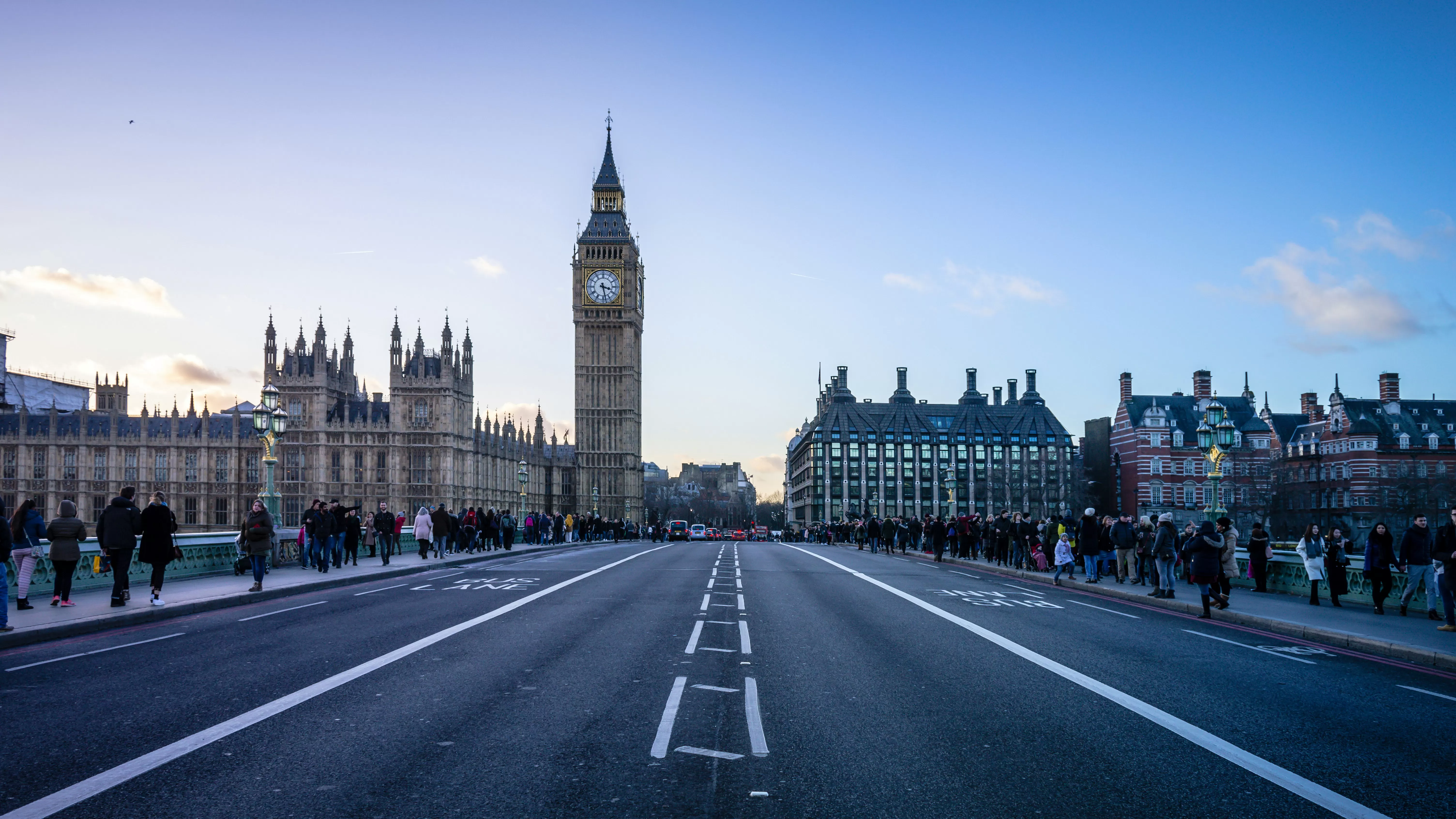
The most expensive places to buy property in the UK are concentrated in prime Central London and select affluent enclaves such as Kensington, Mayfair, Knightsbridge, Chelsea, and parts of Surrey and Oxfordshire. These markets are defined by limited supply, international demand, heritage housing stock, and ultra-prime transaction activity.
The UK’s most expensive property markets are primarily located in Prime Central London, with additional high-value enclaves in the South East. Prices in these areas are driven by scarcity of land, global capital flows, prestigious schools, proximity to financial centres, and long-term wealth preservation dynamics. High-end investors typically prioritise asset security, global liquidity, and legacy positioning over short-term yield.
How Are the Most Expensive UK Areas Ranked?
The most expensive UK property markets are ranked using average sale price, price per square foot, and concentration of ultra-prime transactions. Data is typically drawn from Land Registry records, prime market reports, and transactional evidence in the £2 million to £20 million range.
Key Pricing Indicators
- Average property sale price
- Price per square foot (PSF)
- Volume of £5m+ transactions
- International buyer demand levels
- Supply constraints and planning restrictions
Prime Central London dominates due to global capital inflows, while certain country estates and commuter belt towns achieve high average prices because of large detached homes on substantial plots.
1. Kensington and Chelsea, London
Kensington and Chelsea consistently ranks as the most expensive borough in the UK. Average prices significantly exceed national averages, with ultra-prime streets achieving some of the highest price-per-square-foot figures in Europe.
Why It Commands Premium Pricing
- Royal Borough status and architectural heritage
- Proximity to Hyde Park and world-class museums
- Access to elite private schools
- Strong international buyer base
Investor Profile
Buyers include international investors, sovereign wealth-linked capital, family offices, and high-net-worth UK residents. Many acquisitions are long-term wealth preservation assets rather than yield-driven purchases.
| Metric | Typical Profile |
|---|---|
| Property Type | Period townhouses, luxury apartments |
| Buyer Motivation | Capital preservation, prestige |
| Yield Profile | Low relative to regional markets |
2. Westminster (Mayfair & St James’s), London
Mayfair and St James’s represent the commercial and residential core of ultra-prime London. Properties here frequently exceed multi-million-pound price points due to exceptional location and limited supply.
Market Drivers
- Proximity to global financial institutions
- Historic Georgian architecture
- Luxury retail and private members’ clubs
- Strong global brand recognition
Residential stock includes lateral apartments within portered buildings and freehold period townhouses. Development restrictions preserve architectural character, sustaining scarcity value.
3. Knightsbridge & Belgravia, London
Knightsbridge and Belgravia are synonymous with ultra-prime residential property. Prices reflect adjacency to Hyde Park, embassy clusters, and flagship luxury retail destinations.
Investment Characteristics
- High concentration of £10m+ transactions
- Embassy and diplomatic demand
- Low rental yields but strong asset security
- International liquidity in resale market
Grosvenor Estate ownership and estate management contribute to long-term planning stability and consistent streetscape quality.
4. Camden (Hampstead & Primrose Hill), London
Hampstead and Primrose Hill rank among the UK’s most expensive residential neighbourhoods due to village-style living within Zone 2 London. Large detached homes, protected green space, and celebrity ownership contribute to elevated pricing.
Why Hampstead Commands Premium Values
- Proximity to Hampstead Heath
- Detached and semi-detached period housing stock
- Strong domestic high-net-worth demand
- Conservation area protections limiting redevelopment
Prices per square foot are typically lower than Mayfair but higher than most outer London districts due to land scarcity and property size.
| Characteristic | Market Impact |
|---|---|
| Property Type | Large family homes, villas |
| Buyer Base | UK-based HNWIs, creative industry leaders |
| Yield Profile | Low to moderate |
5. Richmond upon Thames, London
Richmond upon Thames combines green space, riverside living, and proximity to Central London. It consistently ranks among the highest-priced boroughs outside Prime Central London.
Market Drivers
- Access to Richmond Park and the Thames
- High-performing schools
- Family-oriented housing stock
- Strong commuter connectivity
Detached homes and period terraces dominate, attracting long-term owner-occupiers rather than short-term investors.
6. Oxford, Oxfordshire
Oxford ranks among the most expensive non-London cities in the UK. Pricing is supported by constrained supply, university-linked demand, and international academic presence.
Why Oxford Remains Expensive
- Global university prestige
- Limited land availability due to green belt restrictions
- Strong rental demand from academic professionals
- Technology and research sector growth
While yields are stronger than Prime Central London, entry prices remain among the highest outside the capital.
7. Elmbridge, Surrey (Weybridge & Cobham)
Elmbridge, particularly Weybridge and Cobham, is one of the most expensive commuter belt districts in the UK. Large gated homes and proximity to London drive premium valuations.
Investment Characteristics
- Detached executive properties
- High concentration of professional and corporate buyers
- Access to private schooling
- Short rail commute to London
Average transaction values are elevated due to property size rather than solely price per square foot.
8. Wandsworth (Battersea & Riverside), London
Battersea’s riverside regeneration has positioned Wandsworth among London’s high-value boroughs. Luxury apartment developments and proximity to Chelsea contribute to pricing strength.
Key Market Influences
- Battersea Power Station redevelopment
- Riverside luxury schemes
- Northern Line extension
- Corporate tenant demand
Compared to Kensington or Mayfair, Battersea offers relatively newer housing stock and slightly stronger rental yields, though capital values remain substantial.
9. St Albans, Hertfordshire
St Albans is one of the most expensive commuter cities outside London, with average property values significantly above the national average. Prices are driven by strong rail connectivity to Central London, high-performing schools, and limited new-build supply.
Why St Albans Attracts High-End Buyers
- Fast train links to London St Pancras
- Historic cathedral city status
- Outstanding state and independent schools
- Family-oriented detached and period housing stock
While not an ultra-prime global investment hub like Mayfair, St Albans offers capital stability and strong resale demand among domestic buyers.
10. Winchester, Hampshire
Winchester ranks among the South East’s highest-priced cities due to its heritage status, education quality, and commuter appeal. Demand is driven largely by affluent owner-occupiers rather than international investors.
Market Characteristics
- Strong school catchment demand
- Limited housing expansion due to planning controls
- Historic core with conservation protections
- Reliable commuter links to London Waterloo
Winchester properties typically offer larger internal space compared to Prime Central London, but pricing remains high due to lifestyle positioning and scarcity.
Why These UK Areas Command the Highest Prices
The UK’s most expensive property markets share four structural characteristics: land scarcity, global capital demand, strict planning controls, and strong local amenities. These drivers restrict supply while maintaining sustained buyer interest.
| Factor | Impact on Pricing |
|---|---|
| Limited Supply | Planning constraints restrict new development |
| Global Demand | International buyers add liquidity and competition |
| Prestige & Branding | Historic and cultural significance increases desirability |
| Infrastructure | Transport and amenities support long-term value |
These areas function as wealth preservation markets rather than yield-focused investment zones. Rental returns are typically lower relative to entry price, but volatility tends to be lower over long cycles.
Are the UK’s Most Expensive Areas Worth It for Investors?
High-end UK property can be suitable for investors seeking capital security, global liquidity, and long-term wealth storage. However, they may not suit buyers prioritising high rental yields or short-term growth.
Best Suited For
- Long-term capital preservation strategies
- Portfolio diversification into stable jurisdictions
- Legacy or generational wealth planning
Less Suitable For
- High-yield rental strategies
- Short-term flipping
- Leverage-heavy investment models
Investors must also account for Stamp Duty Land Tax at higher brackets, potential non-resident surcharges, ongoing maintenance costs, and exposure to currency fluctuations.
Frequently Asked Questions
What is the Most Expensive Place to Buy Property in the UK?
Kensington and Chelsea in London consistently ranks as the most expensive borough based on average sale prices and price per square foot.
Are UK Luxury Properties Good Investments?
They can be suitable for long-term capital preservation but typically offer lower rental yields compared to regional markets.
Why is Prime Central London So Expensive?
Limited housing supply, global investor demand, heritage architecture, and strong international brand recognition sustain high pricing.
Do Expensive UK Areas Offer High Rental Yields?
Generally no. Rental yields in ultra-prime areas are lower due to high entry prices relative to achievable rents.
Key Takeaways
- Prime Central London dominates: Kensington, Mayfair, and Knightsbridge lead UK pricing.
- South East commuter towns are premium: Elmbridge, St Albans, and Winchester rank highly.
- Low yields, high capital security: These markets favour wealth preservation over income.
- Supply constraints drive value: Planning controls and limited land underpin pricing strength.
References
- HM Land Registry – UK House Price Data
- Office for National Statistics – Regional Property Price Statistics
- Prime Central London Market Reports (various agencies)