Private Spaces in U.S. Homes: How the Trend Is Shaping Future Home Designs
Apr 29, 2026
“Discover Why Private Spaces Are the New Must-Have Feature in U.S. Homes”
In the U.S., recent years have seen a huge change in home design, with private spaces topping homeowners' wish lists. Whether for personal retreats, home offices, or just a quiet place to relax, private spaces aren’t simply a luxury but are increasingly a necessity. This trend, which has only been expedited by the COVID-19 pandemic and shifting lifestyle dynamics, is dramatically altering how homes are designed, and it will likely continue impacting future real estate and architectural decisions.
The Rise of Private Spaces
Historically, homes in the U.S. featured open floor plans emphasizing shared living space. The kitchen, living room and dining areas often blend into one another to create a sense of openness and connectivity. For years, though, as people spent more time at home than outside it, working from home, home-schooling children, or wanting simply to be alone, the appetite grew for private spaces.
Today’s homebuyers want homes that offer a sense of sanctuary, somewhere to retreat from the noise and bustle of life. The need for privacy and personal retreat has created spaces in the house, home offices, reading nooks, meditation rooms, and even isolated guest suites.
Home Offices: A New Essential
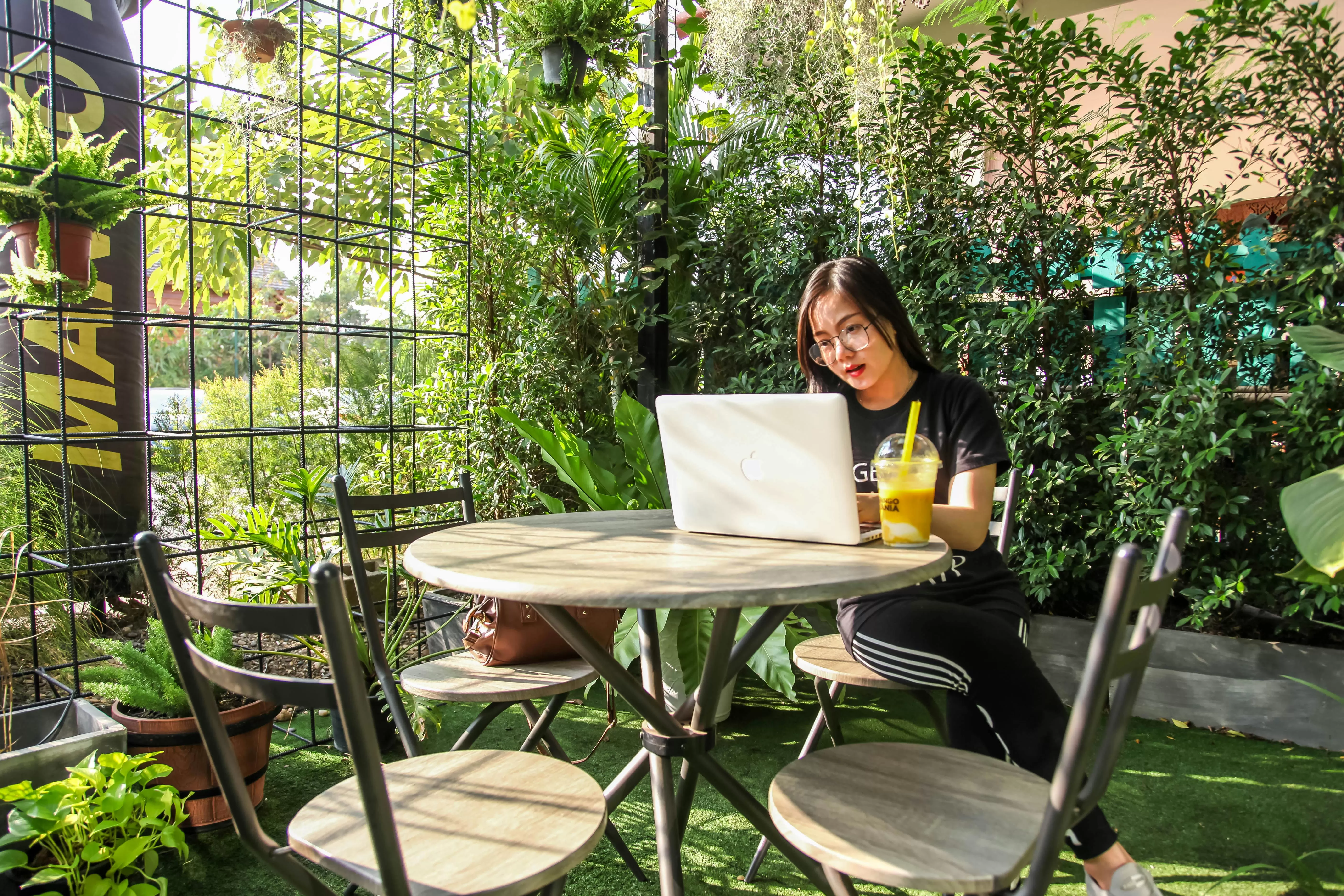
One of the more notable examples of private space in contemporary homes is the emergence of the home office. The new normal of home working has taken root for many professionals, meaning homebuyers are now looking for properties with space for their office or workspace, while others may prefer entire corners of rooms or even whole rooms altogether, the most important factor is that they are private and functional. The home offices have a buzzing-free setting, very important for all the people working from home now.
Personal Retreats: Escape from the Everyday Hustle
Another trend, beyond home offices, is the building of personal retreats in homes. These spaces provide an introspective escape from the hustle and bustle of daily life, allowing homeowners to take time and reflect, relax or work on their hobbies. Personal retreats come in many forms, from a comfortable reading corner next to the window to a full-fledged yoga studio or meditation room. These private spaces are often designed to be light, relaxing, and removed from the rest of the home.
Multigenerational Living and Privacy
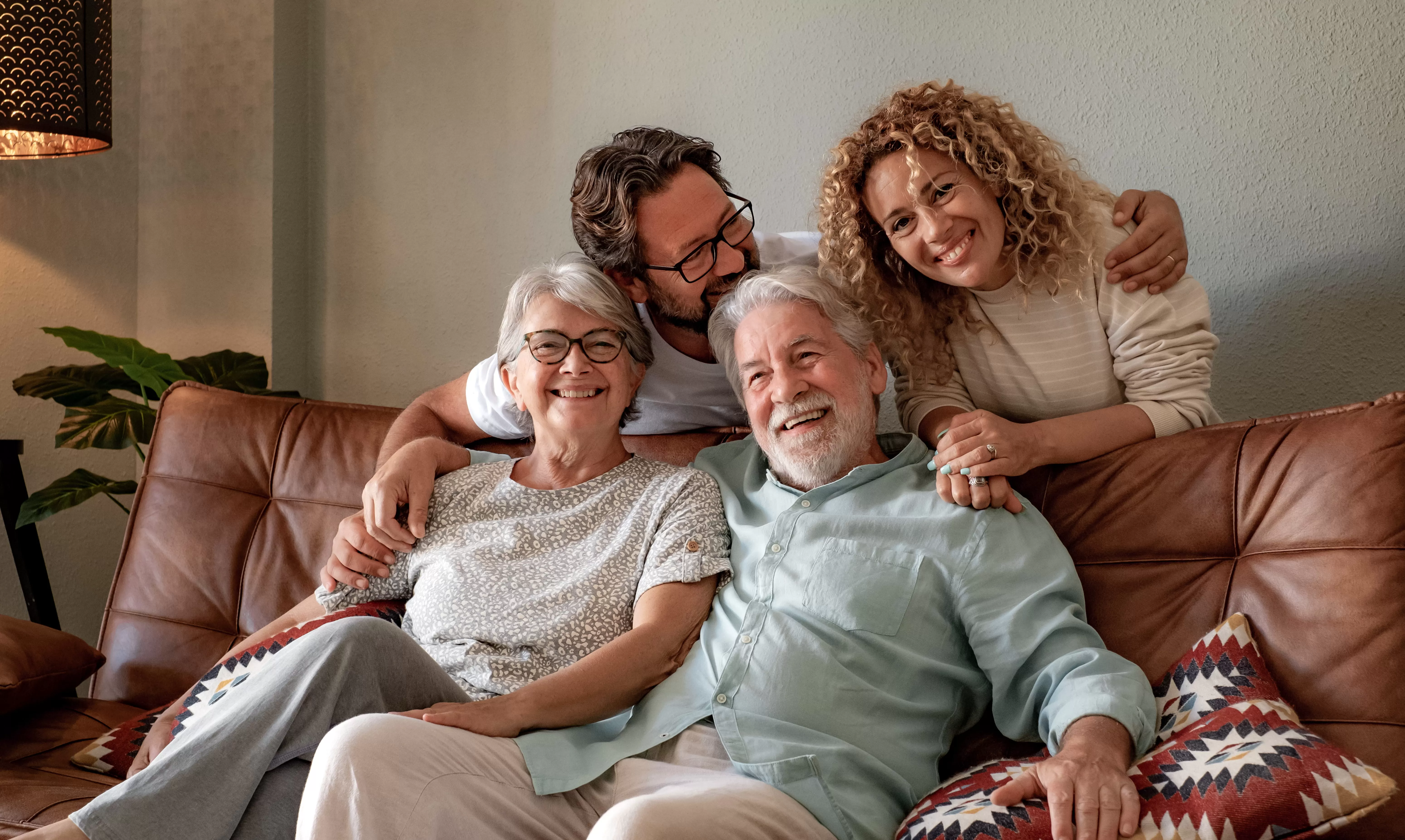
The move toward private spaces is also affecting multigenerational living arrangements. As more families are deciding to live under one roof, creating spaces that provide privacy for different generations is vital. A separate suite for grandparents or a quiet room for teenagers to study provides privacy so that each family member has a place to relax, recharge, and unwind
To accommodate multigenerational households, designers are increasingly including private living quarters with separate entrances, bathrooms and kitchens.
The Future of Private Spaces in Home Design
In future, private spaces will likely continue to be a hallmark of home design with the increase of remote work and flexible living arrangements, the demand for spaces that provide solitude and comfort will grow. We will see more demand for homes designed to be flexible, with spaces that can flex from a home office to a gym to a personal retreat.
Sustainability also plays its role as homeowners are now looking for eco-friendly, energy-efficient places to call home while keeping them comfortable and private. Amenities like smart home technology, soundproofing and natural ventilation are likely to become standard in private-space-designed homes.
In summary, the need for pirate space in U.S. houses is redesigning the structure of homes with a focus on creating comfort, isolation, and adaptability. From home workspaces to private sanctuaries, personal spaces are becoming imperative for homebuyers wanting to achieve balance and peace of mind in their residential settings. Visit estateagentpower.com to list a property for free, explore listed properties or sign up for a referral program.