Virtual home tours in the UK allow buyers, tenants, and investors to view properties remotely through immersive digital experiences such as 3D walkthroughs, live video viewings, and interactive floor plans. These tools enable informed decision-making without physical visits, reduce time spent on unsuitable properties, and expand access to listings across regions—making them a practical first step in modern property search, especially for out-of-area or international buyers.
What Are Virtual Home Tours?
A virtual home tour is a digital representation of a property that allows users to explore interiors and, in some cases, exteriors through a screen. It typically includes navigable rooms, zoom functionality, and spatial context, enabling viewers to assess layout, condition, and proportions without physically attending the property.
In the UK property market, virtual tours have evolved from simple photo galleries into high-resolution, interactive experiences. Estate agents and developers now use specialised platforms that stitch together panoramic images or create fully modelled 3D environments. These tools allow users to “walk” through rooms, measure distances, and visualise spatial relationships in a way static images cannot provide.
Virtual tours are not limited to residential sales. They are widely used in rental listings, new-build developments, student accommodation, and commercial property marketing. For sellers and landlords, they serve as a pre-qualification filter—reducing unnecessary in-person viewings. For buyers, they provide immediate clarity on whether a property meets basic criteria before committing time to travel.
Crucially, virtual tours do not replace physical inspections. Instead, they act as a decision-support tool in the early and mid-stages of the property journey. Most serious buyers still conduct at least one in-person viewing before making an offer, particularly for older properties where condition assessment is critical.
How Virtual Tours Work in the UK Property Market
Virtual home tours in the UK are created using a combination of imaging technology, software processing, and online distribution platforms. The process begins with capturing the property using 360-degree cameras or LiDAR-enabled devices. These tools record multiple viewpoints, which are then stitched together to create a seamless walkthrough experience.
Once captured, the data is processed into an interactive format. This may include features such as clickable navigation points, floor plan overlays, measurement tools, and embedded property information. The final output is hosted online and integrated into property listings on agent websites and major property portals.
From a user perspective, accessing a virtual tour is straightforward. Most listings include a “virtual tour” or “3D walkthrough” option. Clicking the link opens an interactive interface where users can move room to room, adjust viewing angles, and zoom in on details such as fixtures, finishes, and storage areas.
In the UK, adoption increased significantly during periods when physical viewings were restricted, but usage has remained strong due to efficiency gains. Agents now routinely include virtual tours as part of premium listings, particularly in competitive urban markets such as London, Manchester, and Birmingham.
For buyers relocating within the UK or from overseas, virtual tours reduce dependency on travel. They also enable collaborative decision-making—multiple stakeholders can view the same property remotely and discuss suitability in real time.
However, users should be aware of limitations. Camera lenses can distort room proportions, lighting conditions may vary, and certain defects (such as damp or structural issues) are not always visible. As a result, virtual tours should be treated as a screening tool rather than a substitute for surveys or professional inspections.
Types of Virtual Property Viewings Explained
Virtual property viewing formats in the UK vary in complexity, interactivity, and reliability. Understanding the differences helps buyers and investors interpret what they are seeing and assess how much weight to give each format during decision-making.
1. 360-Degree Photo Tours
These tours consist of panoramic images captured from fixed points within each room. Users can rotate their view in all directions but move between rooms using predefined navigation points. This format is widely used due to lower production costs and faster turnaround times.
Best use case: Initial screening of multiple properties.
Limitations: Limited depth perception and no true spatial continuity between rooms.
2. Fully Interactive 3D Walkthroughs
These are the most advanced and widely trusted formats. Using specialised scanning equipment, properties are converted into detailed 3D models. Users can move freely within the space, view the property from multiple perspectives (including “dollhouse” views), and understand layout relationships more accurately.
Best use case: Shortlisting properties and assessing layout suitability.
Limitations: Higher production cost means not all listings include this feature.
3. Live Video Viewings
Conducted via video conferencing platforms, live viewings involve an agent or seller walking through the property in real time while responding to viewer questions. This format provides flexibility and allows buyers to request specific angles, focus on details, or revisit areas during the session.
Best use case: Clarifying uncertainties after reviewing a recorded tour.
Limitations: Dependent on internet quality and the presenter's objectivity.
4. Pre-Recorded Video Tours
These are guided walkthroughs recorded by agents, often with commentary highlighting key features. While less interactive than live sessions, they provide a structured overview and can be replayed multiple times.
Best use case: Understanding property flow and key selling points.
Limitations: Limited ability to explore beyond what is shown.
5. Augmented and Virtual Reality (AR/VR) Experiences
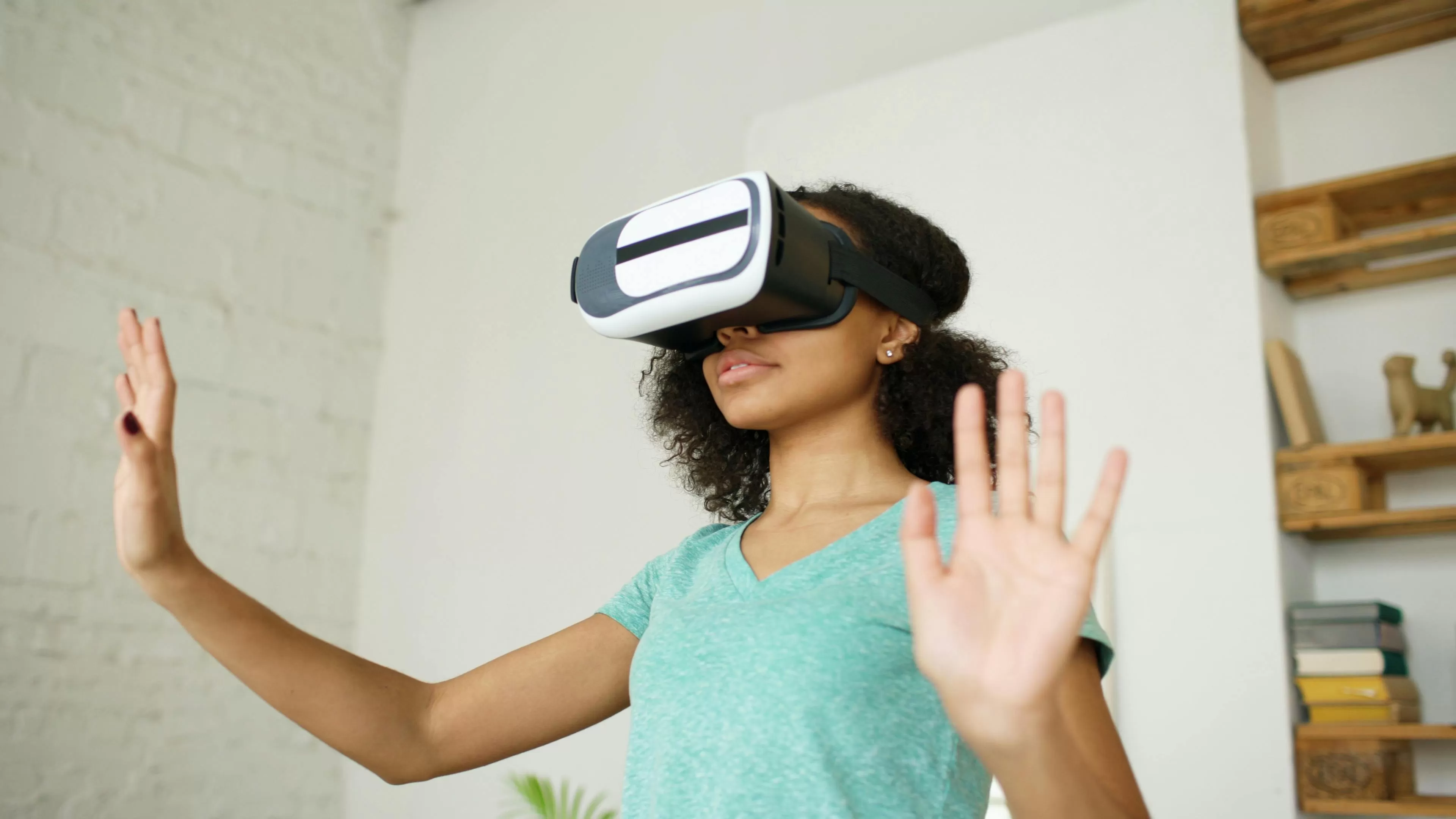
Some high-end developments and off-plan projects offer AR or VR experiences. These allow users to visualise properties that are not yet built or customise interiors digitally. While still a niche segment in the UK market, adoption is increasing in new-build developments.
Best use case: Off-plan purchases and design visualisation.
Limitations: Requires compatible devices and may not reflect final construction details.
Each format serves a distinct purpose within the property journey. Most buyers will interact with multiple types before making a decision. A common approach is to use 360-degree or video tours for broad filtering, followed by detailed 3D walkthroughs and live viewings for shortlisted properties.
Key Benefits of Virtual Home Tours
Virtual home tours provide measurable advantages across the entire property lifecycle, from listing exposure to final decision-making. Their primary value lies in efficiency, accessibility, and improved decision quality.
Wider reach for sellers: Listings with virtual tours attract a broader audience, including international buyers and out-of-region investors. This increases enquiry volume without increasing physical viewing demand.
Time efficiency for buyers: Buyers can eliminate unsuitable properties quickly, focusing only on those that meet spatial, layout, and condition expectations. This reduces the number of in-person viewings required.
Better-qualified enquiries: Prospective buyers who request physical viewings after a virtual tour are typically more serious, improving conversion rates for agents and sellers.
Remote decision-making: Investors and relocating buyers can shortlist or even make conditional offers without visiting in person, particularly in competitive markets where speed matters.
24/7 accessibility: Unlike scheduled viewings, virtual tours can be accessed at any time, allowing buyers to revisit properties multiple times before making a decision.
From a strategic perspective, virtual tours reduce friction in the early stages of the property journey, allowing both sides of the transaction to focus effort where it is most productive.
Virtual Tours vs Physical Viewings: What’s the Difference?
Virtual tours and physical viewings serve different but complementary roles in the property buying process. Understanding their differences helps buyers use each effectively rather than treating them as interchangeable.
Accuracy of perception: Physical viewings provide true scale, lighting conditions, and sensory input (such as noise levels or odours), which virtual tours cannot fully replicate.
Convenience: Virtual tours allow immediate access without travel, making them ideal for initial filtering. Physical viewings require scheduling and travel time.
Depth of inspection: While high-quality 3D tours provide strong spatial understanding, they cannot reveal hidden defects, structural concerns, or neighbourhood dynamics in full detail.
Decision stage relevance: Virtual tours are most effective during the discovery and shortlisting phases. Physical viewings become essential before making an offer or finalising a transaction.
Emotional engagement: Many buyers rely on in-person impressions to confirm a property “feels right,” something digital formats only partially replicate.
In practice, the most effective approach is hybrid. Buyers use virtual tours to narrow options, then conduct targeted physical visits for final evaluation. This reduces wasted time while preserving due diligence.
Costs of Virtual Home Tours in the UK
The cost of creating a virtual home tour in the UK varies based on property size, technology used, and level of detail required. These costs are typically borne by sellers, landlords, or developers as part of their marketing strategy.
Entry-level 360° tours: Lower-cost option using panoramic photography. Suitable for smaller properties or rental listings where budget constraints apply.
Professional 3D walkthroughs: Mid-to-high range pricing depending on property size and complexity. These offer the highest usability and are increasingly standard in competitive markets.
Video walkthroughs: Costs depend on production quality, editing, and narration. Often bundled with marketing packages provided by estate agents.
AR/VR experiences: Premium pricing, typically used for new developments or luxury properties. Costs reflect both technology and design input.
While virtual tours add upfront cost, they can reduce time on market, limit unnecessary viewings, and improve buyer engagement. For higher-value properties, the return on investment is often justified through improved exposure and faster transaction cycles.
Legal and Compliance Considerations in the UK
Virtual home tours must comply with UK property marketing regulations, particularly those relating to accurate representation and consumer protection.
Misrepresentation risk: Property listings, including virtual tours, must not present misleading information. Digital enhancements that materially alter appearance can lead to legal disputes if buyers rely on inaccurate representations.
Consumer Protection from Unfair Trading Regulations (CPRs): Estate agents are legally required to disclose material information that could influence a buyer’s decision. Virtual tours must not omit critical details that would otherwise be evident in person.
Data protection: If virtual tours include personal belongings or identifiable information, sellers must ensure compliance with data protection standards. Sensitive items should be removed before filming.
Leasehold and structural disclosures: Virtual tours do not replace formal documentation. Buyers must still review title deeds, lease terms, and survey reports before proceeding.
For buyers, the key principle is verification. Virtual tours provide a strong visual overview but should always be supplemented with legal checks and professional inspections before the exchange of contracts.
Common Mistakes Buyers and Sellers Make
Despite their advantages, virtual home tours can lead to poor decisions if used incorrectly. Both buyers and sellers should be aware of common pitfalls.
Over-reliance on visuals: Buyers sometimes assume what they see is complete. Important issues such as structural defects, noise levels, or neighbourhood factors are not always visible.
Ignoring scale distortion: Wide-angle lenses can make rooms appear larger than they are. Buyers should cross-check dimensions using floor plans and measurements.
Skipping physical viewings entirely: In competitive markets, some buyers attempt to proceed without visiting. This increases risk and should only be considered with additional safeguards such as surveys and agent verification.
Poor-quality tours by sellers: Low-resolution images, poor lighting, or incomplete coverage reduce buyer confidence and may deter serious enquiries.
Lack of preparation: Sellers who fail to declutter or stage the property before filming risk presenting a misleading or unattractive impression that persists across all future views.
Effective use of virtual tours requires critical evaluation. Buyers should treat them as an analytical tool rather than a final authority, while sellers should ensure accuracy and presentation quality to maximise impact.
How to Use Virtual Tours Effectively in Your Property Search
Virtual home tours deliver the most value when used as part of a structured decision-making process rather than as a standalone viewing method. Buyers, investors, and tenants should apply a systematic approach to extract accurate insights and avoid misinterpretation.
Start with objective filtering: Use virtual tours to eliminate properties that clearly do not meet your requirements in terms of layout, size, or condition. Focus on spatial flow, room proportions, and storage availability.
Cross-check with floor plans: Always compare what you see in the virtual tour with the official floor plan. This helps identify distortions caused by wide-angle lenses and ensures an accurate understanding of dimensions.
Revisit shortlisted properties: High-quality virtual tours allow multiple reviews. Revisit shortlisted options to reassess details such as natural light direction, window placement, and internal connectivity between rooms.
Prepare questions for agents: Use insights from the tour to ask targeted questions during follow-ups or live video viewings. For example, clarify ceiling heights, recent renovations, or aspects not clearly visible.
Use live viewings strategically: Schedule live video calls to verify specific concerns before committing to travel. This step bridges the gap between digital exploration and physical inspection.
Do not skip due diligence: Even if a property appears ideal virtually, always conduct a physical viewing, commission a survey, and review legal documentation before making an offer.
This structured approach ensures that virtual tours act as a decision accelerator rather than a risk factor.
Future of Virtual Home Tours in the UK Property Market
Virtual home tours are expected to remain a standard feature in UK property marketing, with continued advancements in technology improving accuracy, interactivity, and user experience.
Improved realism: Advancements in 3D scanning and rendering will reduce distortion and provide near-photorealistic experiences, making virtual walkthroughs increasingly reliable for spatial assessment.
Integration with property data: Future tours are likely to include embedded data layers, such as energy performance ratings, material specifications, and renovation history, accessible within the viewing interface.
AI-assisted navigation: Intelligent systems may guide users through properties based on their preferences, highlighting relevant features such as home offices, outdoor space, or investment potential.
Growth in off-plan visualisation: Developers will continue to expand the use of virtual and augmented reality for off-plan sales, allowing buyers to customise layouts and finishes before construction is completed.
Wider adoption across all price segments: As production costs decrease, virtual tours will become standard even for lower-value properties and rental listings, not just premium homes.
Despite these advancements, physical inspections will remain essential. The role of virtual tours will continue to be supportive—enhancing efficiency and accessibility without replacing due diligence.
Frequently Asked Questions
Are virtual home tours reliable for making buying decisions?
Virtual tours are reliable for initial assessment and shortlisting, but should not be used as the sole basis for a purchase decision. Physical inspections and surveys remain essential.
Can you buy a property in the UK without visiting it in person?
Yes, it is legally possible, and some investors do so. However, it carries a higher risk and typically requires additional safeguards such as detailed surveys and legal checks.
Do all UK property listings include virtual tours?
No, although adoption is increasing. Virtual tours are more common in competitive urban markets and higher-value listings.
Are virtual tours accurate in showing property size?
They provide a general sense of space but may include distortion. Buyers should always verify dimensions using floor plans and measurements.
Do virtual tours replace estate agent viewings?
No. They reduce the number of unnecessary viewings but do not replace the need for in-person inspections before purchase or rental agreements.
Key Takeaways
- Virtual tours improve efficiency: They allow buyers to filter properties quickly and reduce unnecessary physical visits.
- Not a replacement for inspections: Physical viewings and surveys remain essential for final decision-making.
- Multiple formats exist: From 360° images to 3D walkthroughs and live video, each serves a different purpose.
- Accuracy has limits: Distortion and missing details mean buyers must verify information independently.
- Growing standard in the UK: Virtual tours are becoming a routine part of property marketing across most segments.
References
- UK Government – Consumer Protection from Unfair Trading Regulations
- Royal Institution of Chartered Surveyors (RICS) Guidance on Property Marketing
- UK Property Portals Market Practices and Listing Standards
- Industry Reports on Digital Transformation in Real Estate (UK)