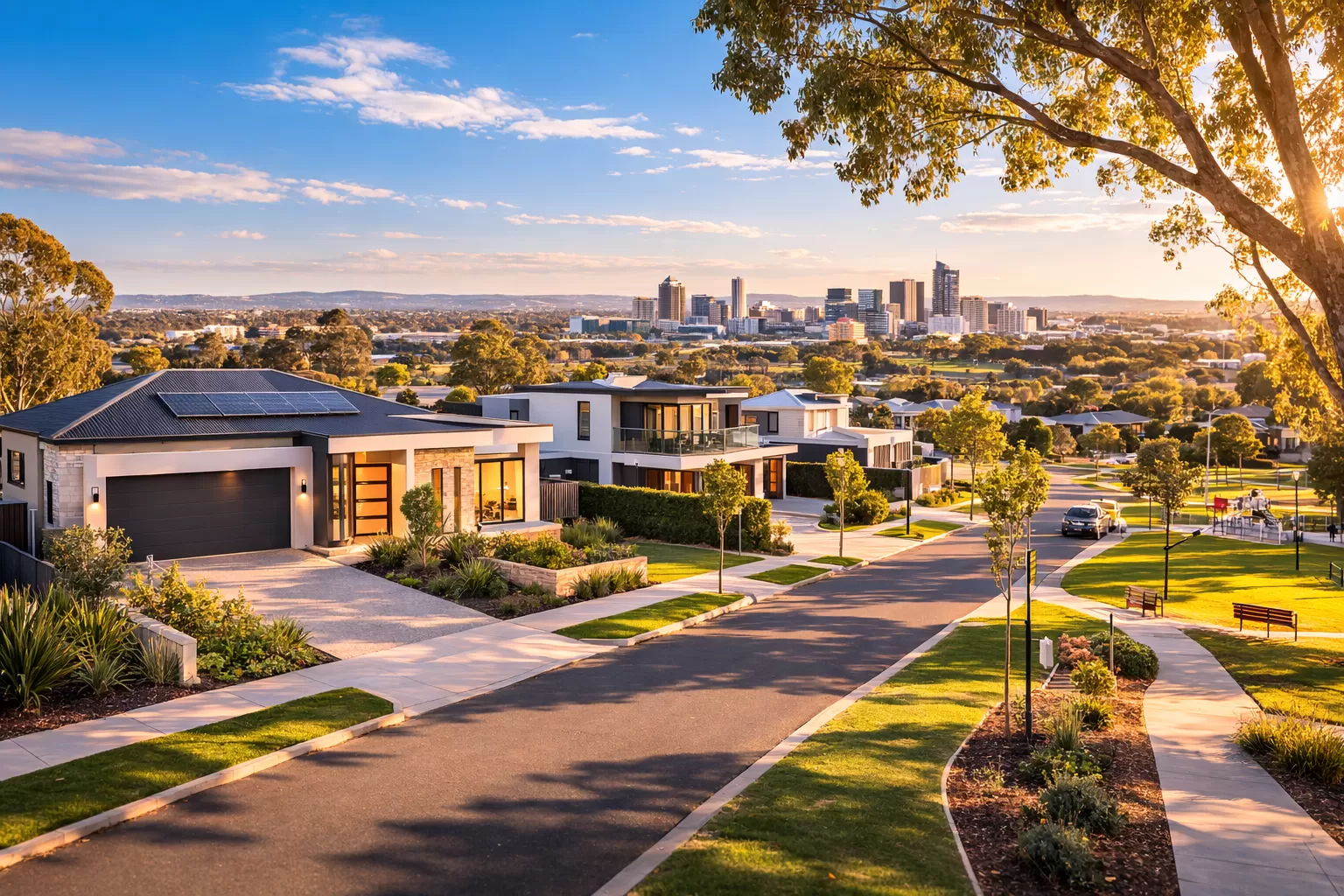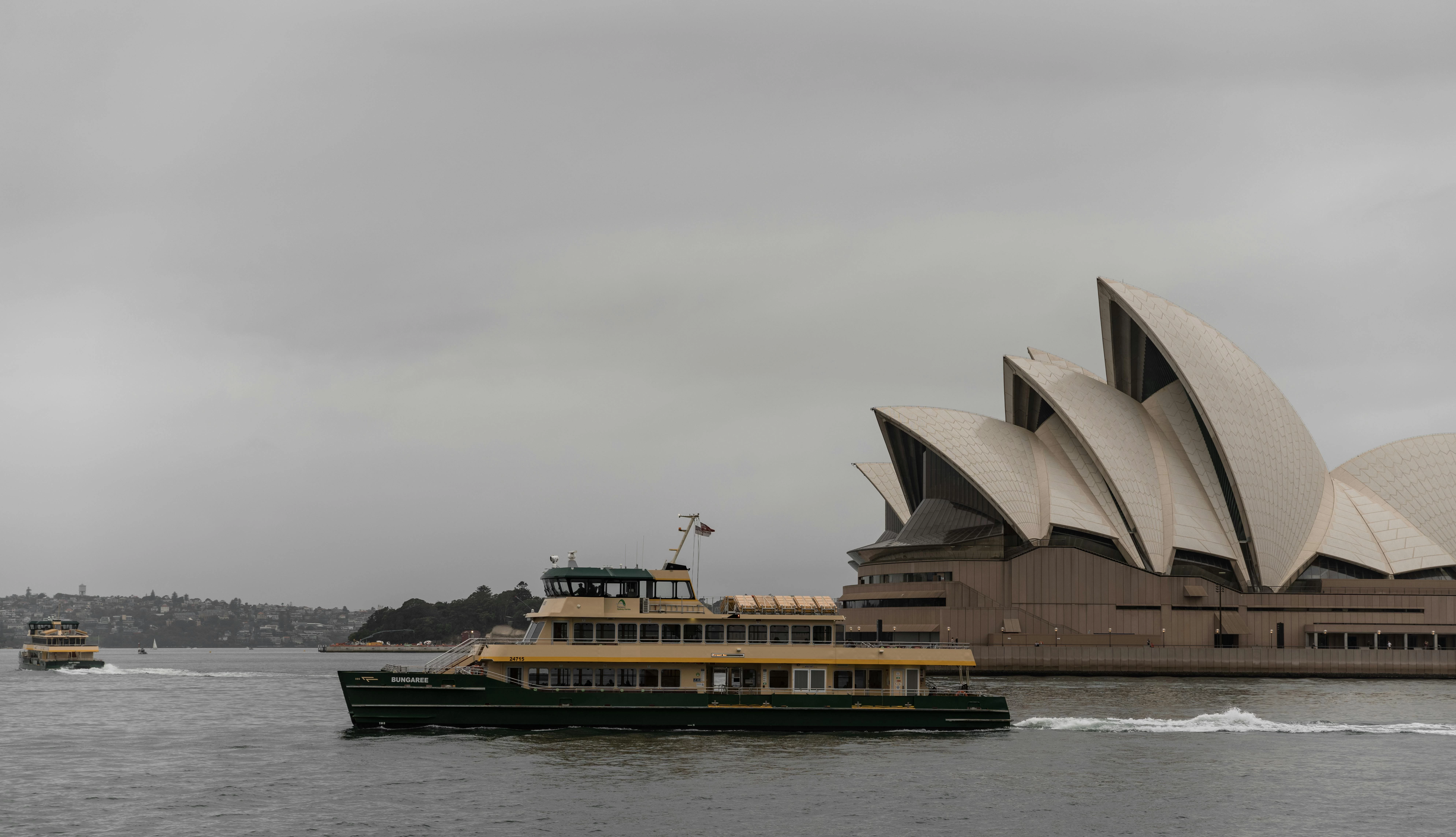
Commercial property investment in Sydney continues to attract institutional buyers, private investors, developers, and international capital because the city combines limited land supply, a globally connected economy, strong infrastructure, and diverse commercial sectors. Premium commercial assets in Sydney commonly include office towers, mixed-use developments, logistics facilities, medical properties, retail centres, hospitality assets, and high-performing industrial estates located in established business corridors. Investors typically focus on rental yield stability, tenant quality, long-term capital growth, vacancy exposure, zoning controls, infrastructure expansion, and asset repositioning potential before entering the market.
Types of Premium Commercial Properties in Sydney
Sydney’s commercial real estate market includes several asset classes, each with different risk profiles, tenant expectations, capital requirements, and growth characteristics. Investors should understand how each category performs under changing economic conditions before selecting a commercial investment strategy.
Office Properties
Office assets remain a central component of Sydney’s premium commercial property market. High-grade office towers located in the Sydney CBD, North Sydney, and Parramatta continue to attract corporate occupiers seeking prestige, accessibility, and workforce convenience.
Modern office investment decisions increasingly depend on building quality, sustainability credentials, end-of-trip facilities, energy efficiency, and workspace flexibility. Tenants now prioritise buildings that support hybrid work models, employee wellbeing, and operational efficiency.
Investors evaluating office properties should carefully examine vacancy trends, tenant retention history, lease durations, refurbishment requirements, and future supply pipelines. Buildings requiring substantial capital upgrades may involve higher operational risk despite lower acquisition costs.
Industrial and Logistics Assets
Industrial and logistics properties have become one of Sydney’s strongest-performing commercial sectors. Distribution facilities, warehousing assets, cold storage sites, and logistics hubs continue to benefit from online retail growth, freight demand, and supply chain restructuring.
Premium industrial locations near ports, motorways, airports, and freight corridors generally attract strong tenant competition due to operational efficiency advantages. Investors frequently target assets with high-clearance warehousing, modern loading infrastructure, and large hardstand areas.
Industrial property investment often appeals to investors seeking lower vacancy exposure and long-term tenant occupancy. However, buyers must still evaluate environmental compliance, zoning restrictions, transport access, and redevelopment potential.
Retail Commercial Properties
Retail property performance varies significantly depending on asset location, tenant mix, demographic trends, and consumer behaviour patterns. Premium retail investments generally include neighbourhood centres, mixed-use retail developments, convenience-based retail assets, and high-footfall shopping precincts.
Investors increasingly favour retail properties anchored by essential services such as supermarkets, healthcare providers, food operators, and convenience retail businesses because these sectors may demonstrate greater resilience during economic fluctuations.
Retail investment analysis should include foot traffic patterns, local population growth, competing developments, lease structures, tenant diversification, and future redevelopment opportunities. Investors should also assess whether changing consumer preferences may affect long-term retail demand within the area.
Medical and Healthcare Properties
Medical and healthcare real estate has become increasingly attractive to commercial investors due to demographic changes, healthcare demand growth, and the essential nature of medical services.
Premium healthcare assets may include specialist clinics, medical centres, diagnostic facilities, allied health hubs, and hospital-adjacent developments. Investors often value these properties for tenant stability and long-term operational demand.
Healthcare property investments require careful due diligence regarding regulatory compliance, medical fit-out requirements, parking access, accessibility standards, and tenant dependency on specialised infrastructure.
Mixed-Use Developments
Mixed-use commercial developments combine multiple property functions within a single asset or precinct. These developments may integrate office space, retail, hospitality, residential, entertainment, or healthcare components.
Investors are increasingly attracted to mixed-use projects because diversified income streams can help reduce dependence on a single tenant category or market segment. Well-positioned mixed-use developments may also benefit from higher pedestrian activity and stronger long-term land utilisation.
However, mixed-use investments can involve greater management complexity due to varying operational requirements across different tenancy types. Investors should assess strata structures, maintenance obligations, shared infrastructure responsibilities, and long-term operational planning before acquisition.
Key Factors Driving Commercial Property Investment in Sydney
Successful commercial property investment in Sydney depends on more than location alone. Investors must analyse economic conditions, tenant demand, asset quality, infrastructure positioning, financing structures, and long-term market trends before committing capital.
Tenant Quality and Lease Security
Tenant quality is one of the most important considerations in commercial property investment. A premium property with unstable tenants may generate higher risk than a moderately positioned property leased to financially secure occupiers.
Investors commonly assess tenant financial strength, industry exposure, lease duration, renewal options, and historical occupancy stability. Long-term leases with established tenants may improve income predictability and strengthen financing outcomes.
Lease structures should also be reviewed carefully. Commercial leases often include rent review mechanisms, maintenance obligations, insurance responsibilities, and outgoings recovery provisions that directly influence investment performance.
Yield Versus Capital Growth
Commercial investors often balance two primary objectives: generating rental income and achieving long-term capital appreciation. Some Sydney commercial assets may offer stronger immediate yields, while others prioritise future value growth through redevelopment potential or location scarcity.
Investors focused on stable income may prioritise fully leased industrial or healthcare assets with long lease commitments. Growth-oriented investors may seek underutilised sites in evolving commercial corridors where infrastructure upgrades and rezoning could influence future values.
Understanding the relationship between yield, risk, vacancy exposure, and future market demand is essential when evaluating premium commercial opportunities in Sydney.
Market Cycles and Timing
Commercial property markets move through cyclical phases influenced by economic growth, interest rates, construction activity, business confidence, and investor sentiment. Entering the market during different stages of the cycle can significantly affect asset performance.
Sophisticated investors often analyse vacancy rates, supply pipelines, tenant incentives, financing conditions, and sector-specific demand before making acquisition decisions. Markets experiencing oversupply may create negotiation opportunities, while tightly held sectors can increase acquisition competition.
Timing also affects financing structures. Interest rate movements influence borrowing costs, investor returns, and commercial asset valuations. Buyers should stress-test investment scenarios against changing financing conditions to reduce exposure to future market volatility.
Asset Management and Value Enhancement
Commercial property investment extends beyond acquisition. Effective asset management can significantly influence long-term performance, tenant retention, and valuation outcomes.
Investors may improve commercial asset value through building upgrades, tenancy repositioning, sustainability improvements, operational efficiencies, lease renegotiations, or redevelopment planning. Premium tenants increasingly prioritise energy-efficient buildings with modern amenities and compliance standards.
Active asset management becomes particularly important in competitive Sydney commercial markets where tenant expectations continue to evolve. Investors who neglect maintenance, technological upgrades, or operational efficiency may face reduced leasing competitiveness over time.
How to Evaluate Premium Commercial Assets in Sydney
Evaluating commercial property in Sydney requires far more than reviewing purchase price and rental income. Premium assets are typically assessed through a combination of financial performance, tenant reliability, location fundamentals, asset condition, planning controls, and future market positioning.
Investors who rely solely on headline yields often overlook operational risks that can affect long-term performance. A structured due diligence process helps identify whether a property can sustain income stability and future growth under changing market conditions.
Location Analysis and Business Demand
Commercial property value is closely linked to business activity, infrastructure access, workforce availability, and tenant demand. Premium Sydney commercial assets are generally located within established economic corridors or emerging growth precincts supported by infrastructure investment.
Investors should assess nearby transport connectivity, pedestrian activity, freight access, parking availability, surrounding commercial development, and demographic trends. Locations with multiple demand drivers often demonstrate stronger resilience during market slowdowns.
Areas experiencing infrastructure upgrades, metro expansion, airport-related development, or urban renewal may create long-term investment opportunities, particularly where commercial supply remains constrained.
Building Condition and Capital Expenditure
Building quality significantly affects tenant retention, operational efficiency, and long-term maintenance costs. Investors should commission detailed building inspections before acquisition to identify structural issues, compliance concerns, mechanical system failures, or deferred maintenance liabilities.
Older commercial buildings may require substantial capital expenditure to remain competitive in Sydney’s premium leasing market. Upgrades involving lifts, HVAC systems, energy performance, accessibility compliance, and fire safety infrastructure can materially affect investment returns.
Modern tenants increasingly prioritise sustainability credentials and workplace functionality. Buildings lacking environmental performance standards may experience reduced leasing competitiveness over time.
Tenant Profile and Occupancy History
Reviewing the tenant profile is critical in commercial real estate investment. Investors should examine the financial strength of tenants, lease expiry schedules, occupancy history, and industry exposure.
A diversified tenant mix may reduce reliance on a single income source, while assets leased to businesses operating in volatile industries may involve greater occupancy risk. Properties with multiple near-term lease expiries should be assessed carefully because simultaneous vacancies can reduce cash flow stability.
Investors should also review historical vacancy periods within the building and the surrounding market to understand leasing demand patterns and tenant retention performance.
Future Development and Zoning Potential
Zoning regulations and redevelopment potential can significantly influence long-term commercial asset value. Some investors target properties with flexible planning controls because redevelopment opportunities may create additional value beyond rental income.
Investors should review local environmental plans, height restrictions, floor space ratios, heritage controls, and permitted land uses before acquisition. Commercial sites located in evolving precincts may benefit from future rezoning or density increases.
However, redevelopment projects involve approval timelines, construction risk, financing exposure, and changing market conditions. Investors should not assume future development approval without professional planning advice.
Financial Considerations and Investment Costs
Commercial property investment in Sydney involves significantly more financial complexity than many residential transactions. Investors must account for acquisition costs, financing structures, operating expenses, taxation obligations, vacancy exposure, and long-term capital planning.
Commercial Property Financing
Commercial lending requirements differ substantially from residential mortgage structures. Lenders typically apply stricter serviceability assessments, lower loan-to-value ratios, and more detailed asset evaluations when financing commercial property acquisitions.
Financing terms may vary depending on asset type, tenant profile, lease duration, borrower experience, and market conditions. Institutional-grade assets with strong tenants and long lease commitments often receive more favourable lending terms compared with specialised or secondary-grade properties.
Interest rate fluctuations can materially affect commercial investment performance. Investors should assess repayment sensitivity under changing interest conditions and maintain sufficient liquidity to manage vacancy periods or unexpected operating costs.
Operating Expenses and Outgoings
Commercial property operating costs may include council rates, insurance, maintenance, strata levies, utilities, property management fees, land tax, and capital improvement expenses.
In many commercial lease structures, tenants contribute toward building outgoings. However, investors should carefully review lease agreements because recovery arrangements vary between assets and tenancy types.
Investors should also maintain contingency reserves for unexpected repairs, compliance upgrades, or temporary vacancy-related expenses. Underestimating ongoing operational costs can significantly affect investment profitability.
Taxation and Ownership Structures
Commercial property ownership may involve complex taxation considerations, including GST obligations, capital gains tax exposure, depreciation benefits, land tax liabilities, and trust or corporate ownership structures.
Investment structuring decisions should align with long-term asset strategy, financing arrangements, liability management, and succession planning objectives. Many investors seek specialist accounting and legal advice before purchasing high-value commercial assets.
Foreign investors may also encounter additional regulatory requirements and taxation implications when acquiring commercial real estate in Australia.
Vacancy Risk and Income Interruption
Vacancy risk remains one of the most important financial considerations in commercial property investment. Unlike residential leasing, commercial vacancy periods may extend for several months depending on asset type, market conditions, and tenant demand.
During vacancy periods, investors may remain responsible for all operating expenses, maintenance obligations, and financing repayments without rental income support.
Premium locations with diversified tenant demand often demonstrate stronger occupancy resilience, although no commercial asset is entirely immune to changing economic conditions or industry disruption.
Legal and Regulatory Considerations
Commercial property transactions in Sydney involve detailed legal review processes that extend beyond standard contract examination. Investors should understand planning controls, lease obligations, environmental responsibilities, and compliance requirements before proceeding with an acquisition.
Commercial Lease Review
Lease agreements directly affect commercial asset value and investment stability. Investors should conduct comprehensive lease reviews to identify rent review mechanisms, make-good obligations, renewal options, maintenance responsibilities, and tenant incentives.
Poorly structured leases may expose landlords to unexpected repair costs, operational liabilities, or prolonged vacancy risks. Experienced legal advisers typically assess whether lease terms align with market standards and investment objectives.
Planning Controls and Compliance
Commercial properties must comply with zoning regulations, building codes, accessibility standards, fire safety requirements, and environmental obligations. Investors should confirm whether the current use complies with local planning controls and whether any outstanding compliance notices exist.
Non-compliance issues can result in costly rectification requirements, operational restrictions, or delays in redevelopment approvals. Investors should also review heritage listings, contamination risks, and environmental assessments where applicable.
Environmental and Sustainability Obligations
Sustainability performance has become increasingly important in Sydney’s premium commercial property market. Institutional tenants and corporate occupiers often prioritise environmentally efficient buildings that align with internal sustainability targets.
Investors may need to consider energy efficiency upgrades, emissions reporting requirements, waste management systems, and water conservation measures when repositioning commercial assets.
Buildings with poor environmental performance may face reduced leasing competitiveness or increased future upgrade costs as regulatory expectations evolve.
Common Commercial Property Investment Risks
Commercial property investment in Sydney can provide long-term income and capital growth opportunities, but investors must recognise the risks associated with market cycles, tenant dependency, financing exposure, and asset management complexity.
Overpaying in Competitive Markets
High investor competition can increase acquisition pressure, particularly for premium commercial assets with strong tenants and long lease terms. Investors who focus solely on asset scarcity may overestimate future growth potential or underestimate operational risks.
Independent valuation analysis and conservative financial modelling remain essential when assessing commercial acquisitions during competitive market conditions.
Single-Tenant Dependency
Commercial properties heavily reliant on a single tenant may experience substantial income disruption if the occupier vacates or encounters financial difficulty.
Investors should assess tenant industry stability, financial strength, lease expiry timing, and re-leasing prospects before acquiring single-tenant assets.
Changing Workplace and Consumer Trends
Commercial real estate markets continue to evolve due to hybrid work models, e-commerce expansion, technological integration, and changing consumer preferences.
Investors should evaluate whether assets remain adaptable to future business requirements. Buildings lacking flexibility, modern infrastructure, or sustainability performance may face increased competitive pressure over time.
Expert Insights for Commercial Property Investors
Experienced commercial property investors in Sydney often prioritise disciplined acquisition strategies rather than pursuing short-term market momentum. Long-term performance is typically influenced by asset quality, location fundamentals, tenant resilience, and active management capability.
Investors entering the Sydney commercial market should avoid relying exclusively on projected capital growth assumptions. Sustainable investment performance generally depends on realistic cash flow analysis, conservative debt management, and thorough due diligence.
Premium commercial opportunities are not limited to landmark office towers or institutional-grade developments. Smaller industrial assets, healthcare properties, mixed-use developments, and strategically positioned suburban commercial sites may also provide strong long-term investment potential when supported by tenant demand and infrastructure growth.
Market conditions, financing costs, demographic changes, and business activity patterns will continue to shape Sydney’s commercial property landscape. Investors who maintain a long-term perspective and adapt to changing tenant expectations are generally better positioned to manage market volatility and preserve asset value.
Future Outlook for Sydney Commercial Property Investment
Sydney’s commercial property market is expected to remain one of Australia’s most closely watched investment sectors due to ongoing population growth, infrastructure development, and international business activity. However, future opportunities are likely to vary significantly between asset classes rather than moving uniformly across the entire market.
Industrial and logistics assets are expected to continue benefiting from supply chain restructuring, e-commerce demand, and limited land availability in strategically connected locations. Demand for warehouse and distribution facilities near transport infrastructure is likely to remain strong as businesses prioritise operational efficiency and delivery speed.
Office markets are continuing to evolve in response to hybrid workplace models and changing tenant expectations. Premium-grade office buildings with sustainability credentials, advanced technology integration, and employee-focused amenities are generally better positioned to attract long-term occupiers compared with secondary-grade assets requiring substantial upgrades.
Healthcare and mixed-use developments may also experience sustained investor interest due to demographic shifts, urban density growth, and increasing demand for integrated service-oriented precincts. Investors are increasingly evaluating commercial assets that combine resilience, flexibility, and long-term operational relevance.
Infrastructure investment across Greater Sydney will continue influencing commercial property demand patterns. Emerging precincts linked to transport expansion, airport-related development, and urban renewal projects may create opportunities for investors seeking long-term growth potential beyond traditional CBD-focused strategies.
Strategic Considerations Before Investing
Investors considering premium commercial property opportunities in Sydney should approach acquisitions with a clearly defined investment framework rather than reacting to short-term market sentiment.
The most successful commercial property strategies are typically based on disciplined due diligence, realistic financial forecasting, and long-term asset positioning. Investors should establish clear objectives relating to income generation, capital growth, redevelopment potential, risk tolerance, and holding periods before entering the market.
Asset selection should align with broader economic and demographic trends. Commercial properties located in infrastructure-supported growth corridors, established business precincts, or supply-constrained markets often demonstrate stronger long-term resilience.
Investors should also recognise the importance of professional support throughout the acquisition and ownership process. Commercial transactions often require input from legal advisers, accountants, valuers, finance specialists, planners, and property managers to ensure informed decision-making.
Market timing alone rarely determines investment success. Asset quality, tenant strength, operational efficiency, and adaptability to future market conditions generally play a more significant role in long-term performance.
Commercial property investment in Sydney can involve substantial capital exposure, but well-positioned assets supported by strong fundamentals may continue to attract investor interest across multiple market cycles.
Frequently Asked Questions
What is the best type of commercial property to invest in Sydney?
The best commercial property type depends on investment objectives, risk tolerance, and market conditions. Industrial and logistics properties are currently attracting strong investor interest due to supply constraints and e-commerce growth, while premium office, healthcare, and mixed-use assets remain important sectors within Sydney’s commercial market.
What rental yields are common in Sydney commercial property?
Commercial property yields in Sydney vary according to asset class, location, tenant quality, and market conditions. Premium assets in highly competitive locations may offer lower yields due to stronger perceived security, while secondary assets or emerging locations may generate higher returns alongside increased risk exposure.
Is commercial property investment riskier than residential property?
Commercial property investment can involve higher vacancy risk, larger capital requirements, and more complex leasing structures compared with residential property. However, commercial assets may also provide longer lease terms, stronger income potential, and opportunities for value enhancement through active asset management.
Can foreign investors buy commercial property in Sydney?
Foreign investors may purchase certain commercial properties in Australia, although approval requirements and regulatory obligations can apply depending on the asset type, transaction value, and ownership structure. Professional legal and financial advice is important before proceeding with the acquisition.
Why is due diligence important in commercial property investment?
Due diligence helps investors identify financial, legal, structural, environmental, and operational risks before purchasing a commercial property. Thorough investigation of lease agreements, zoning controls, tenant profiles, building condition, and market demand can reduce the likelihood of unexpected liabilities after acquisition.
Key Takeaways
- Sydney remains a major commercial investment market: Strong infrastructure, global business activity, and limited land supply continue to support long-term commercial property demand.
- Different commercial sectors perform differently: Office, industrial, healthcare, retail, and mixed-use assets each respond to separate economic and tenant demand drivers.
- Tenant quality directly affects investment stability: Lease strength, tenant financial reliability, and occupancy history are critical factors in commercial asset performance.
- Due diligence is essential: Investors should carefully assess zoning controls, compliance obligations, building condition, financing structures, and operational costs before acquisition.
- Infrastructure influences long-term growth potential: Commercial assets located near transport expansion and urban renewal projects may benefit from increased business activity and future demand.
- Commercial investment requires active management: Asset upgrades, sustainability improvements, lease negotiations, and tenant retention strategies can significantly influence long-term returns.
References
- New South Wales Government planning and zoning resources
- Commercial leasing and property legislation guidance from Australian legal authorities
- Australian commercial property market research publications
- Infrastructure planning reports relating to Greater Sydney development
- Commercial real estate valuation and investment methodology resources
- Australian taxation guidance for commercial property ownership and investment structures